
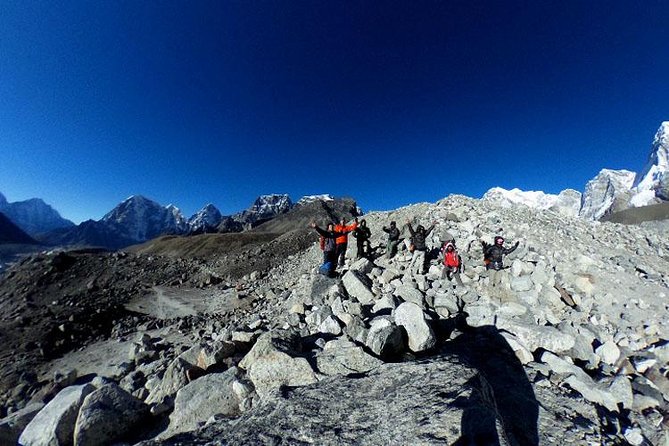
REVIEW · EVEREST BASE CAMP TREKS
Everest Base Camp Trek
Everest Base Camp turns trekking into a life story. This route blends high Himalayan walking with Sherpa culture stops, then times the hardest days around acclimatization and big-view moments.
I love that the trip takes care of the heavy lifting up front, with Kathmandu to Lukla round-trip flights and permits handled. I also like the practical inclusions that save you money and pack weight, like a provided sleeping bag and down jacket, plus a medical kit box on the trail.
One consideration: the mountains run on weather and flight schedules. You should plan for cold mornings, steep sections, and the fact that travel and rescue insurance plus extra mountain costs (or porter cost and tips) are not included.
In This Review
- Key Things That Make This Everest Base Camp Trek Work
- Why Everest Base Camp Feels Different When It Is Guided
- Day 1 in Kathmandu: Your First Night Sets the Tone
- Day 2: Kathmandu to Lukla Flight, Then Straight Into Trek Mode
- Day 3: Phakding to Namche Bazaar, Bridges and First Real Views
- Day 4: Namche Bazaar Exploration and the Irish Pub Break
- Day 5: Namche to Tengboche, Monasteries and Big-View Mornings
- Day 6: Tengboche to Dingboche Viewpoint, Then Onward
- Day 7: Dingboche Acclimatization Day, Short Hike for Real Breathing Control
- Day 8: Along the Khumbu Glacier and Closer to Everest’s Work Zone
- Day 9: Gorak Shep to Everest Camp II Area, The Trail Narrows Into Awe
- Day 10: Kalapatthar, Sunlight Through Clouds, and a Genuine Payoff Day
- Day 11: Pheriche to Pangboche, Then Quiet Culture on the Way Down
- Day 12: Pangboche to Namche Area, Then Lukla Valley Time With an Irish Pub Stop
- Day 13: Lukla Back to Kathmandu, Then Durbar Square Views
- Day 14: Final Kathmandu Rest, Farewell Program, and Flight Out
- Price: What $1,799.27 Buys You, and What You Still Need to Plan
- What You Really Experience Each Day: Walking, Cold, and Culture Moments
- Gear and Health: Practical Packing Tips for a Provided-gear Trek
- Who Should Book This Everest Base Camp Trek, and Who Should Rethink
- Should You Book This Everest Base Camp Trek with Nepal High Trek & Expedition?
- FAQ
- How long is the Everest Base Camp trek on this tour?
- Are flights between Kathmandu and Lukla included?
- What’s included for trekking gear and permits?
- Are meals included during the trek?
- What costs are not included?
- Is cancellation free if I change my mind?
Key Things That Make This Everest Base Camp Trek Work
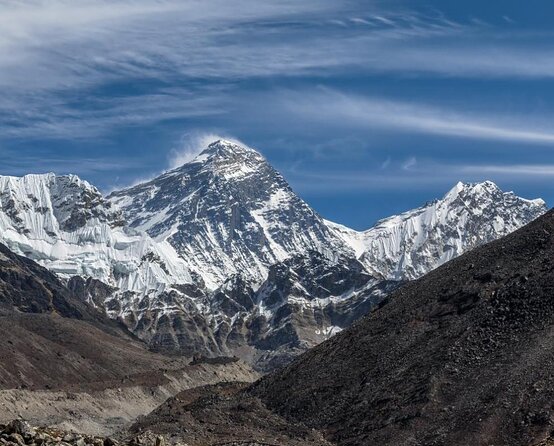
- Lukla flights included, so you spend your energy on walking, not paperwork
- Acclimatization built into the route, with a dedicated Dingboche rest and hike
- Gear provided (sleeping bag, down jacket, duffel bag) to reduce what you carry
- Meals are mostly covered, with 12 breakfasts, 12 lunches, and 11 dinners listed
- Guides named Buddhi and Pawan show up in feedback for supportive, safety-minded leadership
- Emergency helicopter arrangement is included, but it depends on having travel insurance
Other routes to Base Camp, side by side
Why Everest Base Camp Feels Different When It Is Guided
Everest Base Camp is not just a destination. It is a rhythm: altitude goes up, days get colder, your pace slows, and your head eventually clears. What makes this version of the trek feel realistic is that it is built around steady walking plus the kind of guidance that helps you make smart choices on fatigue and breathing.
You also get a guided cultural thread, not just summit chasing. You will pass monasteries, small towns, and tea stop moments that give you a sense of how Sherpa communities live with the mountains, not just admire them from a distance. If you like your big trips grounded in daily routine, this one fits.
The biggest “win” is support. In feedback, the leadership stands out for staying attentive and keeping everyone feeling safe through tough days, with names like Buddhi and Pawan repeatedly referenced.
Day 1 in Kathmandu: Your First Night Sets the Tone
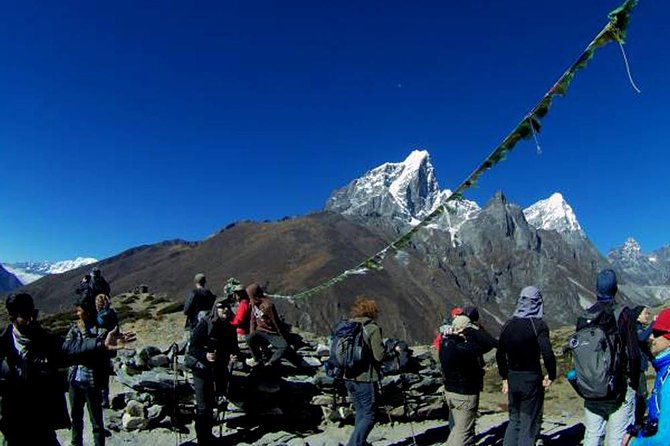
Your trek starts with an airport welcome in Kathmandu. After landing at TIA, a representative meets you and transfers you to the hotel arranged by Nepal High Trek & Expedition. You are then fed, with dinner included.
This matters more than you might think. The first day is when your body is still adjusting from travel, and your brain is busy figuring out boots, layers, and altitude gear. A proper arrival plan reduces stress, so the next morning you can head into the flight day with a calmer head.
A small detail I like: airport pickup and drop are included for domestic and international. That usually means less confusion with connections, especially if you land at a busy time.
Day 2: Kathmandu to Lukla Flight, Then Straight Into Trek Mode
After breakfast, you transfer to the Kathmandu domestic terminal to catch the scheduled morning flight to Lukla. Lukla is the launchpad for Everest Base Camp trekking, and the day has a simple purpose: get moving.
This is also the day where weather and schedules can tug at you. Small flights can be impacted, and the trek notes that any mountain expenses due to strike, delay, or canceled flight are your responsibility. So build patience into your mindset on day two, not anger.
Still, getting the flights bundled is a real value. You do not have to figure out separate tickets while also trying to pack for altitude.
Day 3: Phakding to Namche Bazaar, Bridges and First Real Views
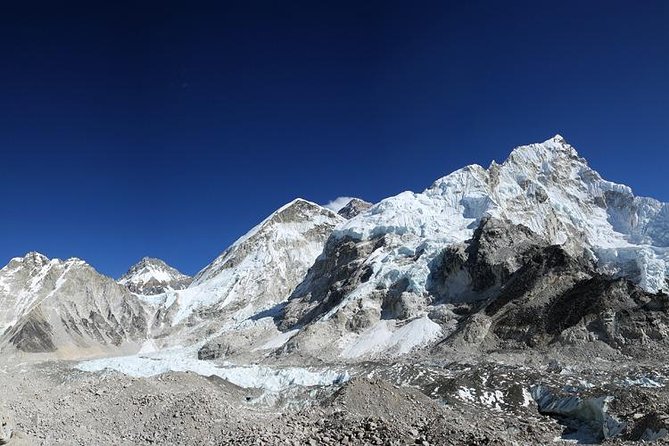
From Phakding, you walk upward, crossing suspension bridges over the Dudh Koshi River. You move slowly enough to absorb the views, and you get a glimpse of mountains like Mt. Thamserku (listed at 6618m).
Then you reach Namche Bazaar, the main hub for the region. This is where trekking turns social. You will see other hikers, shopkeepers, and travelers getting ready for what is next. If you want to buy a few odds and ends (batteries, snacks, or warm layers), Namche is where that “stuff” starts making sense.
The practical downside: even when the terrain is not the steepest, the altitude makes your breathing work harder. It is still a good day to focus on steady pacing, not speed.
Other lodge to lodge routes near Kathmandu
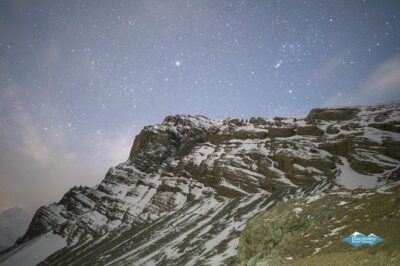
Day 4: Namche Bazaar Exploration and the Irish Pub Break
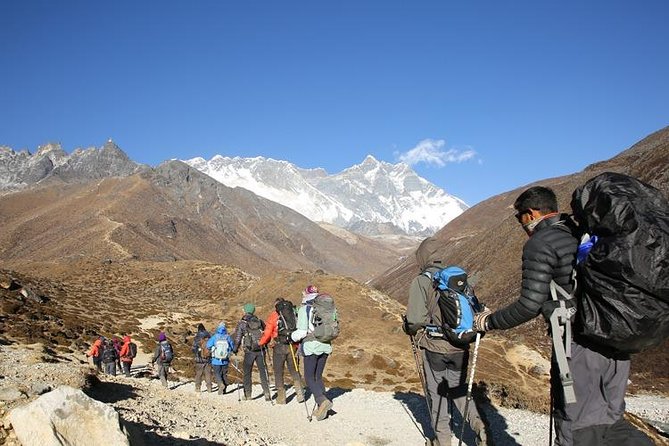
This day is slower on purpose. After breakfast, you spend time exploring the area around Namche Bazaar, with free moments for things like ATMs, banks, and internet cafés. The itinerary also lists a stop at an Irish Pub, which you can use as a warm, social break.
This is the day I recommend you treat like altitude training without calling it that. Your legs will feel better if you keep moving gently, wander thoughtfully, and resist the urge to overdo it with long side detours. Namche is useful because it is not only a town, it is a supply checkpoint for your next legs.
If you want the trip to feel smoother, day four is where you mentally transition from “arrival mode” to “trek routine.”
Day 5: Namche to Tengboche, Monasteries and Big-View Mornings
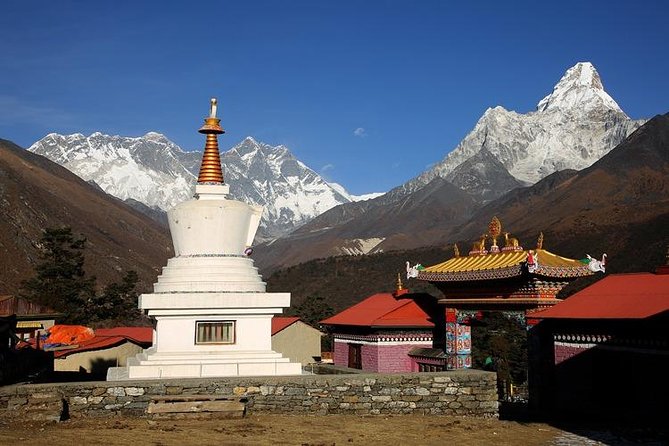
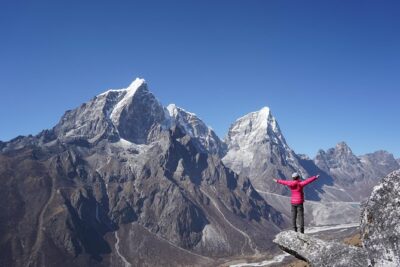
You trek from Namche following the cold breeze toward Tengboche Gompa. Early in the day, you are also set up for some serious mountain sightlines, with views of Everest, Nuptse, Lhotse, Amadablam, and surrounding ranges mentioned.
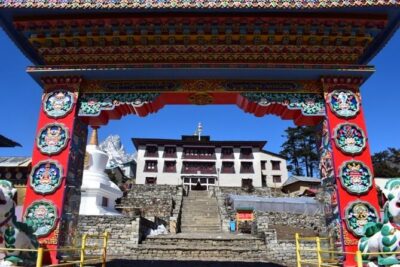
Tengboche is about more than photos. A monastery setting gives you a different kind of pause during the trek, a moment where the place feels spiritual instead of purely athletic. If you enjoy understanding how people live, not just conquering terrain, this stop lands well.
Downside: early mornings can be chilly, and the cold can make it harder to warm up mentally. Wear layers you can adjust quickly, and keep your head in the plan, not the discomfort.
Day 6: Tengboche to Dingboche Viewpoint, Then Onward
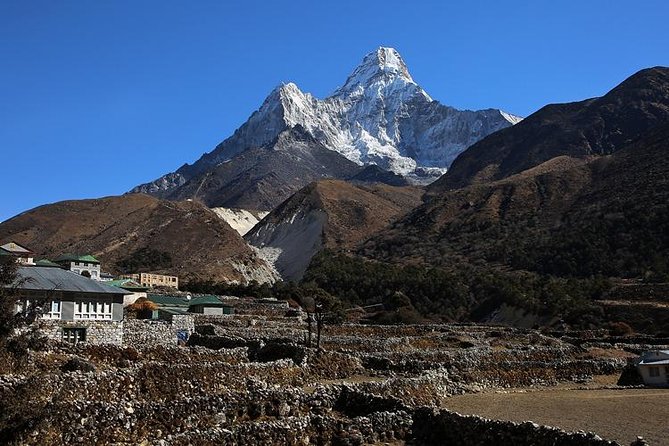
Today starts with a short visit to Tengboche and monasteries, then you begin trekking toward Dingboche, with a planned visit to a viewpoint. Expect a “white mountains” backdrop, plus photo moments.
Viewpoint days are a trick. You often get a lot of payoff quickly, but you also need to manage your energy so you do not burn fuel before the harder days. Think of it as a guided taste of reward, not a full victory lap.
Day 7: Dingboche Acclimatization Day, Short Hike for Real Breathing Control
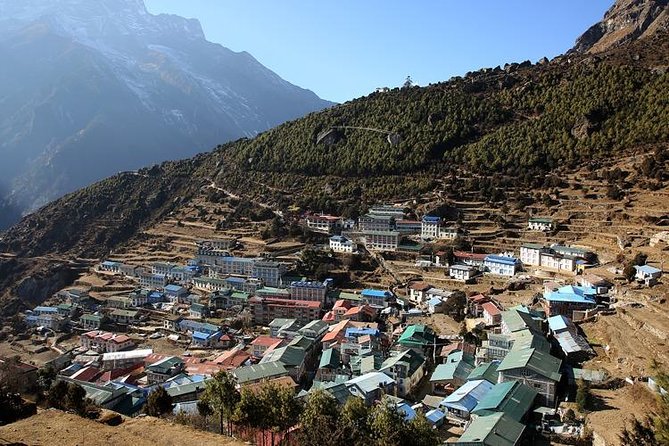
This is a key day: acclimatization. You spend time in Dingboche, then hike to Chhukung through Imja Khola valley. Views get highlighted again, especially Lhotse.
Acclimatization days are where you decide whether your trek will feel manageable or miserable. This kind of day teaches your body to handle altitude gradually. You are still walking, but at a controlled intensity, and you are not forcing a “tough equals good” attitude.
If you tend to push, day seven is your reminder to respect the altitude. Smart pacing is not weakness here. It is strategy.
Day 8: Along the Khumbu Glacier and Closer to Everest’s Work Zone
You continue walking along the lateral moraine of Khumbu Glacier. You pass stone memorials for climbers who perished during expeditions, then you climb toward Lobuche (the route description points toward that direction).
This is the day where the trek shifts emotionally. The scenery feels harsher, and the memorials bring a reality check. It can be sobering, and that is not a bad thing. It keeps the experience grounded and respectful.
Practically, glacier-near terrain can be uneven, and your footing matters. Take your time, use trekking poles if you have them, and accept that slow and steady is your friend.
Day 9: Gorak Shep to Everest Camp II Area, The Trail Narrows Into Awe
After breakfast, you march to Gorak Shep, then follow the trail that leads you toward Everest Base Camp. The outline also mentions Everest Camp II (2) as a stop, and the tone suggests you are moving through some of the most “headline” terrain of the trek.
Gorak Shep is high, and it often feels like you are living in a cold, rocky world. That is part of the appeal. This is where the trek stops feeling like hiking and starts feeling like altitude travel.
The drawback: high days compress your margin for error. If you go too fast, you pay for it later. If you go too slow, you can still feel it in the cold. This is where you lean on your guide’s pacing and your own breathing.
Day 10: Kalapatthar, Sunlight Through Clouds, and a Genuine Payoff Day
Today is described as the gist day. You trek earlier to Kalapatthar from Gorak Shep, and the goal is big: scintillating views as sun pierces clouds and reflects on the snow.
Kalapatthar is often a spiritual moment for trekkers because you feel the scale of the Himalayas and the effort you already put in. You do not just reach a place. You witness a horizon.
This day is physically demanding, mostly because it is early and because altitude makes everything slightly harder. Pack for cold, not just for “feels chilly.” Your hands and ears are the first to complain, so plan accordingly.
Day 11: Pheriche to Pangboche, Then Quiet Culture on the Way Down
From Pheriche, you take a slightly different route down toward Orsho, reaching Pangboche where you can explore the oldest monastery in the area. The description notes the monastery is said to contain scalp and bones of the abominable snowman.
Even if you treat that story as folklore, the point is that Pangboche feels like a living culture stop. You are not just burning calories, you are absorbing place.
Downside: going down can still be hard on knees. Warm up your legs before you start, and take downhill slowly.
Day 12: Pangboche to Namche Area, Then Lukla Valley Time With an Irish Pub Stop
You return toward Lukla via a route that brings you back through the region. The itinerary lists a stop labeled Irish Pub on the Lukla return approach, and you stay overnight at a guesthouse in Lukla.
This is a “breath and reset” day. You are coming out of the coldest, highest stretch, and you will likely feel both relief and a little emptiness because the daily hike is what has been structuring your days.
If you have been carrying a camera battery or want warm drinks, this is where it pays off. Use the time to drink up, rest, and keep your body warm overnight.
Day 13: Lukla Back to Kathmandu, Then Durbar Square Views
You fly back to Kathmandu and then head out for sightseeing, including Kathmandu Durbar Square. You also get panoramic views of the Kathmandu valley, depending on where you stop.
It is not a “rest of a vacation” day, but it is a good emotional landing. After walking at altitude, you get city light, sounds, and a different kind of air.
This is also where you can handle any missed purchases from earlier, like extra chargers or last-minute items for your return trip.
Day 14: Final Kathmandu Rest, Farewell Program, and Flight Out
After your night in Kathmandu, you pack your luggage and head to the airport, arriving about three hours before your flight. You also attend a small farewell program organized by the team.
The wrap-up is important because it reinforces that this is a service, not just a hike. Having an organized exit reduces stress when you are tired and your mind is already back home.
Price: What $1,799.27 Buys You, and What You Still Need to Plan
At $1,799.27 per person for a roughly 14-day trek, the big question is value. Here is what makes the number feel more reasonable than it might at first glance:
- Round-trip flights KTM to Lukla and back are included.
- Meals are heavily included (12 breakfasts, 12 lunches, 11 dinners).
- Permits and park fees are covered, including Sagarmatha National Park permit and Khumbu entrance fee, plus Pasang Lhamu rural municipality entrance fee.
- You get trekking gear support with a sleeping bag, down jacket, and duffel bag.
- You receive practical services like airport pickups, a guide from Kathmandu with a government license holder, and a medical kit box.
What can surprise you is what is not included. You still need to budget for travel and rescue insurance, Kathmandu hotel, porter cost, tipping for guide and porter, and extra mountain expenses if flights are delayed or canceled. So you should treat the listed price as the core trek package, not as a full end-to-end travel budget.
Also, the trek includes an emergency helicopter service arrangement that is paid by your travel insurance company. Translation: you do not want to show up without the right coverage.
What You Really Experience Each Day: Walking, Cold, and Culture Moments
If you are expecting a nonstop grind, you might be disappointed. The trek intentionally alternates effort with slower days and key breaks. Day four in Namche helps you acclimate to altitude and supplies. Day seven in Dingboche is a real acclimatization checkpoint with a hike to Chhukung. Day ten is the intensity spike with the Kalapatthar push.
Food helps you keep that balance. You get 12 lunches, and there are dinners most nights after the initial portion. That is helpful because you are not constantly searching for meals at high altitudes. You also get three cups of hot tea during the trek, which sounds small, but on cold mornings it is a morale boost.
Guiding quality is another huge factor. Based on the feedback patterns, the guides focus on care and keeping you safe through tough patches. People talk about support and positivity, and names like Buddhi and Pawan show up in this theme. That is what you want in the mountains, someone who can read the day and adjust.
Gear and Health: Practical Packing Tips for a Provided-gear Trek
Because sleeping bag, down jacket, and duffel bag are provided, you can pack lighter than many Everest treks that only offer a porter for your bags. Still, you should bring your own comfort and protection items because cold is personal.
Plan for hands and ears in particular. The route includes early mornings and a major early push to Kalapatthar. If you are the type who feels cold quickly, prioritize warm layers you can layer under the provided down jacket.
For boots, use what you know works. Do not start this trek with brand-new footwear unless you have a lot of prior walking experience in them. And pack sunscreen, lip balm, and sunglasses, because high altitude sun can be sneaky.
On the health side, you have acclimatization days built in, and that matters. But you still need to follow your guide’s pace. Altitude does not care how motivated you are.
Who Should Book This Everest Base Camp Trek, and Who Should Rethink
This trek fits best if you want:
- a structured 14-day Everest Base Camp route with acclimatization breaks
- included flights and permits so your planning effort is lower
- a tour style that feels like guided safety plus cultural stops
It might not fit if you:
- hate cold mornings and early starts
- have no interest in altitude pacing
- need a fully inclusive budget with hotel, porters, tipping, and insurance all wrapped into one
The trek also notes strong physical fitness is required, and it is a walking experience. Service animals are allowed, and it is a private tour where only your group participates, but altitude trekking itself is still the main barrier.
Should You Book This Everest Base Camp Trek with Nepal High Trek & Expedition?
My take: if you want a guided Everest Base Camp trek that reduces decision fatigue, this is a solid match. The included flights, permits, and gear help you keep the budget and logistics simpler, and the route’s acclimatization structure gives you a better chance to enjoy the hard days instead of just surviving them.
I would book if you already know you can handle long days on foot, cold temperatures, and the reality of high-altitude pacing. I would hesitate if you are unprepared for weather-driven uncertainty around flights, or if you are not ready to add costs like insurance, tipping, and porter support if needed.
If you want Everest without guesswork, and you value experienced, supportive guiding highlighted by names like Buddhi and Pawan, this itinerary deserves a place on your short list.
FAQ
How long is the Everest Base Camp trek on this tour?
The trek is listed as 14 days approximately, with a Day 1 start in Kathmandu and a return to Kathmandu by Day 13, then airport departure on Day 14.
Are flights between Kathmandu and Lukla included?
Yes. Both-way flight tickets are included for Ktm to Lukla and Lukla to Ktm.
What’s included for trekking gear and permits?
The tour includes a sleeping bag, down jacket, and duffel bag, plus permits and fees such as Sagarmatha National Park Permit and Khumbu Entrance Fee, and Pasang Lhamu rural municipality entrance fee.
Are meals included during the trek?
Yes. Meals are listed as 12 breakfasts, 12 lunches, and 11 dinners. The tour also includes three cups of hot tea during the trek.
What costs are not included?
Not included are travel and rescue insurance, the hotel in Kathmandu, porter cost, tipping for guide and porter, and any extra expenses in the mountains beyond the scheduled itinerary. Phone call, laundry service, battery recharge, bottled water, and hot water or shower costs are also not included.
Is cancellation free if I change my mind?
The policy says free cancellation is available. You can cancel up to 24 hours in advance of the experience for a full refund. If canceled due to poor weather, you’ll be offered a different date or a full refund.
Lodge to Lodge Around Kathmandu
The Rest of Our Kathmandu Write Ups
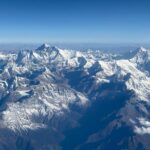
Base Camp, Three More Ways
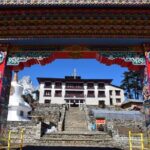
Everything else we have reviewed around Kathmandu
- 12 Days Everest Base Camp Trekking
★ 5.0 · 3 reviews - 1 Night 2 Days Chitwan Jungle Safari Tour from Pokhara or Kathmandu
★ 3.0 · 3 reviews - Thamel Rickshaw tour
★ 4.7 · 3 reviews - Kathmandu: Momo Making Class with a Local Chef
★ 5.0 · 3 reviews - Kathmandu: Full-Day Yoga, Body Massage and Pedicure Package
★ 5.0 · 3 reviews - From Kathmandu / Pokhara / Chitwan: River Rafting – 1 Day
★ 4.6 · 3 reviews
Everest Base Camp Treks worth a second look.
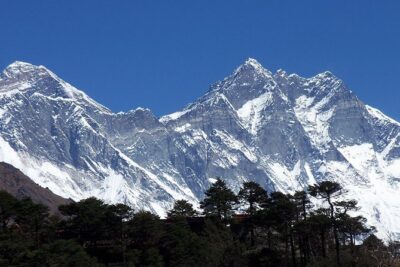 ★ 5.0Everest Base Camp Trek – 14 DaysFrom $1,8001,499 reviews
 ★ 5.0Everest Base Camp TrekkingFrom $1,350485 reviews
 ★ 5.0Everest Base Camp Trekking – 13 DayFrom $1,399365 reviews
★ 5.0Everest Base Camp Trek -14 DaysFrom $1,420321 reviews
★ 5.0Everest Base Camp Trekking – 13 DayFrom $1,399365 reviews
★ 5.0Everest Base Camp Trek -14 DaysFrom $1,420321 reviews
 ★ 5.0Everest Base Camp Trekking – 2025/2026From $1,339199 reviews
 ★ 5.0Everest Base Camp TrekFrom $1,408193 reviews
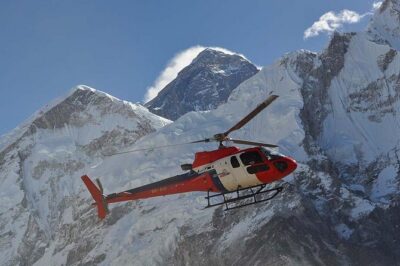 ★ 5.0Everest Base Camp Trek with Helicopter Return from Gorakshep to LuklaFrom $3,000161 reviews
14-Days Private Everest Base Camp TrekFrom $1,600152 reviews
★ 5.0Everest Base Camp Trek with Helicopter Return from Gorakshep to LuklaFrom $3,000161 reviews
14-Days Private Everest Base Camp TrekFrom $1,600152 reviews
Lists this tour sits in