
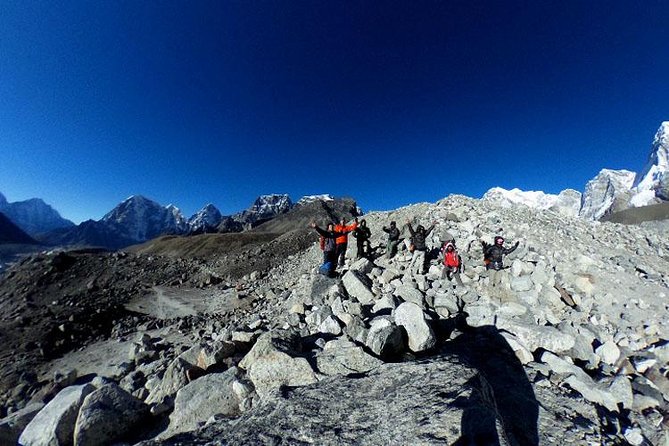
REVIEW · EVEREST BASE CAMP TREKS
Everest Base Camp Trek
Lukla flight day can make or break plans. This Everest Base Camp trek is built around included domestic airfare to Lukla and back, plus a government-licensed trekking guide to keep you moving safely through the Khumbu. I like that the route includes real acclimatization days, not just a straight grind upward, and the package also includes tea house lodging for your overnight stays. The big consideration is that Lukla flights can delay or cancel, so you should plan extra buffer time.
I also like the way the Kathmandu portion is handled, with three nights in a 3-star hotel and pickup help so you can focus on rest and paperwork instead of logistics. In the feedback I saw, coordination names like Bishnu and trekking leadership like Basu were praised for staying on top of details and keeping the group on track. It is not a luxury vacation, but it is a very practical way to get to Everest Base Camp without trying to piece together flights and lodges on your own.
In This Review
- Key things I’d notice right away
- Setting up in Kathmandu: Thamel, hotel comfort, and a real warm start
- Lukla flight and that first walking day toward Phakding
- Namche Bazaar: acclimatization with a useful day hike
- Tengboche and the monastery stop, with Ama Dablam in view
- Dingboche and Chukhung: the altitude test before the higher section
- Lobuche, Khumbu Glacier, and the long approach to the Everest area
- Gorak Shep to Everest Base Camp: expect cold, wind, and big feelings
- Pheriche, Pangboche, and the return rhythm back toward Namche and Lukla
- Kathmandu on the back end: time to recover and deal with the end-of-trip details
- Price, what’s included, and what you should budget beyond the headline cost
- Gear, insurance, and health reality checks for high-altitude trekking
- Who this Everest Base Camp trek fits best
- Should you book this Everest Base Camp trek with Himalayan Recreation Treks?
- FAQ
- What parts of the trip are included in the price?
- Are flights between Kathmandu and Lukla included?
- Where do we stay during the trek?
- How much free time do you get in Kathmandu?
- What altitude challenges should I plan for?
- Is travel insurance required?
- What trekking gear should I bring or arrange?
- What documents are needed for Nepal trekking permits?
Key things I’d notice right away
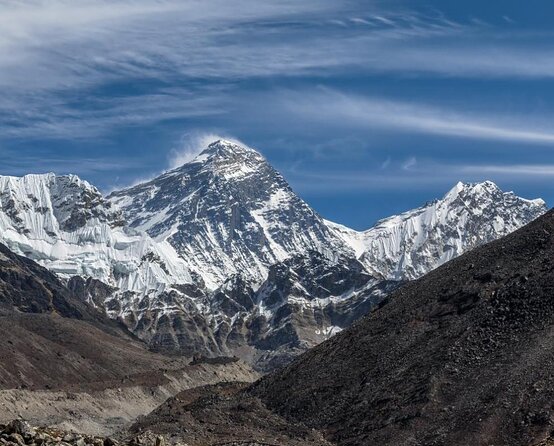
- Licensed trekking guide plus first aid basics to support you at demanding altitudes
- Round-trip Kathmandu to Lukla airfare included, plus airport tax
- 10 nights in tea houses so you do not need to hunt for lodging each stop
- 3 nights in Kathmandu at a 3-star hotel, with breakfast included on arrival and return
- Acclimatization built into Namche Bazaar and Chukhung timing so your body has a chance
- Small group size (max 8), with private group participation for your party
Other routes to Base Camp, side by side
Setting up in Kathmandu: Thamel, hotel comfort, and a real warm start
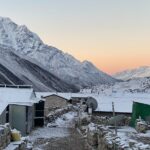
Your trip begins around Kathmandu and Thamel, the area where most trekkers get their bearings. The tour includes pickup support by private car, which matters on Day 1 because you will likely be carrying luggage, dealing with jet lag, and working through last-minute gear needs.
The package includes two nights in a 3-star hotel during the trek program, and the tour summary also describes three nights in Kathmandu. Either way, the intent is clear: you get time to settle, get organized, and recover before the flight to Lukla. I like that you are not shoved out the door immediately after arrival.
You also get a head start on the admin side. The operator lists exactly what permits documents you need, including passport photo copy, passport validity of at least 6 months, and two passport-size photos, plus occupation and home address details. This is the kind of thing that can turn into a scramble if you are doing everything yourself.
Lukla flight and that first walking day toward Phakding
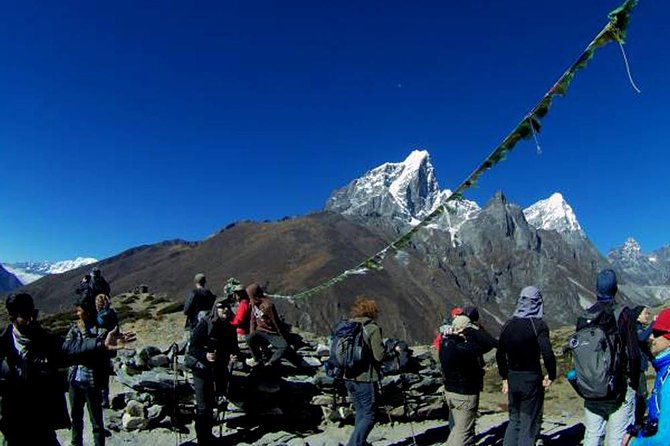
Lukla is where Everest treks start to feel real. The itinerary includes a flight from Kathmandu to Lukla (and back on the return side), and that is one of the most valuable parts of the package. Even if you are an experienced traveler, Lukla flights are their own world, with weather and schedules that can change.
On Day 2, after flying to Lukla, you trek to Phakding. This portion is a gut-check. You are not trying to win a race, you are learning how to walk while breathing a bit harder than normal, and you are getting your legs used to steps that feel different at altitude.
A practical detail: the tour includes a government-licensed guide with full facilities, plus a first aid kit. That does not remove the need to be careful, but it helps with decision-making, especially if someone in your group feels unwell early on.
Namche Bazaar: acclimatization with a useful day hike
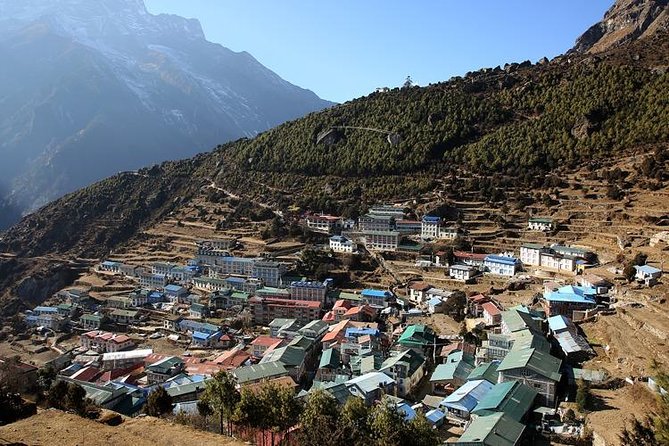
By Day 3, you reach Namche Bazaar, the main hub in the Khumbu. From here, the trek becomes less about simply moving forward and more about adjusting. The plan includes time that supports acclimatization, including a day in Namche and an optional-feeling side push to viewpoints.
On Day 4, you go up to Everest View Point. The point here is not just views, it is timing. A hike to a higher vantage while you still sleep in the Namche area helps your body adapt before you go higher. It is also the kind of day where you can set habits, pace your breathing, drink regularly, and avoid the urge to overdo it.
The upside is you get a real town stop with plenty of sights and comforts for a mountain place. The tradeoff is that Namche can feel busy, and you may notice food and drink costs rise. Since the package lists food and drinks as not included (about $350 per person), treat food budgeting as part of the plan, not an afterthought.
Tengboche and the monastery stop, with Ama Dablam in view
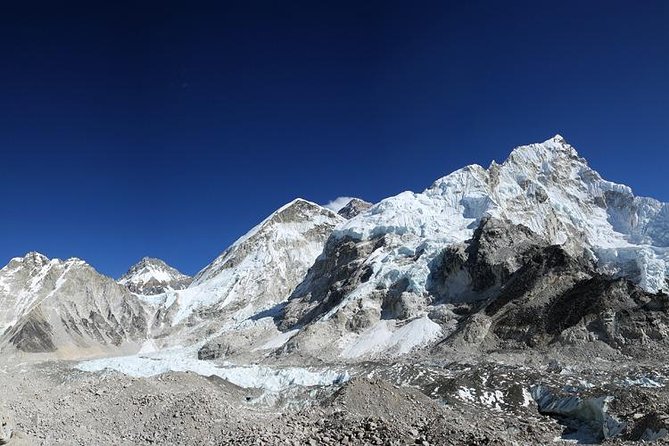
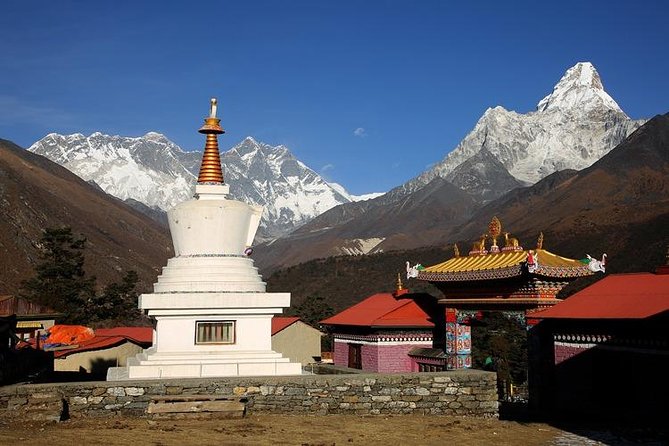
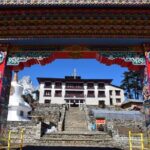
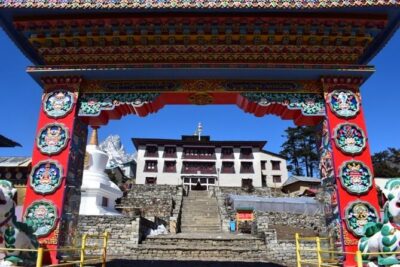
From Namche, you continue to Tengboche, and the itinerary includes time at Tengboche Gompa. This is one of those stops that adds cultural texture without turning the trek into a museum tour. The monastery stop gives you a break in the day where you can slow down, observe local mountain life, and appreciate how central faith is in these communities.
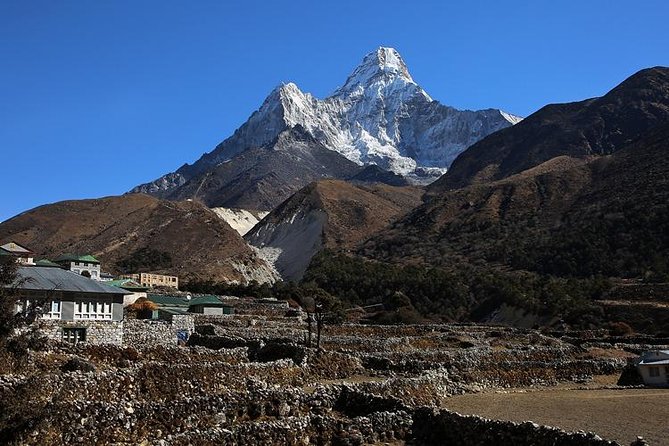
This is also where iconic peaks start to show more clearly, with the itinerary calling out views tied to Mt. Ama Dablam and Mt. Taboche along the way. Do not expect perfect weather every day, but when visibility hits, these are the moments you remember long after you stop counting steps.
The consideration here is cold and effort. Even when the day looks short on paper, higher elevations can make your body feel heavier. Your guide is responsible for pacing and safety, and that licensed support matters more on days that combine walking with a viewpoint stop.
Other lodge to lodge routes near Kathmandu
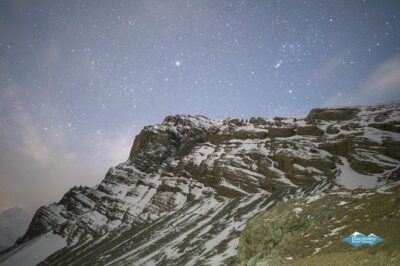
Dingboche and Chukhung: the altitude test before the higher section
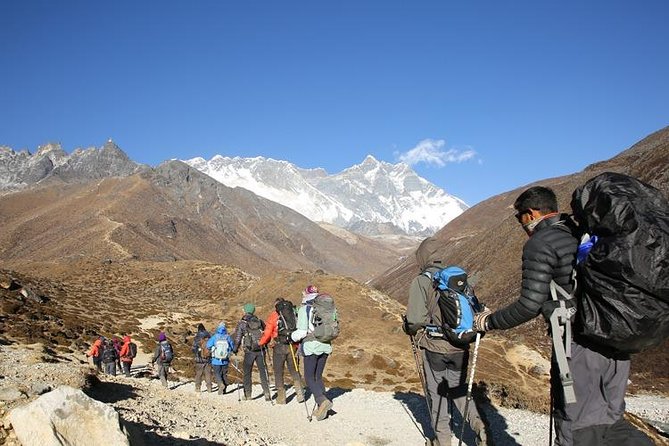
By Day 6 you reach Dingboche, and the plan continues upward. Dingboche is often where people start to feel the altitude shift more strongly, so having structured time at this elevation helps.
On Day 7, you head toward Chukhung. The itinerary wording also references getting a way to island peak, but what matters for you on this package is the side-trip effect: you are going higher in a controlled way and using that effort to acclimatize. This stage is where you should watch how your breathing feels, how you sleep, and how quickly you recover between short breaks.
Since the trip lists an altitude of about 5,364 meters (17,598 ft) as a demanding level with possible extreme weather, this part is not a time to push through stubbornly. Talk to your guide early if you have headaches, nausea, or trouble sleeping. The tour’s setup includes a guide with basic first aid training and awareness of nearby medical facilities, which is important if you need adjustments.
Lobuche, Khumbu Glacier, and the long approach to the Everest area
On Day 8, you reach Lobuche. This is a remote zone, and the terrain tends to feel more exposed. The itinerary includes Khumbu Glacier, which is the kind of reminder that Everest treks are not just scenic hiking, they are serious mountain travel.
This is also where your daily rhythm matters. The itinerary is built around tea house nights, which means you get predictable recovery and meals, but you still need to manage your own hydration and energy. Since food and drinks are listed as not included (with an estimated $350 per person), your comfort choices depend on how you budget and what you order.
Day 9 includes Mount Everest and takes you to Gorak Shep. Even if Everest Base Camp is the main target, the emotional and physical center of the trip starts here. You are higher, colder, and likely walking on terrain that feels more demanding underfoot.
Gorak Shep to Everest Base Camp: expect cold, wind, and big feelings
The itinerary places the Everest area on the Day 9 timing and then sets up the next day for the big viewpoint push. The key takeaway for you is that this part can feel harsh even when the distance is not huge.
On Day 10, the plan includes Kala Pattar. This is the signature move because it gives you a viewpoint option that many trekkers time for best light and visibility. Even when you do not get perfect weather, the effort feels worth it because you are still gaining altitude and perspective.
The tradeoff is the early start and the push upward in thin air. Kala Pattar can be tiring even if you kept a steady pace earlier. This is where you lean on the guide’s pacing and your own decision-making. If you are feeling unwell, the smart move is to slow down, not speed up.
Pheriche, Pangboche, and the return rhythm back toward Namche and Lukla
After Kala Pattar, the itinerary includes Pheriche – Dughlha Road and Pangboche. That means you are not just “coming down,” you are transitioning through multiple villages while you still manage altitude effects.
Day 11 heads back toward Namche Bazaar. Day 12 includes Lukla, and then you return to Kathmandu afterward. This stage is often psychologically tricky: you feel like you are almost done, but you also have cumulative fatigue in your legs and a lingering altitude memory in your head.
The good news is that the return days are also where you can take pride in steady progress. You already handled acclimatization earlier in the trek, so the return is more about endurance and comfort, not proving you can walk faster than the mountains.
Kathmandu on the back end: time to recover and deal with the end-of-trip details
Day 13 returns to Kathmandu, and the plan includes time with hotel comfort again. The itinerary is framed so you are not trekking straight through arrival day. That matters if you are managing lingering cold, fatigue, or mild altitude effects.
If you are trying to travel right after the trek, keep your schedule realistic. The trek involves domestic flights and an altitude environment, and the body often needs more than a single afternoon to reset.
Also note that the operator allows you to leave extra luggage at their office or hotel. That helps keep your trek pack lighter, which is wise when the tour recommends keeping weight under 22 lbs (10 kg).
Price, what’s included, and what you should budget beyond the headline cost
The price is $999 per person, and for an Everest Base Camp itinerary, the value is mostly in what it bundles. You get:
- Domestic airfare Kathmandu to Lukla and back, including airport tax
- Three nights in Kathmandu in a 3-star hotel, with breakfast described for Day 1 and Day 13
- 11 nights of tea house accommodation in the trek period
- A government license holder trekking guide with full facilities
- Taxes, VAT, and service charges
- First aid kit support and a Himalayas Recreation t-shirt
Food and drinks are not included, listed as $350 per person. Gratuities are also listed separately as $150 per person. So, a realistic “all-in” expectation for the purpose of planning looks closer to about $1,499 per person, before any optional upgrades or personal spending.
Here’s the practical way to think about value. If you book everything separately, Lukla flights, guides, and lodging add up quickly. This package reduces decision stress by bundling the big pieces and putting the guide team in charge of pacing and route flow.
Gear, insurance, and health reality checks for high-altitude trekking
This trek calls for a strong fitness level, and the tour flags altitude effects as a real possibility for anyone, regardless of age or gender. The planned high altitude exposure of about 5,364 meters is not just a number. It changes your breathing, sleep, and appetite, and it can make existing conditions worse.
You are expected to pack lightly. The tour recommends staying under 22 lbs (10 kg), and it explicitly says you carry your own luggage. The guide can help you arrange trekking gear in Kathmandu, either by buying or renting, so you are not forced to show up fully prepared.
Travel insurance is required, and it must cover medical expenses and emergency repatriation. The tour also asks you to show proof of insurance to the tour leader on the first day. If you skip this, you do not meet the stated participation requirements.
Who this Everest Base Camp trek fits best
This is a good match if you want an organized, guided EBC trek where the major logistics are handled: airfare, tea house lodging, and Kathmandu hotel time. It is also a strong pick if you prefer a small private group, since the maximum group size is 8 people per booking.
It is less ideal if you want a free-spirited do-it-yourself trekking style. This trip is structured for safety and pacing at altitude, and it expects you to follow guide decisions, especially around acclimatization.
If you are bringing a family member, note the minimum age is 8 years. The trip is still demanding, so it would make sense only if that child is truly ready for long trekking days and altitude exposure.
Should you book this Everest Base Camp trek with Himalayan Recreation Treks?
I’d book it if you want the practical benefits of a packaged EBC trek: Lukla airfare included, predictable tea house nights, Kathmandu hotel comfort before and after, and a licensed guide team with first aid support. The fact that guides named Bishnu and Basu show up in high feedback for staying on top of details is exactly the kind of thing I look for in mountain travel.
I would pause if Lukla flight timing is tight in your broader travel plan. Even with buffer suggestions from the operator, flight delays can ripple into your schedule, so build flexibility. Also, make sure you are medically ready for altitude and that you have insurance that covers emergency evacuation.
If you want Everest Base Camp as a guided, well-managed experience, with less stress about flights and lodging than DIY planning, this is a solid, value-minded way to do it. Just treat the trek as high-altitude travel, not casual hiking, and you will set yourself up for a trip you can be proud of.
FAQ
What parts of the trip are included in the price?
The package includes round-trip domestic airfare from Kathmandu to Lukla and back (with airport tax), tea house accommodation during the trek, and hotel stays in Kathmandu, plus pickup support. It also includes a government-licensed trekking guide, government taxes and service charges, and a first aid kit. Dinner and breakfast are listed as included for specific days.
Are flights between Kathmandu and Lukla included?
Yes. The itinerary includes domestic airfare for Kathmandu to Lukla and Lukla back to Kathmandu, including airport tax.
Where do we stay during the trek?
You stay in tea houses during the trekking portion. The tour summary describes three nights in Kathmandu and about 10 nights in tea houses.
How much free time do you get in Kathmandu?
You have multiple days in Kathmandu, including time in Thamel on the start side and a return day after the trek. The package includes three nights in a 3-star Kathmandu hotel.
What altitude challenges should I plan for?
The tour notes demanding altitudes of approximately 5,364 meters above sea level, with possible extreme weather. It warns that adverse health effects from altitude can happen to anyone and recommends discussing the trip with your doctor.
Is travel insurance required?
Yes. Travel insurance covering medical expenses and emergency repatriation is required, and proof of insurance must be shown to the tour leader on the first day.
What trekking gear should I bring or arrange?
You should pack as lightly as possible, and the tour recommends keeping your load under 22 lbs (10 kg). The guide can help you buy or rent required trekking gear in Kathmandu.
What documents are needed for Nepal trekking permits?
The tour lists a passport photo copy with color scan clarity, passport validity of at least 6 months, two passport-size photos, and details like occupation and home address.
Lodge to Lodge Around Kathmandu
The Rest of Our Kathmandu Write Ups
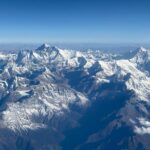

Base Camp, Three More Ways
Everything else we have reviewed around Kathmandu
- 12 Days Everest Base Camp Trekking
★ 5.0 · 3 reviews - 1 Night 2 Days Chitwan Jungle Safari Tour from Pokhara or Kathmandu
★ 3.0 · 3 reviews - Thamel Rickshaw tour
★ 4.7 · 3 reviews - Kathmandu: Momo Making Class with a Local Chef
★ 5.0 · 3 reviews - Kathmandu: Full-Day Yoga, Body Massage and Pedicure Package
★ 5.0 · 3 reviews - From Kathmandu / Pokhara / Chitwan: River Rafting – 1 Day
★ 4.6 · 3 reviews
Everest Base Camp Treks worth a second look.
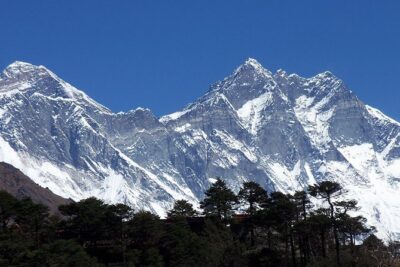 ★ 5.0Everest Base Camp Trek – 14 DaysFrom $1,8001,499 reviews
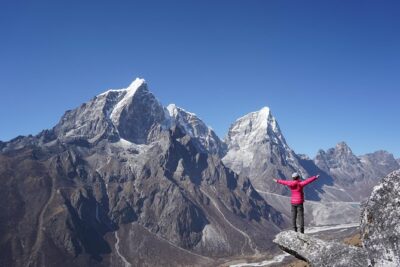 ★ 5.0Everest Base Camp TrekkingFrom $1,350485 reviews
 ★ 5.0Everest Base Camp Trekking – 13 DayFrom $1,399365 reviews
★ 5.0Everest Base Camp Trek -14 DaysFrom $1,420321 reviews
★ 5.0Everest Base Camp Trekking – 13 DayFrom $1,399365 reviews
★ 5.0Everest Base Camp Trek -14 DaysFrom $1,420321 reviews
 ★ 5.0Everest Base Camp Trekking – 2025/2026From $1,339199 reviews
 ★ 5.0Everest Base Camp TrekFrom $1,408193 reviews
 ★ 5.0Everest Base Camp Trek with Helicopter Return from Gorakshep to LuklaFrom $3,000161 reviews
14-Days Private Everest Base Camp TrekFrom $1,600152 reviews
★ 5.0Everest Base Camp Trek with Helicopter Return from Gorakshep to LuklaFrom $3,000161 reviews
14-Days Private Everest Base Camp TrekFrom $1,600152 reviews
Lists this tour sits in