
REVIEW · EVEREST BASE CAMP TREKS
Everest Base Camp Trek
Everest Base Camp is a long trek, but the story starts easy. In 14 days you fly into Lukla, work your way through Sherpa country, and spend the final stretch chasing classic Everest views, icefall drama, and that famous sunrise at Kala Patthar.
Two things I really like are the tight 14-day structure with an acclimatization day in Namche, and the way the route builds in cultural stops like Sherpa Museum and monasteries in Tengboche and Pangboche. One consideration is that Lukla flights can be weather dependent, so you should expect schedule changes if conditions turn rough.
In This Review
- Key Highlights You’ll Care About
- From Kathmandu to Lukla, This Trek Starts With Real Setup
- Day 1: Kathmandu Near Thamel and the Pre-Trek Checklist
- Day 2: Lukla Landing and the First Trail Into Phakding
- Day 3: Namche Bazaar, the Sherpa Hub You Actually Need
- Day 4: The Acclimatization Day in Namche (Where Smart Trekking Happens)
- Day 5: Tengboche for Mountain Views and Monastery Calm
- Day 6 and Day 7: Dingboche and a Real Rest Day
- Day 8: Lobuche, Memorials, and the Khumbu Glacier Moraine Feeling
- Day 9: Everest Base Camp, Icefall Views, and the Weight of Place
- Day 10: Kala Patthar at 5,550m, the Everest Sunrise Goal
- Day 11 and Day 12: Downhill Into Sherpa Country and Back to Namche and Lukla
- Day 13 and Day 14: Flying Out of Lukla, Then Dropping Back Into Kathmandu
- What You Actually Get for Around $1,300
- Guides and Porter Support: The Human Advantage on Tough Days
- Flight Reality: The One Thing That Can Change Your Timeline
- Who This 14-Day Everest Base Camp Trek Fits Best
- FAQ
- FAQ
- How long is the Everest Base Camp trek?
- Where does the trek start and where do you return to?
- Is airport pickup included?
- Are the flights to Lukla included in the price?
- What meals are included during the trek?
- How large is the group?
- What happens if you need to cancel?
- Should You Book This Everest Base Camp Trek?
Key Highlights You’ll Care About
- Lukla to Phakding to Namche gives you a steady start before the higher-altitude days
- An acclimatization day in Namche Bazaar helps your body handle the climb
- Monastery and museum time in Tengboche and Namche adds real Sherpa context
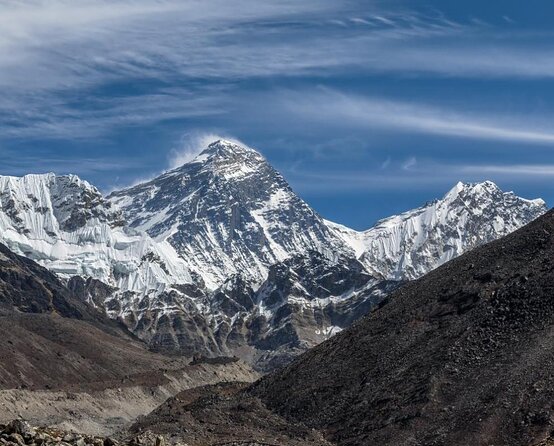
- Kala Patthar at 5,550m is built in for the best Everest dawn viewing chance
- Small group size, max 8 trekkers means less chaos on narrow paths
- Guides with real people skills show up in trip accounts, including calm coaching and hands-on support
Other routes to Base Camp, side by side
From Kathmandu to Lukla, This Trek Starts With Real Setup
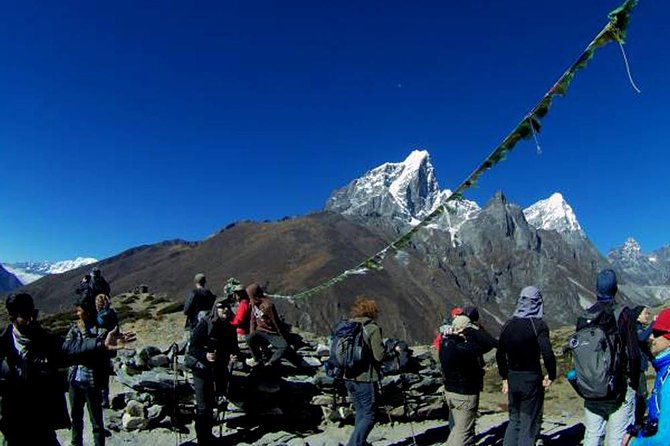
This trip doesn’t throw you straight into thin air. Day 1 is Kathmandu, with pickup from the airport, a hotel near Thamel, and a pre-trip meeting so you’re not guessing what happens next. That matters. On trek day, you want your paperwork and mental checklist already sorted.
The second key step is the flight to Lukla. It’s one of the most famous parts of the whole Everest region, and it also sets the tone: you’ll feel like you’re entering a different world before your boots even hit the trail. If weather and local factors behave, it’s a short flight that saves you days of hike time.
Day 1: Kathmandu Near Thamel and the Pre-Trek Checklist
Day 1 is simple and useful. You land, get picked up, and drive to your Kathmandu hotel near Thamel. Then you meet the team and go over the plan for the next day.
I like this format because it gives you time to:
- confirm details with your guide and group
- handle last-minute needs in Thamel without rushing
- sleep in a real bed before the big logistics start
One practical note: Kathmandu is your place to prepare, not your place to cram. If you need gear help or shoe tweaks, this is when you’ll have the most breathing room.
Day 2: Lukla Landing and the First Trail Into Phakding
You fly from Kathmandu (or Ramechhap) to Lukla, then trek to Phakding for your first overnight. The walking segment is short and village-focused, including a stroll northwest of Phakding, plus time to explore the community.
This is a smart first trek day. You’re not racing altitude yet, and you’re getting used to:
- thin-air breathing during hiking (even if it doesn’t feel intense yet)
- the rhythm of trail life, tea houses, and simple routine
Also, the itinerary includes the fun-but-real suspension bridge crossings early on later, so getting a gentle start helps.
Day 3: Namche Bazaar, the Sherpa Hub You Actually Need
Day 3 climbs to Namche Bazaar, following the western banks of the Dudh Koshi. You’ll cross two tiny suspension bridges along the way, and you’ll feel the terrain start to change.
Namche isn’t just a stop. It’s the Everest region’s cultural and practical hub. Here’s what makes it valuable on a trek like this:
- you’re surrounded by Sherpa life and everyday mountain culture
- you have services that make a long hike possible
- you start meeting other trekkers, so the mental game feels less lonely
Other lodge to lodge routes near Kathmandu
Day 4: The Acclimatization Day in Namche (Where Smart Trekking Happens)
Day 4 is your acclimatization day in Namche Bazaar, at 3,440m. This is one of the best design choices in the whole itinerary because it reduces the odds of your body panicking when altitude rises again.
You also get a couple of meaningful options. You can visit places like the Sherpa Museum, described as a terrific place to learn about Sherpa culture and mountaineering history, and then settle back into your lodge.
Two things I really like about this day:
- You’re not just “staying put,” you’re building context for where you’re going.
- It’s timed right, so you’re more ready for higher elevations after Namche.
Day 5: Tengboche for Mountain Views and Monastery Calm
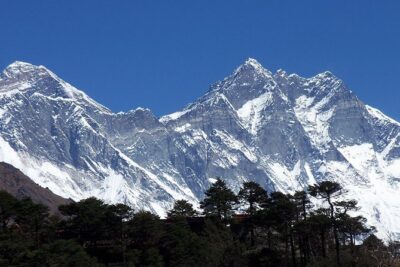
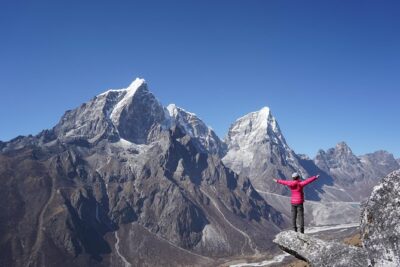
Day 5 takes you up toward Tengboche, with a higher-level path above the Dudh Koshi. The route includes amazing mountain views, including Everest, Nuptse, Lhotse, Thamserku, and Kwang, as the day describes.
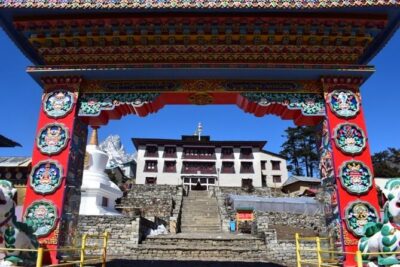
The big payoff here is Tengboche and the monastery atmosphere. The itinerary highlights a serene time at Charming Tengboche Monastery. Even if you’re not a big monastery person, you’ll probably appreciate the pause. After days of walking, it’s a chance to slow down, look around, and soak in how Sherpa spiritual life connects to the mountains.
Day 6 and Day 7: Dingboche and a Real Rest Day
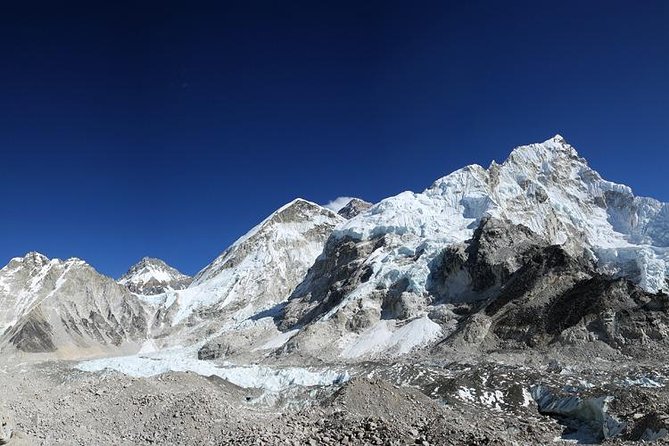
Day 6 heads to Dingboche. Along the way you hike through rhododendron forests and meadows, plus you pass key spiritual stops like the Buddhist nunnery at Deboche before continuing toward the Imja Khola area.
Day 7 is then a day off in Dingboche. The itinerary makes it clear you can relax, and if you don’t want a full rest you can choose a day walk in the area. This matters because your route is building toward Lobuche and Everest Base Camp, where fatigue and altitude can start to gang up on you.
This is also where the guide quality shows up. In trek accounts associated with this trip, guides like Ram are praised for keeping people calm and focused when things get tough mentally. That kind of support can turn a rest day into a useful reset rather than a frustrating wait.
Day 8: Lobuche, Memorials, and the Khumbu Glacier Moraine Feeling
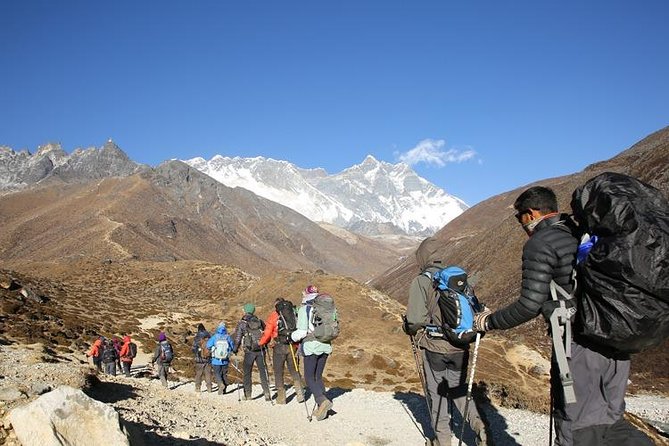
Day 8 takes you to Lobuche via the Dughla village area. It includes a hill crossing with memorials to Sherpas who lost their lives on Everest trips. That part hits harder than most people expect.
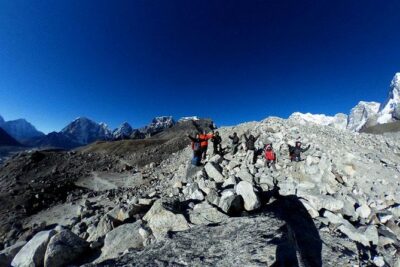
After that, you move along the Khumbu Glacier moraine, with viewpoints like Kalar Pattar and Pumori mentioned. It’s the kind of day where your legs are doing one thing, but your brain is doing another, you’re thinking about the scale of what you’re walking toward.
Day 9: Everest Base Camp, Icefall Views, and the Weight of Place
Day 9 is the big arrival day. After lunch, you head toward the Khumbu Icefall and Everest Base Camp. The trail crosses stony dunes, moraines, and streams, then you reach Base Camp.
The itinerary includes touring the base camp and glacier area. You’ll see the stark reality of the region where climbs happen, not just the postcard version of Everest.
Then you continue to Gorak Shep for the overnight. Expect a smaller climb early in the day, described as starting with a small incline that becomes steeper for about 30 minutes, followed by a descent to Gorak Shep. This is a common pattern on these routes, so it’s good you’re warned by the itinerary structure.
Day 10: Kala Patthar at 5,550m, the Everest Sunrise Goal
Day 10 is built around Kala Patthar at 5,550m, described as the place that offers the most breathtaking Everest dawn views. Your guide schedules the climb time, and the itinerary notes it can take about two hours to reach the famous viewpoint after breakfast.
This is the day that many people remember most, but it also demands discipline. You’ll likely be cold, you’ll feel altitude, and you’ll want to move carefully. The best way to handle it is steady pacing, not speed.
After the sunrise and viewing, you descend to Gorak Shep, have breakfast, then head back toward Pheriche for the overnight.
Day 11 and Day 12: Downhill Into Sherpa Country and Back to Namche and Lukla
Day 11 returns through the Pangboche monastery area. The itinerary points out Pangboche as the oldest monastery in the region, and that it’s open for visits when you arrive. Then you descend via Tangboche toward Phungithanka and continue trekking to reach Namche Bazaar for the night.
Day 12 is a long trekking day back toward Lukla, including mountain vistas and Sherpa hamlets. The itinerary specifically mentions a walk past the wonderful mountain scenery and a descent to the Hilary suspension bridge, then reaching Lukla for the overnight.
By this point, your body knows the routine. What changes is your mental posture. Instead of thinking only about reaching Everest, you start noticing the journey you’re leaving behind.
Day 13 and Day 14: Flying Out of Lukla, Then Dropping Back Into Kathmandu
Day 13 focuses on the return flights. The itinerary includes flying from Lukla by plane, and then flying to Ramechhap during busy season, when Kathmandu airport traffic can push the route that way.
Day 14 finishes with transfer to Tribhuvan International Airport. You’re free on the final day to start additional adventures or head home.
That last day is underrated. After a trek like this, you want a clean finish, not extra scrambling.
What You Actually Get for Around $1,300
At $1,300, this trek can look steep until you break down what’s included.
You’re paying for a bundle that covers the most expensive and difficult parts of Everest logistics:
- flights for you, either KTM to Lukla to KTM, or via Ramechhap in peak season
- flight coverage for your guide
- 2 nights in Kathmandu on a bed and breakfast plan at Hotel Kailash Kutee or similar
- meals on trek days, with breakfast (13), lunch (11), and dinner (11) plus breakfasts and dinners handled as part of the plan
- airport pickup on arrival and final departure
You’re also getting a group max of 8 trekkers, which can reduce the fee pressure that comes with smaller private tours.
My honest take on value: this isn’t a “cheap Everest.” But if you want a smoother, more managed experience around the flights, meals, and day-to-day structure, the price looks more reasonable.
Guides and Porter Support: The Human Advantage on Tough Days
Everest trekking is hard enough without extra stress. In trek accounts tied to this route, support from guides and porters comes up again and again.
Names that show up in accounts include Ram, Amer, Bishnu, Rajesh, Prakash, and Gore. The themes are practical:
- calm coaching when you’re overthinking
- hands-on help, like fixing shoe issues
- steady motivation on tough stretches
- family-friendly patience, including ways to keep a younger trekker engaged
That matters because the itinerary includes long hike days and high-altitude moments like Kala Patthar. When your body is tired, your brain starts looking for problems. A good guide helps you keep the plan simple: one step, then the next.
Flight Reality: The One Thing That Can Change Your Timeline
The itinerary is clear about how you start and end, but it also quietly admits the key challenge: flights into and out of Lukla depend on weather and local conditions.
So here’s how you should think about it: don’t book this trip expecting everything to happen like a movie. Build flexibility into your own schedule and be ready for the possibility of shifting flight timings.
If your flights do get canceled due to poor weather, the trip also states you’ll be offered a different date or a full refund. That doesn’t erase disappointment, but it does protect your booking.
Who This 14-Day Everest Base Camp Trek Fits Best
This trek is a strong match if you want:
- a classic Everest Base Camp route with a clear acclimatization plan
- culture time, not just walking time, through places like Sherpa Museum and monasteries
- a guided experience with group support (max 8 people)
The trip says it’s suitable for travelers with moderate physical fitness. That’s the honest framing. You’re still hiking daily at increasing altitude, but the itinerary design supports acclimatization and pacing.
It’s also a good fit for people traveling with family, because guides in accounts are described as attentive and patient with different needs.
FAQ
FAQ
How long is the Everest Base Camp trek?
The tour is about 14 days.
Where does the trek start and where do you return to?
It starts in Kathmandu, Nepal, and you fly in and out of Lukla, then return to Kathmandu for the final day.
Is airport pickup included?
Yes. The package includes drop and pickup from the airport on arrival and on final departure.
Are the flights to Lukla included in the price?
Yes. Flight tickets for clients are included for KTM-Lukla-KTM or Ramechhap-Lukla-Ramechhap, and the guide’s flight is also included. Drive to Ramechhap on peak season is mentioned.
What meals are included during the trek?
The package includes breakfast (13), lunch (11), and dinner (11), plus 2 nights of accommodation in Kathmandu on a bed and breakfast plan.
How large is the group?
The trek has a maximum of 8 travelers.
What happens if you need to cancel?
You can cancel up to 3 days in advance of the experience for a full refund.
Should You Book This Everest Base Camp Trek?
If you want the classic Everest Base Camp experience with built-in acclimatization, meaningful Sherpa culture stops, and organized flight planning, this is a solid choice. The structure is practical, the group size stays small, and the inclusion of flights and meals helps you avoid lots of annoying add-ons.
I’d say go for it if you can handle daily hiking and you’re okay with the one wildcard of Lukla flight weather. If that uncertainty would stress you out too much, then either plan extra buffer time around your travel days or be ready to be flexible with dates.
If you’re ready to trade convenience for a real Himalayan adventure, this 14-day route is a strong way to do it.
Lodge to Lodge Around Kathmandu
The Rest of Our Kathmandu Write Ups

Base Camp, Three More Ways
Everything else we have reviewed around Kathmandu
- 12 Days Everest Base Camp Trekking
★ 5.0 · 3 reviews - 1 Night 2 Days Chitwan Jungle Safari Tour from Pokhara or Kathmandu
★ 3.0 · 3 reviews - Thamel Rickshaw tour
★ 4.7 · 3 reviews - Kathmandu: Momo Making Class with a Local Chef
★ 5.0 · 3 reviews - Kathmandu: Full-Day Yoga, Body Massage and Pedicure Package
★ 5.0 · 3 reviews - From Kathmandu / Pokhara / Chitwan: River Rafting – 1 Day
★ 4.6 · 3 reviews
Everest Base Camp Treks worth a second look.
 ★ 5.0Everest Base Camp Trek – 14 DaysFrom $1,8001,499 reviews
 ★ 5.0Everest Base Camp TrekkingFrom $1,350485 reviews
 ★ 5.0Everest Base Camp Trekking – 13 DayFrom $1,399365 reviews
★ 5.0Everest Base Camp Trek -14 DaysFrom $1,420321 reviews
★ 5.0Everest Base Camp Trekking – 13 DayFrom $1,399365 reviews
★ 5.0Everest Base Camp Trek -14 DaysFrom $1,420321 reviews
 ★ 5.0Everest Base Camp Trekking – 2025/2026From $1,339199 reviews
 ★ 5.0Everest Base Camp TrekFrom $1,408193 reviews
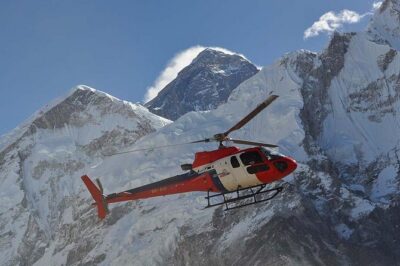 ★ 5.0Everest Base Camp Trek with Helicopter Return from Gorakshep to LuklaFrom $3,000161 reviews
14-Days Private Everest Base Camp TrekFrom $1,600152 reviews
★ 5.0Everest Base Camp Trek with Helicopter Return from Gorakshep to LuklaFrom $3,000161 reviews
14-Days Private Everest Base Camp TrekFrom $1,600152 reviews
Lists this tour sits in