
REVIEW · EVEREST BASE CAMP TREKS
Everest Base Camp Trek
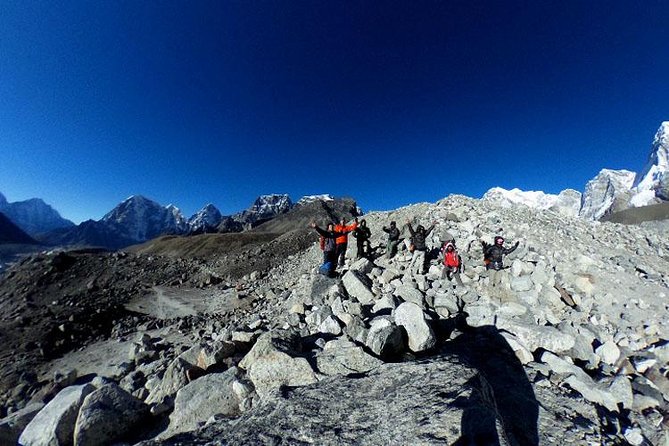
Everest Base Camp is the trek you measure everything else against. This one takes you through classic Khumbu stops like Namche Bazaar, Tengboche monasteries, and high-altitude nights in tea houses, then pushes you to the Everest viewpoints most people dream about.
What I like most is the human support built into the plan. You get an experienced guide, plus porter help at a 1 porter for 2 people ratio, which matters when your legs are busy and your water bottle is getting heavier every day. The second big win is how the trip handles the big moments, from the Lukla flight to the Kala Patthar sunrise timing that makes the whole Everest section feel real.
The main consideration is altitude and logistics. Flights into Lukla can be delayed or canceled due to weather, and while they will try to reschedule, the trek still runs on a tight rhythm around those air connections, so plan for flexibility.
In This Review
- Key things that make this Everest Base Camp trek work
- Why Everest Base Camp stays famous, even after thousands of treks
- Kathmandu first, because the trek starts before you walk
- Lukla: the quick flight that controls your whole schedule
- Day-by-day: what each trekking stop is doing for you
- Phakding to Namche Bazaar, the climb and the first big horizon
- Namche acclimatization, where the trek teaches your lungs
- Namche to Tengboche, the monasteries and the spiritual pause
- Tengboche to Dingboche, higher and more exposed
- Dingboche acclimatization, then onward to Lobuche
- Lobuche to Everest Base Camp via Gorakshep, the rewarding grind
- Kala Patthar sunrise-style views, then down to Pheriche
- Return down through Namche and Lukla
- The guide and porter system, and why Pradip shows up in the stories
- Price and value: $1,500 with real inclusions
- Electricity, water, and small realities that make or break comfort
- What you should pack, based on how the trek is set up
- Who this trek suits best
- Should you book this Everest Base Camp trek?
- FAQ
- What is the meeting time and location in Kathmandu?
- Does the package include airport transfers?
- How are flights to Lukla handled, and what if they are delayed?
- Are meals included during the trek?
- What kind of accommodation do you get in Kathmandu and on the trek?
- Is there porter support, and what will I carry?
- Is there a single supplement option?
- Is travel insurance included?
Key things that make this Everest Base Camp trek work
- Guides with real mountain experience: Past trips have highlighted Pradip (also called Master Zi) for safety, route confidence, and spotting wildlife along the way.
- A trekking rhythm built for acclimatization: Rest days in Namche Bazaar and Dingboche help you climb higher without rushing.
- Tea house comfort where it counts: Lodge stays are included throughout the trek, and Kathmandu is handled with 3-star standard hotels.
- Porter support for your main luggage: You carry a day pack while porters manage the heavier bag system.
- Everest Base Camp plus Kala Patthar: You don’t just reach Base Camp, you also go high for the famous panorama from Kala Patthar.
- Support for flight problems: If Lukla flights get canceled, the operator can reschedule, and helicopter options are mentioned as a last resort.
Other routes to Base Camp, side by side
Why Everest Base Camp stays famous, even after thousands of treks
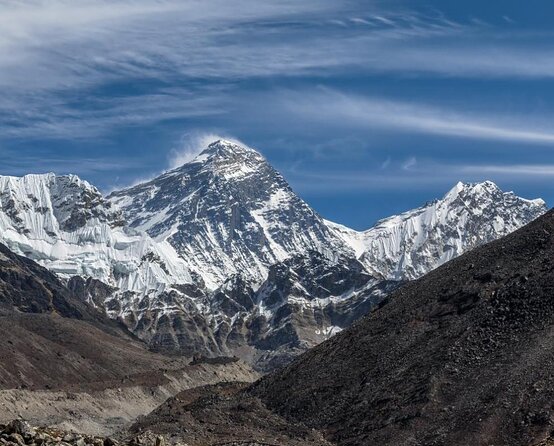
This is the mother of all Nepal treks for a reason: the trail is long enough to teach you patience, and the altitude is high enough to strip away distractions. In under two weeks, you go from Kathmandu’s bustle into a Sherpa world where daily life revolves around weather, altitude, and prayer flags moving in the wind.
You also get the classic Khumbu progression. The trek doesn’t just throw you at Everest. It steps you upward through settlements like Namche Bazaar, then spiritual stops like Tengboche, then the drier, more severe high country around Dingboche and Lobuche. By the time you reach the Everest section, you understand what you are actually standing on.
And yes, the views are the payoff. But the bigger value is how the scenery changes with altitude, and how you feel the difference in air and effort as days pass.
Kathmandu first, because the trek starts before you walk
Your trip begins in Kathmandu with an airport pick-up and a transfer to a hotel. You have two nights in the city, which is not just a random add-on. That time lets you settle, confirm details, and adjust your body after the long flight.
Expect 3-star standard accommodation with attached bathrooms and hot water, plus A/C in Kathmandu. That matters because you’ll want sleep that isn’t interrupted by cold showers or thin blankets.
Another practical plus is that they offer a meeting and greeting at the airport if you share your international flight details. Someone will be waiting with your name, then you go straight to the hotel or coordinate meeting time if you handled your Kathmandu lodging on your own.
If you like things organized, this is where you’ll feel it. One pre-trip contact highlighted as professional is Niti, with communication that kept questions answered.
Lukla: the quick flight that controls your whole schedule
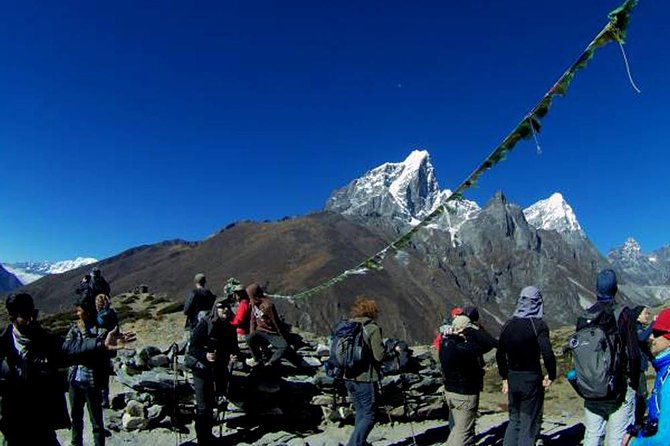
Lukla is the gateway altitude, and getting there by air is the difference between a reasonable trek and a much longer one. You’ll take an early flight from Kathmandu to Lukla and then start trekking onward, typically reaching Phakding for your first real walking night.
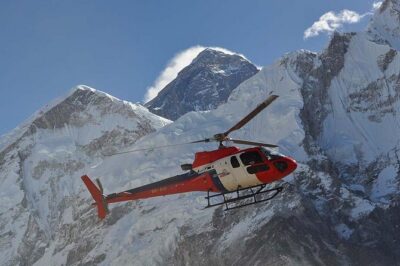
This is where your “be flexible” mindset needs to kick in. The operator notes that if a Lukla flight is canceled or delayed, they will reschedule your flight for the following day, based on availability. They also mention helicopter options as a last resort, at your expense, if a group needs help starting or ending on the planned dates.
That doesn’t mean the trek is risky. It means the trek is real-world, not fantasy-world. Weather is weather.
Day-by-day: what each trekking stop is doing for you
Other lodge to lodge routes near Kathmandu
Phakding to Namche Bazaar, the climb and the first big horizon
After Lukla you trek to Phakding, then climb to Namche Bazaar around 3,440 meters. This is the first altitude bump that helps you learn how your body reacts on the way up.
Namche is more than a town. It’s a central hub where tea houses, shops, and viewpoints let you see what Khumbu life looks like. Once you arrive, you can’t treat this like a normal hike. You move slower. You drink more. You breathe with intention.
Namche acclimatization, where the trek teaches your lungs
On the following day you stay in Namche for acclimatization. This is one of the most important parts of the whole itinerary. It reduces the odds of feeling wrecked later by giving your body time to adjust before you go higher toward Tengboche.
If you want one simple acclimatization tip: use the rest day to keep moving lightly. You’ll still feel tired sometimes, but staying totally still can sometimes make you feel worse than careful, easy walking.
Namche to Tengboche, the monasteries and the spiritual pause
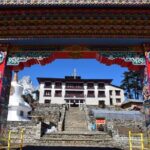
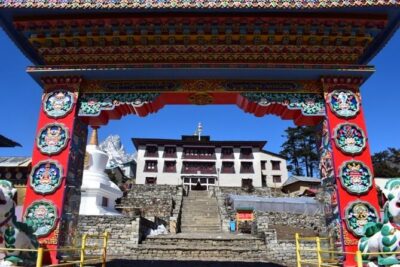
Then you climb to Tengboche around 3,867 meters. This is a strong day for atmosphere because Tengboche is famous for monastery culture, and the area often feels quieter and more ceremonial than the busier market stops.
The value here is balance. You’re working hard, but you’re also absorbing the place, which helps the trek feel meaningful instead of just painful. For many people, this is where the trip becomes more than exercise.
Tengboche to Dingboche, higher and more exposed
Next is a move to Dingboche around 4,260 meters. The change at this point is noticeable. The air feels thinner and the terrain can feel rougher depending on the season and conditions.
This leg is a classic “keep your effort steady” day. Don’t race. Walk like you’re testing your body, not proving a point.
Dingboche acclimatization, then onward to Lobuche
You spend another acclimatization day in Dingboche. This matters because you’re heading toward higher elevations like Lobuche, where you’ll be around 4,930 meters.
Then the itinerary pushes you from Dingboche toward Lobuche, with a lunch stop around Dugla mentioned in the schedule. This segment is where the high-country feeling really takes over, with colder nights and more rocky surroundings.
Lobuche to Everest Base Camp via Gorakshep, the rewarding grind
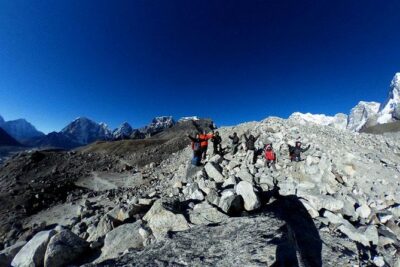
The next phase goes from Lobuche toward Gorakshep and up to Everest Base Camp at about 5,364 meters. You come in via Gorakshep around 5,140 meters.
This is often the most satisfying day on the map because it’s the first time your effort clearly connects to the Everest payoff. It’s also a day where you will feel every choice you made earlier about pacing, water, and rest.
Kala Patthar sunrise-style views, then down to Pheriche
After Base Camp, you move to Kala Patthar at about 5,545 meters, then continue to Pheriche around 4,243 meters. Kala Patthar is the “top the view with one more step” moment.
Even if you already saw Everest at Base Camp, Kala Patthar changes the angle and the scale. It also helps you understand why climbers chase routes up high. You don’t just look at Everest. You see what it means to be above most of the surrounding world.
Return down through Namche and Lukla
On the way back you work downhill to Namche Bazaar and then to Lukla, before flying to Kathmandu. The return days still include walking time and altitude fatigue, but downhill is usually a relief for breathing even if your knees feel the difference.
In Kathmandu, they include drop-off back to Tribhuvan International Airport when you depart.
The guide and porter system, and why Pradip shows up in the stories
This trek runs on more than legs. It runs on people who can read the mountain and manage the pace.
The package includes an experienced helpful guide and porters. You get a clear porter structure, and you carry only what you need for the day, like your day pack, water bottle, camera, sunscreen, and extra layers.
Porter capacity is one of the biggest value levers on this kind of trek. If your main luggage is being handled, you’ll walk more comfortably, and you’ll waste less energy on discomfort.
On the guidance side, Pradip, also referred to as Master Zi in past trip stories, is repeatedly connected with strong mountain experience and support, including spotting wildlife along the trek. Another highlight in the same set of stories is that your guide keeps you feeling safe and well informed in difficult terrain.
One more name that comes up in planning support is Hari, associated with arranging the best guide for at least some groups. Add that together and you get a picture of a team that doesn’t just hand you a route. They manage the experience day by day.
Price and value: $1,500 with real inclusions
At $1,500 per person, the big question is what you get for the money. In this case, you get more than a basic booking.
Included items that matter:
- Airport transfers in Kathmandu by private vehicle
- Two nights in Kathmandu at a 3-star standard hotel
- Lodge or tea house accommodations during the trek
- Guide and porter support, including porter ratio and pay
- TIMS card fees and an official system for trek management
- First aid medical kit
- Meals on trek days, including 14 breakfasts, 11 lunches, and 11 dinners
- Insurance coverage for the guide and porter
- Taxes and official expenses
What you still pay for:
- Travel insurance of your own
- Alcoholic and non-alcoholic drinks (tea house water and basic options are handled differently than paid drinks)
- Meals in Kathmandu outside the trek days
- Tips and snacks, plus souvenirs
- Entrance fees while you do Kathmandu activities, with an approximate range of about $25 mentioned
Is this expensive? For Everest Base Camp, $1,500 is in the “serious but not outrageous” category when you consider how much is baked into the price: guide support, porter work, lodging, and meals. The trek would cost more if you tried to piece it together on your own while also paying for safety and paperwork.
One extra cost consideration is gear weight. Nepal domestic airlines allow 15 kg including your hand bag. If you exceed that, you pay for excess weight.
Electricity, water, and small realities that make or break comfort
This trek is remote enough that basics can be annoying. The operator notes there is electricity available in some villages, and some areas have solar power. Battery charging is sometimes available, but it may not be free, so bring spare batteries.
Water is another key reality. Normal water is available for free, but they recommend you carry water purification pills. You can buy bottled water or boiled water along the way if you prefer.
I always suggest you pack purification pills even if you think you’ll be brave. Your schedule matters, and the easiest plan is the one you can repeat every day.
What you should pack, based on how the trek is set up
The luggage system assumes you travel with a main bag carried by porters. That means you’ll want to travel light, and keep your must-use items in a day pack.
A practical approach:
- A day pack for water, snacks, camera, sunscreen, and an extra layer
- A warm jacket and gloves for colder mornings near the high section
- A basic first aid and altitude comfort kit, beyond the included first aid pouch
- Water purification pills
- Spare camera batteries, since charging can be limited and may cost extra
Also consider that accommodation is in tea houses and local lodges. Rooms can be basic. You are paying for the convenience of being fed and sheltered, not for luxury.
Who this trek suits best
This is best for travelers with strong physical fitness and a willingness to walk steadily for many days at altitude. It is also a good match if you want Sherpa culture stops, spiritual moments, and the Everest experience in a structured timeline.
It is less ideal if you want total freedom to change every day. The itinerary works because it’s designed around acclimatization and key Everest timings, including high passes and the Kala Patthar viewpoint day.
Group size is capped at 15 travelers, which is a nice middle ground. You’re not in a huge crowd, but you still have a shared trekking feel.
Should you book this Everest Base Camp trek?
If you want a classic Everest Base Camp trek that combines solid logistics, porter support, and a guide who knows how to keep you safe, this is a strong choice. The inclusions are meaningful: lodging, most meals, airport transfers, and trek paperwork support.
I would book it if:
- You like structured pacing with acclimatization built in
- You want help with the heavy lifting, literally
- You’re okay with tea house conditions and paying extra for drinks and a few upgrades
I’d think twice if:
- You hate schedule changes caused by flight weather
- You’re not ready for altitude and slow walking days
- You expect luxury rooms during the trek (it’s clean and comfortable, but it is still the Himalaya)
If you do book, one smart move is to confirm your flight details early for that Kathmandu meeting and greeting. It’s a small thing that makes your first day feel calmer.
FAQ
What is the meeting time and location in Kathmandu?
You’ll meet at Tribhuvan Airport in Kathmandu, with a start time listed as 5:30 am.
Does the package include airport transfers?
Yes. It includes airport pick-up and drop-off by private car/van/bus in Kathmandu.
How are flights to Lukla handled, and what if they are delayed?
You fly from Kathmandu to Lukla and return by early flight. If a Lukla flight is canceled or delayed, they will reschedule for the following day if possible. They also mention helicopter options as an alternative if needed, with helicopter cost paid by the traveler.
Are meals included during the trek?
Yes. Breakfast is included for 14 days, lunch is included for 11 days, and dinner is included for 11 days during the trek. Meals in Kathmandu while you are not on trek are not included.
What kind of accommodation do you get in Kathmandu and on the trek?
In Kathmandu, accommodation is at a 3-star standard hotel with attached bath and A/C, and hot water. During the trek, you stay in lodges and tea houses.
Is there porter support, and what will I carry?
You travel with a guide and porters. The plan includes 1 porter for 2 people, and you carry a day pack while your main luggage is carried by porters.
Is there a single supplement option?
Yes. Single supplement accommodation is available on request for an additional $200.
Is travel insurance included?
No. Travel insurance is not included. Your own travel insurance is recommended, especially because the itinerary depends on Lukla flights and they mention helicopter costs tied to flight cancellation coverage.
Lodge to Lodge Around Kathmandu
The Rest of Our Kathmandu Write Ups

Base Camp, Three More Ways
Everything else we have reviewed around Kathmandu
- 12 Days Everest Base Camp Trekking
★ 5.0 · 3 reviews - 1 Night 2 Days Chitwan Jungle Safari Tour from Pokhara or Kathmandu
★ 3.0 · 3 reviews - Thamel Rickshaw tour
★ 4.7 · 3 reviews - Kathmandu: Momo Making Class with a Local Chef
★ 5.0 · 3 reviews - Kathmandu: Full-Day Yoga, Body Massage and Pedicure Package
★ 5.0 · 3 reviews - From Kathmandu / Pokhara / Chitwan: River Rafting – 1 Day
★ 4.6 · 3 reviews
Everest Base Camp Treks worth a second look.
 ★ 5.0Everest Base Camp Trek – 14 DaysFrom $1,8001,499 reviews
 ★ 5.0Everest Base Camp TrekkingFrom $1,350485 reviews
 ★ 5.0Everest Base Camp Trekking – 13 DayFrom $1,399365 reviews
★ 5.0Everest Base Camp Trek -14 DaysFrom $1,420321 reviews
★ 5.0Everest Base Camp Trekking – 13 DayFrom $1,399365 reviews
★ 5.0Everest Base Camp Trek -14 DaysFrom $1,420321 reviews
 ★ 5.0Everest Base Camp Trekking – 2025/2026From $1,339199 reviews
 ★ 5.0Everest Base Camp TrekFrom $1,408193 reviews
 ★ 5.0Everest Base Camp Trek with Helicopter Return from Gorakshep to LuklaFrom $3,000161 reviews
14-Days Private Everest Base Camp TrekFrom $1,600152 reviews
★ 5.0Everest Base Camp Trek with Helicopter Return from Gorakshep to LuklaFrom $3,000161 reviews
14-Days Private Everest Base Camp TrekFrom $1,600152 reviews
Lists this tour sits in