
REVIEW · EVEREST BASE CAMP TREKS
Everest Base Camp Trek
That first look at Everest region mountains is a gut-check. This trek pairs iconic scenery with real high-altitude practice, including Ama Dablam and Namche Bazaar stops. It’s built for people who want the Everest dream without turning the trip into a logistics scramble.
I like two things a lot. First, the trip runs as a private experience, so you’re not sharing your pace or your guide time with strangers. Second, the human side matters here, and the guides come through, like Sau Bir Rai keeping things organized and manageable, Roshan arranging accommodation, food, and transport during busy season, and Dipak staying friendly and attentive.
One drawback to plan around: the tour price does not include your accommodation and meals on the trek, plus drinks and expected guide tips. In other words, you’ll need extra cash on top of the $990.
In This Review
- Key highlights
- Everest Base Camp trek: what you’re really signing up for
- A quick reality check on the pace
- The 12-day outline: Ama Dablam views, then Namche acclimatization
- Private means flexible within reason
- Ama Dablam: the mother’s necklace stop you’ll remember
- What to do while you’re there
- Namche Bazaar: where altitude makes the rules
- Why acclimatization stops change everything
- Expect a mountain-town transition
- Logistics and included items: what the $990 actually covers
- What’s not included, and why it matters
- My value take
- Guides make it feel doable: Sau Bir Rai, Roshan, Dipak, Dil, Arjun
- What to watch for in your own guide fit
- Fitness, altitude, and keeping the trek fun
- Acclimatization is the real secret weapon
- Off-season note if you’re flexible
- Price and value: is $990 a good deal?
- Who this is best for
- Should you book this Everest Base Camp trek?
- FAQ
- What does the $990 price include?
- Are permits and entrance fees included?
- What is not included in the tour price?
- Do I need strong fitness for this trek?
- Is this a group tour with other people?
- Where does the trek start in Kathmandu?
- What are the cancellation terms?
Key highlights
- Domestic flight and airport transfers included: you start and end the trip with less hassle.
- Namche Bazaar acclimatization focus: this is where your body learns the new altitude rhythm.
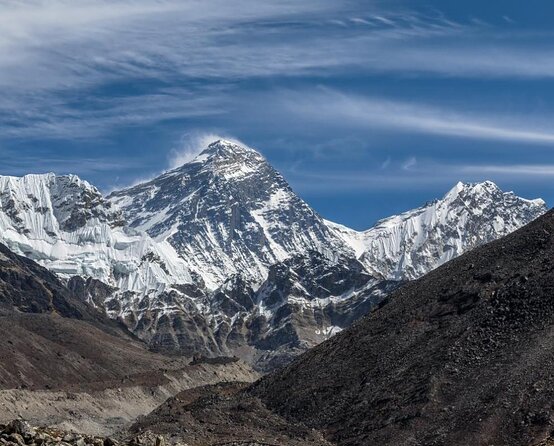
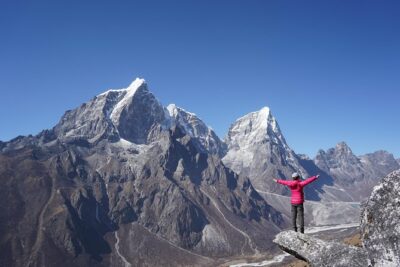
- Ama Dablam stop on the Khumbu Valley route: you’ll see the famous mother’s necklace profile up close.
- Private group experience: your guide can adjust pacing without compromise.
- Guides who handle logistics well: from accommodation and food planning to day-to-day care.
- Permits and entrance fees covered: fewer paperwork headaches before you hike.
Other routes to Base Camp, side by side


Everest Base Camp trek: what you’re really signing up for
Everest Base Camp is not just a destination. It’s a process. You’ll be trekking in a place where mountaineers and trekkers come from all over to start their high-altitude journey, and the whole region has that mix of ambition and careful preparation.
What makes this trek especially interesting is the way it blends big-picture wonder with practical altitude thinking. You’re not only walking toward a famous viewpoint. You’re also building time to adjust, and you do that at Namche Bazaar, the classic gateway and acclimatization stop in the Everest region.
I also like how the trek signals what matters most for most people: mountain views plus a structured flow. Ama Dablam, called mother’s necklace because of its striking shape, is one of the stars of the Khumbu Valley. Then you shift to Namche, where you’re learning how your body responds before you push higher.
A quick reality check on the pace
This kind of trek is physically demanding. The tour notes a strong fitness level requirement, which is fair. You’re walking day after day at altitude, and you’ll feel it even if you’re a regular hiker.
So I’d go in with a simple goal: show up ready to work, and let your guide manage the tempo.
The 12-day outline: Ama Dablam views, then Namche acclimatization
Your trip runs about 12 days, and it starts in Kathmandu, where the meeting point is Adventure Treks Nepal P. Ltd in Thamel Marg. From there, the plan includes a domestic flight, plus airport transfers arrival and departure.
The itinerary highlights two specific stops. You’ll spend time with Mt. Ama Dablam, and you’ll reach Namche Bazaar, described as the gateway to Everest Base Camp trekking and the key step for acclimatization.
Here’s why those two stops matter.
Ama Dablam is a dramatic technical-looking peak in the Khumbu Valley. Even if you’re not a climber aiming for summit routes, the mountain’s shape and prominence hit you fast. It’s also a reminder that this is the Himalaya, not a casual sightseeing circuit.
Namche Bazaar is where you slow down and let altitude catch up, in a smart way. The region’s big elevations make acclimatization non-negotiable, and Namche is the standard checkpoint that gives your body time to adapt before continuing.
Private means flexible within reason
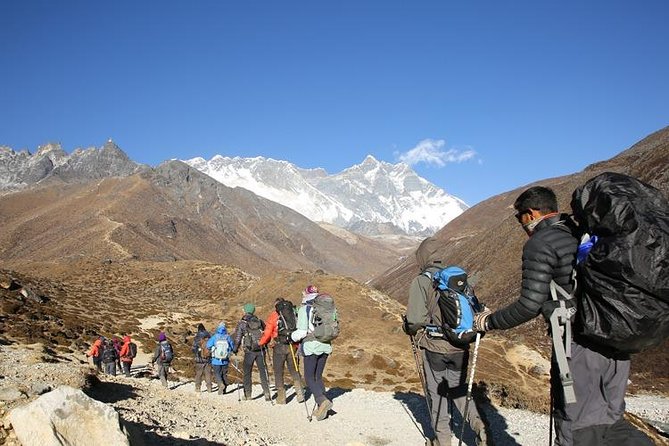
This is a private tour/activity, meaning only your group participates. That typically helps when you’re tired, when weather shifts, or when your guide wants to adjust day-to-day pacing. You still follow a trek plan, but you’re not stuck with a one-size-fits-all group rhythm.
Other lodge to lodge routes near Kathmandu
Ama Dablam: the mother’s necklace stop you’ll remember
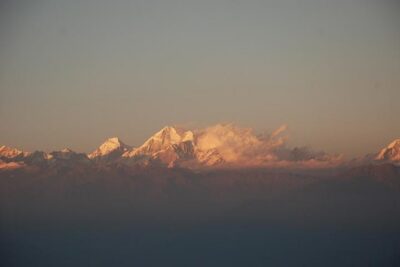
Mt. Ama Dablam is the headline peak in the Khumbu Valley section of this trek. It’s known for its iconic shape, and the nickname mother’s necklace comes from how its features line up visually. The mountain is also described as a major goal for climbers who like steeper and more technical terrain.
In a trek context, this stop does two things.
First, it gives you a powerful visual anchor. Once you see a famous peak like this in person, Everest region geography stops feeling abstract.
Second, it helps you understand the style of mountaineering that defines the area. Even if you’re only going as far as Base Camp, Ama Dablam’s reputation tells you you’re in serious terrain.
What to do while you’re there
Bring patience and a camera mindset. With these famous peaks, the light can change fast, and your best views often come when you slow down long enough to let the mountain reveal itself.
Also, keep your energy for the later climb days. It’s easy to overspend your stamina on photo stops.
Namche Bazaar: where altitude makes the rules
Namche Bazaar is described as the gateway to Everest Base Camp and the most important step for acclimatization in high-altitude trekking. That’s not marketing speak, it’s the main job of this stop.
In practical terms, Namche gives you a controlled chance to adjust before you push further. You’re not just building distance. You’re building tolerance for altitude, so your body handles the higher elevations with less drama.
Why acclimatization stops change everything
A lot of people underestimate acclimatization because they think it’s just about rest. It’s more than that. It’s about how you handle the day after a higher elevation.
When the tour highlights Namche as the key step, it tells you the organizer understands that success on this kind of trek comes from timing, not ego.
Expect a mountain-town transition
Namche is also the moment when the trek starts to feel like it has its own culture and pace. You’ll go from big-city travel mode in Kathmandu to a mountain rhythm where walking and adjusting are the main activities.
Logistics and included items: what the $990 actually covers
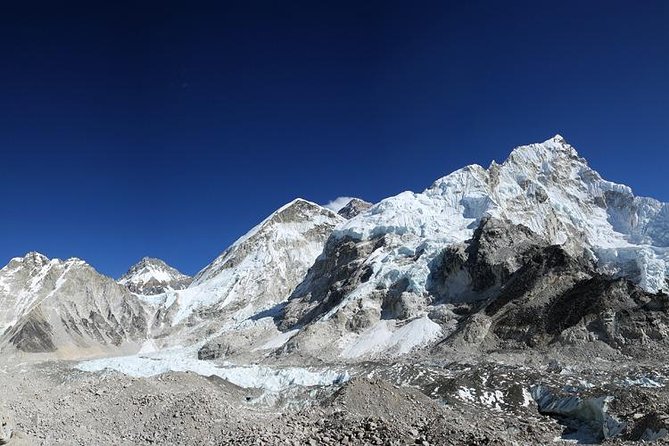
This trek is priced at $990 per person and runs about 12 days. The most useful part is what’s included, because logistics can eat your energy before you even start climbing.
Included highlights:
- Domestic flight
- Necessary permits and entrance fees
- Guide salary, guide food, guide equipment, and guide insurances as part of the trip cost
- Airport transfer services arrival and departure, including domestic flight
That’s a lot of the heavy lifting you don’t want to DIY, especially if you’re not already comfortable coordinating in Nepal.
What’s not included, and why it matters
Not included items are important because they affect your real budget:
- Beverages
- Tips (including tips for the trek guide, which are expected)
- Your travel insurance
- Personal and nature expenses
- International flights and Nepal visa fee
- Accommodation and food of the guest
Also, note the difference between guide needs and your needs. The tour states guide equipment and guide insurances are included. It does not say your personal trekking gear is included, and it clearly does not include your accommodation and food.
My value take
For $990, the domestic flight plus permits and entrance fees are big-ticket items that reduce risk. You’re paying for structure. You’re also paying for a guide team that handles key parts of the plan.
If you already have travel insurance and you’re budgeting for your own meals and lodging, this price can feel fair. If you’re hoping it covers everything on the ground, you’ll want to rethink and add those costs up early.
Guides make it feel doable: Sau Bir Rai, Roshan, Dipak, Dil, Arjun
On high-altitude treks, the guide is not a background detail. They influence pacing, confidence, and how smoothly the day-to-day logistics work.
The guide stories tied to this operator are the sort of details that matter when the trip gets tiring. One person praised guide Sau Bir Rai as very experienced and said he made everything seem easy. That’s a big deal on Everest Base Camp, where the work is constant and the mind can wander toward fear or doubt.
Another solo trekker highlighted Roshan, saying he organized accommodation, food, and transport even during a busy season. That’s the kind of support that prevents small problems from turning into big stress.
Dipak was described as friendly and attentive, and the group also said they could adapt the plan along the way, which suggests the guide was willing to respond to real conditions rather than forcing a rigid script.
There’s also planning-stage support mentioned by people who worked with Dil, plus care from Arjun for a family trek, including medical-related needs during the journey.
What to watch for in your own guide fit
The best guide support feels quiet and practical. You should notice:
- clear answers to questions
- help with daily pacing
- a calm approach when you’re tired
- logistics that don’t fall apart the first time the schedule shifts
If you see those signs early, you’ll relax faster.
Fitness, altitude, and keeping the trek fun
The tour specifically says travelers should have strong physical fitness. That’s the right kind of honesty. Everest Base Camp is not a walk in the park, and the altitude makes ordinary exertion feel sharper.
So I’d plan training in a simple way:
- Build stamina so you can keep walking daily
- Train on hills if you can
- Practice gear you’ll actually use (shoes, layers, day pack)
Acclimatization is the real secret weapon
Because Namche Bazaar is built into the plan as the key acclimatization step, you have a structured chance to adjust. Still, your day-to-day behavior matters. If you push too hard early, you can sabotage the rest of your trip.
Let your guide set a pace you can sustain. Drink enough. Eat what you can. And keep your expectations realistic: your goal is progress, not a personal best.
Off-season note if you’re flexible
One trek experience shared that going in December meant cooler weather and trails that felt emptier. Another person referenced busy season logistics. Translation: the weather and crowd level can change your day, so if you’re flexible, you might find a timing sweet spot that suits your style.
Price and value: is $990 a good deal?
Let’s talk value like grown-ups.
At $990 per person, you’re paying for:
- domestic flight
- permits and entrance fees
- guide salary, guide food, guide equipment, and guide insurance
- airport transfers
- private group setup
You are not paying for:
- international flights and visa fee
- your accommodation and food
- beverages
- travel insurance
- personal expenses
- tips, which are expected
So the real question is how much you trust the organizer to handle the moving parts. The included items suggest they’re taking the administrative and travel logistics seriously, especially with airport transfers and the domestic flight.
Who this is best for
This trek is a strong fit if:
- you want private guidance instead of a group shuffle
- you prefer someone else handling major logistics
- you’re comfortable budgeting extra for meals, lodging, drinks, insurance, and tips
If you’re looking for a one-price package where you only bring yourself and a backpack, this might feel incomplete because accommodation and food for you are not included.
Should you book this Everest Base Camp trek?
I’d book if you want structure and real support. The combination of domestic flights, permits, airport transfers, and a private guide setup is the backbone you want before you commit to 12 days in the Everest region.
I’d hesitate if your budget is tight for on-the-ground costs, because your accommodation and food are not included. I’d also double-check your travel insurance situation, since that is not included in the package.
Finally, look closely at the guide fit once you’re assigned. The operator’s reputation in this dataset is tied to guides who organize well and care about how you feel each day, from Sau Bir Rai’s experience to Roshan’s logistics during busy season and Dipak’s attentiveness.
If you pick your timing well, train for the hike, and respect acclimatization, this can be a classic Everest trip without turning your vacation into a stress project.
FAQ
What does the $990 price include?
It includes the domestic flight, necessary permits and entrance fees, and the guide’s salary, food, equipment, and insurances as part of the trip cost. It also includes airport transfer services for arrival and departure, including the domestic flight.
Are permits and entrance fees included?
Yes. Necessary permits and entrance fees are included in the tour price.
What is not included in the tour price?
Not included are beverages, tips, your travel insurance, and personal or nature expenses. International flights and the Nepal visa fee are also not included, and accommodation and food for you are not included.
Do I need strong fitness for this trek?
Yes. The tour states that travelers should have a strong physical fitness level.
Is this a group tour with other people?
No. This is a private tour/activity, meaning only your group will participate.
Where does the trek start in Kathmandu?
The start point is Adventure Treks Nepal P. Ltd, Thamel Marg, Kathmandu 44600, Nepal. The activity ends back at this same meeting point.
What are the cancellation terms?
Free cancellation is available. You can cancel up to 24 hours in advance for a full refund, and cancellations within 24 hours are not refunded.
Lodge to Lodge Around Kathmandu
The Rest of Our Kathmandu Write Ups



Base Camp, Three More Ways
Everything else we have reviewed around Kathmandu
- 12 Days Everest Base Camp Trekking
★ 5.0 · 3 reviews - 1 Night 2 Days Chitwan Jungle Safari Tour from Pokhara or Kathmandu
★ 3.0 · 3 reviews - Thamel Rickshaw tour
★ 4.7 · 3 reviews - Kathmandu: Momo Making Class with a Local Chef
★ 5.0 · 3 reviews - Kathmandu: Full-Day Yoga, Body Massage and Pedicure Package
★ 5.0 · 3 reviews - From Kathmandu / Pokhara / Chitwan: River Rafting – 1 Day
★ 4.6 · 3 reviews
Everest Base Camp Treks worth a second look.
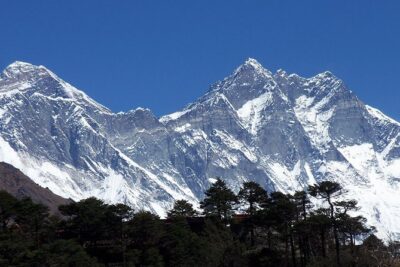 ★ 5.0Everest Base Camp Trek – 14 DaysFrom $1,8001,499 reviews
 ★ 5.0Everest Base Camp TrekkingFrom $1,350485 reviews
 ★ 5.0Everest Base Camp Trekking – 13 DayFrom $1,399365 reviews
★ 5.0Everest Base Camp Trek -14 DaysFrom $1,420321 reviews
 ★ 5.0Everest Base Camp Trekking – 2025/2026From $1,339199 reviews
 ★ 5.0Everest Base Camp TrekFrom $1,408193 reviews
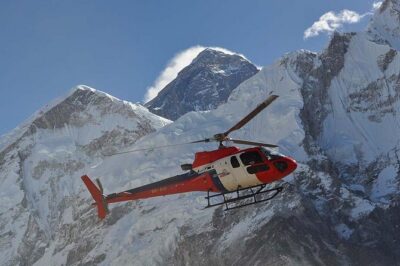 ★ 5.0Everest Base Camp Trek with Helicopter Return from Gorakshep to LuklaFrom $3,000161 reviews
14-Days Private Everest Base Camp TrekFrom $1,600152 reviews
Lists this tour sits in