
REVIEW · EVEREST BASE CAMP TREKS
Everest Base Camp Trek | Deluxe Lodges | Both Way Helicopter Ride
Fast-track to Everest, with fewer grueling days. This package is built for travelers who want the big moments at Everest Base Camp and Kala Patthar without spending weeks on the trail, thanks to included helicopter flights. I also like the way the itinerary keeps you moving through classic Sherpa stops, while still building in acclimatization days so you do not feel like you are speedrunning altitude.
What I love most is the comfort setup for the highs and lows: deluxe lodge-style stays during the trek, a 3-star Kathmandu hotel before and after, and serious cold-weather gear like a warm down jacket and sleeping bag. The possible drawback to note is simple: it is a shorter trekking schedule than some EBC routes, so you still need to take acclimatization seriously and keep your pace steady.
You should also know that the experience runs on a solid logistics backbone. You get airport pickup in Kathmandu, experienced guides, porters to carry most of your load, and first aid supplies including an oxi-meter. If you want Everest in a manageable time window, this is a smart way to do it, as long as you are ready for cold mornings and big ascents near the end.
In This Review
- Key highlights I’d prioritize before you book
- Why this Everest Base Camp trek feels different in 10 days
- Helicopter shuttles: the biggest value add, and what it changes
- Kathmandu start in Thamel, with a real hotel buffer
- Day-by-day: how the route moves from Lukla trails to Base Camp and Kala Patthar
- Day 2: Lukla to Phakding, acclimatize without panic
- Day 3: Pine forests, rivers, Hillary Bridge, and the first real Namche push
- Day 4: Syangboche acclimatization, then time in Namche
- Day 5: Tengboche Gompa day, with big spiritual and mountain vibes
- Day 6: Pangboche Buddhist monastery, Ama Dablam views area
- Day 7: Dingboche acclimatization, climb high, sleep low
- Day 8: Lobuche, Thukla memorial, and the slow build to the glacier zone
- Day 9: Lobuche to Gorakshep, then Everest Base Camp, with helicopter return
- Day 10: Kala Patthar sunrise and final transfers
- Lodges, meals, and gear that reduce the stupid stress
- The team system: guide, porters, and safety tools you can count on
- Permits and what is covered in the all-in package
- Price reality check: what $3,332 buys you, and what you still must plan
- Who this trek suits best, and who should be cautious
- Should you book this Everest Base Camp package?
- FAQ
- What helicopter rides are included?
- How long is the trek?
- What meals and lodging are included during the trek?
- Do I get trekking gear for cold weather?
- What permits are included?
- How much can I carry?
- Is travel insurance included?
Key highlights I’d prioritize before you book
- Both-way helicopter rides (Kathmandu to Lukla, and Lukla back to Kathmandu, plus Gorakshep to Lukla after Base Camp)
- Shorter 10-day plan that still hits Everest Base Camp and the Kala Patthar sunrise climb
- Acclimatization built in with dedicated high-altitude days like Namche, Syangboche, and Dingboche
- Cold-weather gear included, including a warm down jacket and sleeping bag rated to -20 degrees (returned after)
- Licensed guide plus porter support, with a 1 porter for every 2 people system
- Food and lodging packages included, with breakfasts (10), lunches (8), and dinners (8), plus a farewell dinner in a Nepali restaurant
Other routes to Base Camp, side by side
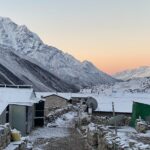
Why this Everest Base Camp trek feels different in 10 days
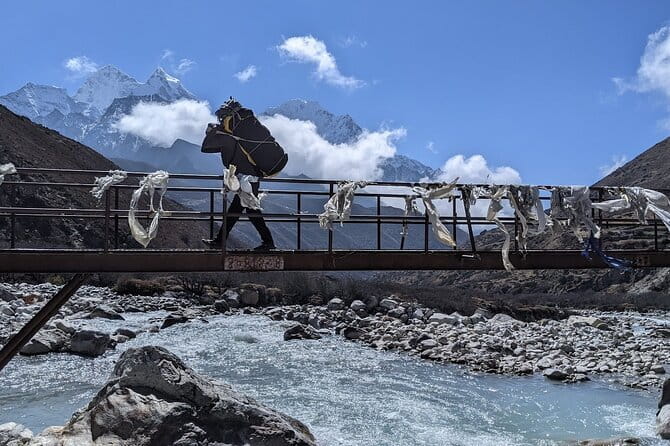
This tour is designed around a reality most people face: time. A full Everest Base Camp trek can eat up a lot of vacation days, and then you are stuck doing the last part of the journey half-exhausted. Here, the plan stays tight at about 10 days, while still threading through the core places you come for.
The tradeoff is that your acclimatization has less slack than longer, slower itineraries. The good news is the schedule tries to manage that. You get acclimatization-focused time on Days 4 and 7, plus the early trekking days are intentionally gentle. If you follow the guidance, keep your effort controlled, and do not treat altitude like a challenge run, the shorter timeline can work.
Also, the “deluxe lodges” angle matters. You are sleeping in trek lodges on most nights, but this package leans toward better availability and comfort, with twin-share rooms during the trek and a real hotel reset in Kathmandu (3-star) before and after. It is a practical way to keep your energy for the steep bits.
Helicopter shuttles: the biggest value add, and what it changes
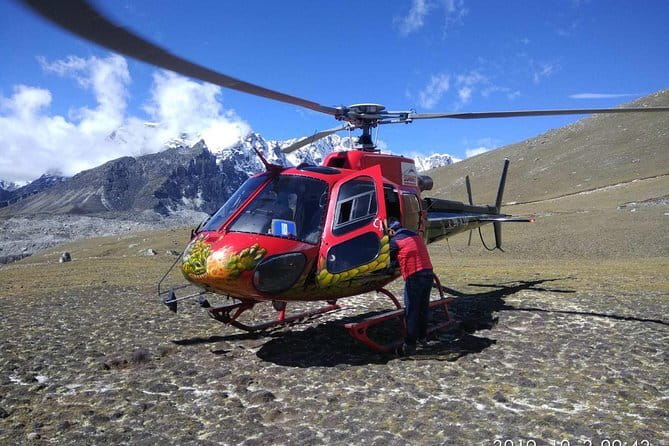
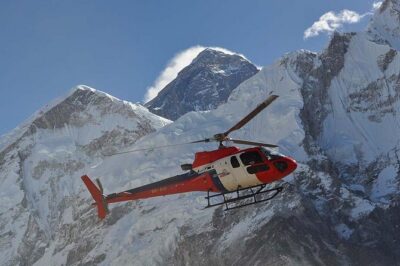
The helicopter is the heart of this itinerary. You fly from Kathmandu to Lukla on Day 2 in a sharing flight that takes about 45 minutes, and you fly from Everest Base Camp area (Gorakshep) to Lukla after the trek. Then, you also have the included Lukla to Kathmandu return.
Here is why that is valuable for you:
- You save hard, time-consuming transit days that can feel like hiking punishment.
- You get a first taste of the region from the air, with scenic flight views over Everest and Kanchenjunga mentioned in the plan.
- You arrive at the walking portion with more fresh legs, which helps when the trail starts taking you upward.
What it changes is the rhythm. Helicopters mean your days are partly scheduled around flights, not just trail conditions. You should be comfortable with that structure, since your timeline depends on the included flight plan (not just how fast you walk). For many people, that structure is a relief. For others, it feels less flexible than a fully trekking-only approach.
One more detail that matters: the package includes luggage allowance for your trekking load. You can bring up to 10 kg in a big bag plus 5 kg in your handbag. That fits the porter system nicely, and it helps you avoid the classic mistake of packing like you are going to live in the mountains for a year.
Kathmandu start in Thamel, with a real hotel buffer
Day 1 is straightforward: you land at Tribhuvan International Airport, and a team member meets you for pickup and transfer into Kathmandu. The meeting point is at Life Himalaya Trekking in Narsingh Chowk Marg, and the itinerary notes you can travel by car or van.
Then you get two nights in a 3-star Kathmandu hotel with breakfast, one night before the trek and one night after. That is not a throwaway detail. With Everest, your body needs a reset day before you head up to the trekking start, and it also needs recovery time once you come back down.
If you are the type who likes a comfortable place to shower, sort gear, and eat a proper meal at normal altitude, this setup works well. If you already know you are going to be too tired to do much beyond dinner, it still helps to have that clean, organized base.
Day-by-day: how the route moves from Lukla trails to Base Camp and Kala Patthar
Below is the practical flow of what you do each day, plus what each place is doing for you.
Other lodge to lodge routes near Kathmandu
Day 2: Lukla to Phakding, acclimatize without panic
You start with the helicopter transfer from Kathmandu to Lukla. After landing, you pause for the views, then begin walking to Phakding. The trek length is kept reasonable so you have time to acclimatize.
Phakding is your early “warm-up” stop. The route follows along the river bank, which tends to make the day feel smoother and more manageable, especially after the helicopter and the mental shock of suddenly being in the Everest region.
Day 3: Pine forests, rivers, Hillary Bridge, and the first real Namche push
Today you hike from the area near Hillary Bridge through pine forests along the Dudh Koshi River. You pass through Benkar and reach Monjo, then continue toward Namche Bazaar.
Why this day matters: you build rhythm. The plan points to the confluence of the Dudh Koshi and Bhote Koshi rivers, and it also sets up that moment when Everest starts peeking over the Lhotse-Nuptse range for the first time. That is not just scenery hype. It is a psychological marker that you are close to the high country.
Day 4: Syangboche acclimatization, then time in Namche
Day 4 is the first day dedicated to acclimatization. You hike to Syangboche, located at the lap of Khumbila Peak, a spot known for a small airstrip. The itinerary then returns you toward Namche Bazaar and gives you time there.
In Namche, you get a chance to explore the local market and take it easy, including options like massage centers and spas mentioned in the plan. There is also a famous altitude hotel stop: the Everest View Hotel at about 3,880 m, where you can enjoy coffee with Everest views. In the plan, admission for that is not included, but the idea is clear. You get a taste of how high the region really is, without needing to force an aggressive hike.
Day 5: Tengboche Gompa day, with big spiritual and mountain vibes
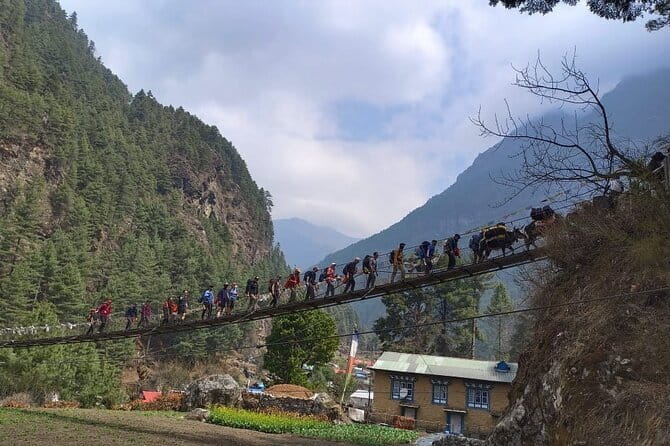
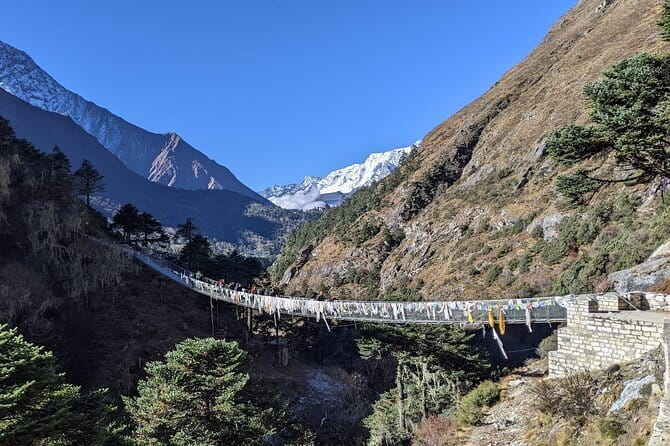
After breakfast, you head along the Dudh Koshi River again, cross a long suspension bridge, and continue into the Imja Khola Valley toward Tengboche.
Tengboche Gompa is a classic Everest-region stop. The trek day gives you a mix of forest trail and open mountain views, and the monastery adds that sense of place beyond just altitude. It is one of those days where you feel like the journey has a cultural spine, not only a summit checklist.
Day 6: Pangboche Buddhist monastery, Ama Dablam views area
You continue toward Pangboche, with the day described as highlighted by outstanding landmarks. The route focuses on scenery like Ama Dablam and other peaks, and it is paced to help you avoid altitude sickness issues that can hit on other itineraries.
This is another day where the balance matters. You keep moving while not turning every step into a contest. When you are carrying less (thanks to porters and the gear setup), it is easier to keep your pace controlled.
Day 7: Dingboche acclimatization, climb high, sleep low
Day 7 is your second acclimatization day. The plan follows the rule of climbing high and sleeping low. You hike to reach the top of your day route, then sleep at Dingboche.
Dingboche is an important altitude hub. It is where many people feel the thin air more strongly. The schedule here tries to get you altitude exposure in a managed way. If you do one thing well on this day, make it following the guidance and avoiding the urge to push harder than necessary.
Day 8: Lobuche, Thukla memorial, and the slow build to the glacier zone
Today the trek is relatively lighter but still brings significant altitude. You travel toward the wide valley of Dughla, and you pass the memorial over Thukla mentioned in the itinerary.
This is the bridge day toward the Base Camp area. You will feel the altitude more, but the day structure helps you conserve energy before the heavier glacier terrain day ahead.
Day 9: Lobuche to Gorakshep, then Everest Base Camp, with helicopter return
This is your “signature day.” The plan describes trekking from Lobuche for about 4 hours to Gorakshep, with the mention of glacier terrain. From there, you reach Everest Base Camp, described as the major highlight.
Then the package includes the helicopter return from Everest Base Camp area (Gorakshep) to Lukla. This means you are not stuck doing a full backtrack on foot. For many people, that is the whole point of paying extra.
If you want to make this day feel smooth, plan for cold and early movement. Even if you love long days, Base Camp plus glacier terrain plus helicopter logistics is a lot in one block.
Day 10: Kala Patthar sunrise and final transfers
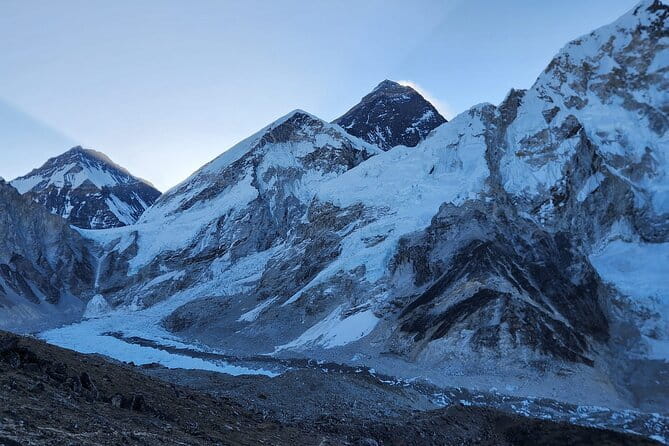
Your final day includes an early morning hike up to Kala Patthar before sunrise. The goal is panoramic views of Mt. Everest and the surrounding area as the light hits the peaks.
Kala Patthar is not a casual stroll. It is a tough climb, but it is short and purposeful. The reward is the kind of sunrise you remember for years, and the plan frames it that way.
After this, your package ends back at the meeting point in Kathmandu. Your included helicopter flights cover Lukla to Kathmandu, so you can expect the journey to return to Kathmandu as part of the overall plan, not as an extra complication you have to arrange yourself.
Lodges, meals, and gear that reduce the stupid stress
The package includes twin-share lodge accommodation during the trek, plus breakfasts, lunches, and dinners. Specifically, you get 10 breakfasts, 8 lunches, and 8 dinners. There is also a farewell dinner at a Nepali cultural restaurant, plus you receive an achievement certificate.
Here is what that means for you in real terms:
- You spend less time negotiating what to eat at altitude.
- You are less likely to end up hungry because the group is tired and the options look grim.
- Your days run with a predictable rhythm, which helps altitude management.
Two practical notes. First, all beverages and snacks are not included. Plan to budget for water, tea, and extra bites. Second, Kathmandu meals outside the included breakfasts and any Kathmandu lunches or dinners are not included, so bring or plan extra spending for that part of the trip.
The gear support is also a big deal. You are provided a warm down jacket and sleeping bag rated for -20 degrees Celsius, and you return them after the trip. That reduces both cost and decision fatigue. You do not need to wonder if your budget jacket is warm enough, or if your sleeping bag will handle the cold.
The team system: guide, porters, and safety tools you can count on
This tour includes an experienced, government-licensed trekking guide, plus porters. The porter ratio is clearly stated: 1 porter for every 2 people. That matters because most people underestimate how much a pack weighs over days of uphill trekking.
The package also mentions coverage and support elements for the team: accommodation, salary, equipment, food, transportation for staff, plus accidental insurance for the guide and porters. You also get first aid kits for staff and the group, including an oxi-meter. That oxi-meter detail is practical. If altitude starts messing with you, having the ability to check oxygen levels is a helpful tool, not a cure.
From the client stories, guide names like Rabin, Tika, and Pramod come up often, and communication names like Shiba are also mentioned. I cannot promise who you will get, but it gives you a clue about the kinds of professionals you might encounter inside Life Himalaya Trekking.
Permits and what is covered in the all-in package
You do not need to hunt down the trekking permits yourself here. The package includes the Sagarmatha National Park (Mount Everest) trek permit fee and the Pasang Lhamu Rural Municipality permit fee. It also includes government taxes and office service charges.
That matters because permits in Nepal are not always a simple buy-and-go task, especially when you have a flight and a tight schedule. When the permits are handled, you can focus on the trail.
Also included: life Himalaya trekking bag or duffel bag, a t-shirt, a trail map for the Everest Base Camp route, coordination for emergency and rescue operations, and first aid supplies for the group.
Price reality check: what $3,332 buys you, and what you still must plan
$3,332 per person is not cheap, but it is not random pricing either. You are paying for more than “a guide and a bed.” Your cost includes:
- Helicopter transfers: Kathmandu to Lukla, Gorakshep to Lukla, and Lukla to Kathmandu
- A 3-star Kathmandu hotel with breakfast on two nights
- Twin-share trek lodges
- Guide, porter service, and their support
- Trek permits and taxes
- Warm down jacket and sleeping bag for the trek period
- Most meals during the trekking days, plus a farewell dinner
The biggest extra items you must budget for:
- Travel insurance that covers rescue and evacuation up to 5500 m is not included
- International airfare and Nepal entry visa charges are not included
- All beverages and snacks are not included
- Lunch and dinner in Kathmandu are not included
So the value question becomes: does the helicopter and included gear cut enough discomfort and time for you to justify the price? If you have limited time, poor flexibility, or simply want Everest with fewer exhausting transit days, this package likely makes sense.
If you are traveling on a tighter budget and you do not mind a longer trekking schedule, a non-helicopter option could be cheaper. But then you should also be ready for more days on the trail and less of the comfort support that makes this version feel more manageable.
Who this trek suits best, and who should be cautious
This is a strong fit if you:
- Want Everest Base Camp and Kala Patthar but have limited time
- Prefer a structured plan with fewer unknowns
- Like the idea of using porters and getting gear provided
- Want the trek experience, but not the longest possible hiking duration
You should be cautious if:
- You are easily discouraged by cold mornings and steep final days
- You have medical concerns around altitude and need extra planning (you still have acclimatization days, but this is still Everest country)
- You rely on flexible day-by-day travel style, since flights and helicopter legs make the schedule more fixed
The tour data is clear that you should have a strong physical fitness level. That does not mean you need to be a mountain athlete. It means you should be able to handle multi-hour hikes, cold early starts, and the physical reality of moving up in elevation.
Should you book this Everest Base Camp package?
If you want the Everest highlights with a time-efficient route, I think this is a smart booking. The combo of helicopter support, structured acclimatization, porter help, and included gear cuts a lot of the friction that can turn an EBC trip into a constant gear and energy battle.
I would still tell you to do two homework items before you go. First, budget for snacks, beverages, and any Kathmandu meals not included. Second, treat acclimatization days like non-negotiable training for the thin air, not like sightseeing breaks.
If that sounds like your style, this plan should feel like a focused, high-value way to reach Everest Base Camp and catch sunrise from Kala Patthar without burning weeks of vacation.
FAQ
What helicopter rides are included?
The package includes sharing helicopter flights from Kathmandu to Lukla, from Lukla to Kathmandu, and a sharing helicopter flight from Everest Base Camp (Gorakshep) to Lukla.
How long is the trek?
It is listed as about 10 days.
What meals and lodging are included during the trek?
You get 10 breakfasts, 8 lunches, and 8 dinners, plus twin-share lodge accommodation during the trek. You also get 2 nights in a 3-star hotel in Kathmandu with breakfast.
Do I get trekking gear for cold weather?
Yes. You are provided a warm down jacket and a sleeping bag rated for -20 degrees Celsius. You return this gear after the trip.
What permits are included?
The Sagarmatha National Park trek permit fee and the Pasang Lhamu Rural Municipality permit fee are included.
How much can I carry?
Luggage is allowed as 10 kg for a big bag and 5 kg for a handbag.
Is travel insurance included?
Travel insurance up to 5500 m for rescue and evacuation is not included. The staff have accidental insurance coverage noted in the included items.
Lodge to Lodge Around Kathmandu
The Rest of Our Kathmandu Write Ups

Base Camp, Three More Ways
Everything else we have reviewed around Kathmandu
- 12 Days Everest Base Camp Trekking
★ 5.0 · 3 reviews - 1 Night 2 Days Chitwan Jungle Safari Tour from Pokhara or Kathmandu
★ 3.0 · 3 reviews - Thamel Rickshaw tour
★ 4.7 · 3 reviews - Kathmandu: Momo Making Class with a Local Chef
★ 5.0 · 3 reviews - Kathmandu: Full-Day Yoga, Body Massage and Pedicure Package
★ 5.0 · 3 reviews - From Kathmandu / Pokhara / Chitwan: River Rafting – 1 Day
★ 4.6 · 3 reviews
Everest Base Camp Treks worth a second look.
 ★ 5.0Everest Base Camp Trek – 14 DaysFrom $1,8001,499 reviews
 ★ 5.0Everest Base Camp TrekkingFrom $1,350485 reviews
 ★ 5.0Everest Base Camp Trekking – 13 DayFrom $1,399365 reviews
★ 5.0Everest Base Camp Trek -14 DaysFrom $1,420321 reviews
 ★ 5.0Everest Base Camp Trekking – 2025/2026From $1,339199 reviews
 ★ 5.0Everest Base Camp TrekFrom $1,408193 reviews
 ★ 5.0Everest Base Camp Trek with Helicopter Return from Gorakshep to LuklaFrom $3,000161 reviews
14-Days Private Everest Base Camp TrekFrom $1,600152 reviews
Lists this tour sits in