
REVIEW · EVEREST BASE CAMP TREKS
Everest Base Camp Trek from Kathmandu 12 Days
Everest shows up fast in this trek. What makes this 12-day Everest Base Camp journey stand out is how quickly you move from Kathmandu logistics to iconic Himalayan vistas and then into Sherpa villages and monastery stops that make the trek feel more like a living culture route than just a viewpoint hunt.
Here’s what to watch: the itinerary is physically demanding, and you’re expected to have a strong fitness level to keep up with the daily walking and the high-altitude rhythm (plus flight timing depends on the scheduled Lukla flights).
In This Review
- Key Highlights at a Glance
- Entering The Khumbu: Flying to Lukla and Getting in Trek Mode
- Day 1 to Day 2: Lukla to Phakding, Then Into Namche Bazaar
- Day 3 Rest Day in Namche Bazaar, Plus a Real Acclimatization Choice
- Day 4 to Day 5: Tengboche Monastery Views, Then Up to Dingboche
- Day 6 at Dingboche: Another Acclimatization Buffer That Pays Off Later
- Day 7 to Day 8: Lobuche to Gorakshep, Then Everest Base Camp
- Day 9: Kala Patthar for Those Morning Views, Then Pheriche
- Day 10 to Day 12: Returning Through Namche, Phakding, and Lukla
- Why the Guides Here Matter More Than You Expect
- Price and Value: What $1,350 Covers and What You Still Pay For
- Who Should Book This Everest Base Camp Trek, and Who Might Reconsider
- Should You Book This Everest Base Camp Trek with My Dream Adventure?
- FAQ
- FAQ
- How long is the Everest Base Camp trek?
- Is pickup and drop-off in Kathmandu included?
- Are round trip flights between Kathmandu and Lukla included?
- Do I need permits for the trek?
- What kind of accommodation is provided on the trek?
- Will I have a guide, and is the guide English speaking?
- Is this trek private or shared with other groups?
- What is not included in the price?
- What do I need to provide when booking for the trekking permit?
- How far in advance can I cancel for a full refund?
Key Highlights at a Glance
- Lukla flight start sets the tone fast, turning travel days into actual trek time
- Sherpa-focused guidance with English support, plus safety-first planning praised in reviews
- Two acclimatization breaks at Namche Bazaar and Dingboche to help you handle the altitude better
- Tengboche monastery views give you a classic Khumbu payoff for a long day of trekking
- Everest Base Camp plus Kalapatthar covers both the landmark moment and the best viewpoint push
- Guest house nights keep you comfortable enough to actually enjoy the experience
Other routes to Base Camp, side by side


Entering The Khumbu: Flying to Lukla and Getting in Trek Mode
The whole trek has a certain momentum because it starts with a morning flight from Kathmandu to Lukla, the jump-off point for the Everest Base Camp route. That’s a huge part of the appeal. You’re not spending your whole trip riding buses and waiting for roads. You’re getting moving toward the mountains early.
In Kathmandu, hotel pickup and drop-off are included, which matters more than people think. On treks, the “little” parts (where you meet, how you get to the airport area, how you handle timing) can quietly make or break your first day. Here, you also receive a mobile ticket, which can simplify how you keep your plan straight.
One practical thing you should treat seriously: you’ll need your passport details and a photo (a selfie works) to issue your trekking permit. Do this early. If you wait until the last minute, you risk delays before you ever lace up your boots.
Day 1 to Day 2: Lukla to Phakding, Then Into Namche Bazaar
Day 1 starts with the transfer to the domestic terminal at Kathmandu airport for the scheduled morning flight to Lukla. From there, the trekking begins right away. After landing, you head to Phakding for a shorter walking day that supports acclimatization. In other words, your first trek day is designed to get you used to moving in the Khumbu style without burning all your energy.
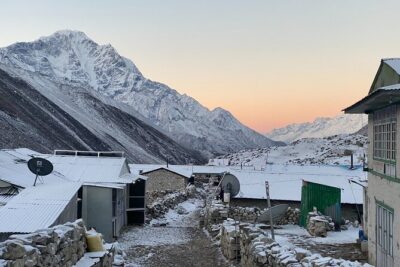
Phakding is more than a “first stop.” It’s where you begin to feel how the Everest region works day-to-day. Guest houses are the standard here, and you’ll experience the rhythm of tea-house trekking, where meals and rest become part of your travel schedule.
Day 2 goes to Namche Bazaar, and the route includes a walk along the Dudh Koshi River and passing over suspension bridges. This day is longer (the itinerary lists around 6 hours), and it’s one of the first times you’ll notice the air feels different simply because you’re going higher. Namche Bazaar is also where you’ll start seeing the Sherpa cultural center of gravity. Even when you’re just walking through, you feel like you’ve entered a place built around high-mountain life.
If you like your treks with a mix of nature and people, this is where it starts to click.
Day 3 Rest Day in Namche Bazaar, Plus a Real Acclimatization Choice
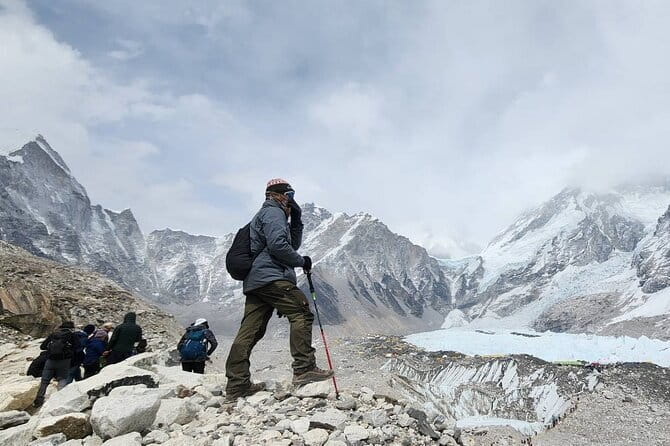
Day 3 is a “stay active” day rather than a full stop. You can either take a day hike toward Thame or explore Khunde, or you can relax and explore Namche Bazaar itself. That flexibility is smart, because different bodies respond differently to altitude.
What I like about this kind of break is that it gives you an acclimatization plan without turning the day into wasted time. If you’re the type who hates sitting still, the Thame or Khunde option gives you a purpose. If you’re tired or you’re feeling the altitude, staying local in Namche Bazaar can keep you comfortable while still moving enough to feel good the next day.
This is also a great day for photography if you’re into it. You’ll be in a town with big mountain presence, and you can time your moments around clearer light.
Day 4 to Day 5: Tengboche Monastery Views, Then Up to Dingboche
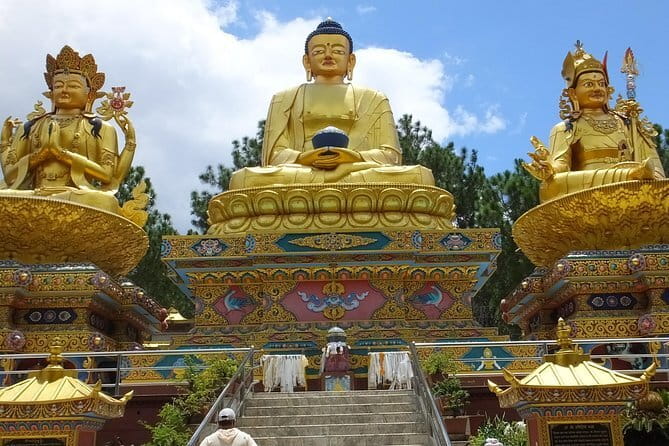
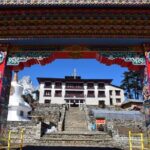
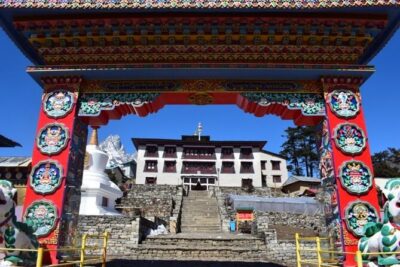
Day 4 takes you to Tengboche, and the itinerary notes the trail can be dusty and winding. The trade-off is the big payoff at the monastery. This is one of those trekking days where you might feel the effort in your legs, but the view from the monastery area gives you a strong emotional reward.
Also, Tengboche is a cultural anchor. You’re not just passing through. You’re getting a moment where the spiritual and the scenic blend, which fits the Sherpa cultural focus of this trek.
Day 5 continues to Dingboche. The route begins with a visit to the region’s oldest Buddhist monastery, then continues through alpine woods and settlement stops like Upper Pangboche, with the trek passing by places such as Shomare. This stretch often feels like it has more transitions than a single “straight line” hike. That can be good. It helps break up the mental load and gives you more frequent scenery changes.
Dingboche is a place you feel as a base camp of everyday life. Even if you’re dreaming about Everest, you’ll spend time in the Khumbu way of living here.
Other lodge to lodge routes near Kathmandu
Day 6 at Dingboche: Another Acclimatization Buffer That Pays Off Later
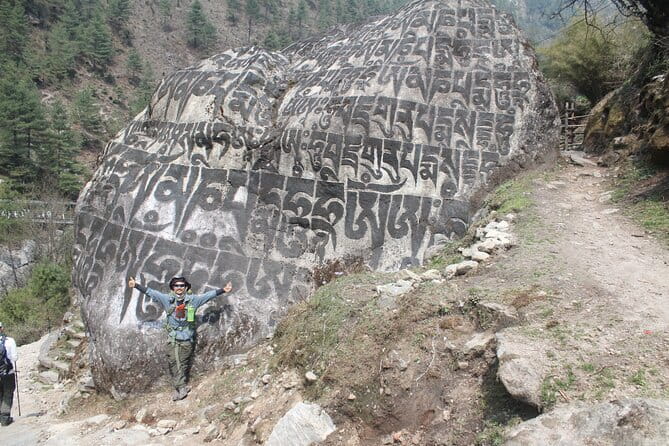
Day 6 is another rest day in Dingboche. The itinerary notes you’ll be rewarded with spectacular views, but also that you need rest to complete the final leg of your adventure. That’s a key point. The later days are where fatigue can turn dangerous if you push too hard too early.
This day can be used for visiting nearby villages around Dingboche or simply resting and getting your rhythm back. I like this structure because it doesn’t pretend every day will feel easy. It plans for the reality that your body needs recovery.
In reviews, guides are praised for planning acclimatization and prioritizing safety. A rest day like this is one of those places where good guiding shows up in a practical way, not just a slogan.
Day 7 to Day 8: Lobuche to Gorakshep, Then Everest Base Camp
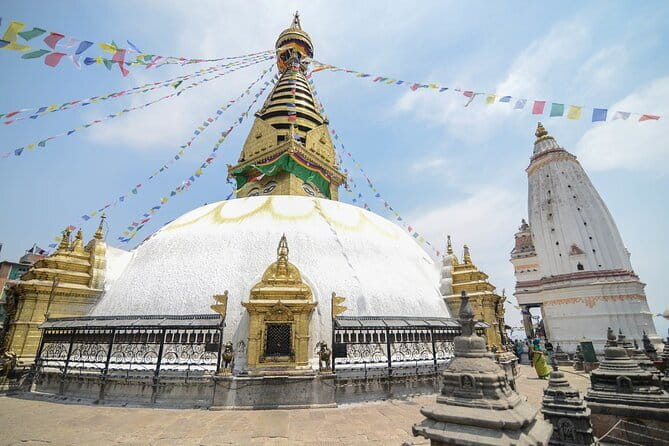
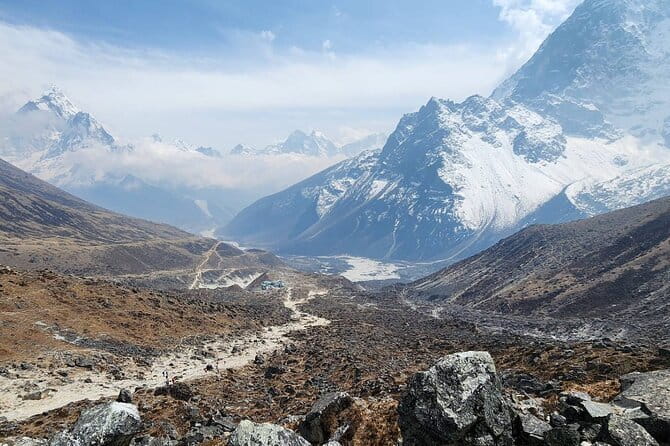
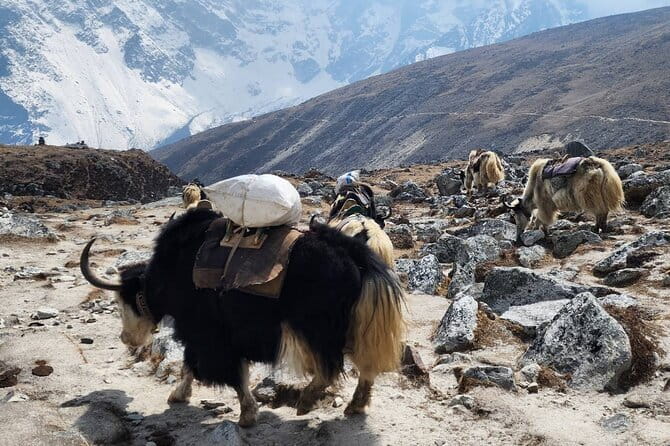
Day 7 goes to Lobuche. The trek climbs through the Khumbu Khola valley toward Duglha, and as you approach Dusa, the valley shrinks. The itinerary labels this route as difficult, and it calls out boulders and mountain yaks along the way. That sounds like the kind of terrain that can be slow going, especially if your legs are already tired.
This day matters because it sets you up for the push to Everest itself.
Day 8 is a two-part day in the itinerary. First, you hike to Gorakshep, with a trail along the side of the Khumbu Glacier and passing recognizable markers like the pyramid signpost. The itinerary also mentions a decent ascent toward Thangma Riju for views.
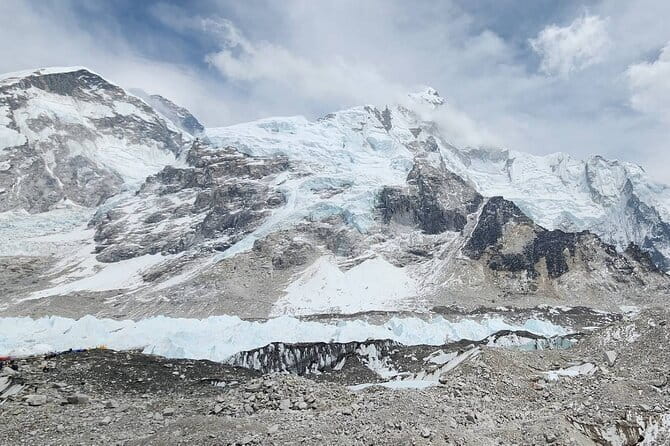
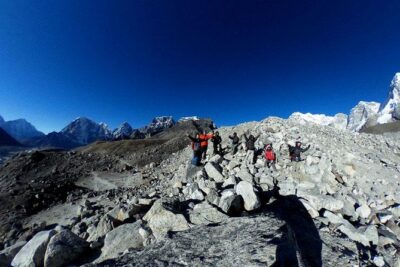
Then you trek from Gorakshep to Everest Base Camp. This is the headline moment: after the effort, you arrive at the destination where Mount Everest and other major peaks around your site fill your field of view. After base camp time, you return to Gorakshep for an overnight stay.
What I love about this structure is that Everest Base Camp is treated as an experience, not just a checkbox. You get time there, then you return and sleep before the next major viewpoint push.
Day 9: Kala Patthar for Those Morning Views, Then Pheriche
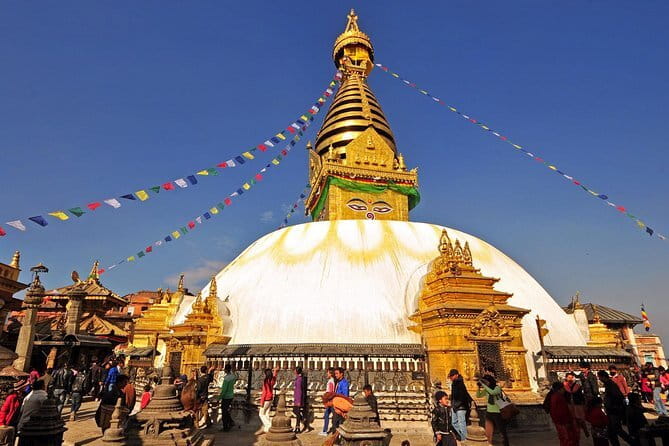
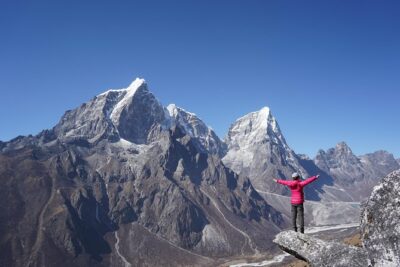
Day 9 starts early. The itinerary is explicit about getting underway in the morning to catch the dramatic views from Kalapatthar. This viewpoint is often considered one of the finest on the Everest Base Camp trek, and the logic is easy to see. Instead of only seeing the mountain from the base area, you’re pushing for a higher perspective that changes how the peaks look.
After your time at Kalapatthar, you descend back toward Gorakshep, rest a bit, and then gradually descend to Pheriche for overnight.
This day is a reminder that the trek isn’t only about going up. The descent is its own challenge. It can feel easier than climbing, but your knees and feet still work hard, especially after an early start.
Day 10 to Day 12: Returning Through Namche, Phakding, and Lukla
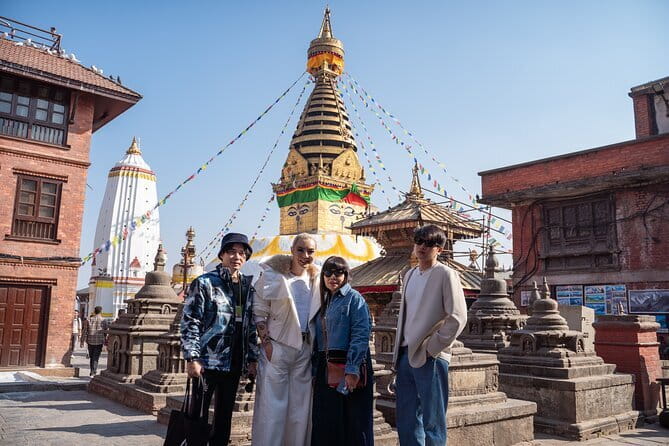
Day 10 retraces the route back, returning toward Namche Bazaar. The itinerary notes you’ll follow the wide valley of Khumbu Khola, passing Sherpa villages like Pheriche and onward. The best part of the return is that the trail starts to feel familiar, even when it’s still tough. You already know how the region moves day to day, so you can focus more on the scenery and less on “what’s next.”
Day 11 continues down to Phakding, with the itinerary describing the trail as descending steeply downward, requiring slow, controlled steps. From Phakding, you continue to Lukla where you stay overnight. The day also includes passing forests of pine and rhododendrons, so even on return days, you get nature variety.
Day 12 is your flight back to Kathmandu. You catch a morning flight from Lukla, about 35 minutes to Tribhuvan International Airport. From there, you’re taken back toward Thamel, where most visitors like to base themselves. After days of tea houses and guest rooms, that final transition feels like the light at the end of the tunnel.
Why the Guides Here Matter More Than You Expect
You’re not just buying access to a route. You’re buying how the trek runs day-to-day. Reviews repeatedly praise guides such as Milan and Bikram for kindness and experience, and they describe Bishnu as knowledgeable and supportive. There’s also praise for Sagar in organizing the details, plus a team approach led by people like Sham.
That matters because Everest Base Camp is not a “set it and forget it” trek. Even when the itinerary is well planned, your body can respond differently than the person beside you. When guides prioritize safety, manage acclimatization pacing, and keep things organized like tea house stays, it reduces stress at the exact moments you least want chaos.
Also, one review specifically calls out porter support as strong and helpful. On a trek like this, that can make the difference between arriving at camp drained and arriving with enough energy to enjoy the place you just worked for.
Price and Value: What $1,350 Covers and What You Still Pay For
At $1,350 per person for about 12 days, the big value factor is that the price bundles the expensive and logistically messy pieces. You get round trip flights between Kathmandu and Lukla, plus tours permits (trekking permit and a TIMS card). You also get an English speaking trekking guide, guest house accommodation, and hotel pickup and drop off in Kathmandu.
Compared with trekking setups where you arrange pieces separately, this is the kind of package that helps you avoid hidden admin headaches. You also get a first aid kit with the guide, which is a practical inclusion for a remote route.
What’s not included is personal expenses. That’s normal for a trek, but it’s worth planning for so you don’t get surprised by extra tea, snacks, or any shopping along the way.
If you want value, look at what you’re not juggling yourself: permits, flights, and day-to-day guide management.
Who Should Book This Everest Base Camp Trek, and Who Might Reconsider
This trek is best for people who want a classic Everest Base Camp experience with a clear plan, real acclimatization breaks, and strong guidance. If you enjoy culture as much as scenery, the Sherpa village visits and monastery stops add a lot of meaning to the walk.
You should especially consider this if you want the structure of two rest/acclimatization days and a route that includes both Everest Base Camp and Kalapatthar. That combination is perfect if you like seeing the destination from multiple angles.
The main consideration is physical readiness. The requirement calls for a strong fitness level, and the trek includes longer walking days and difficult segments, including the Lobuche approach and early starts.
If you’re not confident in multi-day hiking stamina, you might want to choose a less demanding itinerary first, then come back when you’re ready for this one.
Should You Book This Everest Base Camp Trek with My Dream Adventure?
If you want a straightforward, well organized Everest Base Camp plan that handles flights, permits, and daily guide support, I think this is a good bet. The strongest selling points are the pairing of Everest Base Camp plus Kalapatthar with practical acclimatization pacing, and the repeated praise for guide professionalism and kindness, including names like Milan and Bikram.
Book it if you match the fitness level and you want a trek that feels human, with Sherpa culture stops that go beyond scenery. Pass or postpone if you’re unsure you can handle the physical demands or you prefer a lighter trek style.
FAQ
FAQ
How long is the Everest Base Camp trek?
The trek is listed as 12 days (approx.). Your schedule starts in Kathmandu, includes flights to Lukla, and ends with a flight back to Kathmandu.
Is pickup and drop-off in Kathmandu included?
Yes. Hotel pickup and drop-off are included as part of the package.
Are round trip flights between Kathmandu and Lukla included?
Yes. Round trip flight tickets Kathmandu to Lukla and back to Kathmandu are included.
Do I need permits for the trek?
Yes. The package includes the trekking permit and TIMS card.
What kind of accommodation is provided on the trek?
You’ll stay in guest houses during the trek.
Will I have a guide, and is the guide English speaking?
Yes. An English speaking trekking guide is included, and the itinerary is managed as a private trip.
Is this trek private or shared with other groups?
This is a private tour/activity. Only your group will participate.
What is not included in the price?
Personal expenses are not included in the listed price.
What do I need to provide when booking for the trekking permit?
You’ll need your passport details and a photo for the permit. A selfie also works.
How far in advance can I cancel for a full refund?
You can cancel up to 3 days in advance for a full refund. If you cancel less than 3 days before, the amount paid is not refunded.
Lodge to Lodge Around Kathmandu
The Rest of Our Kathmandu Write Ups



Base Camp, Three More Ways
Everything else we have reviewed around Kathmandu
- 12 Days Everest Base Camp Trekking
★ 5.0 · 3 reviews - 1 Night 2 Days Chitwan Jungle Safari Tour from Pokhara or Kathmandu
★ 3.0 · 3 reviews - Thamel Rickshaw tour
★ 4.7 · 3 reviews - Kathmandu: Momo Making Class with a Local Chef
★ 5.0 · 3 reviews - Kathmandu: Full-Day Yoga, Body Massage and Pedicure Package
★ 5.0 · 3 reviews - From Kathmandu / Pokhara / Chitwan: River Rafting – 1 Day
★ 4.6 · 3 reviews
Everest Base Camp Treks worth a second look.
 ★ 5.0Everest Base Camp Trek – 14 DaysFrom $1,8001,499 reviews
 ★ 5.0Everest Base Camp TrekkingFrom $1,350485 reviews
 ★ 5.0Everest Base Camp Trekking – 13 DayFrom $1,399365 reviews
★ 5.0Everest Base Camp Trek -14 DaysFrom $1,420321 reviews
 ★ 5.0Everest Base Camp Trekking – 2025/2026From $1,339199 reviews
 ★ 5.0Everest Base Camp TrekFrom $1,408193 reviews
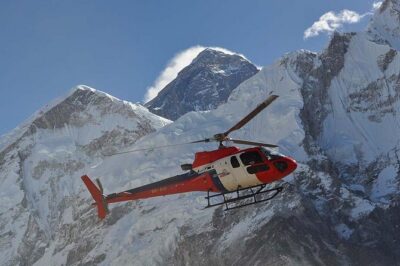 ★ 5.0Everest Base Camp Trek with Helicopter Return from Gorakshep to LuklaFrom $3,000161 reviews
14-Days Private Everest Base Camp TrekFrom $1,600152 reviews
Lists this tour sits in