
REVIEW · EVEREST BASE CAMP TREKS
Everest Base Camp Trek Via Gokyo Lake and Cho La Pass
There is no middle-of-the-road day here. This trek strings together Everest Base Camp, the calm of Gokyo Lakes, and the real test of Cho La Pass, so you get a mix of big-time views and quieter high-altitude scenery. I also like the practical support baked into the trip, from a licensed guide and porter setup to safety measures that include emergency oxygen.
Two things I really like: first, the itinerary hits classic Everest moments like the Kala Patthar sunrise and Base Camp day, but it does not stop there. Second, you get culture and mountain daily life built in, with Sherpa villages, monasteries like Tengboche, and hot-shower recovery time when you reach Namche again. One consideration: you are signing up for a serious altitude and early-morning schedule, especially around Cho La Pass, so you need to take the pace seriously.
In This Review
- Key points before you go
- Why This Everest Trek Adds Gokyo Lakes and Cho La Pass
- Kathmandu Setup and the Lukla Flight Reality Check
- Namche Bazaar to Tengboche, Where Everest First Shows Up
- Dingboche, Lobuche, and the Climb Toward Gorak Shep
- Kala Patthar Sunrise, Base Camp Achievement, and Moving Toward Dzongla
- Cho La Pass Morning Crossing Into Gokyo Valley
- Gokyo Lakes and the Panoramic Push for Cho Oyu and Makalu Views
- Downhill Days: Namche Rest, Lukla Finish, and the Dudh Koshi Walkout
- What $1,000 Buys Here, and Why It Is Not Just a Ticket
- Teahouse Comfort, Meals, and the Extras You Should Budget For
- Guides, Porters, and the Human Side of Tough Days
- Altitude Reality: Early Mornings, Long Walks, and Smart Pace
- Who This Trek Fits Best (and Who Might Rethink It)
- Should You Book This Everest Base Camp via Gokyo Lake and Cho La Pass Trek?
- FAQ
- How long is the trek?
- Where does the experience start and end?
- Is the trek private or shared?
- What is included in the price?
- What is not included?
- Do I need permits?
- What about accommodation and meals during the trek?
- Is there any safety support for altitude risk?
- What kind of physical fitness level do I need?
- Can I cancel if weather is bad?
Key points before you go
- Everest Base Camp plus Gokyo Lakes, not just the usual single-track version
- Cho La Pass early crossing, which is the most demanding part of the route
- Kala Patthar sunrise, timed so you can chase the best light
- Teahouse trekking with meals included, so your day is simpler to manage
- Licensed English-speaking guide and a porter (1:2 ratio) for shared load and decision-making
- Sagarmatha National Park and TIMS permits included, so you are not chasing paperwork
Other routes to Base Camp, side by side
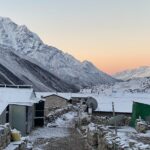
Why This Everest Trek Adds Gokyo Lakes and Cho La Pass
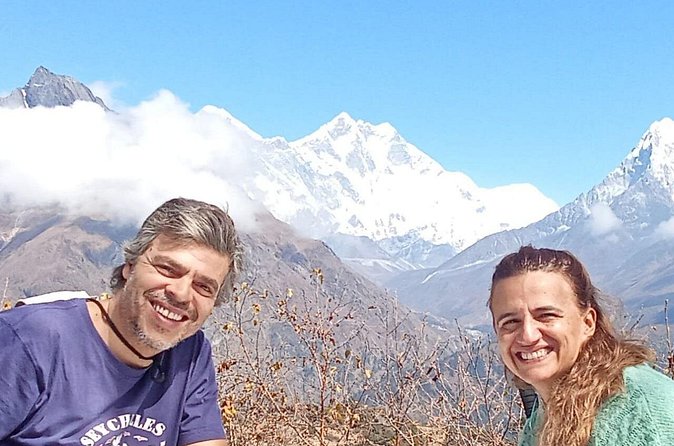
If your mental picture of Everest is one narrow idea, this trek quietly changes that. You still get the iconic Everest Base Camp experience and the famous photo angles, but then the route bends toward the Gokyo side of the Khumbu, where the lakes add a totally different feel. Instead of the constant push toward Everest’s face, you get days where the scenery is wider, slower, and strangely calming, even though you are still at serious altitude.
Then comes Cho La Pass, the part that makes this trek feel like more than a greatest-hits itinerary. Passing over the glacier terrain early in the morning is hard, and it is meant to be. The payoff is that you reach the quieter Gokyo Valley afterward, so the effort turns into relief, not just another checkmark.
A nice bonus is that the route also keeps culture in the picture. You move through Sherpa villages, cross suspension bridges, and visit monasteries like Tengboche. This is not just “hike, pose, repeat.” The daily rhythm includes local places that make the mountains feel lived-in, not just scenic.
Kathmandu Setup and the Lukla Flight Reality Check
Your trip starts with a clean on-ramp in Kathmandu. You meet your guide at Tribhuvan International Airport, and you get a trekking briefing plus a gear check. You also get one night in Kathmandu with breakfast, which matters because trekking on day two is easier when you are not scrambling the night before.
Then you fly to Lukla. That flight is included round-trip, Kathmandu to Lukla and back, which is a big deal for value and sanity. Instead of spending days on ground transport to reach trailheads, you jump into the mountains on schedule.
Practical note: flights to Lukla can be weather-dependent. Your itinerary shows trekking days with early starts, so if flights shift, you might have to absorb it with rest or adjustment. The trip description says extra hotel nights due to flight delays are not included, so it is smart to keep some flexibility in your budget.
Namche Bazaar to Tengboche, Where Everest First Shows Up
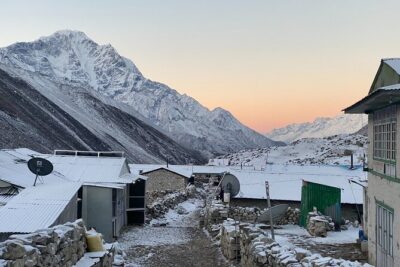
Day three is your first real taste of the Everest region inside Sagarmatha National Park. You cross suspension bridges and enter the Khumbu corridor that most people dream about. Namche Bazaar is where the altitude begins to feel real, but in a manageable way, because the town acts like a hub for acclimatization.
One of the best features here is the optional Everest View Hotel hike on day four. It is a short detour with big payoff: you go higher around 3,880m, and you get clearer mountain views without committing to a full grueling push. You also get time in Namche’s market and a chance to connect with Sherpa culture through the Sherpa museum visit.
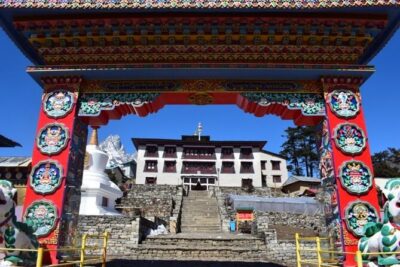
On day five you head toward Tengboche, walking through pine forest with mountain views along the way. Then you reach Tengboche Monastery, which is one of those places where the air changes. Even if you are not religious, monasteries are how you learn what locals carry in daily life. It also makes a nice contrast to pure hiking, which can feel repetitive after a few days.
Possible drawback here is timing. Your days can be long, and the itinerary includes extended hiking segments, so you want to treat breaks as part of the plan, not a bonus. Take your time when you stop for photos. Altitude makes quick walking feel like sprinting.
Dingboche, Lobuche, and the Climb Toward Gorak Shep
From day six, you are moving higher in a way that slowly tightens the air. You cross the Imja Khola, pass through Pangboche, and start to feel the altitude shift more clearly. This is also where the trek becomes less about scenery variety and more about rhythm. You walk, you rest, you eat, you repeat.
Day seven pushes you toward Lobuche, walking through more alpine terrain and passing memorials of climbers. Those stops can hit emotionally, because they turn a mountain that looks “spectacular” on a postcard into something that has stakes. You also keep building stamina for the days around Base Camp.
On day eight, the trail goes to Gorak Shep, and then you follow the Khumbu Glacier to reach Base Camp. This is the day most people remember as the “I did it” moment. You take photos at Base Camp, enjoy the sense of accomplishment, then return to Gorak Shep. That return matters. It is part of how the trek balances the big moment with smart pacing for the morning after.
If you hate long photo lines and slow bottlenecks, plan for traffic at popular checkpoints. Base Camp days tend to draw a crowd of people arriving around the same time. A guide helps you keep your focus on your own pacing.
Other lodge to lodge routes near Kathmandu
Kala Patthar Sunrise, Base Camp Achievement, and Moving Toward Dzongla
Day nine is the sunrise day: Kala Patthar for an Everest view, then a trek down toward Lobuche and onward to Dzongla. Even with good weather, this day asks you to get moving early. Sunrise in the Himalayas is not just a view, it is a schedule. You trade sleep for light and momentum.
Kala Patthar is often a once-in-a-lifetime photo moment. What I like about it on this route is that it is not only about Everest’s face. Your eyes get trained to scan for details, ridgelines, and the way glacier terrain looks under changing light. It also sets you up mentally for what comes next, because Cho La Pass feels more doable after you have already climbed into the “high and cold” mindset.
After sunrise, you are not done. You still descend to Lobuche and then move toward Dzongla. This is where the trek keeps you honest: you cannot bank energy only for the famous view.
Cho La Pass Morning Crossing Into Gokyo Valley
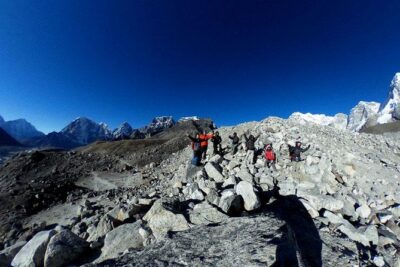
Day ten is the hinge of the entire itinerary: you cross Cho La Pass early morning, then descend into the Gokyo Valley. The pass crossing is described as icy, and glacier terrain is not a casual stroll. This is the one section where your gear, your pace, and your guide’s call-making matter most.
Because you start early, you are also protecting yourself from weather changes later in the day. The itinerary structure is built around that idea, and it is the reason guides insist on consistent steps rather than last-minute speed.
Once you cross into the Gokyo Valley, you get a different kind of reward. The valley is quieter after all that pushing. That contrast is what makes the Cho La effort feel worth it. Instead of reaching a high point and then immediately repeating a grind, you reach a calmer setting where you can recover and enjoy the lakes area.
Gokyo Lakes and the Panoramic Push for Cho Oyu and Makalu Views
Day eleven focuses on the Gokyo side: a morning climb for panoramic views, then visits to the 3rd and 4th Gokyo Lakes. The big names in the view are Everest, Cho Oyu, and Makalu, so you get a wider high-mountain panorama than the Everest-only route.
Those extra lake stops matter because they distribute the scenery across the day. You are not only walking toward one destination and then calling it done. You get multiple viewpoints and multiple “pause here” moments, all while continuing to acclimatize through movement.
One practical consideration: lake areas can feel exposed. Even if the day is bright, temperatures at altitude can change fast. A guide helps you time your breaks and keep your energy consistent.
Downhill Days: Namche Rest, Lukla Finish, and the Dudh Koshi Walkout
After Gokyo, day twelve brings a return to Namche Bazaar. The itinerary mentions descending past Machhermo, Dole, and Khumjung, which gives you that “the mountain is going by in sections” feeling. You reach Namche for hot shower and rest. That one detail is not small. When trekking days stack up, a realistic recovery stop helps you stay cheerful and safe.
Day thirteen finishes the main trekking route with a final walk along the Dudh Koshi River toward Lukla. This is the last day where you feel like you are still fully in trekking mode, because you are making real distance. It is also where mental energy counts. After so many mountain days, you want a final stretch that feels steady rather than chaotic.
Day fourteen is the flight back to Kathmandu, with free time for rest, shopping, or an optional massage. Trip concludes with a hotel night or transfer optional, depending on what you choose.
What $1,000 Buys Here, and Why It Is Not Just a Ticket
The price is $1,000.00 per person for a trek that runs about 14 days. On paper, that sounds steep until you look at what it includes. Here, you get a lot of the expensive, annoying logistics handled:
- Round-trip domestic flights Kathmandu to Lukla and back
- 1 night hotel in Kathmandu with breakfast
- All meals during the trekking portion, meaning breakfast, lunch, and dinner
- 12 nights twin-sharing teahouse accommodation
- Licensed English-speaking trekking guide and porter with a 1:2 ratio
- Sagarmatha National Park and TIMS permits
- Airport transfers
- Duffel bag for trekking gear (to be returned)
- Taxes and trekking service charges
This is where value matters for real life. If you had to coordinate flights, meals, and permits yourself, you would spend hours and still face uncertainty. The inclusive structure also helps you budget. You still have personal expenses, like hot showers and Wi-Fi at teahouses, plus your own gear.
Group discounts are mentioned, and that can improve value if your departure date supports it. Also, you get a mobile ticket, which helps with the modern part of travel days.
Teahouse Comfort, Meals, and the Extras You Should Budget For
This trek is built on twin-sharing teahouse accommodation for 12 nights, and meals are included throughout the trek. That means you are not stopping constantly to negotiate food or scramble for snacks. It also keeps your schedule simpler because the daily plan assumes you will eat at set times.
What is not included matters, because it affects the feel of comfort day-to-day. Extra costs can show up for things like hot showers, Wi-Fi, and battery charging at teahouses. Those conveniences exist, but you should not assume they are free. If you want them, bring extra money.
Also, your personal packing list matters. Personal trekking gear is not included, but you can rent in Kathmandu. The listing explicitly suggests items like boots, jacket, poles, and similar essentials, so you should plan to acquire those before you fly to Lukla or rent them during your Kathmandu time.
Guides, Porters, and the Human Side of Tough Days
What makes this kind of trek livable is the people behind the logistics. The trip includes a licensed English-speaking trekking guide plus a porter, with a 1:2 ratio, which typically means you are not carrying everything yourself.
In past experiences shared with this operator type of trekking, guides like Udio and Shisir have been praised for being friendly, reassuring during discomfort, and even helping swap backpacks when loads felt uneven. That sort of support can be the difference between pushing through a rough moment and getting discouraged.
You are also traveling as a private group, meaning you are not mixing with random people from other schedules. That is useful when you want consistent pacing and clear communication. A shared plan is easier when the team stays together.
Safety support is also part of the overview, including emergency oxygen. That does not make altitude easy, but it signals that the operator takes medical risk seriously.
Altitude Reality: Early Mornings, Long Walks, and Smart Pace
Altitude is the hidden third character in your days. The itinerary repeatedly stacks days that climb toward higher points, with big view targets like Kala Patthar and Cho La Pass early morning. Even when the route is not the steepest in a purely technical sense, the air makes everything feel heavier.
This trek is described as suitable for moderate physical fitness, but moderate does not mean casual. If you are not used to hiking with elevation, you will feel it. I recommend treating every rest stop as functional, not optional. Eat when you can, drink steadily, and slow your steps before you start feeling dizzy.
The schedule itself hints at how your body will adapt. You have days where you move toward higher places and days that allow recovery by descending or changing terrain. That balance is what helps most people finish without feeling like they were forced to sprint against the altitude.
Who This Trek Fits Best (and Who Might Rethink It)
This trek is for you if you want the full Everest emotional hit, but you also want variety. You will likely love the combination of:
- Everest Base Camp and Kala Patthar views
- Gokyo Lakes visits and lake-based pacing
- a real challenge element with Cho La Pass
- Sherpa culture stops, including Tengboche Monastery
It is also a good fit if you like having logistics handled. Meals are included, accommodations are arranged, permits are covered, and guides and porters help keep your day moving.
You might want to rethink if you know you struggle with early mornings and long trekking days, or if altitude is a known weak spot. This route gives you a lot of high-altitude time, so you should be honest about your fitness and your comfort with cold mornings.
Should You Book This Everest Base Camp via Gokyo Lake and Cho La Pass Trek?
Book it if you want an Everest trip with variety baked in, not just one long line toward Base Camp. The value is strong because flights, permits, meals, teahouses, and guiding are bundled, so you spend less energy managing logistics and more energy on the trek itself.
Also book it if you are drawn to the idea of contrast, a classic Everest summit-style view day mixed with the quieter feeling of the Gokyo lakes and valleys, then a glacier pass crossing that makes the whole route feel earned.
Skip this trek, or ask more questions first, if you are looking for an easy vacation pace. This is a serious high-altitude itinerary with challenging sections, early morning starts, and long walking days. If you are ready for that, it can be one of the most rewarding trekking combinations in the Himalayas.
FAQ
How long is the trek?
It runs for about 14 days, including domestic flights between Kathmandu and Lukla, plus trekking days and the final return to Kathmandu.
Where does the experience start and end?
It starts at Tribhuvan International Airport in Kathmandu and ends back at the meeting point area.
Is the trek private or shared?
It is listed as private, so only your group will participate.
What is included in the price?
Included items are round-trip domestic flights Kathmandu to Lukla and back, 1 night hotel in Kathmandu with breakfast, all meals during the trek, 12 nights twin-sharing teahouse accommodation, a licensed English-speaking trekking guide and porter with a 1:2 ratio, Sagarmatha National Park and TIMS permits, airport transfers, a duffel bag for trekking gear, and government taxes and trekking service charges.
What is not included?
Not included are international airfare, the Nepal visa fee on arrival, lunch and dinner in Kathmandu, personal trekking gear such as boots and jacket (you can rent in Kathmandu), travel insurance (mandatory), tips for guide and porter, extra hotel nights due to flight delays or early return, and personal expenses like hot showers, Wi-Fi, and battery charging at teahouses.
Do I need permits?
Yes, Sagarmatha National Park permits and TIMS permits are included in the trip.
What about accommodation and meals during the trek?
You get 12 nights in twin-sharing teahouses, and all meals during the trek are included (breakfast, lunch, and dinner).
Is there any safety support for altitude risk?
The overview mentions safety support including emergency oxygen.
What kind of physical fitness level do I need?
The guidance says travelers should have a moderate physical fitness level.
Can I cancel if weather is bad?
The experience requires good weather. If it is canceled due to poor weather, you will be offered a different date or a full refund. You can cancel up to 24 hours in advance for a full refund.
Lodge to Lodge Around Kathmandu
The Rest of Our Kathmandu Write Ups
Base Camp, Three More Ways
Everything else we have reviewed around Kathmandu
- 12 Days Everest Base Camp Trekking
★ 5.0 · 3 reviews - 1 Night 2 Days Chitwan Jungle Safari Tour from Pokhara or Kathmandu
★ 3.0 · 3 reviews - Thamel Rickshaw tour
★ 4.7 · 3 reviews - Kathmandu: Momo Making Class with a Local Chef
★ 5.0 · 3 reviews - Kathmandu: Full-Day Yoga, Body Massage and Pedicure Package
★ 5.0 · 3 reviews - From Kathmandu / Pokhara / Chitwan: River Rafting – 1 Day
★ 4.6 · 3 reviews
Everest Base Camp Treks worth a second look.
 ★ 5.0Everest Base Camp Trek – 14 DaysFrom $1,8001,499 reviews
 ★ 5.0Everest Base Camp TrekkingFrom $1,350485 reviews
 ★ 5.0Everest Base Camp Trekking – 13 DayFrom $1,399365 reviews
★ 5.0Everest Base Camp Trek -14 DaysFrom $1,420321 reviews
 ★ 5.0Everest Base Camp Trekking – 2025/2026From $1,339199 reviews
 ★ 5.0Everest Base Camp TrekFrom $1,408193 reviews
 ★ 5.0Everest Base Camp Trek with Helicopter Return from Gorakshep to LuklaFrom $3,000161 reviews
14-Days Private Everest Base Camp TrekFrom $1,600152 reviews
Lists this tour sits in