
REVIEW · EVEREST BASE CAMP TREKS
Everest Base Camp Trek with Helicopter Flight Back
Helicopter back changes the whole math. This 10-day Everest Base Camp trek keeps the classic Khumbu route but gives you a finish that feels less like a second campaign, and I like that the big views are built in, from the Lukla flight day to Kala Patthar at sunrise. It is also set up with pickup, private transportation in Kathmandu, and a guided structure that makes the trail feel more manageable when the altitude starts talking.
One thing to double-check before you book: the plan mentions a helicopter return, but the pricing details list the helicopter flight from Gorak Shep to Kathmandu as not included, and the flight depends on weather.
In This Review
- Key things you should know before you go
- Kathmandu setup: pickup, briefing, and gear sanity checks
- Day 2 flight to Lukla and the downhill rhythm into Phakding
- Namche Bazaar: suspension bridges, Sherpa villages, and the museum stop
- Everest View Hotel: panoramic payoff without the full summit grind
- Tyangboche: big mountain views and a calm pause before higher altitudes
- Dingboche and the Imja Khola bridge crossing
- Nagarjun Peak acclimatization: the day you should treat as sacred
- Thukla Pass to Lobuche: memorials, glacier closeness, and cold nights
- Everest Base Camp and Gorak Shep: gear staging and Icefall views
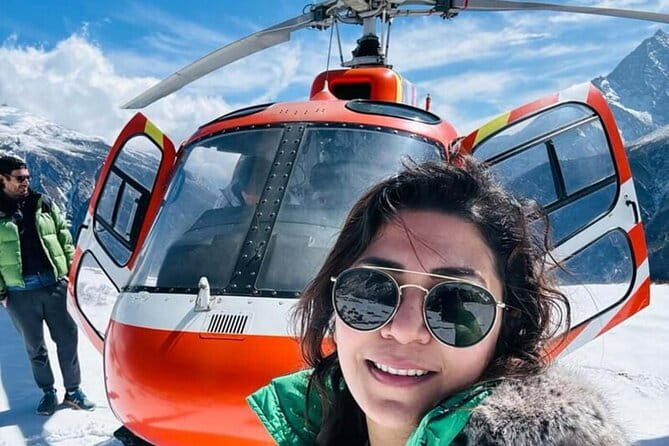
- Kala Patthar sunrise and the helicopter back to Kathmandu
- Price and logistics: what $446.50 covers, and what can change the total
- Comfort and care you can count on at high altitude
- Who should book this Everest Base Camp with helicopter return
- Before you book: questions that keep surprises away
- Should you book it?
- FAQ
- How long is the Everest Base Camp trek?
- Where does the trek start in Kathmandu?
- What flights are included?
- Are the helicopter flights included?
- What trekking gear is provided?
- What happens if weather is bad?
Key things you should know before you go
- Lukla fly in, then downhill starts fast, so your first trek day is about getting your legs working instead of waiting.
- Sherpa culture is built into the route, including time in Namche and a museum stop.
- Acclimatization is not skipped, with a dedicated day around Dingboche and a hike up to Nagarjun Peak.
- Your highest payoffs are planned, especially Everest View Hotel and then Kala Patthar near the end.
- Guides and porter support matter, with examples of safety-first help from Surendra and porter Uncle Doma Ghale.
- Comfort has a focus, including better lodge expectations like hot water, even when plans need minor changes after bad weather.
Other routes to Base Camp, side by side
Kathmandu setup: pickup, briefing, and gear sanity checks
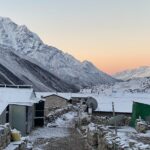
Your trip begins in Kathmandu, with a start point at Tribhuvan Airport and pickup offered. After you settle into your hotel (listed as Thrive or similar, twin share with breakfast), you get an evening briefing to talk through how the trek will run and what you need to focus on.
This matters more than people think. On the Everest route, small mistakes add up, like packing the wrong layer for cold mornings or forgetting what you will carry on summit-style days. The trip includes core trekking gear such as a sleeping bag, down jacket, and trekking poles if you need them, plus a duffle bag, a cap, and a trip certificate. That gear list is a big part of the value, because it reduces what you have to bring from home.
Day 2 flight to Lukla and the downhill rhythm into Phakding
After an early start, you fly from Kathmandu to Lukla, with views of the Himalayas as you land at the famously dramatic airport. Then you trek downhill to Phakding through alpine forests, about a 4-hour day.
This first trekking day is a good on-ramp. You are moving, but you are not immediately thrown into steep, high-altitude punishment. The practical win here is that the route starts giving you trail scenery and river crossings without making you feel like you need to prove fitness on Day 2.
One consideration: downhill trekking still costs your knees. If you tend to feel it in the first week, bring or use trekking poles right away.
Namche Bazaar: suspension bridges, Sherpa villages, and the museum stop
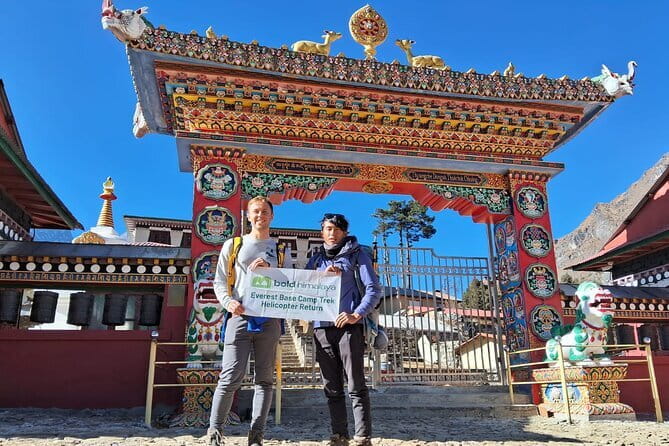
From Phakding, you work your way to Namche Bazaar over roughly 6 hours. The route follows Himalayan Sherpa villages and crosses the Dudhkoshi River by suspension bridge. It is a classic Khumbu feel, with villages and river views keeping your brain busy while your breathing works overtime.
Namche is also where the cultural side gets real. You get time to explore, including a visit to the Sherpa Museum. For many people, that is the best way to understand what you are walking through, not just what you are seeing.
In practical terms, Namche is also where you start learning how to pace yourself. If you rush, you pay later. The itinerary builds in rest and exploration here instead of pushing everything into hard marching.
Everest View Hotel: panoramic payoff without the full summit grind
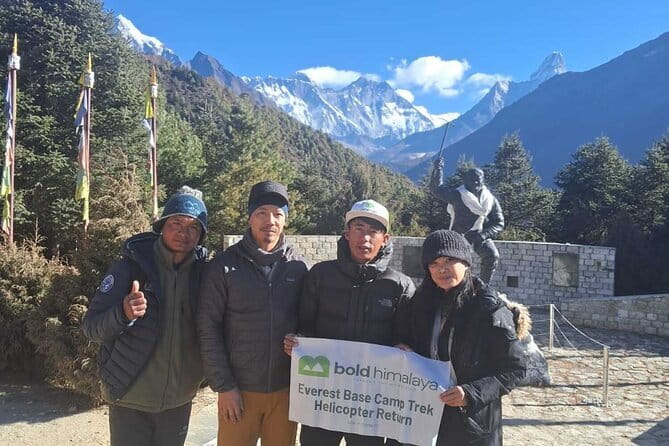
On the Everest viewpoint day, you rest and explore Namche in the morning, then hike to the Everest View Hotel for panoramic Mount Everest views, about 5 hours total that day. You also get a Sherpa Museum visit earlier in the same day block, which keeps the schedule from being only physical work.
Why this is a smart move for your money and time: Everest View Hotel is one of those spots that gives you a big-picture moment without demanding the kind of altitude commitment you will face later. It helps you feel the mountain before you are deep into the higher camps.
Even if clouds ruin perfect sightlines (it happens often), you still get the benefit of hiking through the region’s dramatic change in air and light.
Other lodge to lodge routes near Kathmandu
Tyangboche: big mountain views and a calm pause before higher altitudes
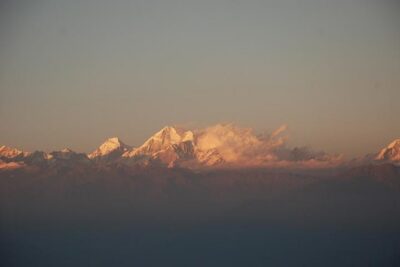
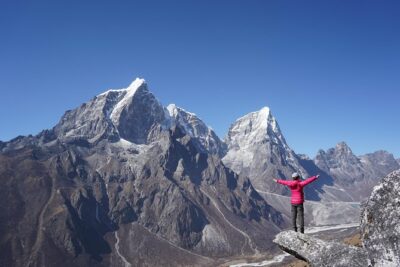
You continue to Tyangboche in about 6 hours, with magnificent views of Everest, Lhotse, and the surrounding mountains. Lunch is planned at Phungi Thanga before you continue onward.
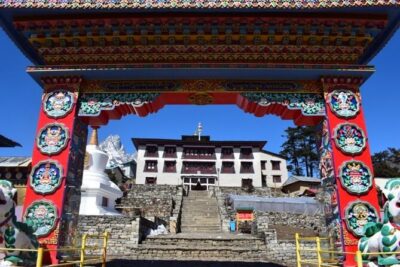
This day is about balance. You get another long view window, but you also get to reach a place that traditionally serves as a spiritual and resting point on many Khumbu routes. Expect quiet moments, mountain air, and time to regroup before the route starts climbing more aggressively toward the high-altitude staging areas.
The tradeoff: Tyangboche and similar stops can feel deceptively slow at first. Once you are there, you still need to move efficiently, hydrate, and stay warm, because the cold on this trek is real even when the day starts mild.
Dingboche and the Imja Khola bridge crossing
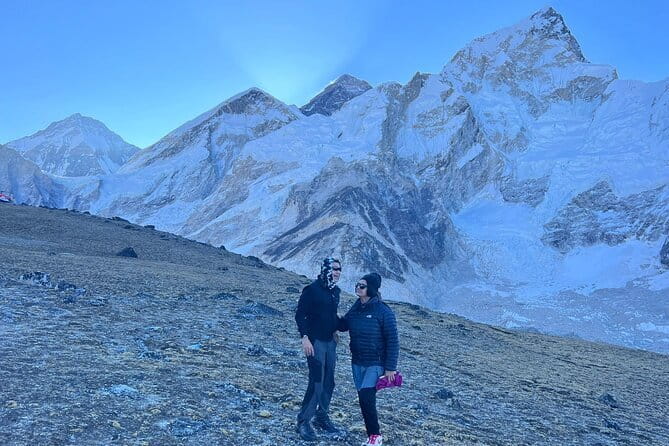
From Tyangboche you head to Dingboche over about 6 hours. You cross a suspension bridge over the Imja Khola and trek through rhododendron forests, passing villages such as Pangboche and Somare before arriving in Dingboche.
This is a key day because Dingboche is where the trek stops feeling like a steady climb and starts feeling like altitude management. The rhododendron forests help early on, but once you are higher, you notice the air thinning quickly.
If you are the type who gets energized by views, Dingboche is where you need to shift gears. Your body will ask for slower pacing, even if the scenery tempts you to push.
Nagarjun Peak acclimatization: the day you should treat as sacred
You then get a preparation day for higher altitudes, about 5 hours. It includes exploration of the Dingboche Valley and a hike up to Nagarjun Peak. This climb is meant to help you acclimate, and it offers 360-degree views.
Acclimatization days are only useful if you actually take them seriously. I like that this itinerary gives you the structure, because on Everest Base Camp treks, the people who do well are usually the ones who do not fight the altitude too early.
Practical tip: treat this day like your training wheels, not your trophy day. If you can, keep your effort controlled and use the views as motivation rather than fuel for a sprint.
Thukla Pass to Lobuche: memorials, glacier closeness, and cold nights
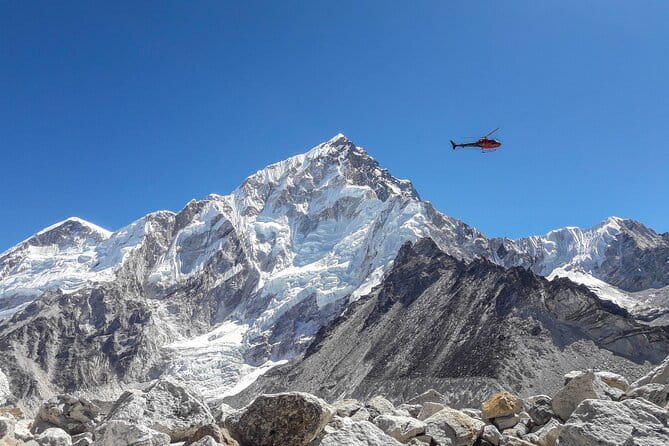
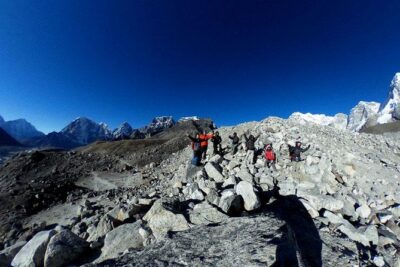
On the next trek day, you go to Lobuche at 4,940 meters, about 6 hours. The route passes through Thukla Pass, where there are memorials to climbers, then you reach Lobuche with close-up views of surrounding glaciers.
This is where the visual scale changes. You go from mountain villages and forests to a terrain that feels more like a staging zone for serious expeditions. The memorials add weight to the journey. Even if you are not emotional, they help you focus, especially on safety and pacing.
The itinerary suggests an overnight in Lobuche, about 5 to 6 hours. Expect cold. Lodges at this height are more about heat management than luxury, but the operator’s emphasis on comfort, including hot water, is worth noting when you want your hands and feet to feel human again.
Everest Base Camp and Gorak Shep: gear staging and Icefall views
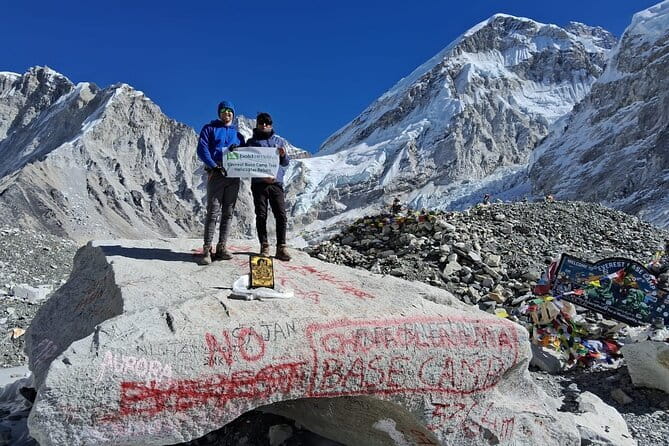
You trek to Gorak Shep and leave your gear, then continue to Everest Base Camp at 5,364 meters. This day is planned for about 7 hours, and you will also return to Gorak Shep afterward. The route is known for views of the Khumbu Icefall from around the Base Camp area.
This day is a mental shift. You might feel like you are still just trekking, but you are now doing a high-altitude target run. Leaving your gear at Gorak Shep helps you move more easily with less weight, which is a real benefit for breath and balance.
A balanced reality check: Everest Base Camp is not the top of Everest, but it is still high and unforgiving. You still need to pace, drink water even when you feel you do not want to, and avoid treating the day like a casual walk.
Kala Patthar sunrise and the helicopter back to Kathmandu
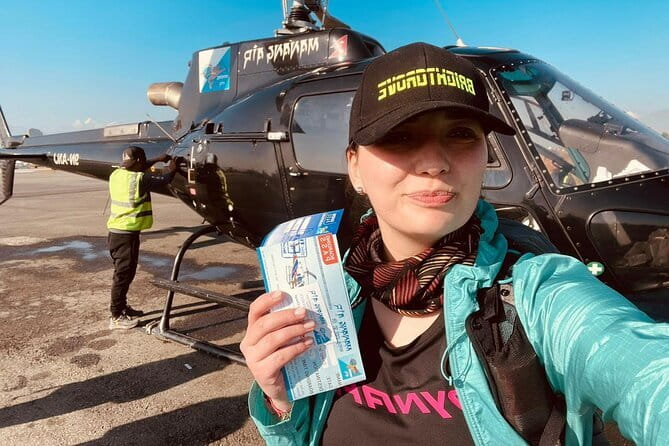
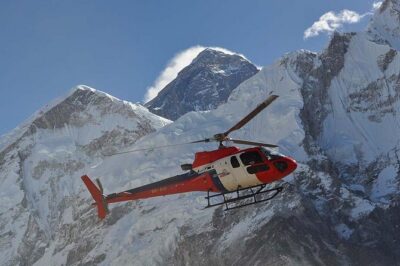
The final morning starts early with a hike to Kala Patthar at 5,550 meters for sunrise and panoramic Himalayan views. After that, you return to Gorak Shep and board a helicopter to Kathmandu, finishing with a transfer to your lodging in the city.
Kala Patthar is often where the trek’s story turns into something you remember for years. Even when weather is moody, the effort makes sense because the route gives you that rare mix of effort and wide-open sky.
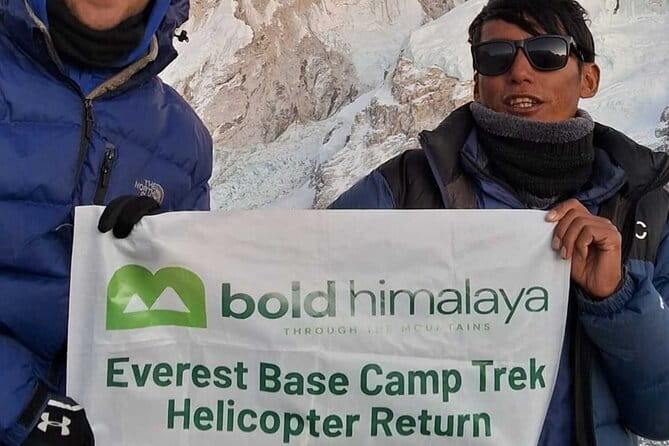
Now the important part: helicopter availability is weather dependent, and the details you were given include an internal inconsistency. The day plan includes the helicopter, but the not included list says the helicopter flight from Gorak Shep to Kathmandu is not included. I strongly recommend you confirm the helicopter status, cost, and timing with Bold Himalaya before you commit, so you do not get stuck planning around an unexpected add-on.
Price and logistics: what $446.50 covers, and what can change the total
At $446.50 per person, you are paying for more than a basic walking tour. Included features cover an experienced trekking guide with salary and insurance, meals across the trek (9 breakfasts, 8 lunches, 8 dinners), some seasonal fruit and dry nuts, park and area entrance fees, and TIMS. You also get private transportation, a Kathmandu hotel night (twin share with breakfast), and a cultural show and dinner program in Kathmandu.
For many trekkers, gear support is also part of the value. The trip lists a sleeping bag, down jacket, and trekking poles if you need them, plus a duffle bag and cap. That can save money if you were planning to rent everything locally or bring extra luggage.
Where your budget can swing:
- Porters are listed as not included.
- Tips for the trekking crew are not included.
- International airfare and travel insurance are not included.
- Dessert and bar bills are not included.
- The helicopter flight from Gorak Shep to Kathmandu is listed as not included, even though the itinerary describes it.
So is this good value? For the right person, yes. If you want the EBC experience with less time spent on the return trek, the added convenience can justify the price, as long as you verify what you are paying for around the helicopter and any extra altitude support like a porter.
Comfort and care you can count on at high altitude
The strongest theme in the feedback is care, and not just in a generic way. I saw clear mentions of hot water and comfort at Kathmandu and lodge level, even when conditions forced a few changes after bad weather. That is huge because on Everest routes, the difference between an okay rest and a miserable night is often the smallest logistics.
Staff names also show up in a helpful way. A guide named Surendra is specifically mentioned for keeping people safe, and porter Uncle Doma Ghale is credited for dedication and support. A manager named Sobit is described as attentive from first email contact, with strong attention to detail.
What that means for you: you should feel more confident that the operator will communicate clearly if plans shift due to weather or flight timings, instead of leaving you guessing. Still, always come prepared for change. On the Khumbu, the mountain and the sky set the rules, not your schedule.
Who should book this Everest Base Camp with helicopter return
This tour style fits you best if:
- You want classic Everest Base Camp scenery without spending the same number of days trekking back down.
- You appreciate a guided, structured plan, including acclimatization on a dedicated higher-altitude day.
- You value comfort and practical care, including better lodge expectations like hot water when possible.
It may be less ideal if:
- You are on a tight budget and cannot absorb extra costs if the helicopter is an additional charge.
- You dislike early mornings, especially the Kala Patthar sunrise start.
- You prefer to travel ultra independently. This one is set up for guided support and a private group experience.
For fitness, the trip calls for moderate physical fitness. That is realistic, but do not underestimate the altitude. Your legs and your lungs need both to show up.
Before you book: questions that keep surprises away
To make this trip stress-free, I would ask these focused questions to Bold Himalaya:
- Is the helicopter flight from Gorak Shep to Kathmandu included in your final price, or is it an extra cost?
- If the helicopter cannot run due to weather, what is the backup plan?
- Do you plan to provide porters for everyone, or will you need to arrange additional porter support since porters are listed as not included?
- What is your Kathmandu hotel category and what does it mean in practice for hot water and comfort?
Also, remember the weather requirement. The trip notes that it depends on good weather, and if it is canceled due to poor weather, you will be offered another date or a full refund. That is good protection, but it still means you should keep some flexibility in your travel timeline.
Should you book it?
If you want Everest Base Camp with a smart finish, this is a strong option. The route covers the key moments people plan around, Namche culture, Everest viewpoint time, acclimatization on a full day, and then the big two view hits at Everest Base Camp and Kala Patthar. The support style sounds caring and practical, with specific examples of help from Surendra and Uncle Doma Ghale.
My only hesitation is budget clarity. The helicopter is described in the day plan but also listed as not included, and helicopter flights are weather dependent. If you confirm that upfront and you are okay with the idea that the mountain can force adjustments, this trek can be a great way to get the Everest dream without dragging the return into a second slog.
FAQ
How long is the Everest Base Camp trek?
The trip is listed as 10 days (approx.).
Where does the trek start in Kathmandu?
The meeting point is Tribhuvan Airport in Kathmandu, and pickup is offered.
What flights are included?
Domestic flight is included according to the itinerary from Kathmandu to Lukla (or Ramechap to Lukla).
Are the helicopter flights included?
The day plan mentions a helicopter flight back to Kathmandu, but the not included section lists the helicopter flight from Gorak Shep to Kathmandu as not included. Confirm this with the operator before booking.
What trekking gear is provided?
The included list states sleeping bag, down jacket, and trekking poles (if needed). It also mentions a duffle bag, cap, and trip certificate.
What happens if weather is bad?
The experience notes that it requires good weather. If it is canceled due to poor weather, you will be offered a different date or a full refund. It also states free cancellation up to 24 hours in advance for a full refund.
Lodge to Lodge Around Kathmandu
The Rest of Our Kathmandu Write Ups

Base Camp, Three More Ways
Everything else we have reviewed around Kathmandu
- 12 Days Everest Base Camp Trekking
★ 5.0 · 3 reviews - 1 Night 2 Days Chitwan Jungle Safari Tour from Pokhara or Kathmandu
★ 3.0 · 3 reviews - Thamel Rickshaw tour
★ 4.7 · 3 reviews - Kathmandu: Momo Making Class with a Local Chef
★ 5.0 · 3 reviews - Kathmandu: Full-Day Yoga, Body Massage and Pedicure Package
★ 5.0 · 3 reviews - From Kathmandu / Pokhara / Chitwan: River Rafting – 1 Day
★ 4.6 · 3 reviews
Everest Base Camp Treks worth a second look.
 ★ 5.0Everest Base Camp Trek – 14 DaysFrom $1,8001,499 reviews
 ★ 5.0Everest Base Camp TrekkingFrom $1,350485 reviews
 ★ 5.0Everest Base Camp Trekking – 13 DayFrom $1,399365 reviews
★ 5.0Everest Base Camp Trek -14 DaysFrom $1,420321 reviews
 ★ 5.0Everest Base Camp Trekking – 2025/2026From $1,339199 reviews
 ★ 5.0Everest Base Camp TrekFrom $1,408193 reviews
 ★ 5.0Everest Base Camp Trek with Helicopter Return from Gorakshep to LuklaFrom $3,000161 reviews
14-Days Private Everest Base Camp TrekFrom $1,600152 reviews
Lists this tour sits in