
REVIEW · EVEREST BASE CAMP TREKS
Everest Base Camp Trek with Helicopter Return – 10 Days
Skip the backtrack, keep the glory. That is the big idea here, with an Everest Base Camp trek that moves efficiently through the Everest region and then swaps the long hike back for a helicopter ride from Kalapathar to Kathmandu. You also trek through a route described as going via four of the highest mountains in the world, including Everest, Lhotse, Makalu, and Cho Oyu, in a tight, well-paced 10-day format.
I love two things in particular: you get tea house accommodation and meals handled for you, and the logistics are pre-arranged from Kathmandu to Lukla and back. You also get a small group setup (up to 15 people), which usually means less waiting around and an easier rhythm on the trail.
One possible drawback: the helicopter return depends on weather, and flights in the Everest region can be sensitive to conditions. If you hate uncertainty at altitude, you’ll want to keep a flexible mindset.
In This Review
- Key reasons this trek works
- The Helicopter Return From Kalapathar Is the Real Time Saver
- Kathmandu Arrival Day 1: Settle In Without Extra Planning
- Day 2 Trek From Lukla to Phakding: Green Valleys and First River Crossings
- Day 3 Namche Bazaar: Acclimatization With Sherpa Culture Built In
- Day 4 Everest View Hotel: The Acclimatization Day That Pays You Back
- Day 5 Tengboche: Monastery Energy and the Khumbu Feel
- Day 6 Dingboche: Imja Valley and Village-to-Village Breathing Room
- Day 7 Toward Lobuche Area: Chola Lake Country and High-Valley Hiking
- Day 8 Everest Base Camp and Gorakshep: Icefall, Glacier Views, and Real Achievement
- Day 9 Kalapathar Sunrise Views and the Helicopter Back to Kathmandu
- Day 10 Kathmandu Exit: Airport Transfer and Easy Landing
- The $3,400 Price: What You Get, What It Costs You Less For
- Guides and Service: What People Seem to Value Most
- Who Should Book This 10-Day Everest Base Camp With Helicopter Return
- Should You Book This Trek?
- FAQ
- What time does the trek start, and where do I meet?
- What’s included for lodging and meals during the trek?
- How do the flights to Lukla and the helicopter ride back work?
- Are Everest Trek permits and TIMS included?
- Are porters and trekking gear included?
- What group size and fitness level does the tour require?
Key reasons this trek works
- Helicopter return from Kalapathar to Kathmandu so you do not hike the same route back
- Small group size (max 15) for a smoother pace and easier guidance
- Tea houses plus full meal plan on trek days means less deciding and carrying
- Permits and TIMS included, so you avoid scrambling for paperwork
- Guide and porters included (1 porter for 2 trekkers), plus gear like a sleeping bag and down jacket
- Kathmandu airport transfers and domestic connections already built into the plan
Other routes to Base Camp, side by side
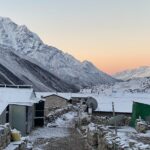
The Helicopter Return From Kalapathar Is the Real Time Saver
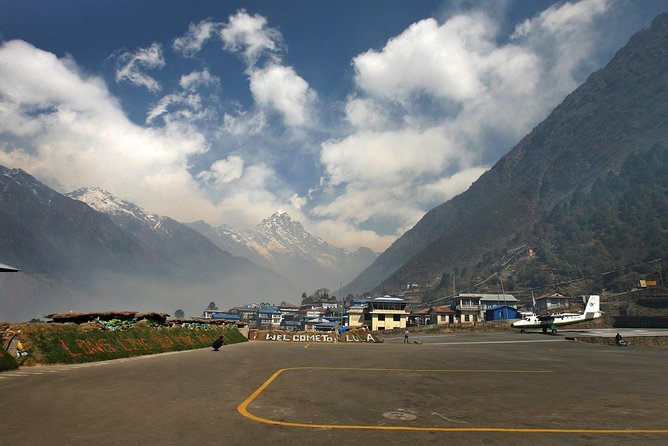
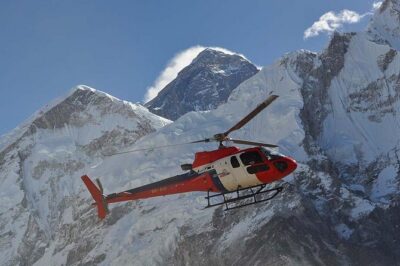
The highlight is not subtle. After you reach Everest Base Camp and then hike up to Kalapathar for those wide, dramatic panoramic views, you fly back to Kathmandu by group sharing helicopter instead of repeating the trek down to Lukla.
That single decision changes how the whole trip feels. On many Everest itineraries, your legs do the same work twice. Here, the schedule is built so the toughest part is the ascent and acclimatization up through the Khumbu area, then you cash out with a fast, high-impact return.
There is also a practical angle. By Day 9, you have already done the work of getting to the highest viewpoint area and seeing the Khumbu Glacier and icefall from the Base Camp region. A helicopter means you can keep your energy for recovery instead of spending another set of days hiking downhill.
Weather is the one consideration. This kind of flight is weather dependent, so your day 9 plan could shift if conditions are poor. The operator does note weather is required for the experience to run, and that you will be offered a different date or a refund if it is canceled due to weather.
Kathmandu Arrival Day 1: Settle In Without Extra Planning
You start in Kathmandu, with an airport meetup and transfer to your hotel. After that, the rest of Day 1 is free for exploring or resting.
Why I like this kind of opener: it gives you a proper night to catch up on sleep and eat without worrying about packing up for a climb the next morning. Kathmandu can be intense, but you are not forced into an immediate day of scrambling around.
Also note the tour includes airport pickup and drop-off by private vehicle as per the itinerary. That matters if you land tired, because you do not want to spend your first morning bargaining for taxis or trying to navigate unfamiliar streets.
Day 2 Trek From Lukla to Phakding: Green Valleys and First River Crossings
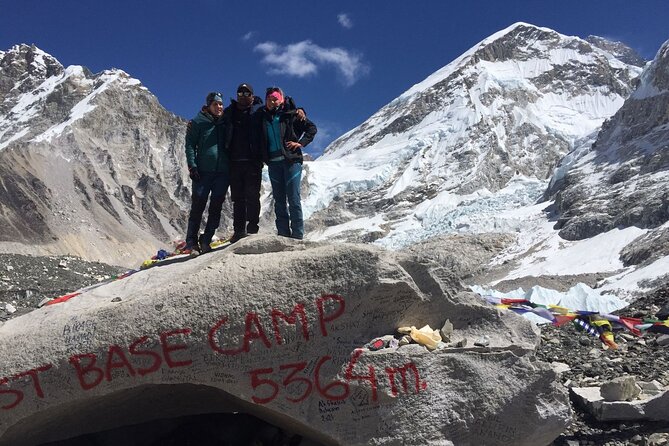
The plan moves quickly after breakfast. You drive to the domestic airport and fly to Lukla, then start trekking to Phakding.
This is a classic entry segment into the Khumbu world. The trail runs alongside the Dudh Koshi River, with pine forest scenery and that early sense that you are getting farther from everyday life. You cross the Hillary suspension bridge, one of those landmarks that puts a real marker on this region in your mind.
What to expect, practically:
- You are not climbing to extremes right away, but you are working.
- You should treat this day as warm-up legs, not a pace challenge.
- The included meals and tea house stay remove most day-to-day logistics stress.
Your landing in Lukla is not just a detail. It is the gateway to the Everest region, and the itinerary is built so you begin trekking almost right away, which keeps the trip tight at 10 days.
Day 3 Namche Bazaar: Acclimatization With Sherpa Culture Built In
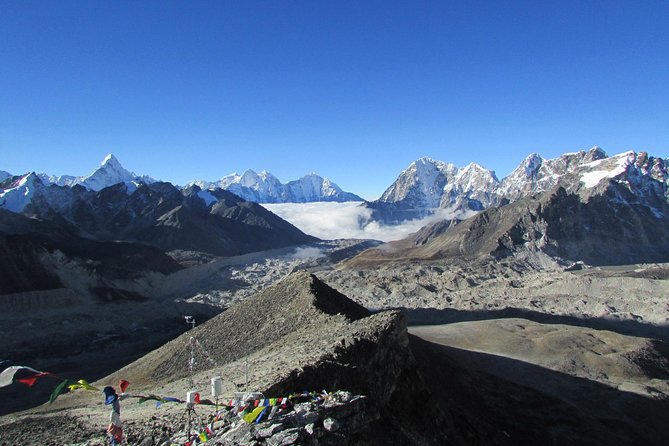
Day 3 continues after breakfast toward Namche Bazaar, the Sherpa capital and a key gateway into the Everest region. You spend substantial time on this stretch, and Namche is the place where most people start to feel altitude more clearly.
One of the nice touches is that the plan is not only about walking. There is also a Sherpa museum stop, timed around your route through Namche. That can be a welcome mental break from the altitude focus, since it gives context for the people who live and work in this area and shape trekking culture day after day.
You also move within Sagarmatha National Park, a protected area and UNESCO World Heritage site in this region. Having that formal context matters because it makes the trip feel more grounded, not just scenic walking.
A small note: the Sherpa museum is marked as not included, so if you want it, budget a little extra.
Other lodge to lodge routes near Kathmandu
Day 4 Everest View Hotel: The Acclimatization Day That Pays You Back
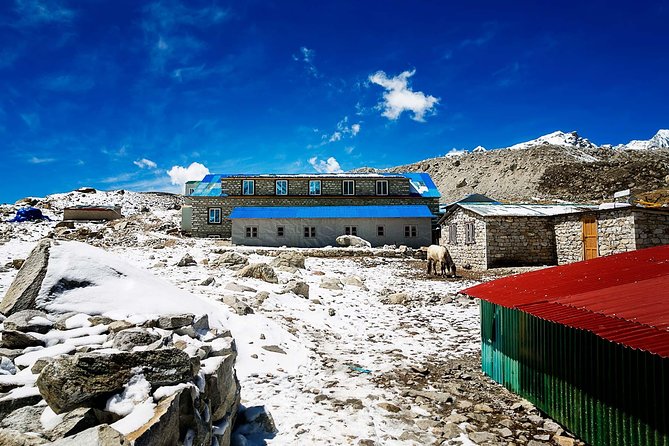
Day 4 is an acclimatization hike from Namche up toward the Everest View Hotel for big views of Mount Everest.
This is not a day to rush. It is a day to give your body time to adjust while still moving enough that the afternoon feels like progress. When you do acclimatization hikes well, you generally arrive at later days less wrecked.
This is also where I like having a defined destination instead of wandering. The plan sets the goal so you do not second-guess yourself. You also pass through Syangboche en-route, which keeps you on the route network most trekkers expect.
Day 5 Tengboche: Monastery Energy and the Khumbu Feel
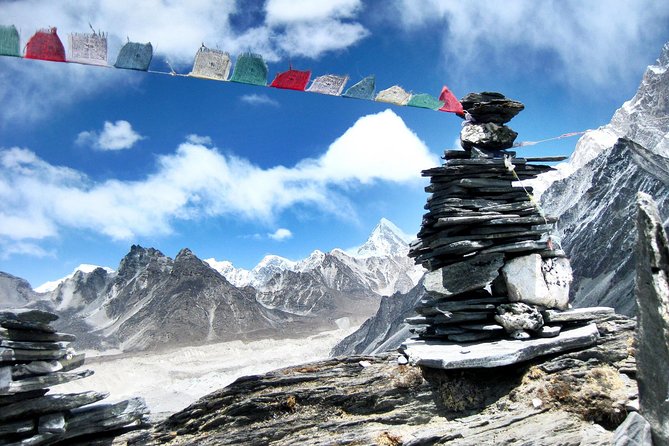
The trek continues with a mix of smoother sections and climbs. You pass places like Kayangjuma and Sanasa, then cross a Dudh Koshi bridge to reach Punki Tenga before continuing toward Tengboche.
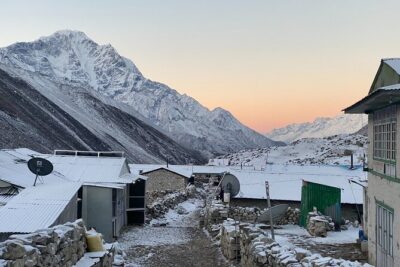
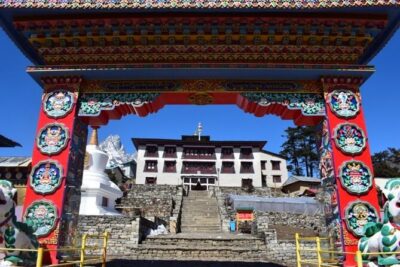
Tengboche is one of those stops people remember. It is known for having the largest monastery in the Khumbu region, and it sits in an area where mountains often feel close enough to touch, depending on cloud cover.
Practical reality check: monastery days are wonderful, but you still need to manage your pace and hydration like a serious trek. Tea houses make it easier because you are never improvising meals, but your body still needs consistent effort.
The itinerary schedules this day as taking around 12 hours. That is a long day by normal standards. If you want to feel good later, you will want to keep the pace steady instead of sprinting the easy parts.
Day 6 Dingboche: Imja Valley and Village-to-Village Breathing Room
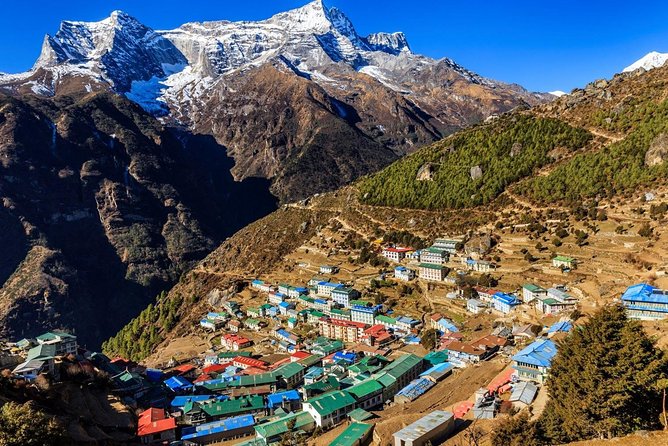
Day 6 works through the higher trail areas with chortens and mani walls, then crosses the Imja Khola and passes through Pangboche at 3900 meters before continuing toward Dingboche.
Dingboche is described as having an acclimatization stop, which signals what this day is for. It is a chance to move upward while giving your body another adjustment window.
I also like the way this day is framed as village-to-village movement. It tends to make the altitude feel less like a wall and more like a slow change. When you are tired, villages also provide familiar pacing breaks, especially with tea house stops built into the schedule.
Day 7 Toward Lobuche Area: Chola Lake Country and High-Valley Hiking
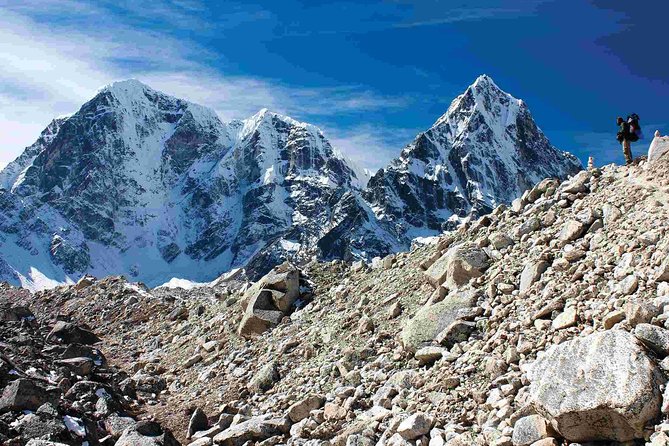
Day 7 climbs toward Duglha through the Khumbu Khola Valley. You pass Dusa and Phulung Karpo, reach Chola Lake, cross a small bridge, then ascend to Duglha.
This day is about steady high-altitude walking, with ups and downs and enough variation to keep your mind from going numb. It can also feel mentally long because you are above the lower forests and everything is more exposed.
The itinerary also references Lobuche peak being closer to the Khumbu Glacier, with east and west peaks. Even if your exact sightlines vary, you should expect that glacier and icy terrain are part of the mood shift as you get closer to the Base Camp approach.
Day 8 Everest Base Camp and Gorakshep: Icefall, Glacier Views, and Real Achievement
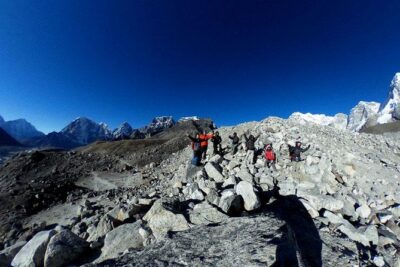
This is the day most people dream about. You hike from Gorakshep to Everest Base Camp, then return to Gorakshep.
The plan specifically highlights that you will witness the Khumbu Glacier and icefall when you reach the Base Camp area. That is a powerful combo: huge scale from the glacier, and a sense of motion and danger from the icefall zone.
The day includes two key site stops:
- Everest Base Camp, with a 30-minute visit
- Gorakshep, described as the last stop for the trek
How to make this day feel good:
- Keep your Base Camp time intentional. You want the photos, sure, but also some stillness.
- Do not burn your legs on the walk out to the viewpoint and back. Save energy for Day 9.
Tea house stays at Gorakshep are included, which also helps because you are not scrambling for dinner plans at the most exhausting stage.
Day 9 Kalapathar Sunrise Views and the Helicopter Back to Kathmandu
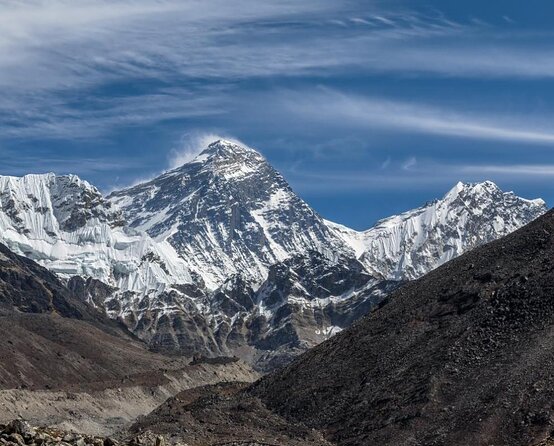
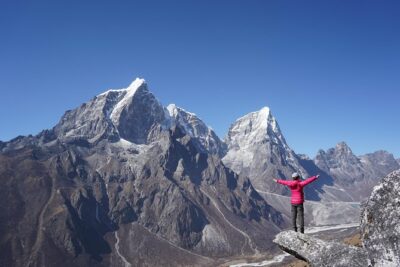
Day 9 is a big finale: you hike to Kalapathar, a popular Himalayan viewpoint known for 360-degree panoramic views of the Khumbu mountains including Everest.
That 360-degree part is the reason people love this stop. It is not just a single mountain shot. You tend to see the range, the valley geometry, and the glacier context that makes Base Camp mean more.
After Kalapathar, you fly back to Kathmandu on the group sharing helicopter.
This is where the itinerary really earns its name. The helicopter does not just remove a tough hike. It turns your finale into a smooth transition from high-altitude views to a normal day in the city.
Day 10 Kathmandu Exit: Airport Transfer and Easy Landing
After breakfast, you are transferred to the international airport to go home or to your onward destination.
This kind of simple ending matters. After you finish a trek, the last thing you want is to figure out transport timing. The plan is set up so you can move from recovery mode to travel mode with less friction.
The $3,400 Price: What You Get, What It Costs You Less For
Let’s talk value, not just sticker shock.
At $3,400 per person, you are paying for a fully packaged service that includes:
- Kathmandu hotel accommodation with breakfast
- All trek tea house accommodation
- Trek meals (breakfast, lunch, dinner)
- Flights from Kathmandu to Lukla
- Helicopter return to Kathmandu
- Airport transfers
- An experienced English speaking trekking guide plus porters (1 porter for 2 trekkers)
- Permits and TIMS
- Included gear like a down jacket, sleeping bag, and walking pole
- Duffle bag, map, and a trip achievement certificate
- Taxes, VAT, office service charge, landing, and facility fees
That gear detail is a real money saver. Many trekking budgets get hit by rental costs for sleeping bags, cold-weather layers, and poles. If those are included here, you reduce both the cost and the hassle.
What you still need to budget for:
- Lunch and dinner in Kathmandu are not included
- Nepal entry visa fee is not included (you are asked to bring accurate USD cash and two passport photographs)
- Personal expenses like phone calls, internet, laundry, bar bills, hot shower, and battery recharge
- Any kind of drinks are not included, including tea, coffee, hot chocolate, boiled water, and bottled water
So the way I look at it: you are paying for certainty and reduced decision fatigue. In a trek where weather, timing, and altitude already add stress, paying for included core logistics can be worth it.
Guides and Service: What People Seem to Value Most
The reviews you shared point to a repeat theme: smooth management and a guide team that genuinely helps you feel taken care of.
Names that came up include guides Dipak and Ram, plus an assistant named Rabi. Other trip contact and coordination names like Binayak also appear, with praise for quick communication before the trek. One review also specifically mentions Ramesh Sapkota, with the note that he helped keep everyone safe and healthy.
Porter names like Ram and Santos are also mentioned, which is a good sign. When porters feel respected and responsive, your trek feels lighter even if you are carrying a shared bag or keeping your load system simple.
Translation for you: this itinerary is demanding, but you are not meant to handle it solo. You should look for and respect the rhythm your guide recommends, especially around acclimatization days.
Who Should Book This 10-Day Everest Base Camp With Helicopter Return
This is best for you if:
- You want a tight 10-day schedule but still includes acclimatization time through Namche and Dingboche
- You value the big payoff of the helicopter return rather than repeating the descent hike
- You prefer small group travel, with a max group size of 15
- You want tea house comfort and a meal plan handled, instead of constantly planning food logistics
- You like having porters and guide support, with 1 porter for 2 trekkers
It may not be the best match if:
- You dislike any schedule dependency on weather, since helicopter and flights require good conditions
- You want full control over every day’s pace and stop, since this plan is structured and guided
Also, it says travelers should have moderate physical fitness level. So if you are aiming for a gentle stroll, this probably will not fit. If you can handle long walking days and altitude exposure with a steady pace, it is a realistic target.
Should You Book This Trek?
I’d lean yes if your top priorities are Everest Base Camp plus Kalapathar views and you really do not want the backtracking grind. The included basics, from permits to tea house meals to cold-weather gear, make it easier to budget and pack smart.
Before you book, do two quick reality checks:
- Are you okay with weather-sensitive flight days in the Everest region?
- Can you commit to steady trekking effort on multiple long days, including the acclimatization segments?
If you answer yes to both, this 10-day plan offers a clean, high-reward arc: fly in, trek up with guidance, reach Base Camp, then finish with a helicopter ride back to Kathmandu instead of repeating the same trail.
FAQ
What time does the trek start, and where do I meet?
The start time is listed as 6:15 am, and the trip begins in Kathmandu, with airport arrival and transfer included.
What’s included for lodging and meals during the trek?
You get tea house accommodation during the trek, plus meals (breakfast, lunch, and dinner) during trek days. Kathmandu accommodation also includes breakfast, while lunch and dinner in Kathmandu are not included.
How do the flights to Lukla and the helicopter ride back work?
You fly from Kathmandu to Lukla as part of the trip, and after trekking to Kalapathar you fly back to Kathmandu by group sharing helicopter.
Are Everest Trek permits and TIMS included?
Yes. The Everest Trek permit and TIMS card are included in the package.
Are porters and trekking gear included?
Yes. The tour includes an experienced English speaking trekking guide and necessary porters, with a ratio of 1 porter for 2 trekkers. Trek gear is also included, including a duffle bag, down jacket, sleeping bag, and walking pole.
What group size and fitness level does the tour require?
The maximum group size is 15 travelers. The tour notes you should have a moderate physical fitness level.
Lodge to Lodge Around Kathmandu
The Rest of Our Kathmandu Write Ups

Base Camp, Three More Ways
Everything else we have reviewed around Kathmandu
- 12 Days Everest Base Camp Trekking
★ 5.0 · 3 reviews - 1 Night 2 Days Chitwan Jungle Safari Tour from Pokhara or Kathmandu
★ 3.0 · 3 reviews - Thamel Rickshaw tour
★ 4.7 · 3 reviews - Kathmandu: Momo Making Class with a Local Chef
★ 5.0 · 3 reviews - Kathmandu: Full-Day Yoga, Body Massage and Pedicure Package
★ 5.0 · 3 reviews - From Kathmandu / Pokhara / Chitwan: River Rafting – 1 Day
★ 4.6 · 3 reviews
Everest Base Camp Treks worth a second look.
 ★ 5.0Everest Base Camp Trek – 14 DaysFrom $1,8001,499 reviews
 ★ 5.0Everest Base Camp TrekkingFrom $1,350485 reviews
 ★ 5.0Everest Base Camp Trekking – 13 DayFrom $1,399365 reviews
★ 5.0Everest Base Camp Trek -14 DaysFrom $1,420321 reviews
 ★ 5.0Everest Base Camp Trekking – 2025/2026From $1,339199 reviews
 ★ 5.0Everest Base Camp TrekFrom $1,408193 reviews
 ★ 5.0Everest Base Camp Trek with Helicopter Return from Gorakshep to LuklaFrom $3,000161 reviews
14-Days Private Everest Base Camp TrekFrom $1,600152 reviews
Lists this tour sits in