
REVIEW · EVEREST BASE CAMP TREKS
Everest Basecamp Trek: 14 days
Everest Base Camp is the kind of goal that makes your camera roll feel guilty. This 14-day trek from Kathmandu to Lukla and deep into the Everest region gives you the classic rhythm: fly in, hike up in stages, rest to adjust to altitude, and finish with the sunrise viewpoint at Kala Patthar.
Two things I like a lot about this trip: you get a licensed, English-speaking trekking guide plus first-aid support in the group, and you travel with real infrastructure handled for you, from permits to airport transfers and porter help (1 porter for every 2 clients). One thing to keep in mind, though: the itinerary includes early mornings and tough uphill stretches, and the Lukla flight can be weather-dependent, so you need flexibility on day 2.
In This Review
- Key Highlights You’ll Actually Feel on the Trek
- A 14-Day Everest Base Camp Trek With a Clear Plan
- Kathmandu in Thamel, Then You Start Moving for Real
- Lukla Flight Day: Tiny Airport, Big Consequences
- Phakding to Namche Bazaar: Bridges, Uphill, and Altitude Pacing
- Namche Rest Day With a Hike to Syangboch(e)
- Tengboche and the Gompa Morning You Don’t Want to Miss
- Nangkartshang Peak: A Short Altitude Day With Big Purpose
- From Dingboche Toward the Khumbu Glacier Route
- Everest Base Camp Day: Steep Hike, Then the Payoff
- Kala Patthar Before Sunrise: The View Hike
- The Descent: Back to Namche, Then Down Through Forest Paths
- Fly Back to Kathmandu With Aerial Views
- Price and Logistics: What $1,650 Really Buys You
- What to Expect Each Day, In Plain Terms
- Who This Trek Is Best For
- Should You Book This Everest Base Camp Trek?
- FAQ
- How long is the Everest Basecamp trek?
- Where does the tour start in Kathmandu?
- Are the flights to and from Lukla included?
- What accommodations are included?
- What meals are included during the trek?
- Is travel insurance included?
- What is the cancellation policy?
Key Highlights You’ll Actually Feel on the Trek
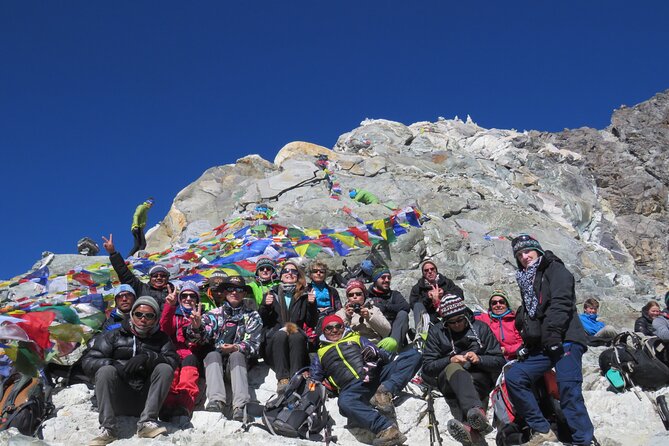
- Kala Patthar before sunrise: early start, big mountain panorama payoff, ideal for Everest views.
- Acclimatization built into the route: Namche rest day and an extra altitude day after Namche help you pace safely.
- Tengboche monastery morning: you get time to explore the gompa before moving on.
- Porters for your luggage: 1 porter for every 2 clients means you keep your energy for the trail.
- Everest Base Camp via the glacier route: steep hiking from the Gorak Shep area toward Base Camp.
- Private trek experience: it’s described as private, so your group is not mixed with strangers.
Other routes to Base Camp, side by side
A 14-Day Everest Base Camp Trek With a Clear Plan
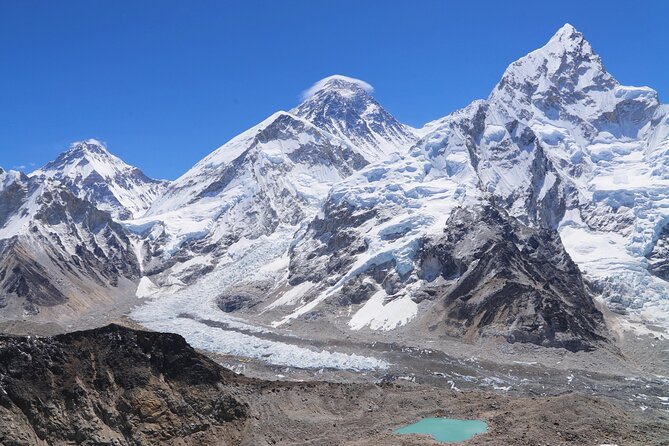
This trek is built around one idea: you do not just rush uphill and hope for the best. The route gives you altitude breaks, village-to-village days that build gradually, and the big “someday I’ll do this” moments at the right times. You’ll also get a guided experience where the logistics are not left to guesswork, which matters a lot when you’re moving through remote areas with limited services.
The pace will feel serious. Some days include steep climbs, suspension bridge crossings, and long stretches at higher elevation. If your goal is truly “see Everest up close,” you still need to meet the trek halfway with decent fitness and a willingness to hike early.
On top of that, you’re not starting in the mountains. You begin in Kathmandu, in Thamel, which is where you can settle in, get supplies, and handle any last-minute details before the flight to Lukla.
Kathmandu in Thamel, Then You Start Moving for Real
Day 1 is basically your runway to the trek. You land at Tribhuwan International Airport, and the Iconic Holiday Nepal team meets you inside the terminal with a board showing your name and their company name. Then you transfer to Thamel, the central Kathmandu area where you’ll find restaurants, hotels, and a lot of travel shops.
Why Thamel works for a trek like this: you can confirm gear, ask practical questions, and get your sleep schedule ready. It’s also where your energy shifts from travel mode to “trail mode.” Instead of being dropped into a random neighborhood, you’re placed in the zone designed for travelers who have one job: get ready.
Then comes the day that turns the trip from planning into hiking. You fly early to Lukla.
Lukla Flight Day: Tiny Airport, Big Consequences
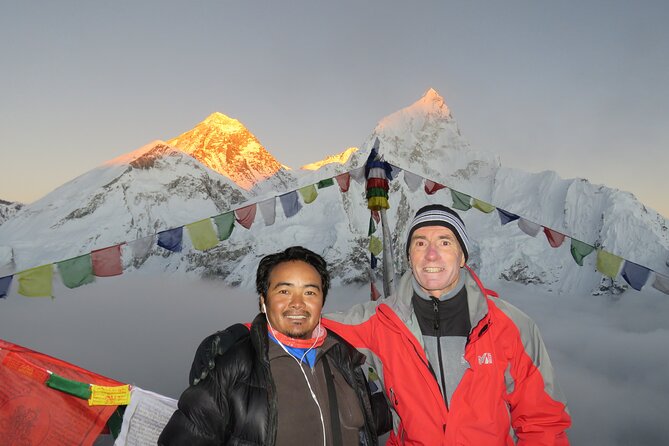
Lukla is where Everest trekking starts for many people, and this itinerary does it the standard way: early morning flights to Lukla. You’ll notice the schedule depends on flight status, so departures could be from Kathmandu airport or Manthali.
Two practical points to know about this day:
- Lukla Airport is described as one of the busiest during trekking season.
- It’s also considered one of the most dangerous airports due to the terrain.
That does not mean the trip is chaotic. It means you should treat the flight day like a serious appointment, not casual transportation. Keep your phone charged, have your documents easy to grab, and don’t schedule your most important life tasks immediately before or after the trek.
Once you land, the trek begins with a classic route segment toward Namche Bazaar.
Phakding to Namche Bazaar: Bridges, Uphill, and Altitude Pacing
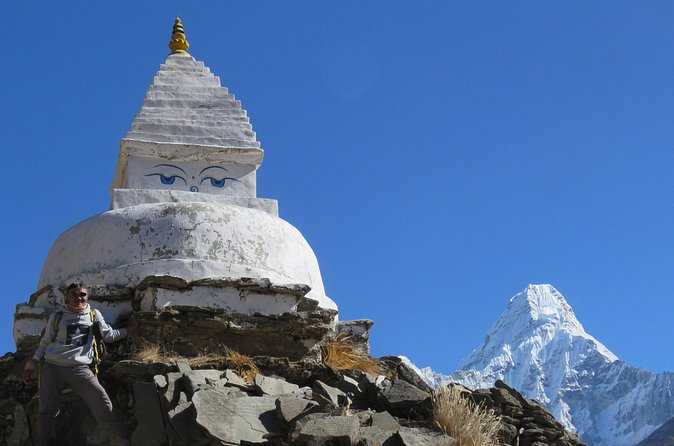
On day 3, you hike the Phakding to Namche Bazaar trail. The description calls this segment “a bit tough,” with uphill walking after leaving Phakding and frequent suspension bridge crossings. Along the way, you pass settlement areas and continue toward the main high-altitude hub.
Then you reach Namche Bazaar, a modern-style base in the Khumbu region. This is where tea houses, restaurants, and hotels are common. More importantly, it’s where you pause. The itinerary includes two days at Namche, which is not idle time. It’s your chance to reduce the risk of altitude sickness by letting your body adjust.
This is the part of the trek that many people underestimate. You don’t conquer altitude with willpower. You do it by pacing, resting, and following the plan. This itinerary leans into that.
Other lodge to lodge routes near Kathmandu
Namche Rest Day With a Hike to Syangboch(e)
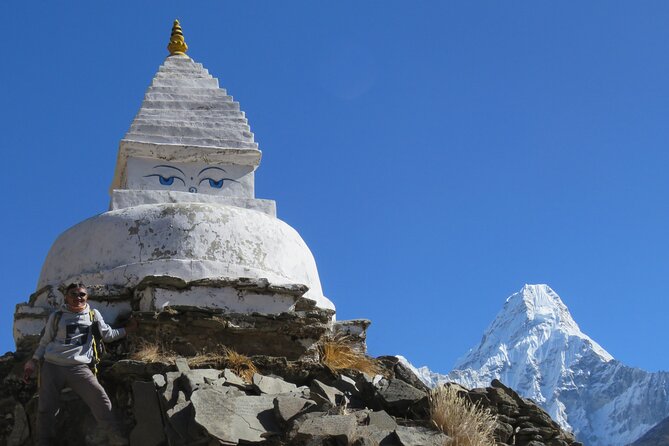
Day 4 is a rest day, but not a couch day. You’ll go on an early hike to Syangboch(e). That kind of short climb is a standard strategy: you increase exposure gradually, then return to your sleeping altitude to recover.
Here’s what I think you should pay attention to on this day:
- Keep the pace slow and controlled. If you feel like you’re breathing too hard, that’s your cue to slow down even more.
- Stop for breaks before you’re totally drained. You want your legs to feel better by the afternoon, not worse.
- Hydrate and eat what you can. Your body is working even when you’re not “climbing.”
The itinerary is clearly designed to reduce the chance you rush the altitude too fast. It’s one of the biggest reasons this trek feels safer than the “hard grind every day” versions.
Tengboche and the Gompa Morning You Don’t Want to Miss
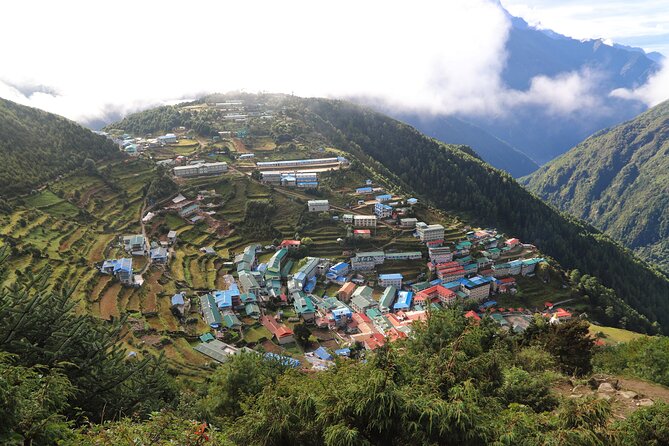
After Namche, day 5 heads toward Tengboche. The trek description notes a route that initially descends to the Dudh Kosi valley, reaches Phungi Thanka, passes the Imja Khola, and keeps ascending.
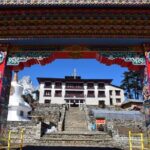
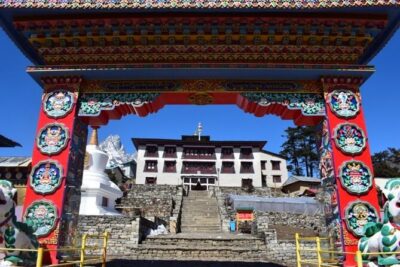
This is a meaningful day because Tengboche sits at a spiritual and cultural crossroads. On day 6, you get an early morning visit to the Tengboche monastery (the gompa). The itinerary explicitly says you take your time to explore it after breakfast.
Then you continue trekking, descending toward the Imja River and moving past Pangboche village, with fluttering prayer flags along the way.
Two reasons I’d call this section a highlight:
- You’re not just hiking past places, you’re spending time in a cultural site.
- The trail alternates uphill and downhill enough that it feels varied, not monotonous grind.
If you like the idea of meeting the Sherpa culture through daily life, this is where it becomes more than a marketing line.
Nangkartshang Peak: A Short Altitude Day With Big Purpose
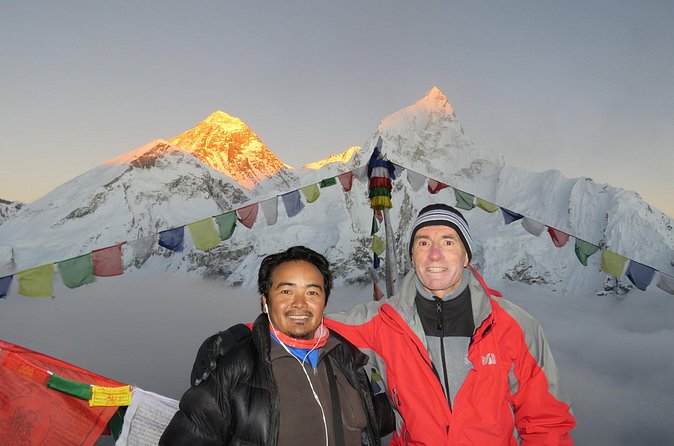
Day 7 includes another altitude-focused stop, described as Nangkartshang Peak, with a short duration listed. The itinerary frames this as an essential rest and acclimatization day after Namche.
Even if that hike is brief, the purpose is serious: your body needs time to adapt to the thinner air. This is also a good day mentally. You’re close to the higher region now, and having one more organized pause helps you stay steady rather than anxious.
A practical tip for this day: treat it like a warm-up, not a competition. If you push hard here, you’ll feel it later during the glacier-zone segments.
Then the plan continues upward toward the Everest Base Camp approach.
From Dingboche Toward the Khumbu Glacier Route
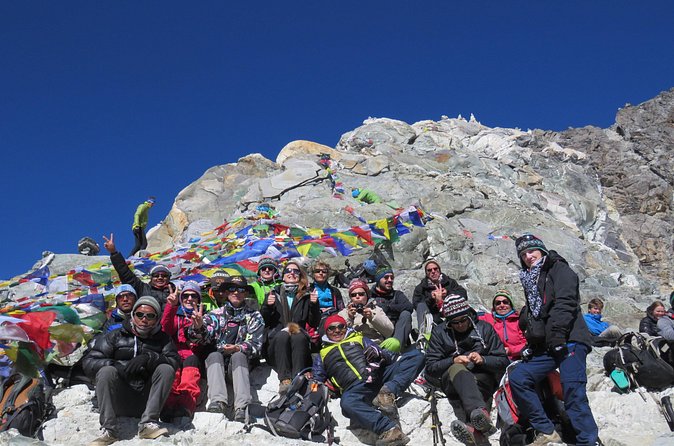
Day 8 transitions you from Dingboche onward. The description notes a gentle trek via bare fields, then a trail that gradually becomes steep, with a hike to Dughla along a glacial route.
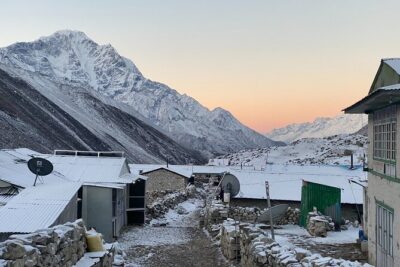
You’ll feel the change in environment here. Bare, cold-looking terrain and the higher, more exposed feeling of the trail are part of why people remember this day. It’s also a sign you’re getting closer to the high end of the trek.
I like that the itinerary doesn’t skip this phase. It sets you up for day 9 by moving you toward the gorak shep style staging area.
And day 9 is the one you came for.
Everest Base Camp Day: Steep Hike, Then the Payoff
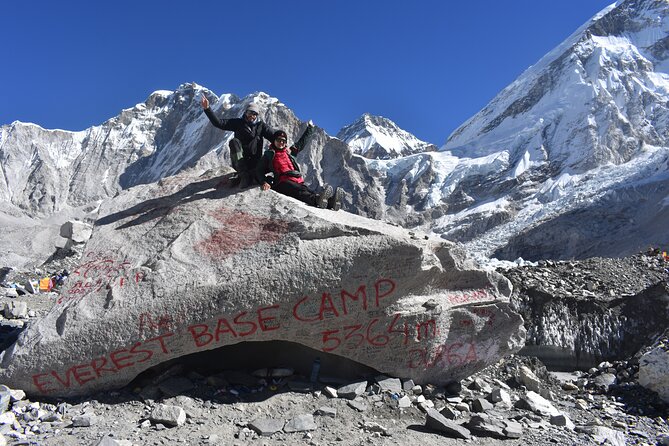
Day 9 is Everest Base Camp. The trek description says the trail ascends steeply along the Khumbu glacier from Lobuche. You reach Gorka Shep (also spelled Gorak Shep in many trek contexts), which is described as the area that used to be base camp for Mt. Everest back in the day.
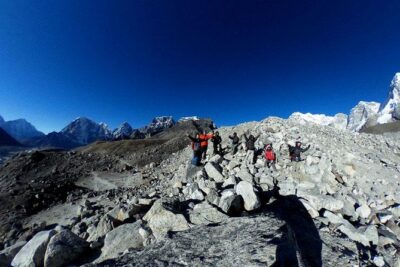
Then you push onward for the Base Camp visit. This day is physically demanding, mostly due to the altitude and the steepness described. But it’s also emotionally simple: you reach the goal.
What makes this day work in this itinerary is the staging. You’re already at the higher area, so you’re not doing a huge altitude jump all at once. You’re taking the glacier route, then living with the altitude for the final stretch.
If you’re the type who wants to photograph everything, you’ll understand why people love this day. Just don’t let the excitement steal your pacing. Breathe first, pose later.
Kala Patthar Before Sunrise: The View Hike
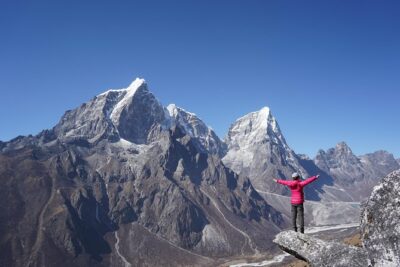
Day 10 is the famous early hike to Kala Patthar before sunrise. This viewpoint sits above Gorak Shep and is described as offering a breathtaking mountain panorama.
This is the moment when the trek’s effort becomes visible. The logistics also fit the way altitude trekking works: you start early, you climb when the air feels best, and you aim for clear views around sunrise.
Even if sunrise is cloudy or visibility is limited, the climb is still part of the experience. You’re moving through the thin-air zone with a purpose, and you get a strong sense of scale for the Everest region.
If you’re unsure about tackling Kala Patthar, consider that this itinerary is already built with rest days and pacing. Most people can do it with a steady, slow climb.
The Descent: Back to Namche, Then Down Through Forest Paths
The return days can be almost as important as the climb, because downhill fatigue surprises people. Day 11 starts after a hearty breakfast, moving down to Namche along the trail you previously took. You pass Pangboche village, then head through Tengboche village again, and cross a suspension bridge to continue down.
Day 12 keeps dropping in altitude. The description says you first steeply descend, then join a densely forested path through small settlements. You cross the Dudh Koshi River multiple times on suspension bridges.
This is a good place to mention a simple gear reality: bring footwear that handles long descents. Also, expect your knees to complain if you go too fast. The itinerary gives you the trail segments, so you’re not left improvising.
By day 13, you’re ready to stop hiking and start flying.
Fly Back to Kathmandu With Aerial Views
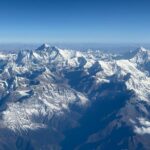
Day 13 is a change of pace. You hike less, then fly back to Kathmandu. The itinerary notes the flight is phenomenal, with enchanting aerial views. After landing, you’re dropped at the hotel, and you get time to enjoy the remainder of your trip.
Day 14 is the finish. A representative drops you at the airport according to your departure time.
This two-day wrap-up matters because it prevents the classic problem of leaving the region and immediately rushing to the next obligation. You get a buffer day in Kathmandu where you can recover and enjoy meals without altitude doing the math on your energy.
Price and Logistics: What $1,650 Really Buys You
The price is $1,650.00 per person for this 14-day experience. That sounds like a lot until you break down what’s included and what’s not.
Included items that usually cost real money:
- Permits
- Round-trip airfare between Kathmandu and Lukla
- Accommodation in a tourist standard hotel for 2 nights in Kathmandu with breakfast
- Twin-sharing guesthouse accommodations during the trek for 11 nights
- All airport transfers on a tourist vehicle
- A government licensed English-speaking trekking guide with first-aid training
- Porters during the trek for carrying luggage (1 porter for every 2 clients)
- Meals on the trek: 11 lunches, 14 breakfasts, 11 dinners
Not included, so you must plan for:
- Meals in Kathmandu (lunch and dinner)
- International airfare and airport departure tax
- Beverages, including bottled and boiled water
- Travel insurance with high-altitude emergency evacuation coverage
- Tips to trekking staff and driver
Value check: this itinerary is not only “a guide and some beds.” It’s also flights to the critical access point (Lukla), permits, and porter logistics. For many travelers, that’s where cheaper packages become a trap, because you later pay for flights, permits, or staffing anyway.
One more practical note: you should budget for water and beverages. The trek includes meals, but drinks are on you.
What to Expect Each Day, In Plain Terms
If I were giving you the blunt version of the daily rhythm:
- Kathmandu day: easy settling in, short time in Thamel, then sleep.
- Lukla day: early flight.
- Middle trek: a mix of uphill climbs, bridge crossings, village walking, and rest days for altitude.
- Tengboche: monastery morning and cultural time.
- Glacier approach: steeper, more exposed walking toward Base Camp.
- Base Camp and Kala Patthar: the big emotional days.
- Return: lots of descent, forest paths, bridge crossings, then flight back.
This is a true trek. You’re not on a city schedule. The itinerary works because it respects altitude with multiple days that slow you down when it matters.
Who This Trek Is Best For
This trek is described as suitable for travelers with moderate physical fitness. That means you should be comfortable hiking several hours a day and handling steep sections without panic.
It also fits if you want:
- A guided experience with permits, transfers, and porter support handled.
- A route that includes acclimatization, not just a hard push.
- The signature Everest Base Camp and Kala Patthar moments.
If you hate early mornings, this itinerary will still ask a lot of you. Kala Patthar is before sunrise, and the rest of the trek runs on mountain timing.
If you’re traveling with limited flexibility for flight delays, you should also consider that Lukla flights depend on status and weather.
Should You Book This Everest Base Camp Trek?
I think this is a strong choice if you want a well-structured Everest Base Camp trek where the heavy logistics are handled and the itinerary includes altitude pacing. The mix of guided culture time at Tengboche, rest days in Namche and after, and the dedicated Kala Patthar sunrise hike makes it feel like a complete Everest experience.
Book it if:
- You want permits and flights included, not added later.
- You want porter help and a licensed guide with first-aid training.
- You’re okay with early starts and steep trail days.
Skip or ask more questions if:
- You’re not comfortable with a demanding trek, even with rest days.
- You need full control of meals and drinks daily, since Kathmandu meals and beverages are not included.
- You have not planned travel insurance with high-altitude emergency evacuation coverage.
FAQ
How long is the Everest Basecamp trek?
The trek is scheduled for 14 days approximately.
Where does the tour start in Kathmandu?
The start point is Tribhuvan Airport, Kathmandu, Nepal.
Are the flights to and from Lukla included?
Yes. Round-trip airfare between Kathmandu and Lukla is included.
What accommodations are included?
You get accommodation in a tourist standard hotel for 2 nights in Kathmandu (breakfast included) and twin-sharing guesthouse accommodation during the trek for 11 nights in the Everest region.
What meals are included during the trek?
During the trek, lunch is included 11 times, breakfast is included 14 times, and dinner is included 11 times. Meals in Kathmandu (lunch and dinner) are not included.
Is travel insurance included?
No. Travel insurance is not included, and the plan specifies that you should have high-altitude emergency evacuation coverage.
What is the cancellation policy?
You can cancel up to 24 hours in advance of the experience for a full refund.
Lodge to Lodge Around Kathmandu
The Rest of Our Kathmandu Write Ups

Base Camp, Three More Ways
Everything else we have reviewed around Kathmandu
- 12 Days Everest Base Camp Trekking
★ 5.0 · 3 reviews - 1 Night 2 Days Chitwan Jungle Safari Tour from Pokhara or Kathmandu
★ 3.0 · 3 reviews - Thamel Rickshaw tour
★ 4.7 · 3 reviews - Kathmandu: Momo Making Class with a Local Chef
★ 5.0 · 3 reviews - Kathmandu: Full-Day Yoga, Body Massage and Pedicure Package
★ 5.0 · 3 reviews - From Kathmandu / Pokhara / Chitwan: River Rafting – 1 Day
★ 4.6 · 3 reviews
Everest Base Camp Treks worth a second look.
 ★ 5.0Everest Base Camp Trek – 14 DaysFrom $1,8001,499 reviews
 ★ 5.0Everest Base Camp TrekkingFrom $1,350485 reviews
 ★ 5.0Everest Base Camp Trekking – 13 DayFrom $1,399365 reviews
★ 5.0Everest Base Camp Trek -14 DaysFrom $1,420321 reviews
 ★ 5.0Everest Base Camp Trekking – 2025/2026From $1,339199 reviews
 ★ 5.0Everest Base Camp TrekFrom $1,408193 reviews
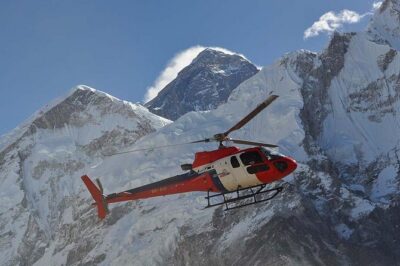 ★ 5.0Everest Base Camp Trek with Helicopter Return from Gorakshep to LuklaFrom $3,000161 reviews
14-Days Private Everest Base Camp TrekFrom $1,600152 reviews
Lists this tour sits in