
REVIEW · EVEREST BASE CAMP TREKS
Everest Three Pass Trek
Everest Three Pass Trek is high drama on a well-run schedule. You tackle three altitude passes in the Khumbu, with views of the Mahalangur Himalaya that feel bigger each day, from Namche foothills to the stark worlds above Gorakshep and Gokyo. I like that the trip is built for serious walkers, not casual sightseeing, and that it pairs hard days with real acclimatization.
Two things I really like: first, you get a local government licensed English speaking guide plus enough staff and porters that your main focus is your trekking pace. Second, the included gear support is practical, with a down jacket and sleeping bag provided for the cold nights, plus permits handled for you. The main drawback to consider is simple: this is a physically demanding trek with steep climbs and snow-covered pass crossings, so weak cardio or low altitude comfort will feel unforgiving.
In This Review
- Key Things That Make This Trek Worth the Effort
- Three Pass Trek: What This Route Gives You That Others Don’t
- Price and What the $1,800 Covers (And Why It Adds Up)
- Fitness and Altitude: The Gatekeepers You Should Respect
- Day-by-Day: How the Trek Flows From Lukla to Namche and Back
- Kongma La, Cho La, Renjo La: What These Pass Days Feel Like
- Kala Patthar Sunrise: When the Trip Starts Paying You Back
- Guesthouses, Meals, and the Comfort Math
- Guides, Porters, and Why Organization Matters on Hard Days
- Who Should Book This Trek, and Who Should Think Twice
- Should You Book This Everest Three Pass Trek?
- FAQ
- What is the duration of the Everest Three Pass Trek?
- Which passes are included on this itinerary?
- Are meals and guesthouse stays included?
- What trekking gear is provided?
- Are national park and TIMS permits included?
- Where do we meet in Kathmandu, and is pickup offered?
- What happens if poor weather forces cancellation?
Key Things That Make This Trek Worth the Effort
- Three big passes at 5,000m-plus, including Kongma La (5535m), Cho La (5420m), and Renjo La (5360m)
- Cold-weather gear included, including a down jacket and sleeping bag you return after the trek
- Real acclimatization time in Namche and a rest day in Gokyo, not just nonstop climbing
- Classic Khumbu trail variety, from suspension bridges over Dudh Koshi to prayer-wheel country near Phunke Tenga
- Guides and Sherpa support culture, with the provider known for organized trips and helpful leadership, including names like Nabracht, Shiva, and Jwala
Other routes to Base Camp, side by side


Three Pass Trek: What This Route Gives You That Others Don’t
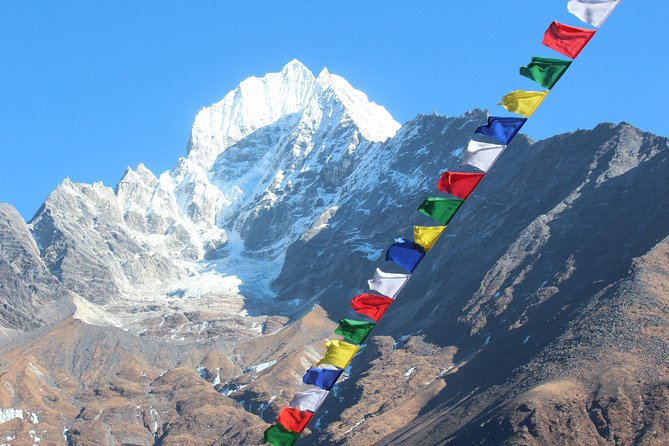
This itinerary targets the Khumbu’s headline moments, but it does it in a smart loop. Instead of only hiking toward one destination, you earn your views three times by pushing over Kongma La, then Cho La, then Renjo La. That repetition matters, because you start to understand how weather, light, and fatigue change the mountains hour by hour.
I also like the rhythm of the route. You get river valleys and Sherpa towns early, then you transition into the harsher, stonier, colder terrain around Gorakshep. The trek keeps handing you new mountain neighborhoods, so the trip never feels like “the same trail with different rocks.”
Price and What the $1,800 Covers (And Why It Adds Up)
At $1,800 per person, this is not a budget trek. What makes it feel more reasonable is that the price includes a lot of the costs that surprise people later.
Here’s what’s covered:
- Domestic airfare Kathmandu to Lukla and back, including airport tax
- National park entry permit plus TIMS permit
- Best available guesthouses during the trek, mainly twin sharing
- Meals while trekking: breakfast 14, lunch 14, dinner 14
- A staffed setup: guide, porters, and trekking staff, including food, accommodation, salary, insurance, and equipment support for them
- Down jacket and sleeping bag, plus a duffel or kit bag that you return after the trek
- Basic medical coverage through first aid medical kits, plus land transport as needed
What is not included is also important to know up front: international flights, personal trekking equipment, tips, alcohol and drinks, laundry, and hot shower type extras. If you already own proper cold-weather layers and don’t need much else, you might spend less overall. If you need to buy core gear, your total cost can rise quickly.
Fitness and Altitude: The Gatekeepers You Should Respect
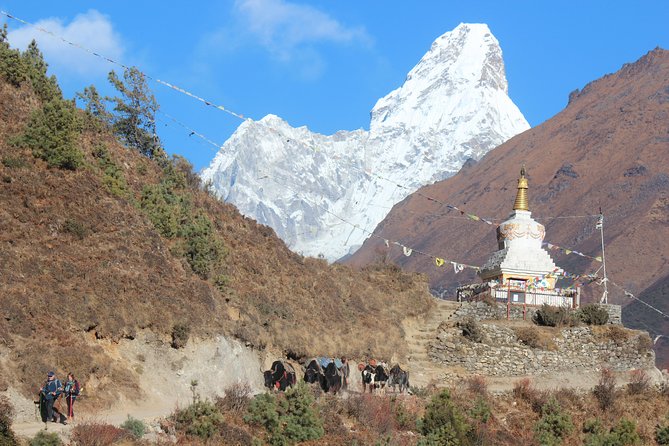
The trek is described as the most challenging and adventurous in the Khumbu region, and the daily design backs that up. Passes land you at elevations like Kongma La (5535m), Cho La (5420m), and Renjo La (5360m), and you also spend time above 5,000m around Kala Patthar and Gorakshep.
I’d treat the fitness requirement as more than “walk comfortably for a few hours.” You’ll be doing steep climbs, rough stony sections, and snow-covered crossings. Even if you feel strong on day 2 or 3, fatigue plus altitude can make day 7, 8, and 10 feel like different treks.
Practical takeaway: plan training that builds consistent climbing power, not just long flat walks. Also, keep expectations realistic about pace. The itinerary includes rest and acclimatization, but it still demands steady effort.
Day-by-Day: How the Trek Flows From Lukla to Namche and Back
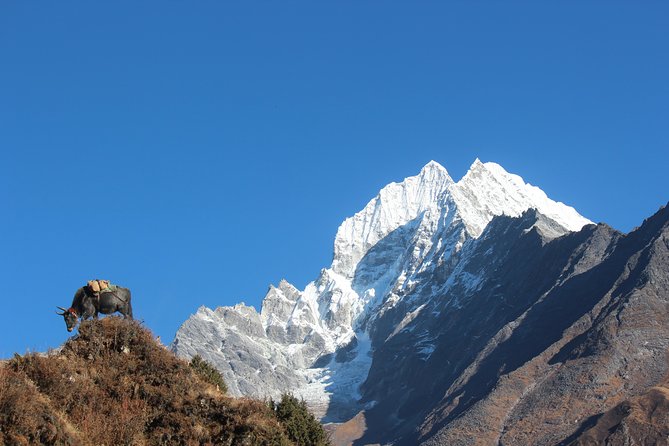
Day 1 starts with the classic Nepal mountain move: a flight to Lukla. After landing at Tenzing-Hillary Airport, you’re immediately in the Khumbu mindset, where the first day is about setting rhythm for the trek ahead.
Day 2 follows the Dudh Koshi River. You’ll cross suspension bridges strung with prayer flags, then enter Sagarmatha National Park. This day is about getting your legs ready while soaking in the valley feel before the high-country sterility takes over.
Day 3 is acclimatization in Namche. You explore Sherpa town life and take a short uphill to Everest View Hotel for views of major peaks like Nuptse and Thamsherku (and other surrounding giants). This is the kind of day that helps you enjoy later mornings, not just survive them.
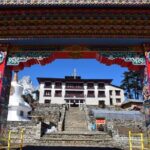
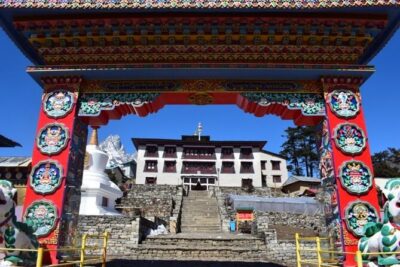
Day 4 climbs upstream along Dudh Koshi again, with a notable change of scenery when you reach prayer wheels near Phunke Tenga. From there, you hike above Imja Khola and reach Tengboche, a key village stop that breaks up the ascent into something more memorable than “just elevation.”
Day 5 is another jump upward toward Dingboche. The route passes Pangboche and puts you in the orbit of big sights like Ama Dablam, Lhotse, and Everest. It’s one of those days where you feel the altitude before you fully feel it.
Day 6 pushes to Chhukung instead of staying longer in Dingboche. The logic is clear: you save energy for the next day’s pass approach. This kind of planning matters, because when you’re carrying less worry about “getting stuck,” you can move more confidently.
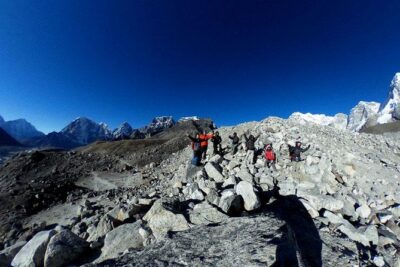
Day 7 is your first pass day, Kongma La (5535m). Expect a steep uphill approach and some real discomfort before the pass opens up into high-country drama.
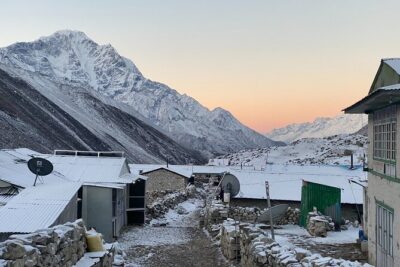
Day 8 walks to Gorakshep, with stony tracks and a focus on glaciers and snow-covered peaks. The “rewarding walk” part is real, but so is the fact that your feet pay for every rock.
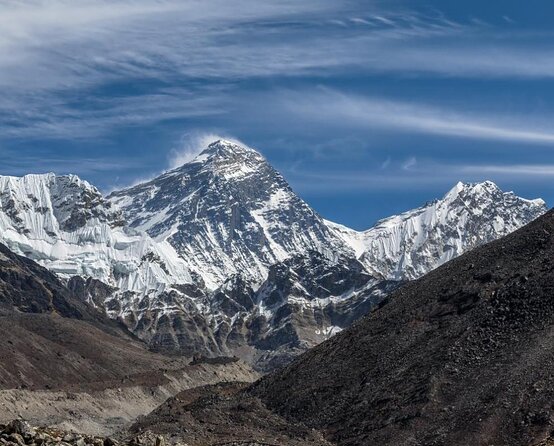
Day 9 is an early sunrise mission to Kala Patthar (5550m). The prize is the first light hitting Everest and the surrounding valleys from above the world’s busier routes.
Day 10 crosses Cho La (5420m) and continues toward Gokyo lakes. This is another tough day, with an ice-covered trail on the way up to the pass. It’s the kind of day where your cold-weather planning and footwork discipline show up fast.
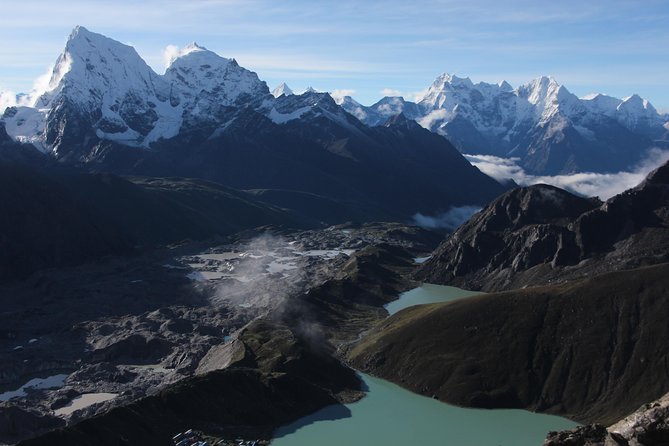
Day 11 is rest in Gokyo, plus a morning hike to Gokyo Ri (5360m). From there, you get sweeping views across the Gokyo valley and its many lakes, and you also get a break from constant walking.
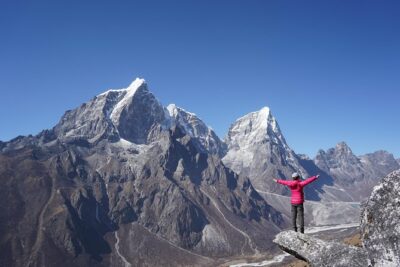
Day 12 crosses the third and final pass, Renjo La (5360m). The climb is described as a gradual hike on a snow-filled path, with broad views of the Cho La side of the region. By now, you’re not just seeing mountains, you’re reading them.
Day 13 heads back down to Namche on a relatively easier trail. You get more space to appreciate the scenery and catch distant views of Everest from lower elevations.
Day 14 is Namche to Lukla. You cross villages, forests, and rivers again, using suspension bridges along the way, then you reach Lukla to rest and explore the market.
Day 15 flies back to Kathmandu early, with the mountain and green-hills views from the air to close the loop.
Other lodge to lodge routes near Kathmandu
Kongma La, Cho La, Renjo La: What These Pass Days Feel Like
Even if you’re an experienced trekker, pass days are their own category. They combine altitude, weather shifts, and foot fatigue, plus the mental load of moving over rough and snow-covered terrain.
Kongma La is your first major test. It’s the highest of the three passes listed, which means it can set the tone for how you pace everything after it. I like that the itinerary schedules the earlier acclimatization days in Namche and Chhukung so you arrive at this pass with more than just optimism.
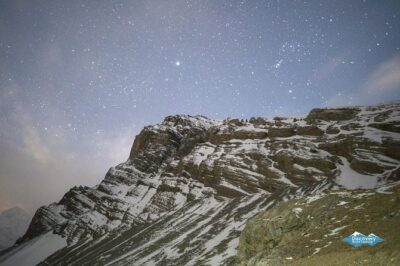
Cho La is where the trek turns icy. The route describes a steep uphill and an ice-covered trail to the top. This is a day to treat concentration as a survival skill, because snowy footing is less forgiving than rocks in dry weather.
Renjo La comes last, which can be psychologically tricky. You’re tired, and you’ve already earned two big milestones. The upside is that your acclimatization work and the structure of the loop pay off, so you can focus on steady movement rather than panic.
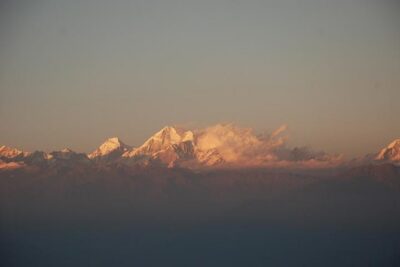
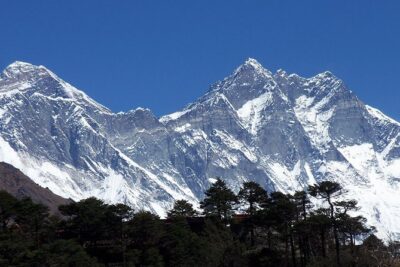
Across all three, the point is not just “summit vibes.” It’s the way each pass reframes your view of the Mahalangur Himalayan range, including Everest at 8848m and the surrounding giants.
Kala Patthar Sunrise: When the Trip Starts Paying You Back
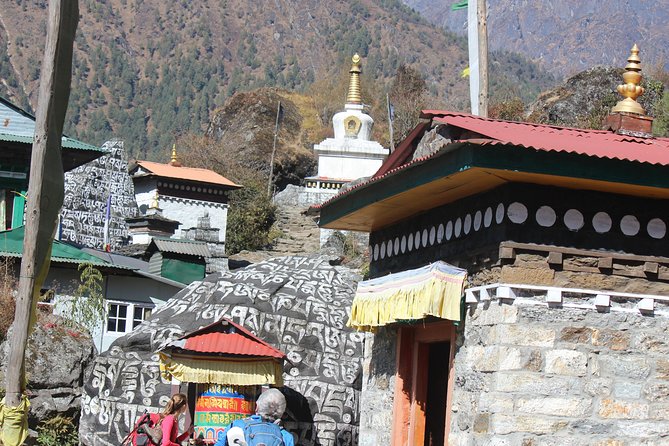
Day 9 is the classic high point many trekkers remember, and this itinerary builds it in correctly: an early hike up to Kala Patthar (5550m) for sunrise. From the top, you get sweeping views of valleys and the first rays of sun hitting Everest.
I’d consider this not just a view stop, but a timing strategy. Starting early reduces your chances of getting swallowed by afternoon cloud cover and lets you move with better clarity. It’s also a morale booster after the stony day to Gorakshep, because it gives you something precise to aim for.
Guesthouses, Meals, and the Comfort Math
You’ll be sleeping in guesthouses, mainly in twin sharing. This is standard for Nepal treks, but it’s worth understanding how “best available guesthouses” plays out: you’re not booking hotels with fancy amenities, you’re booking reliable warmth and a bed so you can recover for the next climb.
Meal coverage is strong on paper and practical in real life. With breakfast, lunch, and dinner included on 14 trekking days, you avoid the constant logistics of finding food and managing cash. It also keeps your energy planning simple.
Gear inclusion helps comfort. A down jacket and sleeping bag are included, and you return them after the trek. That can reduce what you need to pack or buy, which matters when you’re dealing with a flight into Lukla where luggage limits and weight discipline become real.
Guides, Porters, and Why Organization Matters on Hard Days
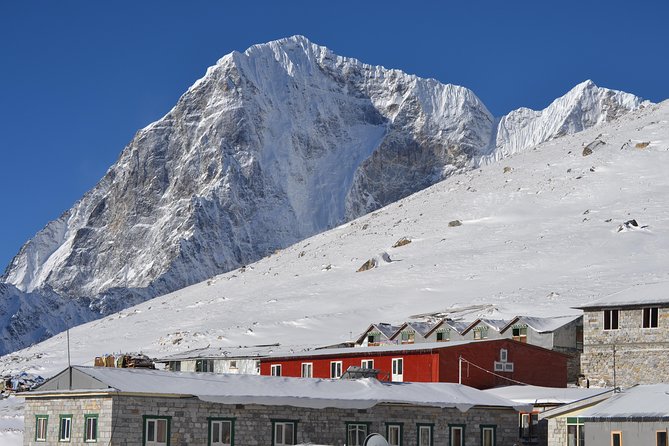
This is a private tour/activity, so your group only shares the trek with itself. Private can mean more flexibility in how you pace, and it can also mean more consistent support from your guide and staff.
The team setup is another value lever. You’re promised a local licensed English speaking guide, staff and porters to carry your luggage, and support for food, accommodation, insurance, and equipment for the trekking team. That’s not just paperwork. On a high-pass trek, it means fewer things to manage, less load on your body, and more attention for the route.
I also appreciate that the provider has a track record of helpful leadership, with names like Nabracht, Shiva, and Jwala appearing in past organized Everest trips. The owner Shree is described as professional and organized, including guidance that considers how western trekkers think about timing and comfort. Even if you never meet the owner, that style often shows up in how the days run.
Who Should Book This Trek, and Who Should Think Twice
Book this trek if you:
- Can handle steep climbs and long days on rough ground
- Feel comfortable with cold and altitude, and you follow pacing advice
- Want a serious Khumbu route that hits all three major passes, not a softer highlight loop
Consider a different trek if you:
- Struggle with consistent cardio or have trouble walking uphill for hours
- Hate uncertainty and want something that feels more like a moderate hike
- Know you need a slower acclimatization plan than what this 15-day loop offers
This trek is for people who want effort to match the view, and who understand that the pass days are the main event.
Should You Book This Everest Three Pass Trek?
If your goal is the three-pass Khumbu challenge, this itinerary is built to support that goal with acclimatization days, included permits, and cold-weather gear support. The $1,800 price makes more sense when you remember it covers not just guiding, but also domestic flights, staffing, guesthouses, permits, and most meals.
My practical suggestion: book only if you can train for the steep, cold, and snow-covered reality of pass crossings. If you can do that, you’re set up for one of the most memorable Everest region trips that rewards both effort and focus.
FAQ
What is the duration of the Everest Three Pass Trek?
The trek is listed as 15 days approximately.
Which passes are included on this itinerary?
You cross Kongma La (5535m), Cho La (5420m), and Renjo La (5360m).
Are meals and guesthouse stays included?
Yes. Guesthouse accommodation is included (mainly twin sharing), along with breakfast (14), lunch (14), and dinner (14).
What trekking gear is provided?
A down jacket and sleeping bag are included, plus a duffel or kit bag that needs to be returned after the trek.
Are national park and TIMS permits included?
Yes. The trek includes the National Park entry permit and the TIMS permit.
Where do we meet in Kathmandu, and is pickup offered?
The start point is Kathmandu at BASE CAMP ADVENTURE PVT. LTD., Tridevi Sadak, Kathmandu 44600, Nepal. Pickup is offered, and the meeting point is described as near public transportation.
What happens if poor weather forces cancellation?
The experience requires good weather. If it is canceled due to poor weather, you will be offered a different date or a full refund. If you cancel for any reason, you can cancel up to 24 hours in advance for a full refund.
Lodge to Lodge Around Kathmandu
The Rest of Our Kathmandu Write Ups



Base Camp, Three More Ways
Everything else we have reviewed around Kathmandu
- 12 Days Everest Base Camp Trekking
★ 5.0 · 3 reviews - 1 Night 2 Days Chitwan Jungle Safari Tour from Pokhara or Kathmandu
★ 3.0 · 3 reviews - Thamel Rickshaw tour
★ 4.7 · 3 reviews - Kathmandu: Momo Making Class with a Local Chef
★ 5.0 · 3 reviews - Kathmandu: Full-Day Yoga, Body Massage and Pedicure Package
★ 5.0 · 3 reviews - From Kathmandu / Pokhara / Chitwan: River Rafting – 1 Day
★ 4.6 · 3 reviews
Everest Base Camp Treks worth a second look.
 ★ 5.0Everest Base Camp Trek – 14 DaysFrom $1,8001,499 reviews
 ★ 5.0Everest Base Camp TrekkingFrom $1,350485 reviews
 ★ 5.0Everest Base Camp Trekking – 13 DayFrom $1,399365 reviews
★ 5.0Everest Base Camp Trek -14 DaysFrom $1,420321 reviews
 ★ 5.0Everest Base Camp Trekking – 2025/2026From $1,339199 reviews
 ★ 5.0Everest Base Camp TrekFrom $1,408193 reviews
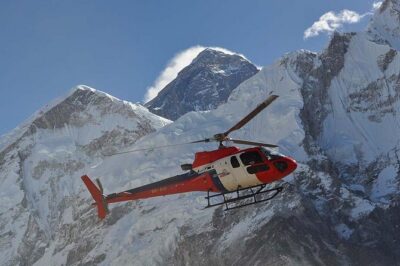 ★ 5.0Everest Base Camp Trek with Helicopter Return from Gorakshep to LuklaFrom $3,000161 reviews
14-Days Private Everest Base Camp TrekFrom $1,600152 reviews
Lists this tour sits in