
REVIEW · NEPALI COOKING CLASSES
Kathmandu: 3-Hours of Cooking Class with Meals
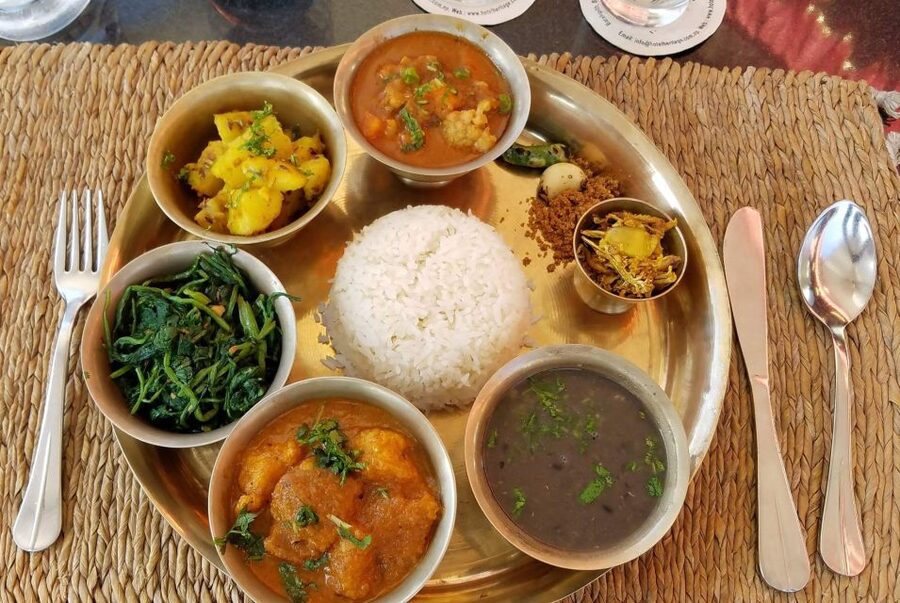
First time cooking Nepali food can feel intimidating. This class keeps it practical and friendly, with hands-on steps led by an English and Hindi instructor, and you taste what you make right away. You also get to choose menus, so the experience fits what you actually want to eat.
Two things I really like: the way the team teaches, not just demonstrates, so you’re not standing around. And the flavor control, you can keep it mild or push the spice, then adjust as you go. One thing to consider, the experience is described as 3 to 4 hours, so plan your day assuming it may not be a full 4 hours of nonstop cooking.
In This Review
- Key highlights worth your attention
- A Kathmandu Cooking Class That Turns Food Into a Real Skill
- Choosing Your Menu, Then Cooking One Course Right Away
- The Dish Lineup: What the Menus Teach You (Including Momos)
- Shopping for Fresh Ingredients, With Real Kathmandu Timing
- Eating Your Results: Lunch, Hot Drinks, and Masala Tea
- Price and Value: Why This Feels Like a Bargain (But Check Expectations)
- Getting Picked Up in Kathmandu Without Stress
- What to Wear and Bring (So You’re Comfortable During Prep)
- Who This Class Suits Best, and Who Should Skip It
- Should You Book This Nepali Cooking Class?
- FAQ
- How long is the cooking class in Kathmandu?
- Where does the cooking class take place?
- What dishes are included?
- What’s included in the price?
- Do you get any hot drinks during the class?
- What language will the instructor use?
- What do I need to bring?
- Is luggage allowed?
- Are cold drinks or alcohol included?
Key highlights worth your attention
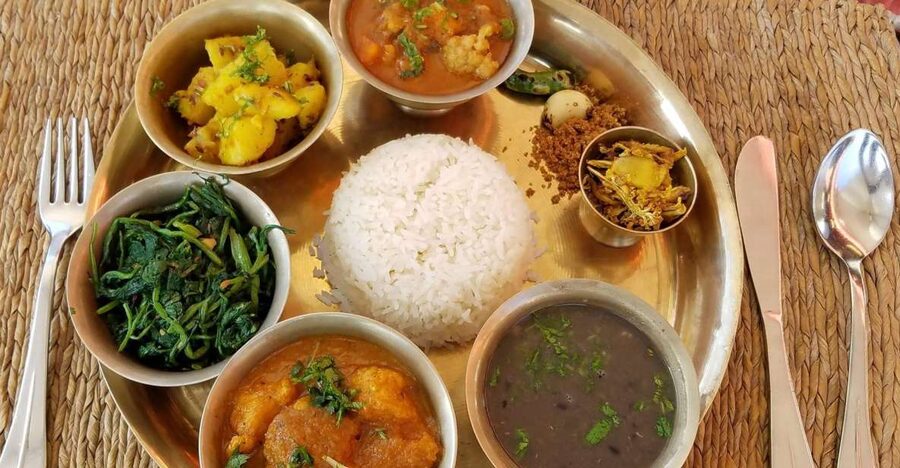
- Cook and eat fresh: one course at a time, hot and ready as you finish it
- Momos are included: Nepal’s most famous bite is part of the mix
- Three menus to choose from: each one includes multiple traditional dishes
- Step-by-step instruction: you do the work, guided from start to finish
- Family-friendly energy: relaxed, funny, and welcoming even if you’ve never cooked before
Fold more momos: other Nepali kitchens

A Kathmandu Cooking Class That Turns Food Into a Real Skill
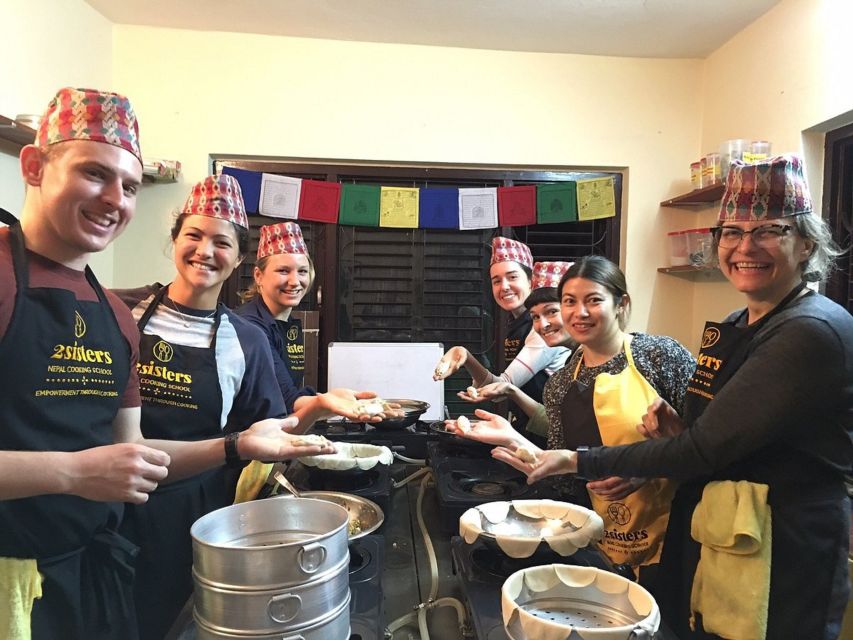
This is the kind of activity that makes Kathmandu feel closer. Instead of only tasting Nepali food in a restaurant, you learn how flavors are built from the ground up, then you eat the result while it’s still hot.
The class runs about 3 to 4 hours and is built around multiple traditional dishes spread across different menus. That matters because it gives you more than one taste memory. You start to see patterns, like how spices, aromatics, and texture all play together, even when the dish changes.
You’ll also get meal time that feels earned. When you cook a course and sit down to eat it right away, you pay attention to what you did. That’s when the learning sticks, and it makes the whole afternoon feel like more than a snack stop.
Choosing Your Menu, Then Cooking One Course Right Away
A big part of the fun is that you don’t just follow along blindly. You choose among different menus, and each menu includes several traditional dishes. You’ll then cook one course and enjoy it fresh and hot, rather than making everything at once and waiting.
That one-course-at-a-time flow is practical for beginners. You’re focused on one set of steps, and you get immediate feedback in the form of taste. If the chili is too much, you learn what to adjust next time. If it needs more punch, you get the idea of where that punch comes from.
This class also supports different spice preferences. I love that you can customize flavors while cooking, so you’re not stuck with a single kitchen style. Your instructor guides you step by step, and you get to make choices, love chili or prefer mild.
The Dish Lineup: What the Menus Teach You (Including Momos)
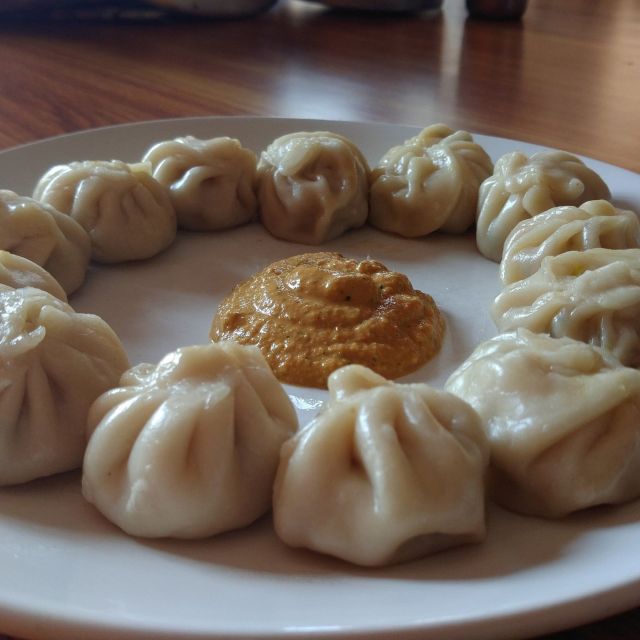
You’ll work through three different menus, each with four traditional Nepali dishes. The exact recipes aren’t listed in the booking details, but the structure tells you what kind of learning you’ll get: variety without chaos.
Here’s what you can count on conceptually:
- You’ll repeat core cooking moves across multiple dishes, which helps you build confidence.
- You’ll see how the same spice ideas shift depending on whether a dish is dumpling-style, saucy, or stir-fried.
- You’ll get a mix so you’re not eating just one type of flavor.
And yes, Nepal’s famous momos are included, so you won’t leave wondering what everyone is talking about. Dumplings can look simple, but they teach key technique and timing, and they’re great for first-time cooks because the payoff is instant.
If you’re the kind of traveler who likes to come home and recreate food, this format helps. You’ll remember the dishes you cooked most closely because you weren’t watching from the sidelines.
Shopping for Fresh Ingredients, With Real Kathmandu Timing
One of the best parts of cooking classes is seeing what goes into the pan. In Kathmandu, that often means looking at fresh ingredients at local shops before you start cooking. Even when you’re not doing a full market tour, you still get that ingredient connection, which makes the flavors feel grounded in place.
There can be a timing wrinkle during festival season. On at least some days, a market or shop segment may be limited. If that happens, don’t treat it as a downgrade. The class still centers on the hands-on cooking and the meals, so you still get the core value.
Practical tip: bring a camera. Ingredient shopping and the kitchen prep phase are photogenic, and you’ll want visuals for the dishes once you’re home.
Other kitchens taking bookings in Kathmandu
Eating Your Results: Lunch, Hot Drinks, and Masala Tea
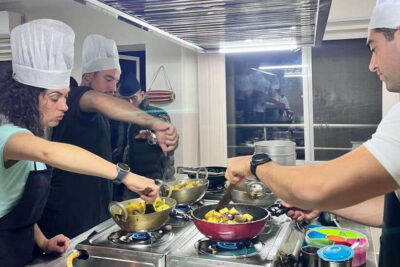
This class is not just cooking practice, it’s built around eating. Lunch is included, and you also get hot drinks along with masala tea.
The meal setup usually works because you cook a course and then eat what you made while it’s fresh. That keeps energy high and reduces that awkward, waiting-for-lunch feeling. It also means you can connect taste to technique. If something tastes different from what you expected, you’ll know where in the process it changed.
You’ll also be able to manage seasoning to your preference. Chili lovers can push it, and if you’re more cautious, you can keep things lighter. That flexibility is a big deal for travelers, because Nepali cuisine can be flavorful and spicy, and it’s nice not to feel like you’re at the mercy of someone else’s spice tolerance.
One small consideration: cold and alcoholic beverages are not included. If you want them, you’ll need to plan on that separately.
Price and Value: Why This Feels Like a Bargain (But Check Expectations)
The listed price is very low, at about $2.15 per person. On its face, that can sound too good to be true, so here’s how I’d evaluate the real value based on what’s included.
You get:
- Hotel pickup and drop-off
- An instructor who guides you step by step
- Ingredients and equipment provided
- Lunch included, plus masala tea and hot drinks
- A hands-on class across multiple dishes
So you’re paying for instruction plus food plus transportation convenience plus ingredients. For many travelers, that combination is where the value shows up, because it removes the typical hidden costs of a cooking outing.
The only expectation check I’d make comes from the time framing. It’s described as 3 to 4 hours, and some people found the cooking time didn’t feel like a strict 4 hours of nonstop cooking. If you’re scheduling a tight afternoon, leave some buffer.
Getting Picked Up in Kathmandu Without Stress
This experience includes hotel pick-up and drop-off, which matters in Kathmandu. Traffic and timing can be unpredictable, and you don’t want to spend your cooking afternoon hunting down a location.
The instructions are clear: be ready in your hotel lobby about 5 minutes before your scheduled pickup time to meet the representative. That small window prevents delays and helps the whole group move smoothly.
Because the class includes lunch and hot drinks, you may want to eat lightly beforehand. You don’t need to arrive starving, but you also don’t want to show up too full. Think of it like a full meal plus cooking, not a quick tasting.
Also note what you shouldn’t bring. No luggage or large bags. If you’re carrying a daypack and one small bag, you’ll likely be fine, but plan to travel light on class day.
What to Wear and Bring (So You’re Comfortable During Prep)
Cooking classes feel better when you’re dressed for movement. I’d aim for comfortable clothes that can handle kitchen smells and a little mess. You’ll be working with ingredients and cooking steps, so it helps to wear something you don’t mind.
Bring:
- A camera
- Comfortable clothes
- Cash
Cash matters because some activities in Nepal run in that style, and the booking notes explicitly request it.
If you’re sensitive to heat, keep that in mind. Kitchens can run warm. Light layers help, and shoes with grip are a good idea if you’re moving around before you sit to cook.
Who This Class Suits Best, and Who Should Skip It
This is one of those activities that works for beginners. You don’t need prior cooking skills, and the teaching style is designed for people who are new to Nepali cuisine.
It’s especially suited for:
- Food lovers who want to understand how dishes are made
- Travelers who prefer hands-on experiences over tours that only explain
- Families and groups who want an afternoon activity that feels welcoming and fun
That said, it’s not for everyone. The class is not suitable for children under 5 years, and it’s not suitable for people with mobility impairments. If you’re traveling with a child, double-check age, and if mobility is a concern, choose an alternative that fits your needs.
Should You Book This Nepali Cooking Class?
I think you should book it if you want more than a restaurant meal. You’ll leave with real technique and a clearer sense of Nepali flavors, plus the confidence to cook dishes like momos back home. The step-by-step format and the way you can adjust seasoning make it feel personal instead of scripted.
Skip it only if your main goal is a very long, heavy cooking session that stays active for the full 4 hours with zero breaks, or if you need accessibility support not offered here.
If you’re visiting Kathmandu and you have one half-day to spend well, this is a strong choice. It’s practical, fun, and the food you eat comes directly from your own hands.
FAQ
How long is the cooking class in Kathmandu?
The duration is listed as about 4 hours, with the activity described as a 3 to 4 hour hands-on class.
Where does the cooking class take place?
The location is in Kathmandu, Nepal, in the Bagmati Zone.
What dishes are included?
You’ll cook from three different menus, and each menu includes four traditional Nepali dishes. Nepal’s famous momos are included.
What’s included in the price?
The price includes hotel pick-up and drop-off, an expert cooking instructor, the hands-on class, all necessary ingredients and equipment, lunch, and masala tea.
Do you get any hot drinks during the class?
Yes. Hot drinks are included, including masala tea.
What language will the instructor use?
The instructor speaks English and Hindi.
What do I need to bring?
Bring a camera, comfortable clothes, and cash.
Is luggage allowed?
No. Luggage or large bags are not allowed.
Are cold drinks or alcohol included?
Cold beverages and alcoholic beverages are not included.
Chop, Fold, Simmer
The Rest of Our Kathmandu Write Ups




More Kitchens, More Momos
Everything else we have reviewed around Kathmandu
- 12 Days Everest Base Camp Trekking
★ 5.0 · 3 reviews - 1 Night 2 Days Chitwan Jungle Safari Tour from Pokhara or Kathmandu
★ 3.0 · 3 reviews - Thamel Rickshaw tour
★ 4.7 · 3 reviews - Kathmandu: Momo Making Class with a Local Chef
★ 5.0 · 3 reviews - Kathmandu: Full-Day Yoga, Body Massage and Pedicure Package
★ 5.0 · 3 reviews - From Kathmandu / Pokhara / Chitwan: River Rafting – 1 Day
★ 4.6 · 3 reviews
Nepali Cooking Classes worth a second look.
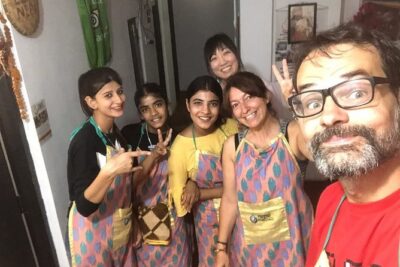 ★ 5.0Half day cooking class in Thamel kathmanduFrom $28607 reviews
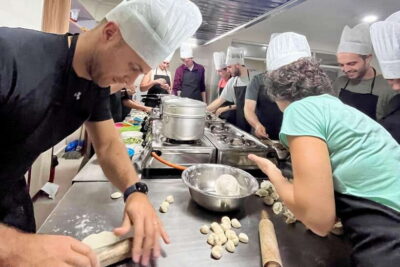 ★ 4.9Local Women-Led Nepali Cooking & Momo ClassFrom $4360 reviews
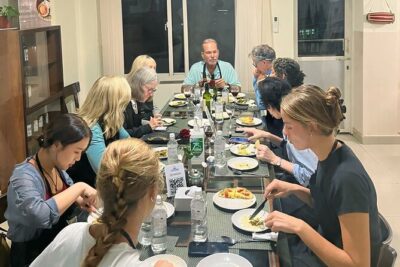 ★ 5.0Local Lead Nepali Cooking & Momo-Making ClassFrom $5212 reviews
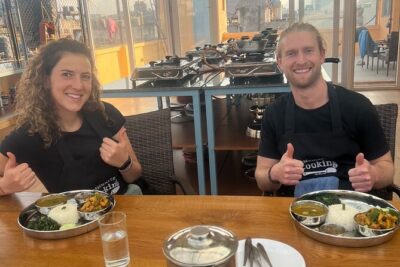 ★ 5.0Local Women Lead Nepali Cooking ClassFrom $30125 reviews
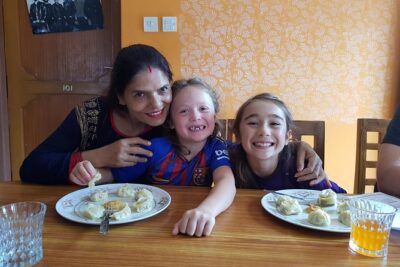 ★ 5.0Nepalese Momos or Dal Bhat Cooking Class (Cook with Delight)From $5099 reviews
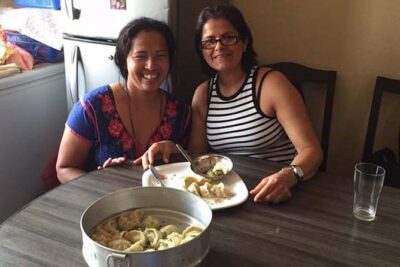 ★ 5.0The best Private Nepali Cooking Class in KathmanduFrom $2483 reviews
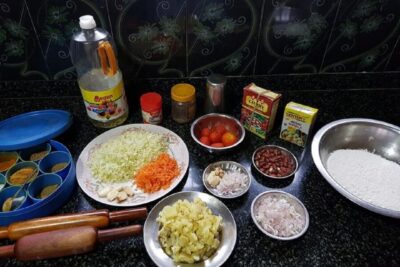 ★ 5.0Nepalese Kitchen in Pokhara: Momos or Dal Bhat Cooking ClassFrom $2867 reviews
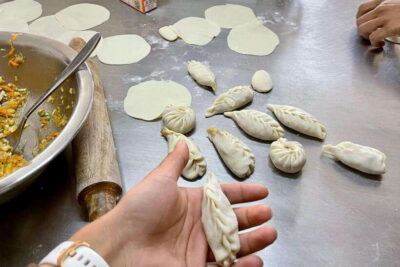 ★ 4.8Traditional Momo Making Class & PickupFrom $460 reviews
Lists this tour sits in