
REVIEW · NEPALI COOKING CLASSES
Kathmandu: Women-Led Cooking Class & Momo Making-Local Taste
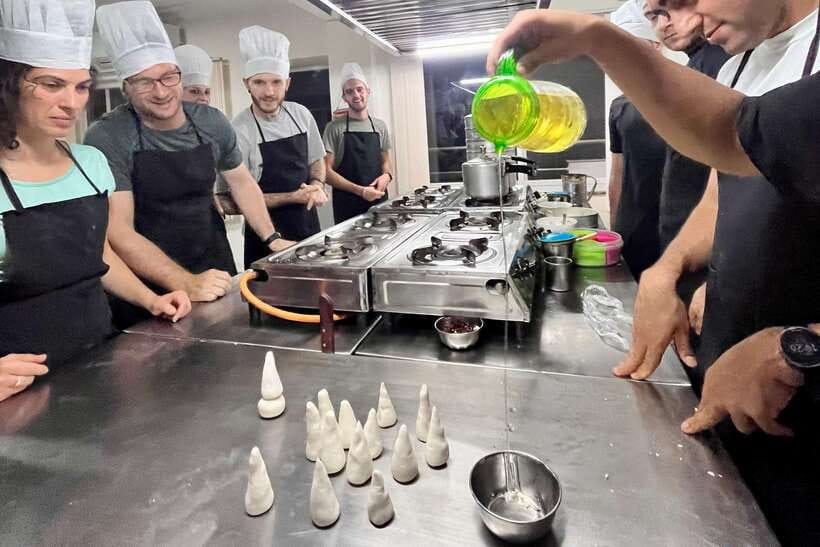
Cooking dumplings in Kathmandu is oddly satisfying. In a short 2-3 hour session, you go from market shopping to rolling dough, cooking lentils, and eating your own Nepali meal. I like that it is hands-on and not just a show, and the small group size keeps the pace friendly.
What I really like next is the variety. You can build a meal around momo plus classics like dal bhat, or swap in Newari favorites like bara, yomari, and chatamari, plus desserts like kheer or carrot halwa.
One possible drawback: momo folding takes practice, and if you learn best by copying slowly, you may feel a little rushed. The chef guidance is there, but dough has a learning curve.
In This Review
- Key things to look forward to
- Why This Kathmandu Momo and Dal Bhat Class Feels Local Fast
- Picking the Right Menu Set for Your Food Mood
- The Market Shop Tour: Where the Class Starts to Make Sense
- Entering the Kitchen, Tea in Hand, Cooking Without Guesswork
- Dal Bhat: The Rice, Lentils, and Side-Dish Thinking
- Momo Making: Dumplings, Folding Practice, and Getting the Rhythm
- Newari Favorites on the Menu: Bara, Yomari, and Chatamari
- Sweet Finish: Kheer and Carrot Halwa After the Main Course
- Price and Value in Kathmandu Cooking Terms
- Who This Class Is Best For (And Who Might Want Something Else)
- Quick Practical Tips Before You Go
- Should You Book This Kathmandu Women-Led Cooking Class?
- FAQ
- How long is the Kathmandu cooking class?
- How much does it cost per person?
- Is the class taught in English?
- What is included in the price?
- What dishes will I make?
- Is there a vegetarian option?
- How many people are in the group?
- Is there an age limit?
- What are the cancellation and payment options?
Key things to look forward to
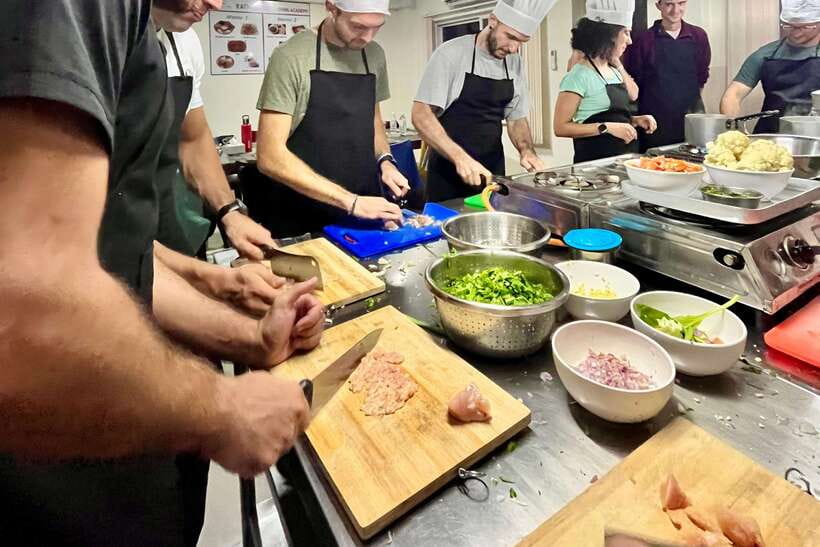
- Small group, limited to 8, so you get time to work with dough and ask questions
- A market/shop tour first, so your spices and vegetables make sense in the final dish
- Masala tea plus a snack, including Bara, which helps you snack while you cook
- Three menu sets, mixing Nepali staples, Newari dishes, and Tibetan-influenced options
- Vegetarian or meat choices, so you can tailor your plate without missing the fun
- Hands-on momo making, with enough food to eat what you produce
Fold more momos: other Nepali kitchens

Why This Kathmandu Momo and Dal Bhat Class Feels Local Fast
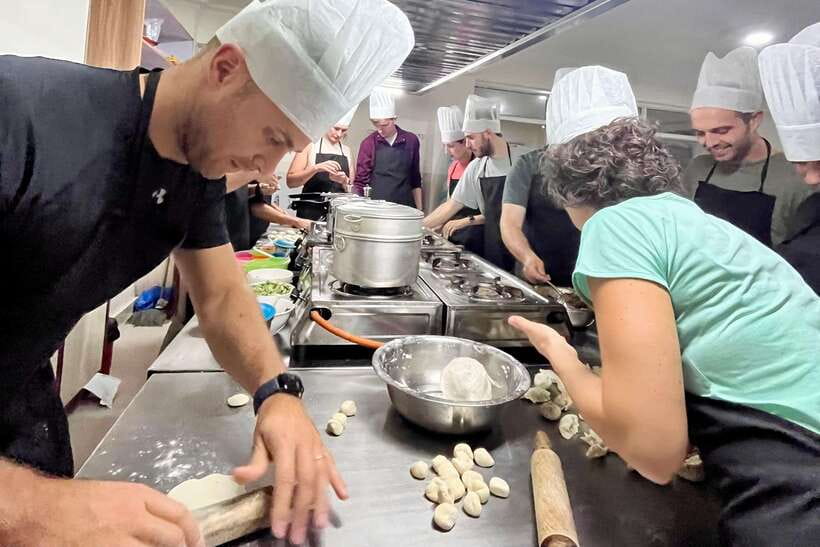
Kathmandu food culture is not only about eating. It is about how ingredients get picked, how spices get handled, and how technique changes the final bite. This class is a fast track into all of that because you do real cooking, not just watching.
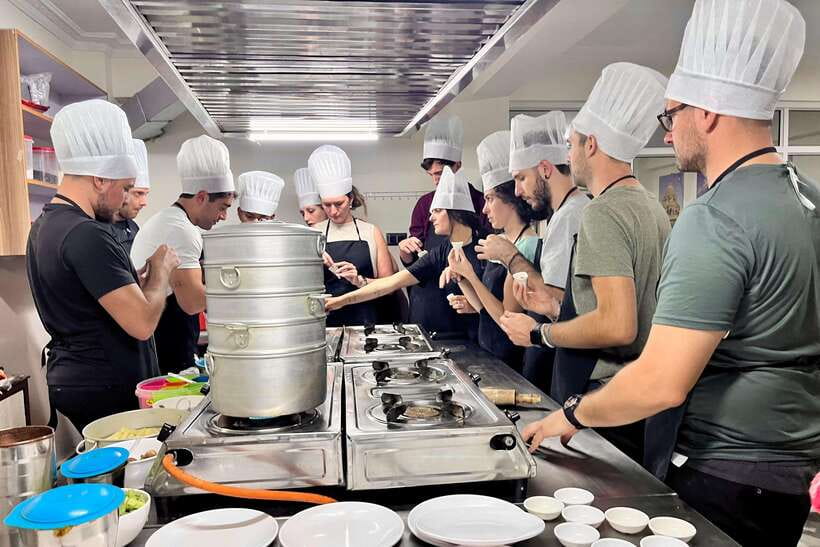
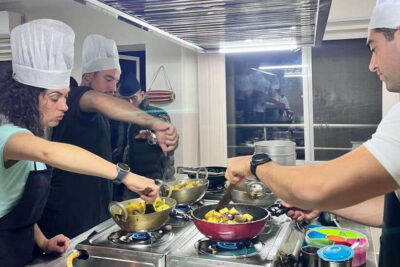
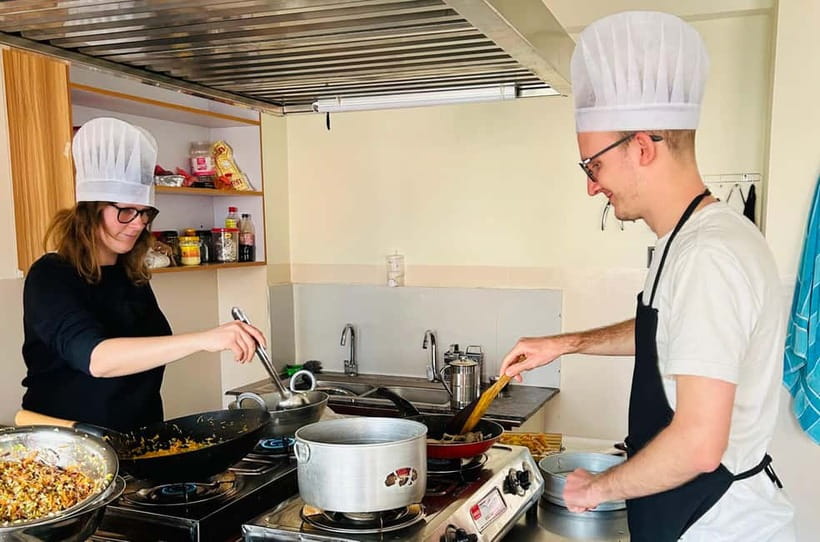
You also get structure. First comes the market/shop tour to grab the important ingredients. Then you move into a modern kitchen where the workflow makes sense, from prep to cooking to tasting. You end with a full lunch or dinner style meal you actually made, which is the point.
The class is women-led and taught in English by an instructor and experienced local chef. That matters in Nepal, because kitchen pace and cooking steps can be hard to follow without clear guidance. Here, you get step-by-step instruction, and you are in a small group (limited to 8), so it is easier to keep up.
Picking the Right Menu Set for Your Food Mood
You get three menu sets, and choosing one is like choosing your Kathmandu food route. Depending on the set, you might focus on Nepali staples, Newari specialties from Kathmandu, or Tibetan-Nepali comfort food.
Menu 1: Bara, Dal Bhat, Yomari
- Bara is a lentil pancake made from ground black gram (urad dal) batter, seasoned with spices. It is popular in Newari cuisine.
- Dal Bhat is rice plus lentil soup, typically served with vegetables, pickles, and curry. It is a staple across Nepal, India, and Bhutan.
- Yomari is a sweet Newari dumpling made with rice flour dough, filled with molasses (chaku) and sesame seeds, sometimes coconut.
Menu 2: Chatamari, Momo, Kheer
- Chatamari is a rice flour crepe often called a Nepali pizza, topped with ingredients like egg, minced meat, vegetables, and spices.
- Momo are dumplings made with thin dough and filled with minced meat (chicken, buff, or pork) or vegetables, seasoned with spices.
- Kheer is rice pudding simmered until creamy with milk, sugar, and cardamom, often topped with nuts and raisins.
Menu 3: Aloo Chop, Thukpa, Carrot Halwa
- Aloo Chop is a deep-fried potato snack made from mashed boiled potatoes mixed with spices.
- Thukpa is a Tibetan-Nepali noodle soup with flavorful broth, often with vegetables and meat options like chicken, buff, or mutton.
- Carrot Halwa is a slow-cooked carrot dessert with milk, sugar, ghee, and cardamom, finished with nuts and raisins.
If you want the clearest Kathmandu “starter pack,” Menu 1 or Menu 2 is usually the choice. If you want something hearty and slurpy, Menu 3 fits better.
The Market Shop Tour: Where the Class Starts to Make Sense
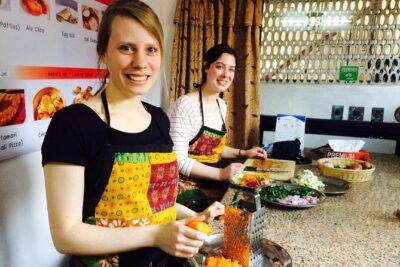
This experience includes a market/shop tour where you buy key ingredients for the class. That is more than a nice extra. It changes the cooking in your head, because you see what goes into the dish and how spices and produce get chosen.
You will pick up vegetables, spices, and possibly meat depending on your menu and choices. Then, when you get into the kitchen, you can connect the flavors you handled in the market to the steps you are doing with the food.
Practical tip: if you are sensitive to spice, tell the chef/instructor early. You are working with real ingredients, so seasoning can be adjusted during cooking, but the class needs your preferences upfront to work smoothly.
Entering the Kitchen, Tea in Hand, Cooking Without Guesswork
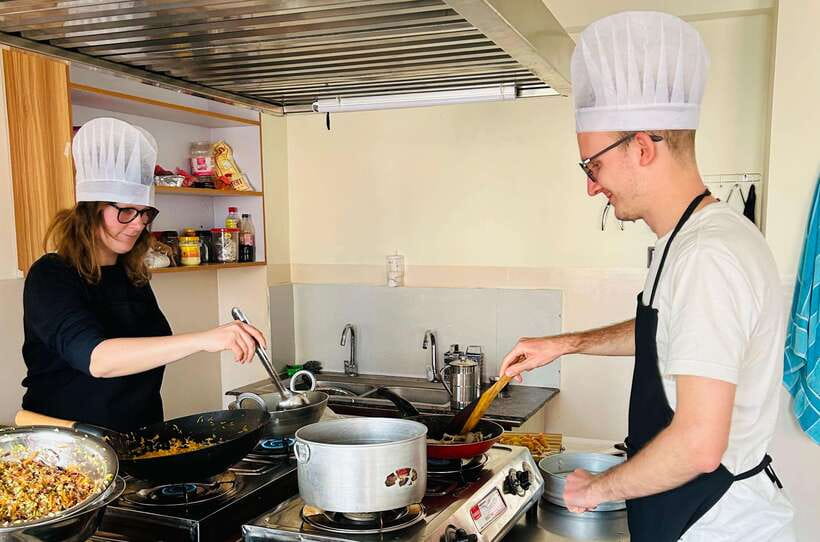
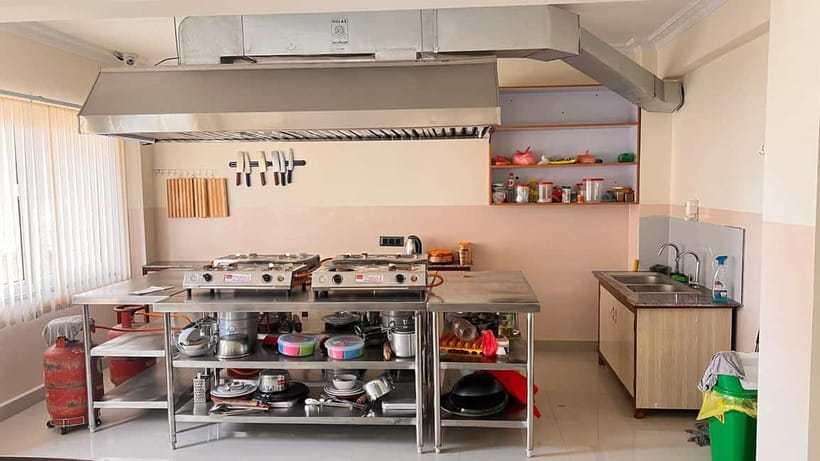
Once you are in the kitchen, you get that classic spice-scent feeling right away. The cooking space is described as a modern Nepali kitchen, and you get welcomed by local chefs.
You start with Masala Tea, a Nepali staple made from black tea mixed with aromatic spices. It is a simple start, but it helps you shift from street Kathmandu mode into kitchen mode.
Then there is Bara as part of the snack and tasting flow. You are not waiting until the end for food. You are learning while you eat, which keeps the energy up when you are handling dough or chopping vegetables.
From there, you follow step-by-step instruction. That matters because Nepali cooking relies on technique, not just ingredients. Getting the timing and texture right is the difference between “I tried” and “I nailed it.”
Other kitchens taking bookings in Kathmandu
Dal Bhat: The Rice, Lentils, and Side-Dish Thinking
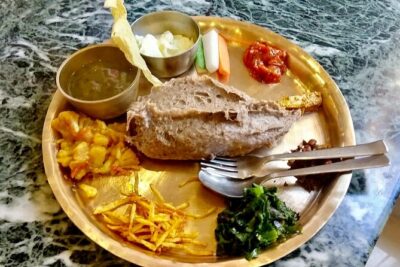
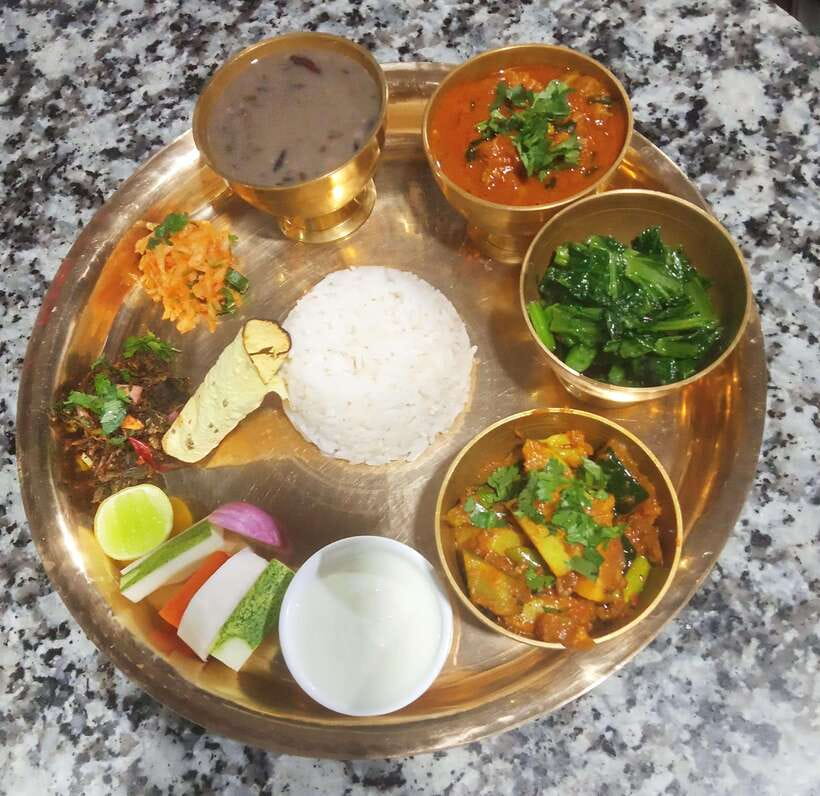
Dal Bhat is the meal that anchors Nepali comfort food. It is described as steamed rice (bhat) with lentil soup (dal). You also typically get vegetables, pickles, and curry alongside it.
What I like about dal bhat in a class setting is how logical it feels. You are learning a base (rice and lentils), then you add layers. Pickles and curry show you how Nepal balances heat, tang, and richness on the same plate.
In a hands-on workshop, you can expect to handle components rather than just taste them. Even if your final result is not restaurant-perfect the first time, you leave knowing what each bowl should taste like and why. That helps you recreate it later.
Also, dal bhat is a great dish if you are traveling solo. It is filling, it is familiar enough to many diets, and it gives you a benchmark for your own spice tolerance.
Momo Making: Dumplings, Folding Practice, and Getting the Rhythm
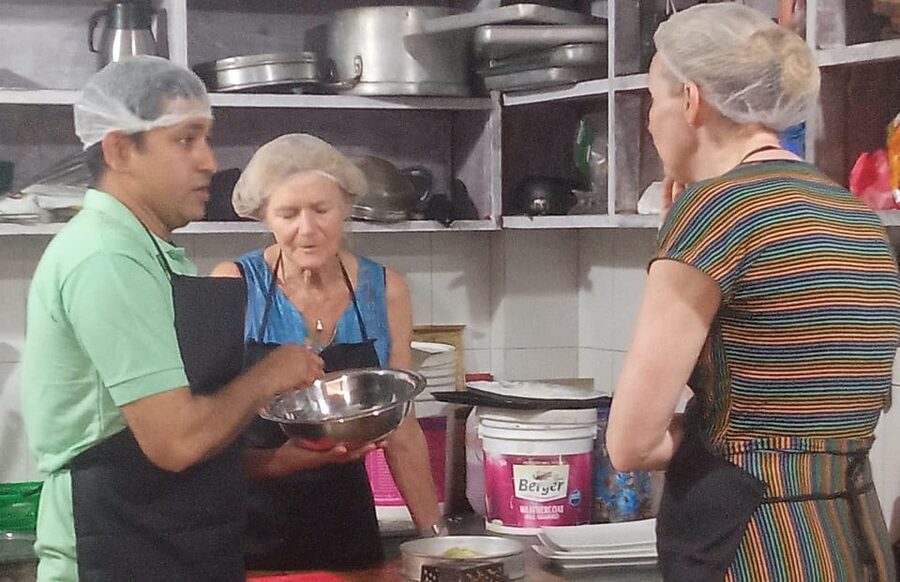
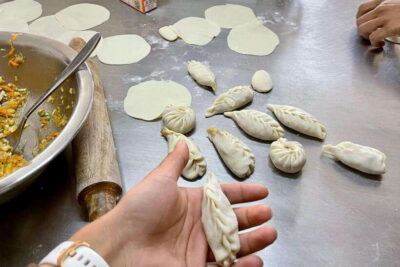
Momo is the star of this class, and it is hands-on. You learn to make Nepali dumplings with thinly rolled dough filled with seasoned minced meat like chicken, buff, or pork, or you can choose vegetable filling. Then you cook and eat them as part of your meal.
Here is the key thing: the learning moment is the folding technique. You roll, you fill, and you seal. It is tactile, and it can feel tricky at first because dough can be forgiving or stubborn depending on thickness and moisture.
One note to keep your expectations realistic: momo folding can be frustrating if you are learning fast. Small group classes can still move with momentum. If you are the type who wants extra time for fine motor skills, plan to relax and laugh with it. You are not being graded, you are learning, and the goal is to enjoy the process.
And here is what makes the class worth it anyway: it is designed so you get to make a satisfying amount. The hands-on vibe is not stingy, and you end up eating what you cooked, which is the best kind of “practice.”
If you want an extra win, ask the chef to show the folding again after your first attempt. One correction can save the next few dumplings from becoming dough triangles.
Newari Favorites on the Menu: Bara, Yomari, and Chatamari
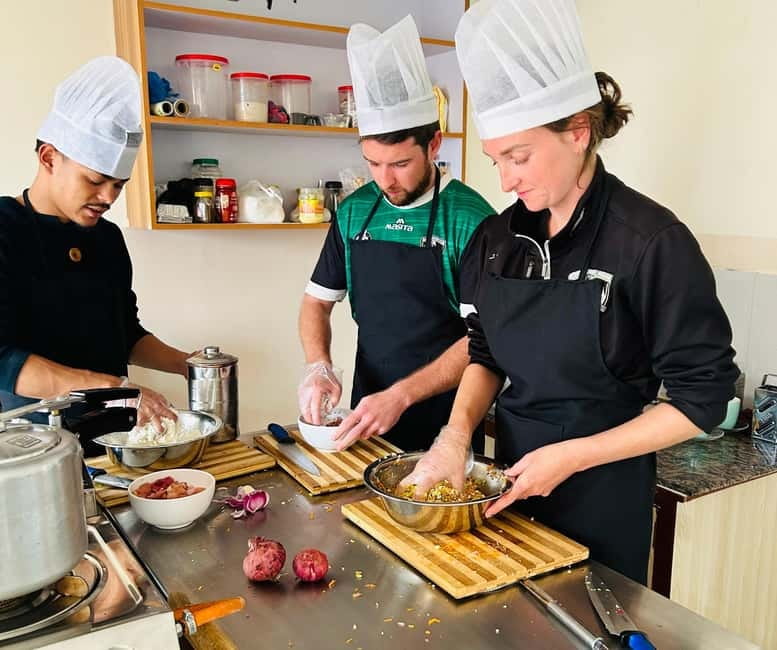
Part of the fun here is the mix of Nepali and Kathmandu Newari dishes. Newari cuisine has a distinct identity, and even when dishes overlap in shape or concept, the seasoning and dough style matter.
Bara (lentil pancake) is a Newari-friendly start. It is made from ground black gram (urad dal) batter with spices. It is not complicated, but it is a great way to learn how lentil-based dough behaves.
Yomari is a sweet twist. Rice flour dough wraps a filling made with molasses (chaku) and sesame seeds, sometimes coconut. This is a good menu option if you want your cooking class to include dessert that still feels like real street food.
Chatamari is where it gets extra fun. It is often called a Nepali pizza because of the crepe base and toppings. It can include egg, minced meat, vegetables, and spices. In a class like this, the value is learning how a flat dough base can become a full meal topper situation.
Sweet Finish: Kheer and Carrot Halwa After the Main Course
After all that kneading and dumpling work, desserts are not a throwaway. They are part of the menu sets and they help you round out the flavor map of Nepal.
Kheer is rice pudding simmered with milk, sugar, and cardamom until creamy, usually finished with nuts and raisins. Cardamom shows up in a lot of South Asian desserts, and getting it in kheer helps you understand how Nepal builds aroma into comfort food.
Carrot halwa is another slow-food win. Grated carrots get cooked with milk, sugar, ghee, and cardamom, then topped with nuts and raisins. It teaches you that a dessert can be more than sugar, it can be technique and time.
If you care about value, this matters. The class is not only teaching savory skills. You are learning a complete meal flow, from salty to sweet.
Price and Value in Kathmandu Cooking Terms
At about $11 per person for a 2-3 hour cooking workshop, this is strong value for Kathmandu. You are paying for several things at once:
- market/shop tour for ingredients
- hands-on cooking instruction from a chef/instructor
- cooking equipment and accessories
- a tasting session of what you prepared
- Masala tea during the lesson
Many food experiences cost more when you factor in only one element, like eating or just touring. Here you do the cooking, then you eat the results. For the time you spend, that makes it one of those bargains that feels like you got lucky.
Small group size (limited to 8) also helps. It typically means more attention, fewer waiting turns, and less time standing around while dough cools.
Who This Class Is Best For (And Who Might Want Something Else)
This works well for:
- food lovers who want to learn technique, not just taste
- travelers who like hands-on activities in short time blocks
- couples or small groups who want a social meal experience in Kathmandu
- anyone aged above 8 who is interested in learning cooking new dishes
- solo travelers who want a friendly, structured activity with English instruction
It might be less ideal if:
- you dislike getting your hands messy with dough and chopping during the cooking steps
- you hate tight learning moments around folding skills
- you want a mostly observational experience with minimal work
If you have a spice question, it is worth flagging it early. Since Nepalese cooking often uses spices for flavor depth, you will get the best experience if the chef knows your comfort level before you start seasoning.
Quick Practical Tips Before You Go
Keep it simple and you will enjoy it more.
- Wear comfortable clothes that can handle some kitchen heat and floury hands.
- Arrive ready to eat. You will have tasting during the session plus your lunch or dinner style meal at the end.
- Bring your curiosity. Asking how and why a dish works gets you more from the class than just copying movements.
Also, the meeting point is easily accessible from Thamel and the rest of the Kathmandu Valley. That makes it less stressful to fit into your day.
Should You Book This Kathmandu Women-Led Cooking Class?
If you want a short, practical way to understand Nepali food culture, I think this is a smart booking. You get market shopping, English instruction, and real cooking time in a small group. Then you eat what you made, which is the clearest proof that the lesson stuck.
Book it if momo and dal bhat are on your Kathmandu list, or if you want a mix of Nepali, Newari, and Tibetan-influenced flavors in one session. If you are worried about momo folding stress, go anyway but give yourself permission to learn by messing up a little.
This is the kind of experience that turns a meal into a skill. And in Kathmandu, that is the best souvenir.
FAQ
How long is the Kathmandu cooking class?
The class runs about 2 to 3 hours.
How much does it cost per person?
It costs $11 per person.
Is the class taught in English?
Yes, the instructor is English.
What is included in the price?
You get the cooking class with step-by-step instructions, an experienced chef/instructor, a market/shop tour for ingredients, hands-on cooking, cooking equipment and accessories, a tasting session of what you prepared, and Nepali masala tea.
What dishes will I make?
You can choose among three menu sets. Options include Bara, Dal Bhat, Yomari, Chatamari, Momo, Kheer, Aloo Chop, Thukpa, and Carrot Halwa.
Is there a vegetarian option?
Yes. The experience mentions vegetarian and meat options you can try, and some dishes can be made with vegetable fillings.
How many people are in the group?
The group is limited to 8 participants.
Is there an age limit?
The workshop is suitable for people aged above 8 years.
What are the cancellation and payment options?
You can cancel up to 24 hours in advance for a full refund, and you can reserve now and pay later.
Chop, Fold, Simmer
The Rest of Our Kathmandu Write Ups




More Kitchens, More Momos
Everything else we have reviewed around Kathmandu
- 12 Days Everest Base Camp Trekking
★ 5.0 · 3 reviews - 1 Night 2 Days Chitwan Jungle Safari Tour from Pokhara or Kathmandu
★ 3.0 · 3 reviews - Thamel Rickshaw tour
★ 4.7 · 3 reviews - Kathmandu: Momo Making Class with a Local Chef
★ 5.0 · 3 reviews - Kathmandu: Full-Day Yoga, Body Massage and Pedicure Package
★ 5.0 · 3 reviews - From Kathmandu / Pokhara / Chitwan: River Rafting – 1 Day
★ 4.6 · 3 reviews
Nepali Cooking Classes worth a second look.
 ★ 5.0Half day cooking class in Thamel kathmanduFrom $28607 reviews
 ★ 4.9Local Women-Led Nepali Cooking & Momo ClassFrom $4360 reviews
 ★ 5.0Local Lead Nepali Cooking & Momo-Making ClassFrom $5212 reviews
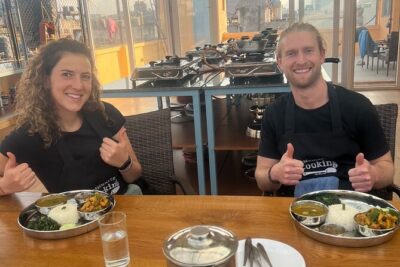 ★ 5.0Local Women Lead Nepali Cooking ClassFrom $30125 reviews
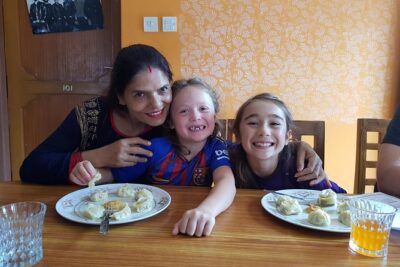 ★ 5.0Nepalese Momos or Dal Bhat Cooking Class (Cook with Delight)From $5099 reviews
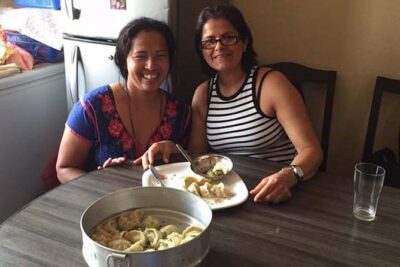 ★ 5.0The best Private Nepali Cooking Class in KathmanduFrom $2483 reviews
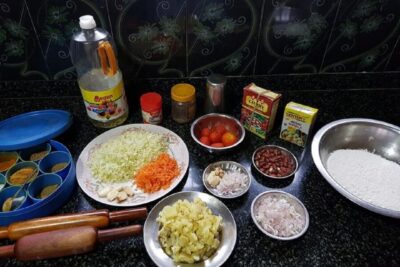 ★ 5.0Nepalese Kitchen in Pokhara: Momos or Dal Bhat Cooking ClassFrom $2867 reviews
 ★ 4.8Traditional Momo Making Class & PickupFrom $460 reviews
Lists this tour sits in