
REVIEW · PASHUPATINATH & BOUDHANATH TEMPLES
Katmandu: Pashupatinath Open Cremation & Evening Aarati
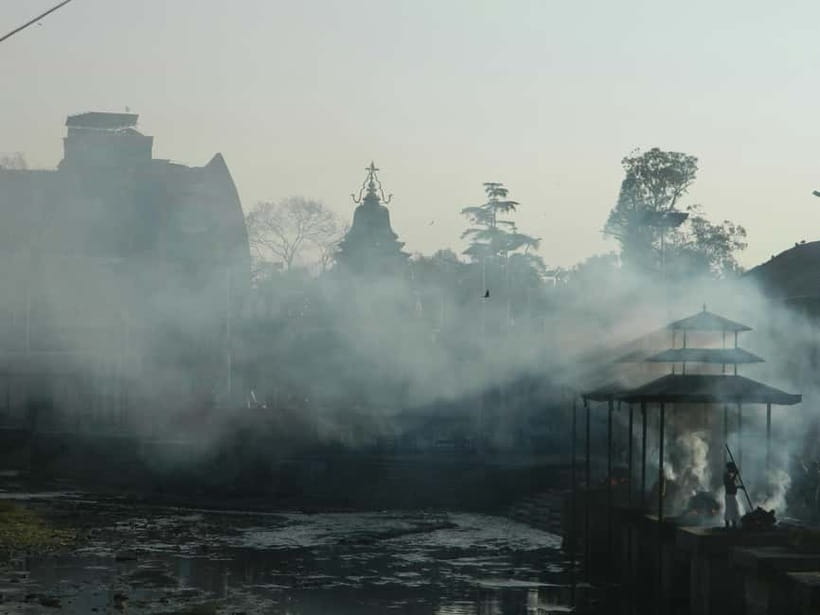
Death meets devotion at dusk. I love that this evening trip to Pashupatinath pairs sacred open cremation rites on the Bagmati River with the shift in mood you feel when evening Aarati to Lord Shiva begins. You are not just looking at a temple, you are seeing a living connection between life, death, and belief, including the idea that cremation at this holy site can lead to moksha.
My only real caution is the physical side. You walk toward Arya Ghat and spend time outdoors, so this is not a great choice if you have mobility limits or back problems, and it is specifically not meant for wheelchair users or people with pre-existing medical conditions.
In This Review
- Key things to know before you go
- Why Pashupatinath at dusk hits harder than a normal temple stop
- The 3-hour flow: pickup, temple grounds, Arya Ghat, and the Aarati start window
- Open cremation at Arya Ghat: what you should realistically expect
- Moksha and devotion: understanding what you are seeing without pretending you get it all
- The Pashupatinath Aarati to Lord Shiva: chants, lamps, and the night shift
- Dress, shoes, and weather: the small prep that prevents big headaches
- Price and value around $27: what you get, what you do not, and how to plan around it
- When the English explanation clicks, you get the meaning faster
- A quick reality check: quality can vary, especially around pickup
- Who should book this, and who should skip it
- Should you book this Pashupatinath cremation and evening Aarati tour?
- FAQ
- How long is the Pashupatinath Open Cremation and Evening Aarati tour?
- What time should I arrive to see the Aarati?
- Is pickup and drop-off included?
- Is a tour guide included?
- What should I bring with me?
- What is included, and what is not included in the price?
- Is this tour suitable for children or people with mobility issues?
Key things to know before you go
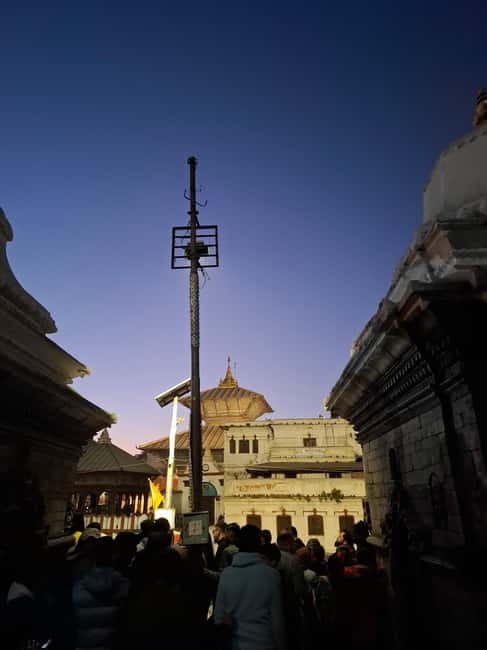
- Arya Ghat is the open cremation viewing area along the Bagmati River, with Hindu funeral rites taking place in plain sight.
- Aarati to Lord Shiva happens late afternoon to evening, with the ceremony starting between 6:00 PM and 6:30 PM.
- You get two layers of the same spiritual story: cremation rituals during the background, then oil lamps, chants, and music taking the focus.
- The experience is structured but not heavily guided since a tour guide is not included, so you rely on your driver for context and do’s and don’ts.
- Quality can vary, and at least one booking complained about a late or less-comfortable pickup, so be ready to double-check your meeting point.
More temple evenings and stupa walks

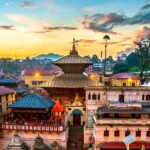
Why Pashupatinath at dusk hits harder than a normal temple stop
Pashupatinath is not a quiet, walk-in-and-out kind of place. This is where you watch rituals that deal with death head-on, then you stay long enough for the temple’s evening worship to take over. The result is a strong emotional contrast, and it makes the whole experience easier to understand, even if it feels intense at first.
What I like most about this kind of setup is that it treats death as part of spiritual life, not a side topic. You will learn about the belief that cremation at this holy site is connected to moksha, liberation, and that belief shapes how people gather and pray.
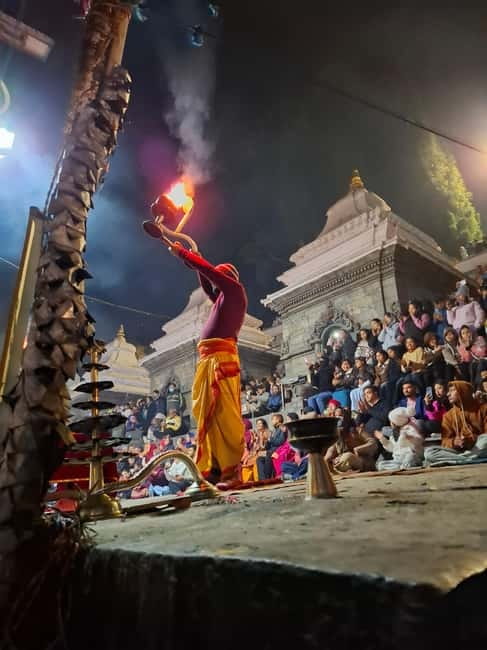
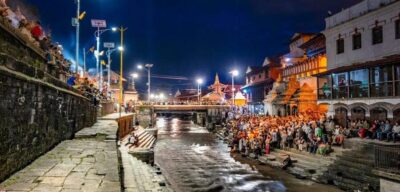
And then comes the shift: once it gets dark, the sounds and the oil lamps add a different kind of meaning. In one five out of five review, John described the dusk scene like something straight out of adventure movie energy, with the fast-flowing river, burning funeral pyres, and a big audience on stone bleachers. That mix is the point here, even if you expect a traditional temple visit.
The 3-hour flow: pickup, temple grounds, Arya Ghat, and the Aarati start window
This is designed as a tight evening circuit in Kathmandu. You get picked up from your location in Kathmandu, then head to the Pashupatinath complex in a private air-conditioned vehicle. Pickup time can vary by where you stay, and the driver arrives within a 15-minute window of the scheduled time.
Once you arrive, you start with temple-area time that includes sightseeing and a bit of shopping. Then you move on to the Arya Ghat area, because that is the sacred open cremation site where you will observe the funeral rites along the Bagmati River. Plan to feel like you are “in the middle of it,” not standing far away.
The key timing anchor is the Aarati viewing. You are advised to reach the Aarati area by 5:30 PM so you can find a comfortable spot, and the ceremony itself starts between 6:00 PM and 6:30 PM. After the Aarati, you return to your pickup location and the tour ends.
In practice, the whole thing runs about 3 to 4 hours depending on your location and traffic. That time range matters because you are going to be outside during the change from daylight to night, and Kathmandu traffic can move at its own pace.
Open cremation at Arya Ghat: what you should realistically expect
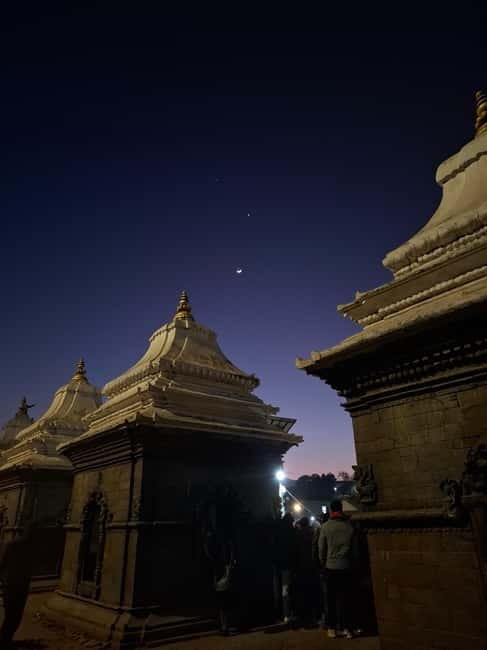
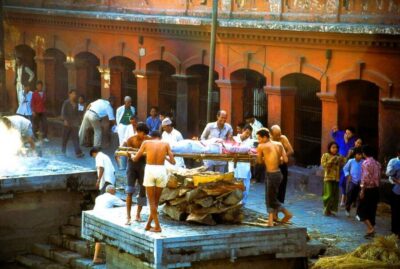
The main event is the open cremation ritual at Pashupatinath, observed along the Bagmati River. You will walk toward Arya Ghat and watch Hindu funeral rites take place at this sacred site.
This is one of those moments where “seeing” is the wrong word, because you are witnessing a ritual. The atmosphere is described as solemn yet profound, and that matches what makes this experience stick with people. You are also learning about the spiritual belief of moksha tied to cremation at this holy location, which gives you a framework instead of leaving you with only shock or discomfort.
From a practical point of view, you should think about body comfort first. You are walking to the cremation area, you are outside, and you are there long enough to watch the transition toward evening. If you have any doubt about walking or standing for a period, this is the moment to reassess before you commit.
Also, this is not a kid-friendly outing. The tour is not suitable for children under 9, and it is not recommended for wheelchair users or people with mobility impairments. The reason is simple: the physical demands of the route and viewing area, plus the nature of the setting.
Moksha and devotion: understanding what you are seeing without pretending you get it all
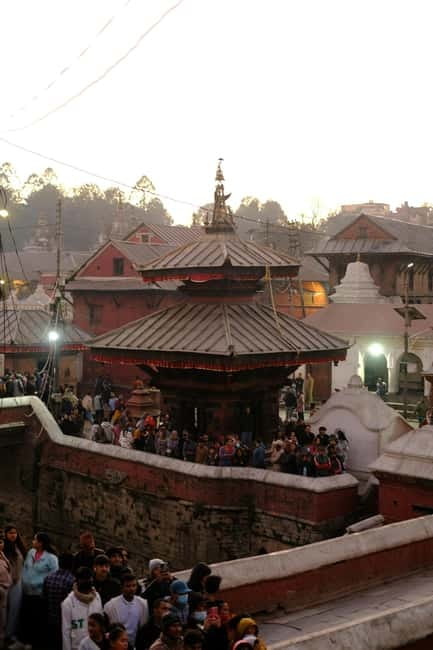
The tour’s value is not just access. It tries to help you make sense of why the rituals look the way they do, and why cremation here carries spiritual weight.
You will learn about the belief that cremation at this holy site is connected to moksha, liberation. That idea matters because it shifts the story from punishment or fear into transformation and spiritual release, as understood within Hindu tradition.
If you are the type who worries you will miss the meaning, pay attention during the briefing and ask questions when you can. In strong experiences, the explanation quality made a real difference for visitors who did not grow up with this background.
For example, Anja praised her guide, Bhum Raj Tiwari, for speaking excellent English and explaining the why behind the rituals in a way Europeans can follow. John also rated Bhum Raj highly for his thoroughness and education, saying it led to great conversation during the tour. That is the best-case scenario, and it is worth keeping in mind: the experience becomes easier to process when you can ask questions and get clear answers.
More Kathmandu evenings worth the late finish
The Pashupatinath Aarati to Lord Shiva: chants, lamps, and the night shift
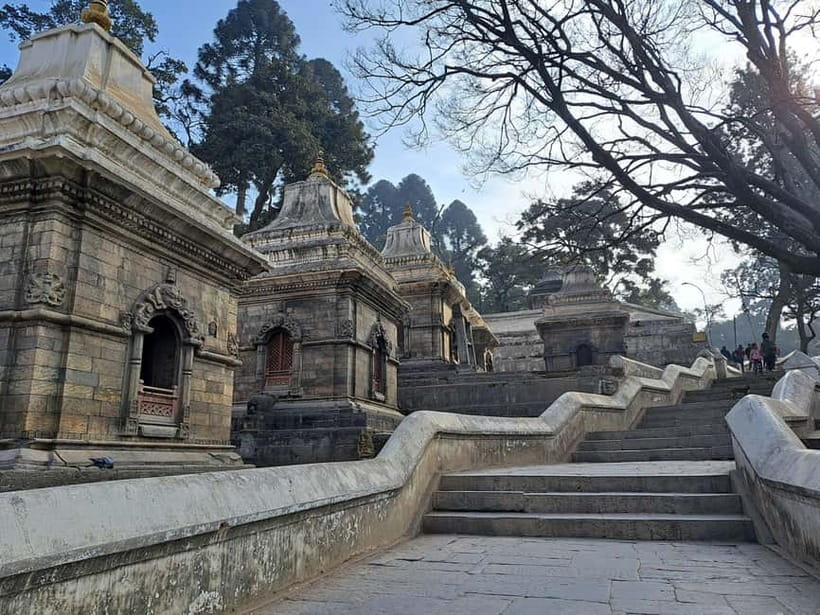
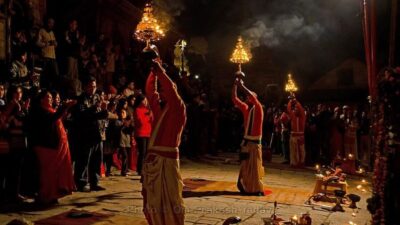
After your cremation-area time, you position yourself for the Aarati. This is a worship ceremony dedicated to Lord Shiva, with chanting, music, rhythmic calls, and oil lamps.
The timing is built around darkness because the oil lamps and temple atmosphere come alive as the evening settles in. The tour description also notes a powerful detail: cremation rituals continue in the background while the Aarati begins. That means you are not moving away from death to reach something unrelated. You are watching faith operate inside the same space and time.
For viewing, the guidance is clear: arrive by 5:30 PM for the best spot. The ceremony starts sometime between 6:00 PM and 6:30 PM, so you want to be settled before it begins. When you are choosing where to stand, think about how long you will be there, not just the best camera angle.
This is also where sound matters. The Aarati includes devotional songs and rhythmic chanting, and that audio focus tends to change how you interpret the whole scene. Instead of trying to intellectualize what you see, you start to feel how people are participating.
If you are sensitive to intense religious settings, consider that this is not a quick photo stop. One of the biggest appeals, and also the hardest part for some, is the honest contrast of ritual and worship all at once.
Dress, shoes, and weather: the small prep that prevents big headaches
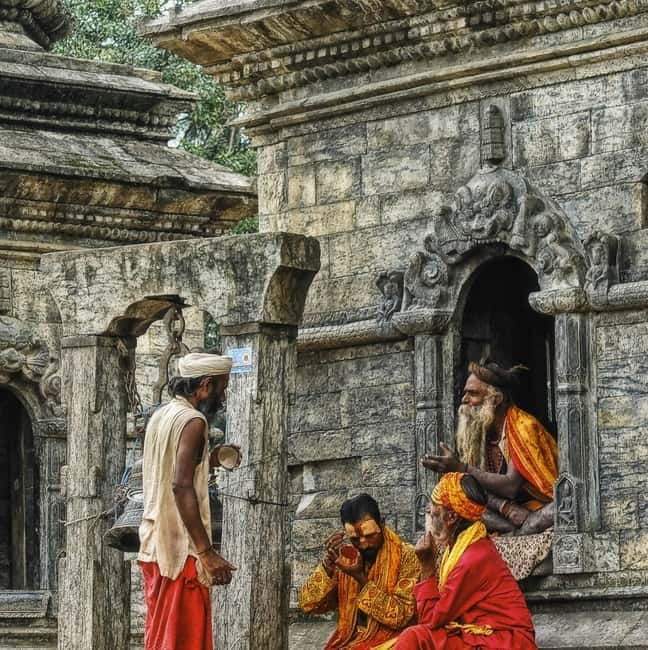
Because this is a religious site and you also walk to the cremation area, modest clothing is recommended. You’ll also want comfortable shoes, since the walking is part of the route.
Bring a few basics that help you stay flexible:
- Passport or ID card
- Comfortable shoes
- Camera
- Comfortable clothes
- Cash
Weather can change quickly in Kathmandu, and the tour notes you should be ready for outdoor conditions. A light jacket can help, especially as you wait for the sky to darken for Aarati.
If you are considering this with an older parent, a friend with back pain, or anyone with a medical condition, take the “not suitable for” notes seriously. This is not a gentle promenade, it is a real working spiritual space with walking and time outdoors.
Price and value around $27: what you get, what you do not, and how to plan around it
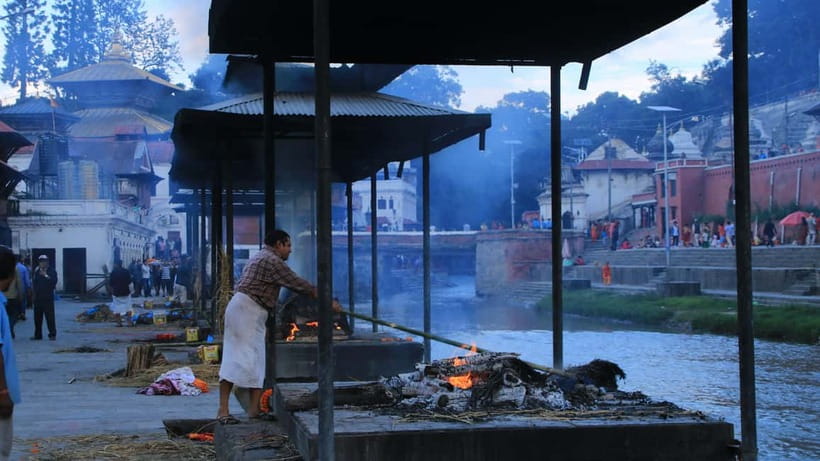
At about $27 per person for a private-group evening circuit, the value is mostly in the logistics. You get an experienced driver, drinking water, and pickup and drop-off in a private air-conditioned vehicle.
What is not included is just as important. Entry tickets are not included, meals are not included, and a tour guide is not included. That means the experience can feel smooth if your driver provides helpful context, but it can feel thinner if you expected a dedicated interpreter.
Here is how I’d budget your day: plan to eat before you go, or be ready to grab something after the tour. Since meals are not included, you do not want to discover hunger at 6:00 PM.
Also plan on bringing cash since cash is listed as a “bring” item. That usually means you should be able to handle small purchases at the temple grounds, and your itinerary includes shopping time.
Is the price good? For the convenience, yes. For a fully guided cultural explanation, it depends on the person assigned. In the strongest reviews, the English explanations were a highlight, especially with Bhum Raj Tiwari. In a low-rated booking, the complaint centered on pickup problems, a non-tourist car setup, and a driver who did not speak English. That gap is why it helps to set expectations: this can be excellent, but you should be prepared for variability.
When the English explanation clicks, you get the meaning faster
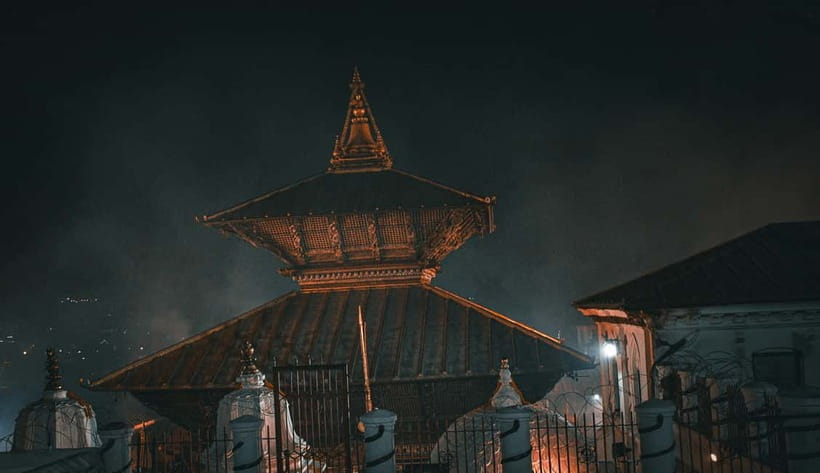
Even without a dedicated tour guide listed as included, some drivers or assigned explainers can do real interpretation work. That is where the experience becomes much more than watching rituals from the sidelines.
Anja’s five out of five experience singled out Bhum Raj Tiwari for clear English and for explaining why Hindus perform these rites. John’s review also highlighted Bhum Raj, praising his thoroughness and educational background and linking that to better conversation during the tour.
If you want the best shot at that kind of help, come with questions. During the briefing and any walking time, ask what you should focus on, what Aarati is about, and how the belief in moksha fits into what you are seeing. Even simple questions can turn the evening from overwhelming to understandable.
A quick reality check: quality can vary, especially around pickup
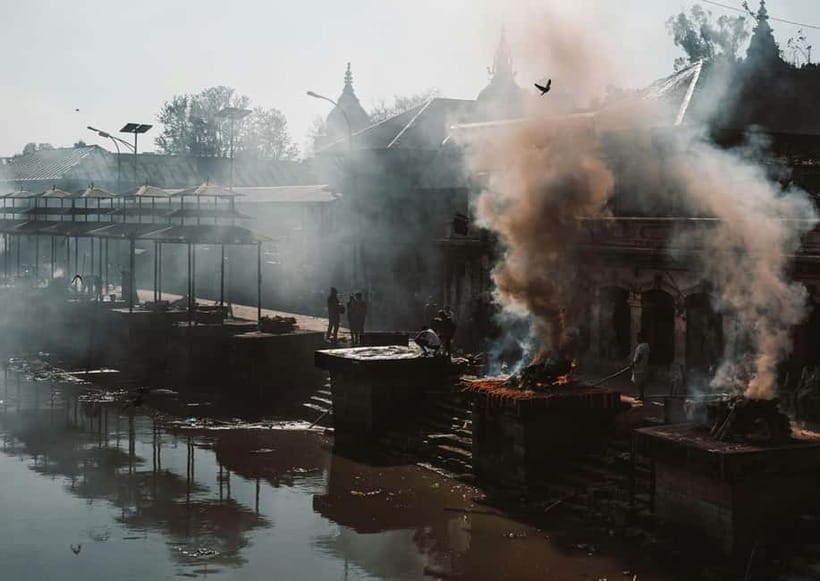
One caution from the reviews is not about the spiritual sites themselves. It is about the practical side of pickup and vehicle comfort.
A one out of five booking complained of late pickup, a car described as dirty with no air-conditioning and no seat belt, and a driver who did not speak English. The complaint was essentially that the service felt like basic transport at a price that did not match the discomfort and lack of guidance.
You cannot control everything, but you can reduce the risk of a bad first impression. Be very clear about where you are waiting, stay reachable, and show up at your pickup point early so you do not miss the driver in narrow streets or busy lobbies.
If you are hoping for strong English interpretation, set that expectation early in conversation. If you do not get it, you still have the main draw: the Pashupatinath cremation viewing and the Shiva Aarati.
Who should book this, and who should skip it
This tour is best for adults who want a meaningful, cultural evening and who can handle an intense spiritual setting. If you like understanding tradition through context, and you are open to asking questions during the visit, this can be a standout Nepal experience.
It is not a match for:
- Children under 9
- People with back problems
- People with mobility impairments
- Wheelchair users
- People with pre-existing medical conditions
Also consider skipping if you hate being outdoors for a significant stretch of time, or if the idea of witnessing open cremation rituals would make you feel unsafe or deeply unwell.
If you fall into the “yes” category, you are signing up for a rare kind of evening. You will see why Pashupatinath is so central to Nepal’s spiritual life, not by reading about it, but by watching the rituals and the devotion unfold in real time.
Should you book this Pashupatinath cremation and evening Aarati tour?
Book it if you want a structured way to see open cremation at Arya Ghat and still make it to the Lord Shiva Aarati on time. The timing guidance, the private air-conditioned vehicle, and the pickup and drop-off are exactly the kind of practical support you appreciate when the main draw is at night.
Skip it if mobility, medical concerns, or long outdoor standing would be a problem for you. Also be honest about expectations: a tour guide is not included, so the depth of explanation may depend on who you get, even though some assigned explainers like Bhum Raj Tiwari have been praised for clear English.
If you want the most from the experience, prepare your body (comfortable shoes, modest clothing), arrive by 5:30 PM for Aarati viewing, and keep a few questions ready. This is not a casual stop. It is a spiritually serious evening that connects two sides of human life in the same sacred space.
FAQ
How long is the Pashupatinath Open Cremation and Evening Aarati tour?
The tour is listed as about 3 hours, and the total time can run about 3 to 4 hours depending on your location and traffic.
What time should I arrive to see the Aarati?
You should arrive at the Aarati area by 5:30 PM for the best viewing spot, since the ceremony starts between 6:00 PM and 6:30 PM.
Is pickup and drop-off included?
Yes. Pickup and drop-off are included, and pickup happens from your location in Kathmandu. The driver arrives within a 15-minute window of the scheduled time.
Is a tour guide included?
No. A tour guide is not included, and the driver provides assistance. The tour also includes a short briefing on do’s and don’ts.
What should I bring with me?
Bring your passport or ID card, comfortable shoes, a camera, comfortable clothing, and cash.
What is included, and what is not included in the price?
Included: an experienced driver, drinking water, and pickup and drop-off. Not included: tour guide, entry tickets, and meals.
Is this tour suitable for children or people with mobility issues?
No. It is not suitable for children under 9, people with back problems, people with mobility impairments, wheelchair users, or people with pre-existing medical conditions.
Kathmandu After Dark

The Rest of Our Kathmandu Write Ups





Pashupatinath and Boudha After Dark
Everything else we have reviewed around Kathmandu
- 12 Days Everest Base Camp Trekking
★ 5.0 · 3 reviews - 1 Night 2 Days Chitwan Jungle Safari Tour from Pokhara or Kathmandu
★ 3.0 · 3 reviews - Thamel Rickshaw tour
★ 4.7 · 3 reviews - Kathmandu: Momo Making Class with a Local Chef
★ 5.0 · 3 reviews - Kathmandu: Full-Day Yoga, Body Massage and Pedicure Package
★ 5.0 · 3 reviews - From Kathmandu / Pokhara / Chitwan: River Rafting – 1 Day
★ 4.6 · 3 reviews
Pashupatinath & Boudhanath Temples worth a second look.
 ★ 5.0Kathmandu Spiritual Sites: Bodhnath & Pashupatinath TourFrom $60185 reviews
 ★ 5.0Pashupatinath Temple Evening Aarati TourFrom $4536 reviews
 ★ 4.8Pashupatinath Temple Aarti Night TourFrom $7129 reviews
 ★ 5.0Pashupatinath Temple, Hindu Crematorium and Aarati in-depth TourFrom $9025 reviews
 ★ 4.5Pashupatinath Evening Aarati: Few Divinely Hours in KathmanduFrom $3523 reviews
 ★ 5.0Sacred Pashupatinath: Aarati,Cremation Rites & Boudha StupaFrom $1118 reviews
 ★ 5.0PashupatiNath and BoudhaNath – Private/Small GroupFrom $1518 reviews
★ 4.7Pashupatinath Temple Evening Aarati TourFrom $2211 reviews
Lists this tour sits in