
REVIEW · EVEREST BASE CAMP TREKS
Luxury Everest Base Camp Trek -11 Days
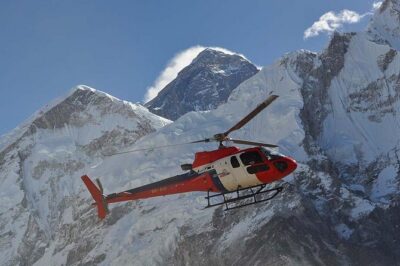
Everest feels close on this trek, thanks to smart luxury touches and real logistics. You get upgraded teahouses on the route, plus the big headline: a shared helicopter return from Gorekshep after you reach Everest Base Camp.
I also like how the comfort is built in without making the trek feel fake. A private vehicle handles your Kathmandu hotel transfer, you sleep in a 5-star Kathmandu hotel for two nights, and the trek meals (lunch, dinner, breakfast) are covered so you can focus on walking and acclimatizing.
One consideration: mountain schedules can still change. Helicopter timing depends on weather, and if you get stuck longer in the region for flight or weather delays, meals and extra mountain days are not included.
In This Review
- Key highlights worth knowing
- Luxury Everest Base Camp: what makes it feel different
- Price and logistics: what $4,500 covers (and what it doesn’t)
- Day 1 in Kathmandu: 5-star rest before the mountain
- Day 2: fly to Lukla, then start the Khumbu grind
- Day 3: Phakding to Namche Bazaar, a classic acclimatization gateway
- Day 4: acclimatization day at about 3,880m
- Day 5: Tengboche (3,820m), where the trail turns spiritual
- Day 6: Dingboche (4,360m), higher, thinner air
- Day 7: acclimatization day in Dingboche (4,360m)
- Day 8: Dingboche to Lobuche, 5 to 6 hours in rougher terrain
- Day 9: Lobuche to Gorakshep, then Everest Base Camp
- Day 10: hike to Kalapatthar (5,545m), then the helicopter back
- Day 11: Kathmandu airport transfer, with time to plan your next trip
- Tea houses, food, and comfort upgrades that matter at altitude
- Guides and porter support: where the experience gets real
- Weather, altitude, and what to expect if plans change
- Who this trek suits best, and who might want a different plan
- Should you book this Luxury Everest Base Camp Trek?
- FAQ
- What is the duration of the Luxury Everest Base Camp Trek?
- Where does the tour start, and what time is the meeting point?
- Are flights to Lukla included?
- Is the helicopter ride included, and where does it fly from?
- Is vegetarian food available?
- What is the cancellation policy?
Key highlights worth knowing
- Shared helicopter from Gorekshep to Kathmandu saves time and lowers fatigue on the way out
- Upgraded tea houses on twin sharing keep comfort a notch above basic trekking lodges
- Kathmandu setup feels handled with private airport pickup and a 5-star hotel for two nights
- Guide and porter support designed for real pace (a porter for 2 clients, plus a full guide team)
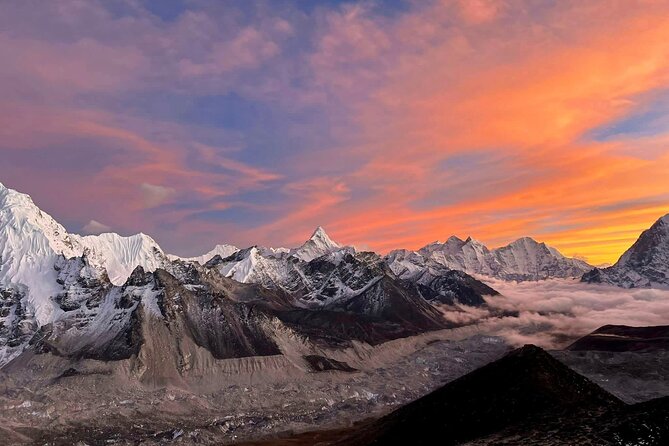
- Kalapatthar is the altitude payoff at 5,545m with big panoramic views
- Vegetarian option available if you let them know at booking
Other routes to Base Camp, side by side


Luxury Everest Base Camp: what makes it feel different
Everest Base Camp is already a once-in-a-lifetime goal. What you are paying for here is less about comfort-sounding marketing and more about fewer friction points on the trail.
The “luxury” part comes down to two practical wins. First, upgraded tea houses during the trek mean your nights are more comfortable than the most basic lodges. Second, the return helicopter from Gorekshep to Kathmandu helps you avoid that long, draining squeeze back through the mountains when you are already tired.
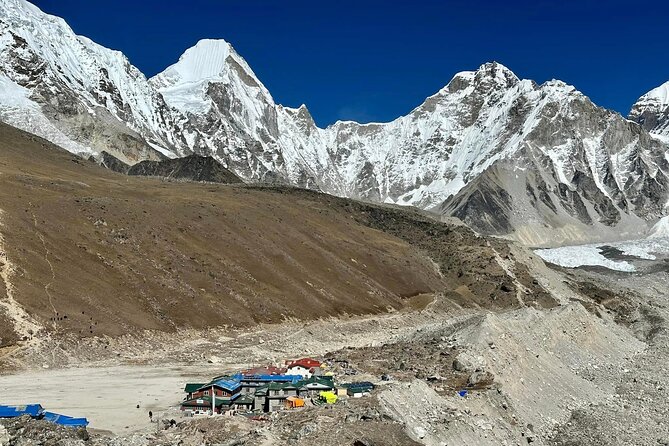
The itinerary is still very much a high-altitude trek. You will spend multiple days walking and acclimatizing, and your route includes classic waypoints like Namche Bazaar, Tengboche, Dingboche, Gorakshep, and finally Everest Base Camp.
Price and logistics: what $4,500 covers (and what it doesn’t)
At $4,500 per person for an 11-day trip, this is not a budget trek. But you should look at what is actually included, because the cost isn’t only “lodge upgrades.”
Here’s what the price covers that you would otherwise pay for separately:
- Two nights in Kathmandu in a 5-star hotel with breakfast
- Kathmandu airport pickup and private transfer to your hotel
- Flights to Lukla (listed as Kathmandu to Lukla, or Kathmandu to Ramechhap to Lukla)
- TIMS permit and Khumbu valley fees
- Guide, plus porter support (1 porter for 2 clients)
- All accommodations during the trek in upgraded tea houses on twin sharing
- Meals during trekking: lunch, dinner, breakfast
- A shared helicopter fare from Gorekshep to Kathmandu
- Travel and rescue arrangements and a first-aid kit on hand
- A farewell dinner with authentic Nepalese food and a cultural performance
What is not included matters too:
- Nepal visa fee (you obtain it in Kathmandu airport)
- International flights to and from Nepal
- Any extra hotel nights in Kathmandu if your schedule shifts
- Meals in Kathmandu, and extra costs if you are delayed and stuck beyond the scheduled plan
- Travel and rescue insurance
- Personal expenses like phone use, laundry, hot showers, and bottled or boiled water
- Tips for your guide and porter
So if you want the simplest value math: you are paying to remove a lot of decision-making. Meals, permits, internal flight logistics, and the helicopter are handled for you. That is exactly where trekking trips can get complicated fast.
Day 1 in Kathmandu: 5-star rest before the mountain
Your trip begins in Kathmandu with a rep meeting you at Tribhuvan International Airport (TIA) and transferring you by private vehicle to your hotel. After a long flight day, this kind of direct transfer is not glamorous, but it saves time and stress.
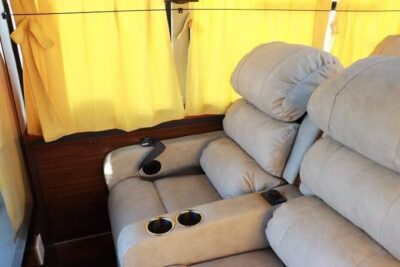
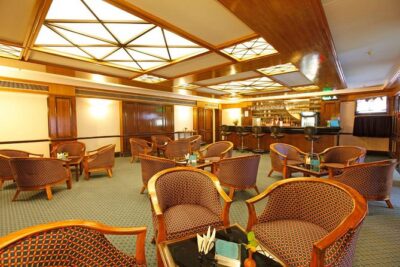
Your plan includes two nights in a 5-star Kathmandu hotel with breakfast. This is a genuine advantage for an Everest trek because it gives you a stable base before you head to Lukla, where everything happens on a tight schedule.
One small practical note: the experience start time is listed as 6:00 am at the airport meeting point. Your exact rhythm on Day 1 can vary with your flight arrival time, but you should expect the trip team to coordinate you into an early start when needed.
Day 2: fly to Lukla, then start the Khumbu grind
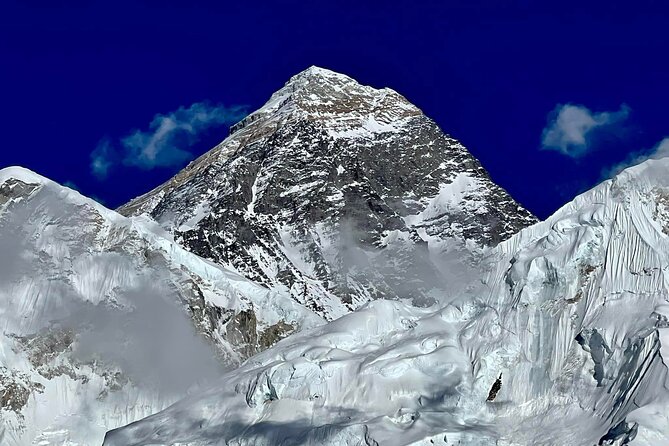
Day 2 is your jump from Kathmandu to the trekking zone. You fly to Lukla (2,860m), and from there you begin the trek. The details of that first walking leg are not fully spelled out here, but the core idea is clear: you land, then transition into altitude and trail life quickly.
This day is less about huge views and more about getting your body on track. Flying to altitude can feel like it speeds everything up, so the best move is to keep your effort steady and not treat Day 2 like a long hike you can push.
If you care about comfort and timing, this is where an organized operator earns its keep. You are not just “going to Everest Base Camp,” you are being routed through the flight piece of the program, which is often the hardest part for independent planning.
The Kathmandu bookings with the upgrades bundled
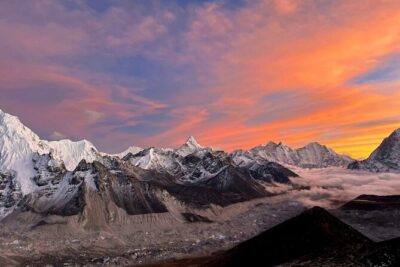
Day 3: Phakding to Namche Bazaar, a classic acclimatization gateway
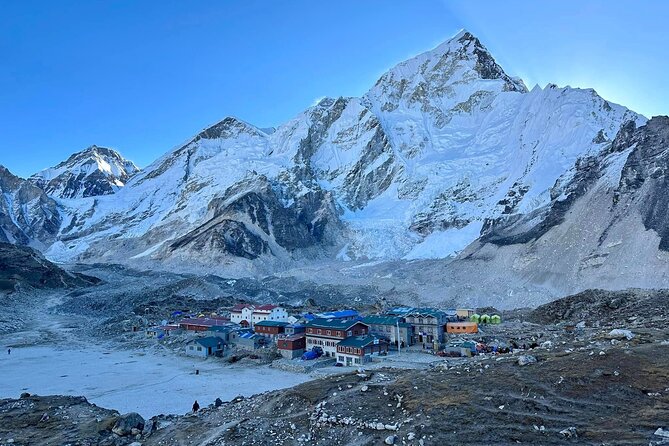
On Day 3 you walk from Phakding to Namche Bazaar, a key hub for trekkers in the Everest region. Namche is popular for a reason: it is where the trail starts to feel like it belongs to high altitude, not just scenery.
Even if you are not racing through the hours, this segment matters because it sets your pace for the days ahead. You are also moving into the area where acclimatization becomes the real work of the trek.
What I like about including Namche as a major stop is that it gives you structure. You are not wandering through the mountains with no plan. Someone is timing your days around where your body will need breaks.
Day 4: acclimatization day at about 3,880m
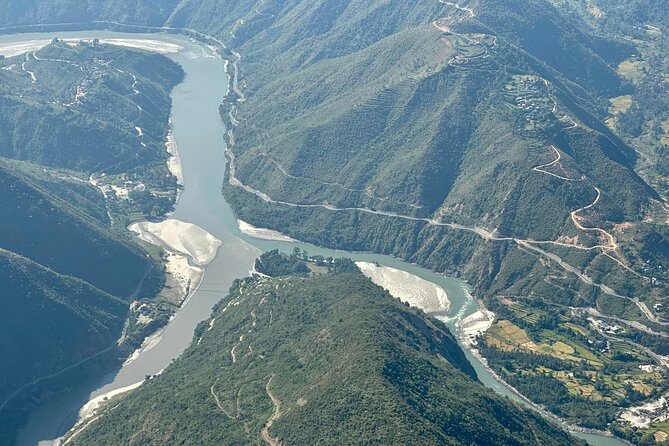
Day 4 is an acclimatization day at around 3,880m. This is one of the most important days on the whole itinerary, because acclimatization is where you reduce the risk of feeling awful later.
The itinerary mentions an acclimatization day with an opportunity, but the specific activities are not listed here. Still, the value is in the scheduling itself. You are gaining altitude overall, but you are not doing it in a straight line.
A luxury trek should not mean you skip the hard part. The real luxury is that you still respect your body and give yourself time.
Day 5: Tengboche (3,820m), where the trail turns spiritual
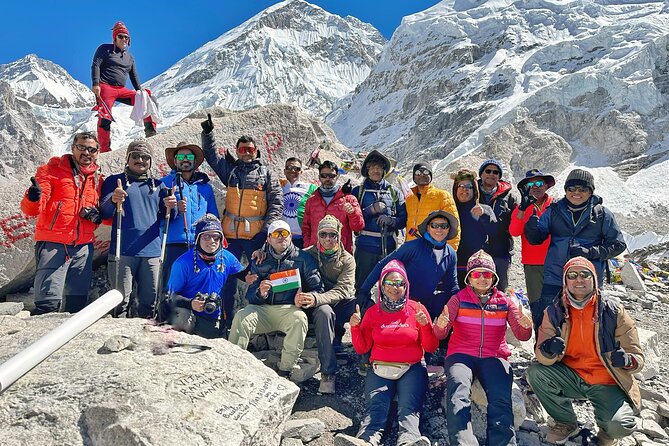
Day 5 moves you to Tengboche (3,820m), leaving Hotel Everest View. The walking time is noted as around 4 to 5 hours, which is a manageable target after the previous days.
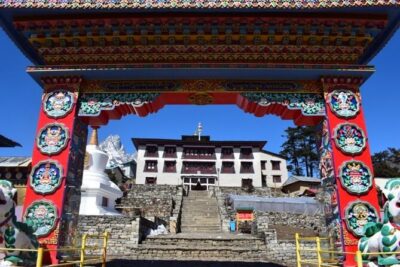
Tengboche is one of the most well-known points on the Everest Base Camp route, and it is often chosen because it offers a mix of cultural stop energy and mountain views. In practice, days like this can feel like a reset, especially when you are tired from the earlier altitude swings.
This is also where upgraded tea house comfort starts to matter. You are more likely to enjoy the stop if you can actually recover and sleep well.
Day 6: Dingboche (4,360m), higher, thinner air
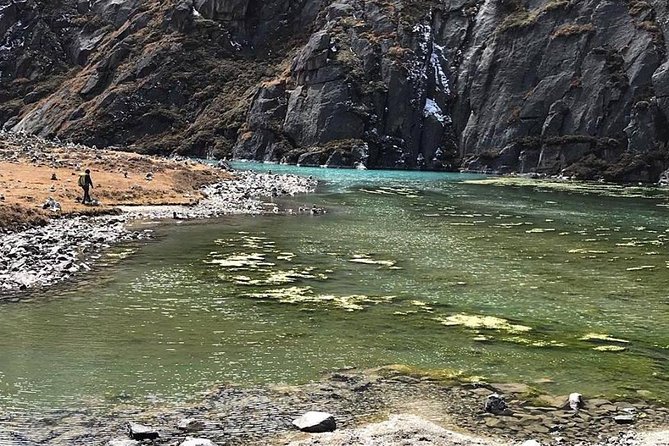
On Day 6 you go from Diboche to Dingboche (4,360m). The trek segment is described as typically 5 to 6 hours, which suggests a slightly longer day.
Going into Dingboche at over 4,300m means you are firmly in the high-altitude zone now. If you are prone to headaches or shortness of breath on climbs, this is where the pace and rest plan matter.
This itinerary includes support, including guides and a porter system. The most helpful part of porter support is that it protects your energy for walking and acclimatizing, not for carrying everything on your back.
Day 7: acclimatization day in Dingboche (4,360m)
Day 7 is another acclimatization day, again in Dingboche (4,360m). A second acclimatization day is a big deal because it gives your body more time to adapt before the trek pushes toward higher camps.
This kind of pacing is particularly important on a route with a helicopter return. You still want to avoid rushing the ascent, because the helicopter does not prevent altitude stress. It mainly helps you with the exit phase.
Also, the fact that this trek keeps acclimatization on schedule tells me the operator understands the difference between comfort and safety.
Day 8: Dingboche to Lobuche, 5 to 6 hours in rougher terrain
Day 8 takes you from Dingboche to Lobuche, described as a moderate hike of around 5 to 6 hours. The notes highlight high-altitude terrain and challenging weather conditions, plus you will see striking views of surrounding peaks.
This is the kind of day where mental focus helps. Even when the distance feels reasonable on paper, high-altitude weather can make everything feel harder.
A good luxury setup here is having your base logistics already handled: meals covered, tea house stays sorted, and an experienced guide managing the route and pacing. That frees you up to simply walk.
Day 9: Lobuche to Gorakshep, then Everest Base Camp
Day 9 is a strenuous 6 to 7 hour day moving from Lobuche to Gorakshep and onward to Everest Base Camp. The route includes rocky terrain and glacial moraines, which is exactly why this day is treated as the big push.
This is also where the itinerary structure pays off. By the time you reach this stage, you have had acclimatization days and time to adjust. You are not jumping into Everest Base Camp from sea level style pacing.
And when you get there, Everest Base Camp is not about comfort. It is about being at the foot of the world’s biggest mountain. The luxury element is that you reduce the “how do I manage all this?” stress, so your energy goes into the experience.
Day 10: hike to Kalapatthar (5,545m), then the helicopter back
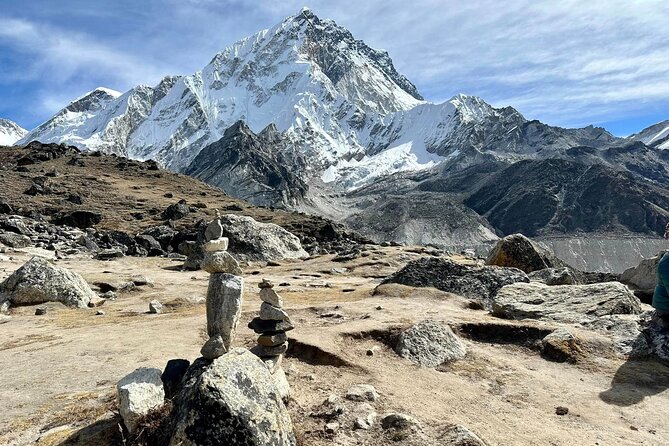
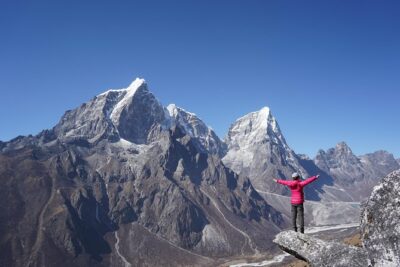
Day 10 adds the classic altitude highlight: the trek from Gorakshep to Kalapatthar, at 5,545m (18,192 feet). Kalapatthar is described as a popular highlight with panoramic views of the surrounding peaks.
This is often the moment people feel their whole trip “click.” Even if you are tired, the altitude payoff is real, and the views can be the kind of sight that sticks with you for years.
Here is the practical luxury twist: your itinerary includes a shared helicopter fare from Gorekshep to Kathmandu. So instead of walking all the way back down after you have already done the hardest walking days, you get a faster, lower-impact return.
One more reason this matters for value: time. You compress the recovery phase and you reduce the chance that one slow day turns into a long, miserable one.
Day 11: Kathmandu airport transfer, with time to plan your next trip
On Day 11, a representative takes you to the airport about three hours before your scheduled flight. That buffer is helpful when Kathmandu schedules tighten up around departure windows.
You are also set up to do something that adventure plans rarely allow: take a breath. After 11 days of altitude, you likely want a little margin to think clearly, handle any last purchases, and plot the next trip idea.
This trek also includes a last night farewell dinner with authentic Nepalese restaurant food and cultural performance, which adds a satisfying “close the chapter” moment before you fly out.
Tea houses, food, and comfort upgrades that matter at altitude
If you are paying for a luxury version of Everest Base Camp, you want your nights to be easier, not just more expensive.
This trip uses upgraded tea houses on twin sharing during the trek. While it does not list every facility detail, the upgrade itself suggests better comfort than bare-bones options. At altitude, the difference between a rough night and a tolerable one can change how you walk the next day.
Meals are included during trekking: breakfast, lunch, and dinner. That sounds simple, but for many people it is the real comfort benefit. You do not have to shop, negotiate prices, or guess what is available on each day.
You can also request vegetarian options at booking. If your diet has constraints, that is worth paying attention to early.
Guides and porter support: where the experience gets real
One of the most consistently praised aspects from the company’s clientele is the human support. In the trip experience, you see names like Prakash singled out for being the guide people felt cared for by. You also see Bhagwat mentioned as the owner or leader who keeps the plan organized.
Even when Everest is the main event, guides make the difference in the details: pacing, route control, timing at major stops, and helping you adjust when conditions shift.
Porter support is also included: 1 porter for 2 clients. I like that structure because it is common-sense. It reduces the weight you carry, and less strain can mean more stable walking on hard days like Day 9.
Weather, altitude, and what to expect if plans change
This itinerary is built around a high-altitude corridor and a helicopter return, which means the weather matters.
The tour notes that spring and autumn are best for luxury Everest Base Camp because weather is more stable for helicopter rides and Himalayan views. That tells you the helicopter is a key part of the experience, but it is not something they can control fully.
Also, if you get delayed due to bad weather or flight problems, extra mountain costs and extra meals are not included. That is not a reason to avoid the trip, but it is a reason to travel with a buffer and plan insurance.
Altitude is another factor you cannot outsource. This trek includes two acclimatization days (one around 3,880m and another in Dingboche at 4,360m). That is a smart choice for a safer, more enjoyable rhythm.
Who this trek suits best, and who might want a different plan
This is a strong fit if you:
- Want the Everest Base Camp experience with more comfort in tea houses
- Prefer having meals and key logistics handled so you can focus on walking and enjoying the views
- Like the idea of a helicopter return to reduce the post-EBC grind
- Want a private trip setup where only your group participates
It might not be the best match if you:
- Are trying to do this as a strict budget trek, since helicopter and internal flights are part of the package
- Are the type who hates schedule shifts, since Lukla flights and helicopter plans can be weather-dependent
- Do not handle altitude well and are not prepared for acclimatization days
A moderate physical fitness level is stated as the target. If you have never trekked before, you would want to train and build stamina before taking on days like Day 9 and the Kalapatthar push.
Should you book this Luxury Everest Base Camp Trek?
I would book this if you want Everest Base Camp but you also want your trip to feel managed. The best value is not just the helicopter, it is the mix of upgraded tea houses, included meals, permits, internal flights, and a porter setup that removes the typical chaos of planning your own route.
I would pause before booking if you are very sensitive to weather disruptions and cost surprises from schedule changes, because extra mountain days and meals are not covered if you get delayed.
If you like structured adventure, and you want Everest without the maximum headache level, this is a very reasonable way to do it. Just make sure you are ready for the altitude work, because luxury can reduce logistics stress, but it cannot replace acclimatization.
FAQ
What is the duration of the Luxury Everest Base Camp Trek?
The trek is listed as 11 days (approx.).
Where does the tour start, and what time is the meeting point?
It starts back at Tribhuvan Airport in Kathmandu, Nepal, with a listed start time of 6:00 am.
Are flights to Lukla included?
Yes. The tour includes Kathmandu to Lukla, or Kathmandu to Ramechhap to Lukla, as part of the included services.
Is the helicopter ride included, and where does it fly from?
Yes. The package includes helicopter fare from Gorekshep to Kathmandu, sharing.
Is vegetarian food available?
Yes. A vegetarian option is available if you advise the company at booking.
What is the cancellation policy?
Free cancellation is available up to 24 hours in advance for a full refund. If you cancel less than 24 hours before the start time, the amount paid is not refunded.
Kathmandu, Upgrades Bundled
The Rest of Our Kathmandu Write Ups



Base Camp, Three More Ways
Everything else we have reviewed around Kathmandu
- 12 Days Everest Base Camp Trekking
★ 5.0 · 3 reviews - 1 Night 2 Days Chitwan Jungle Safari Tour from Pokhara or Kathmandu
★ 3.0 · 3 reviews - Thamel Rickshaw tour
★ 4.7 · 3 reviews - Kathmandu: Momo Making Class with a Local Chef
★ 5.0 · 3 reviews - Kathmandu: Full-Day Yoga, Body Massage and Pedicure Package
★ 5.0 · 3 reviews - From Kathmandu / Pokhara / Chitwan: River Rafting – 1 Day
★ 4.6 · 3 reviews
Everest Base Camp Treks worth a second look.
 ★ 5.0Everest Base Camp Trek – 14 DaysFrom $1,8001,499 reviews
 ★ 5.0Everest Base Camp TrekkingFrom $1,350485 reviews
 ★ 5.0Everest Base Camp Trekking – 13 DayFrom $1,399365 reviews
★ 5.0Everest Base Camp Trek -14 DaysFrom $1,420321 reviews
 ★ 5.0Everest Base Camp Trekking – 2025/2026From $1,339199 reviews
 ★ 5.0Everest Base Camp TrekFrom $1,408193 reviews
 ★ 5.0Everest Base Camp Trek with Helicopter Return from Gorakshep to LuklaFrom $3,000161 reviews
14-Days Private Everest Base Camp TrekFrom $1,600152 reviews
Lists this tour sits in