
REVIEW · EVEREST BASE CAMP TREKS
Luxury Everest Base Camp Trek – 11 Days
Eleven days to stand in Everest’s shadow. This luxury Everest Base Camp trek blends Himalayan trekking with helicopter convenience and plush comfort in remote places. You’ll hit the famous Khumbu stops like Namche Bazaar and Tengboche, then finish with the big viewpoint push toward Everest’s world.
What I like most is how the trip pairs high-altitude ambition with real-world comfort: luxury accommodation during the trek plus meals planned for the days you’ll actually be hiking. The second big win is the staffing. You travel with a guide and porters who have daily wages, insurance, and meals covered, so you are not worrying about the human logistics while your body negotiates the altitude.
One consideration before you fall in love with the idea: this is still a high-altitude trek. The trip requests moderate physical fitness, and there’s an asthma note for participants to take seriously. Weather can also matter, since the schedule relies on the helicopter legs.
In This Review
- Key highlights you’ll care about
- Why this luxury Everest trek runs on comfort and logistics
- Kathmandu to Lukla by helicopter: the start that saves your legs
- The Khumbu route, step by step, and what each stop really gives you
- Lukla to Phakding, a first taste of the trail
- Phakding toward Monjo and on to Namche Bazaar
- Namche Bazaar and Everest View Point: a reality check with big reward
- Tengboche: rhododendron forest walking and the monastery feel
- Dingboche at about 4,410 meters: acclimatization becomes the main job
- Chukhung: using altitude to train your acclimatization instincts
- Lobuche to Everest Base Camp: terminal glacier zone energy
- Gorak Shep and the walk-up to Kala Patthar sunrise
- Luxury on the trail: what you actually get, day after day
- Price and value: what $4,070 buys you on an Everest trek
- The team matters, and the names you might hear
- Who should book this luxury Everest Base Camp trek, and who should rethink it
- Should you book this luxury Everest Base Camp trek?
- FAQ
- What are the main included transport parts of this trek?
- Where does the trek start and what time is the meeting point?
- How long is the luxury Everest Base Camp trek?
- Is pickup offered in Kathmandu?
- What meals are included during the trek?
- What accommodation style is included?
- Is international airfare included?
- What is the maximum group size?
- Are there refund options if weather affects the experience?
Key highlights you’ll care about
- Helicopter Kathmandu to Lukla to kick-start your trek and reduce early fatigue
- Small group cap of 15 for a more controlled experience on the trail
- Luxury stays in the Everest region so you can recover without living like a backpacker
- Acclimatization days built into the route through places like Namche, Dingboche, and Chukhung
- Kala Patthar sunrise goal above Gorak Shep for serious panoramic payoff
- Strong team support often led by guides such as Surya, Prakash, Keshab, Babu, and Ram
Other routes to Base Camp, side by side


Why this luxury Everest trek runs on comfort and logistics
If you want Everest without the chaos, this style of trip is aimed right at you. The headline is luxury, but the practical value is how the trip is managed. You do not just get a route. You get a plan that reduces the stressful parts of getting into the Khumbu region.
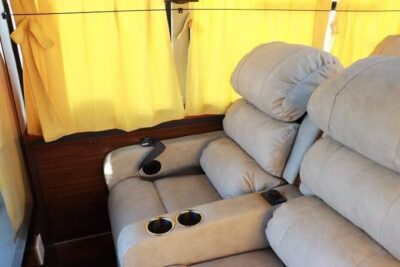
The big comfort factor is that you’re sleeping in luxury accommodation during the trek rather than making every night a mystery of cramped rooms and thin blankets. That matters at altitude. After a 4 to 6 hour day, you want to reset quickly. A warm shower, decent sleep, and a predictable meal schedule are not luxury for luxury’s sake, they help you show up the next morning with less friction.
The other thing I appreciate is the human support. You travel with a guide plus porters, and the tour includes their daily wage, insurance, and meals. In plain terms, that means your group has people assigned to keep things moving, carry some load, and handle the on-the-ground rhythm so you can focus on pacing.
Kathmandu to Lukla by helicopter: the start that saves your legs
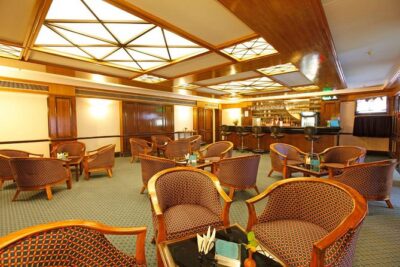
Your trip begins with a guide meeting you after you land, then getting you to your hotel in Thamel, Kathmandu. Thamel is convenient because it’s close to a lot of transport options, and that makes the first 24 hours easier to manage.
Then comes the helicopter jump to Lukla. This is not a small upgrade. It changes how the first days feel. Trekking into the Khumbu normally means more time spent climbing early, and that can leave you tired before your acclimatization even starts. Here, the flight from Kathmandu to Lukla cuts out that chunk.
Once in Lukla, you meet the trekking crew and start walking to Phakding. The walk time listed is about 4 hours. For most people, that’s a smart “warm-up” day, not an all-out opener. You get your first views, you find your breathing rhythm, and you arrive in Phakding ready for the next real stretch.
The Khumbu route, step by step, and what each stop really gives you
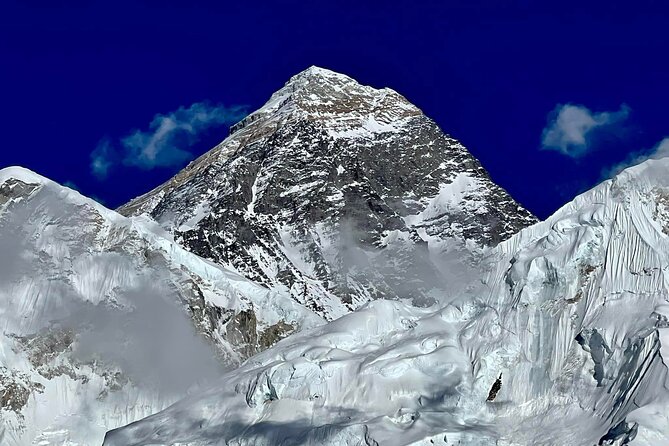
This trek follows the classic Everest Base Camp approach, but with extra attention to pacing and recovery. You’re also moving through places with different vibes, from busy Sherpa markets to quieter viewpoints.
Lukla to Phakding, a first taste of the trail
After the helicopter drops you at Lukla, the trail to Phakding gives you an immediate sense of how the route works. Expect an introduction phase rather than a brutal ascent. This helps you adjust to the idea of walking day after day, while still giving you the early mountain energy.
A practical tip: treat this first trekking day like gear-check practice. Use it to confirm your layering system, test your trekking socks, and set your water routine. If you get that right early, the rest of the trek feels easier.
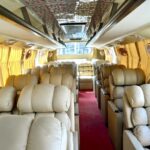
The Kathmandu bookings with the upgrades bundled
Phakding toward Monjo and on to Namche Bazaar
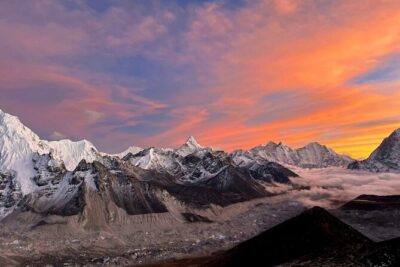
From the Monjo area, the walk toward Namche Bazaar is described as challenging but rewarding. You start with a gentle ascent and go through pine forests. I like that detail because pine forest walking tends to feel calmer and more shaded than exposed paths. That can make a difference when you’re trying to keep your breathing under control.
Namche Bazaar is your altitude and culture pivot point. It’s also where you start to feel how the Khumbu supports trekkers: shops, food choices, and local life. The route timing and your arrival set you up for a key acclimatization day later.
Namche Bazaar and Everest View Point: a reality check with big reward
There’s time set aside to include Everest View Point. Even when you are not standing at Everest Base Camp yet, a viewpoint like this helps you connect the miles with the destination. It’s a good morale checkpoint.
Then the plan includes a day in Namche Bazaar that’s specifically described as a breather, with no rushing and no steep climbs. This is where luxury helps you. When you have comfortable nights and meals, taking an acclimatization day doesn’t feel like wasted money. It feels like intelligent pacing.
Tengboche: rhododendron forest walking and the monastery feel
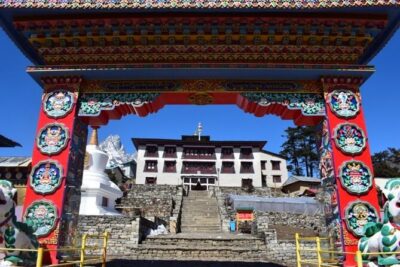
Your next cultural and scenic stop is Tengboche. The trail is described as going through dense rhododendron forests. Rhododendron season changes the look, but in any season it typically means a greener, more pleasant walk than bare rocky slopes.
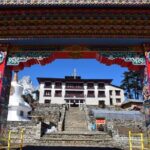
Tengboche is also known for its monastery atmosphere. Your route frames this as a “spiritual enclave,” and even if you only spend a bit of time exploring, the shift in tone is noticeable. It’s a good day to slow down, enjoy the air, and let the effort settle into your body.
Dingboche at about 4,410 meters: acclimatization becomes the main job
Dingboche sits at an altitude noted as 4,410 meters. The route description suggests a 5 to 6 hour trek from Tengboche to Dingboche. This is one of the days where good pacing matters more than speed.
Dingboche is placed in the route as an ideal location to acclimate as you go higher. In real terms, that means you’re not just pushing upward. You’re giving your body time to adjust to thinner air, which is what you want before the higher, colder zone near Gorak Shep.
Chukhung: using altitude to train your acclimatization instincts
The plan includes a day that reaches Chukhung and is described as serving an acclimatization purpose. This is a common strategy in the Everest region: go high enough to stimulate adjustment, but within a controlled pattern so you can recover.
If you’re the kind of person who gets anxious about altitude, these acclimatization loops help. You get exposed to the feel of higher elevations while still having a plan for recovery.
Lobuche to Everest Base Camp: terminal glacier zone energy
As you move toward Lobuche, the trail is described as passing the terminal moraine of the Khumbu Glacier. That wording matters. Moraines are rough, stony, and visual. You start to feel like you are in the glacier’s neighborhood.
Then the route includes Everest Base Camp as a key stop. This is the moment most people buy this trek for. You’ll want to slow down when you arrive. Take time to soak it in, but do not turn it into a sprint. Altitude can hit harder when you start hurrying for photos.
Gorak Shep and the walk-up to Kala Patthar sunrise
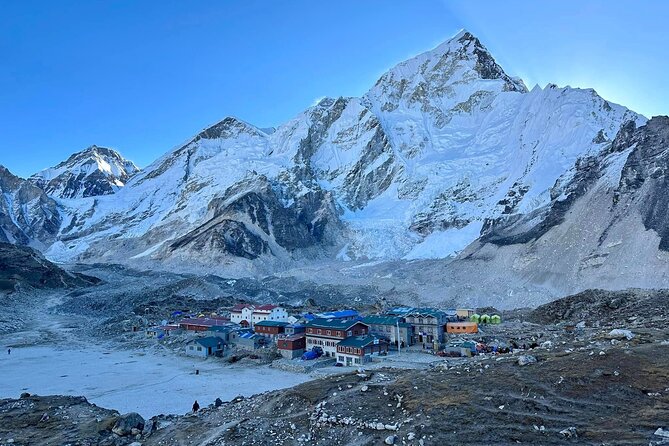
After Everest Base Camp, the route includes getting to Gorak Shep, listed at about 5,164 meters. Gorak Shep is described as the last stop on the trek before the next push. That fits the feel of the area, it’s high and it’s focused.
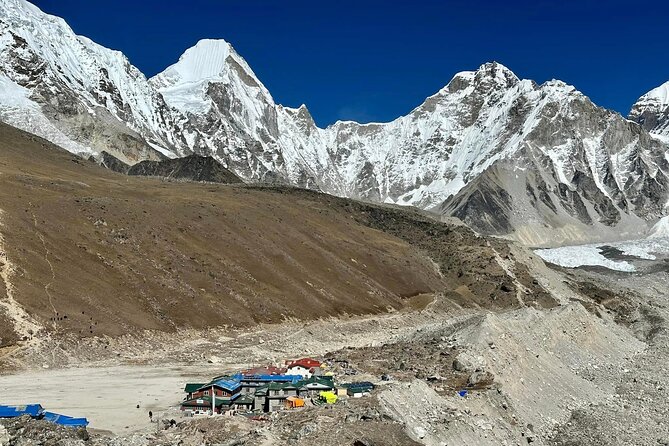
From there, you plan an early morning hike toward Kala Patthar. Kala Patthar is described as a notable landmark on the south ridge of Pumori above Gorak Shep. The timing is early: the meeting point start time listed is 5:15 am, which tells you the sunrise push is not a casual late start.
This is one of the best “payoff to effort” parts of the entire trek, because the view from Kala Patthar is built for the first light moment. Dress for cold, move steadily, and know that slow often wins at altitude.
Luxury on the trail: what you actually get, day after day
The word luxury can mean different things. Here, the meaning is tied to what helps on a tough route.
You get luxury accommodation during the trek, plus a guide and porters. You also get most meals: the included list states breakfast (9), lunch (8), and dinner (8). That matters because trekking days tend to scatter meal schedules. Having them planned reduces decision fatigue.
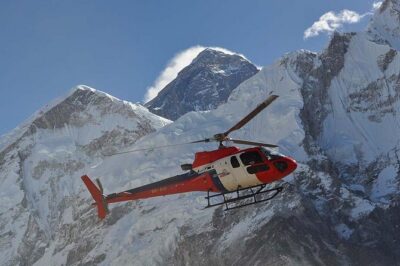
There’s also a helicopter plan in both directions. Kathmandu to Lukla by helicopter and Gorakshep to Kathmandu by helicopter are both included. That’s a major value driver, because air time is expensive and it’s also the kind of convenience you notice when you are tired.
What about Kathmandu itself? Extra nights are not included, and meals in Kathmandu are limited to breakfast and a farewell dinner. Personal expenses like laundry, phone calls, internet, cold drinks, and shopping are not included.
One more practical detail: the trip mentions near public transportation and includes pickup. That helps if you’re staying in or near Thamel and want an easy airport-to-hotel-to-trek rhythm.
Price and value: what $4,070 buys you on an Everest trek
At $4,070 per person, this is not a budget trek. So the question is not just what it costs, it’s what is included that you would otherwise have to arrange yourself.
Here’s where the price likely shows up most clearly:
- Two helicopter legs: Kathmandu to Lukla, and Gorakshep to Kathmandu. This is a massive cost and also a massive convenience.
- Accommodation quality during the trek: luxury stays reduce recovery time and stress.
- Staffing: guide and porters come with wages, insurance, and meals handled.
- Meals on trek days: breakfast, lunch, dinner counts are included.
- All fees and taxes are included.
What’s not included is also important for value thinking: international flights, travel insurance, and Kathmandu meals beyond breakfast and farewell dinner. Tips to the crew are also not included.
So who is this best for? It’s best for people who want Everest to feel organized from start to finish, and who place value on comfort and predictable logistics. If you’re the type who loves cooking your own meals, carrying everything, and figuring out transport day by day, you may feel this format is overkill. If you want to arrive with your body ready and your mind calm, it can feel like money well spent.
The team matters, and the names you might hear
A luxury trekking experience is only as good as the people running it on the ground. The feedback tied to this company repeatedly highlights a well-run operation and strong guiding.
You might encounter organizers like Surya, and guides including Prakash, Keshab, Babu, or Ram. Porters named in the feedback include Govinda, Kumar, and Partap.
Even if you never meet those exact individuals, the pattern is clear: the operation leans on experienced guides and a crew who know how to handle route flow and client support. One feedback point also notes they handled weather and cancelled flight disruptions efficiently. That’s worth taking seriously. On Everest, weather can be the boss.
Who should book this luxury Everest Base Camp trek, and who should rethink it
This trek is listed as best for people with moderate physical fitness. The walking is real, but the schedule includes built-in acclimatization and structured pacing through key towns and higher points.
It also has a specific note: asthma problem is mentioned in the additional info. If you have asthma, do not treat that as a formality. You should discuss it with your doctor and make sure you understand how altitude might affect you.
You’ll likely enjoy this trip if you:
- Want Everest scenery and the Base Camp goal, but you do not want to rough it
- Appreciate a small group feel, with a cap of 15 travelers
- Like having logistics handled, especially the helicopter segments
- Prefer guided support over self-navigation
You might want a different style of trek if you:
- Are chasing the cheapest Everest route possible
- Want maximum independence on logistics and meals
- Have health concerns related to altitude but no medical plan in place
Should you book this luxury Everest Base Camp trek?
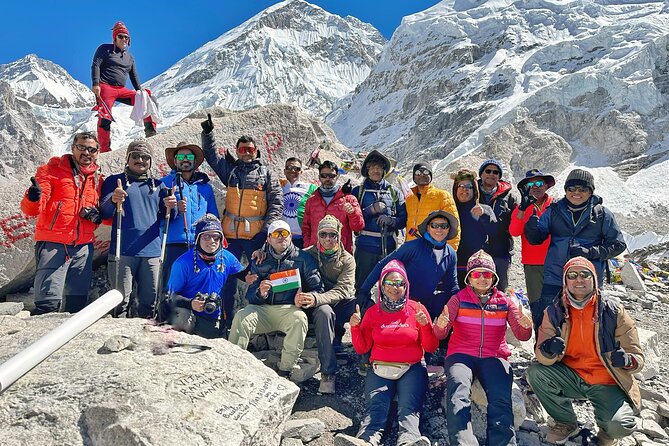
If your dream includes Everest Base Camp, plus sunrise views from Kala Patthar, this is a compelling way to do it with comfort and structure. The biggest selling points are the helicopter legs, the included guide and porter support, and the fact that acclimatization days are built into the route so you can arrive at the higher parts with a better chance of feeling steady.
My practical advice for the decision:
- If you want comfort and fewer moving parts, book it and focus your energy on pacing and hydration.
- If you are worried about altitude health issues like asthma, pause and get medical guidance first. This kind of luxury does not change the physics of high elevations.
- If you travel with a group and value shared organization, the small group size and guide support make it feel smoother than doing this solo.
In short, this trip is for people who want Everest to be hard in the right way, with the stressful parts handled for you.
FAQ
What are the main included transport parts of this trek?
The tour includes Kathmandu to Lukla by helicopter, and it also includes Gorakshep to Kathmandu by helicopter. Day 1 includes a guide meeting you at the airport and taking you to your hotel in Thamel.
Where does the trek start and what time is the meeting point?
The meeting point start time is listed as 5:15 am. Your guide meets you at the airport on the first day and transfers you to your hotel in Thamel.
How long is the luxury Everest Base Camp trek?
The duration is listed as 11 days (approx.).
Is pickup offered in Kathmandu?
Yes, pickup is offered. The information also notes the meeting point is near public transportation.
What meals are included during the trek?
The included meals are breakfast (9), lunch (8), and dinner (8). Meals in Kathmandu are not included except breakfast and a farewell dinner.
What accommodation style is included?
The tour includes luxury accommodation during the trek. Extra nights in Kathmandu are not included.
Is international airfare included?
No. International flights to and from Nepal are not included.
What is the maximum group size?
The tour lists a maximum of 15 travelers.
Are there refund options if weather affects the experience?
Yes. The tour notes free cancellation, and it also says that if the experience is canceled due to poor weather, you will be offered a different date or a full refund.
Kathmandu, Upgrades Bundled
The Rest of Our Kathmandu Write Ups



Base Camp, Three More Ways
Everything else we have reviewed around Kathmandu
- 12 Days Everest Base Camp Trekking
★ 5.0 · 3 reviews - 1 Night 2 Days Chitwan Jungle Safari Tour from Pokhara or Kathmandu
★ 3.0 · 3 reviews - Thamel Rickshaw tour
★ 4.7 · 3 reviews - Kathmandu: Momo Making Class with a Local Chef
★ 5.0 · 3 reviews - Kathmandu: Full-Day Yoga, Body Massage and Pedicure Package
★ 5.0 · 3 reviews - From Kathmandu / Pokhara / Chitwan: River Rafting – 1 Day
★ 4.6 · 3 reviews
Everest Base Camp Treks worth a second look.
 ★ 5.0Everest Base Camp Trek – 14 DaysFrom $1,8001,499 reviews
 ★ 5.0Everest Base Camp TrekkingFrom $1,350485 reviews
 ★ 5.0Everest Base Camp Trekking – 13 DayFrom $1,399365 reviews
★ 5.0Everest Base Camp Trek -14 DaysFrom $1,420321 reviews
 ★ 5.0Everest Base Camp Trekking – 2025/2026From $1,339199 reviews
 ★ 5.0Everest Base Camp TrekFrom $1,408193 reviews
 ★ 5.0Everest Base Camp Trek with Helicopter Return from Gorakshep to LuklaFrom $3,000161 reviews
14-Days Private Everest Base Camp TrekFrom $1,600152 reviews
Lists this tour sits in