
REVIEW · NEPALI COOKING CLASSES
Momo, Dhalbhat & Thukpa Cooking Class, Nepal
A Nepal breakfast you help make. This momo, dhalbhat & thukpa cooking class turns a food lesson into a morning with Patan landmarks, a real market stop, and hands-on cooking. I like that Esther Rai teaches the class with a clear plan and makes space for questions while you’re working.
What really sells it for me is the market visit first, where you buy ingredients and talk with local sellers before the aprons go on. I also love that the class stays small, so you actually practice and not just watch.
One possible drawback: the experience depends on good weather, so if the sky turns ugly, your date may shift or you’ll get a refund.
In This Review
- Key things you’ll notice right away
- Starting at Nagabahal, right by Patan Durbar Square
- Market time in Patan: what shopping teaches you
- Golden Temple to Patan streets: history light, context heavy
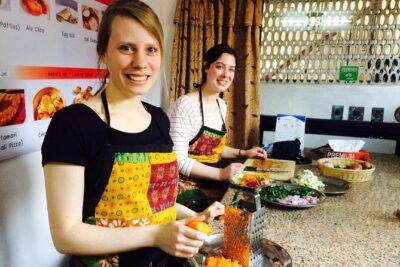
- Cooking with Esther Rai and Amos: momo, dhalbhat, thukpa hands-on
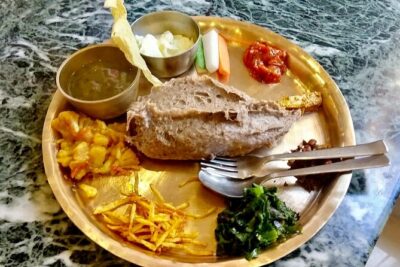
- Eating what you cook, plus the flavors you can taste
- Why the Patan location matters for your trip
- Price and value: $25 for market, cooking, and a full meal
- Weather and timing: plan like a local, keep it flexible
- Who should book this cooking class
- Should you book Momo, Dhalbhat & Thukpa in Kathmandu?
- FAQ
- How long is the cooking class?
- What is the price per person?
- Where do we meet, and does the tour end nearby?
- What dishes will I learn to make?
- Do we shop for ingredients before cooking?
- How large is the group?
- What happens if the weather is poor?
Key things you’ll notice right away
- Market shopping in Patan for vegetables and other cooking staples before you start
- Small group size capped at 10 people, so you can get hands-on help
- Patan-focused start with a stop at the Golden Temple complex, Hiranya Varna Mahavihar
- Flexible menu by request, built around momo, dhalbhat, and thukpa
- Eat what you cook, warm and fresh after the cooking work is done
- Rooftop-style cooking location near Patan Durbar Square, easy to pair with sightseeing
Fold more momos: other Nepali kitchens

Starting at Nagabahal, right by Patan Durbar Square
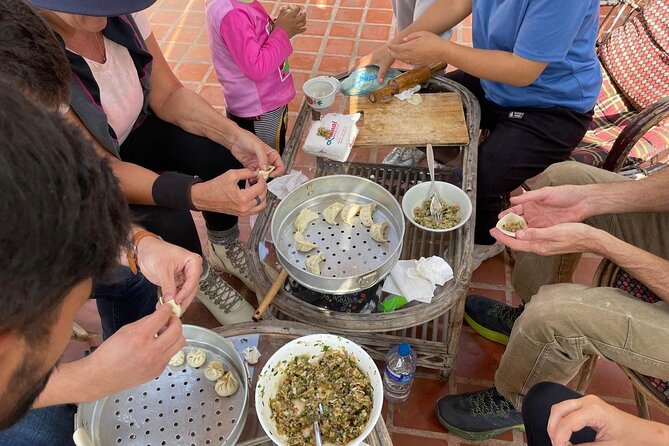
You meet at Nagabahal – Nyadha Galli in Lalitpur, then head back there when it’s done. The location is handy because you’re only a short walk from Patan Durbar Square, so you can build the class into a bigger Patan morning. It also helps that the tour is near public transportation, which matters a lot in Kathmandu valley traffic.
This is a small, structured experience, with a maximum of 10 people. That size makes the difference between a lecture and a true cooking class. You’re not fighting for space, and Esther Rai and her collaborator, Amos, can actually help as you go.
The session runs about 3 hours, and it’s built as a morning flow: walking and culture at the start, cooking and eating near the end. A mobile ticket is provided, which keeps it simple.
Market time in Patan: what shopping teaches you
The market stop is more than a photo break. You’ll visit a local vegetable market, meet sellers, and buy the ingredients you’ll cook with. It’s a fast lesson in how Nepalese kitchens start, with fresh produce and the right spices, not guesswork.
Here’s what I like about doing this before cooking: it sharpens your attention. Once you’ve held the ingredients, you understand why the flavors land the way they do later in the meal. You also get a peek at daily life in Patan, where food is part of neighborhood rhythm.
You should expect the market part to add energy to the morning. It’s casual, social, and practical. You can interact with vegetable sellers during shopping, and that simple exchange makes the whole class feel more real.
Golden Temple to Patan streets: history light, context heavy
The route includes a stop at the Golden Temple, also called Hiranya Varna Mahavihar, then time in Patan (Lalitpur). The idea is to set the scene, not to turn this into a long museum tour. You get a sense of the area you’re cooking next to, and it helps connect the food to place and tradition.
What makes this worthwhile is pacing. You’re not trudging through sightseeing for hours, then hoping cooking still feels fun at the end. The temple stop adds meaning, and then the market and kitchen work keep moving.
If you’re short on time in Kathmandu, this combo is efficient. You knock out one solid Patan sight, you walk through the city, and you come away with an actual meal at the end. If you’re planning other Patan stops the same day, aim for comfortable walking shoes, since Lalitpur streets can be a little uneven.
Cooking with Esther Rai and Amos: momo, dhalbhat, thukpa hands-on
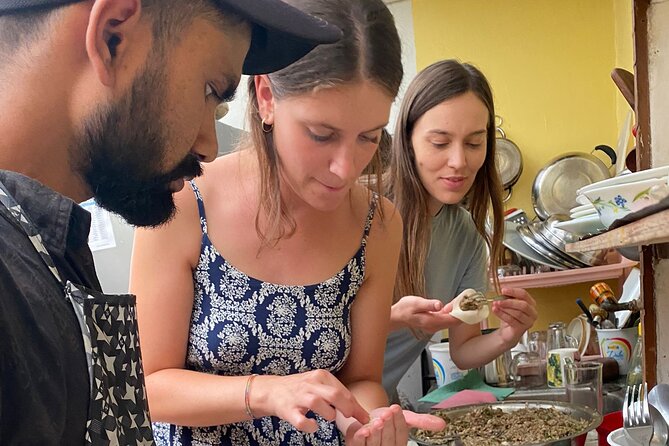
Esther Rai is the teacher behind the class, and you’ll also meet Amos in the process. Based on how the class is described, Esther builds the menu around what you want, with momo, dhalbhat, and thukpa as the core. That flexibility is a big deal if you have a favorite and want to focus on it.
You’ll learn and practice making each dish during the session. This is the part where the small group size pays off again. You get guidance while your hands do the work, not just after the fact.
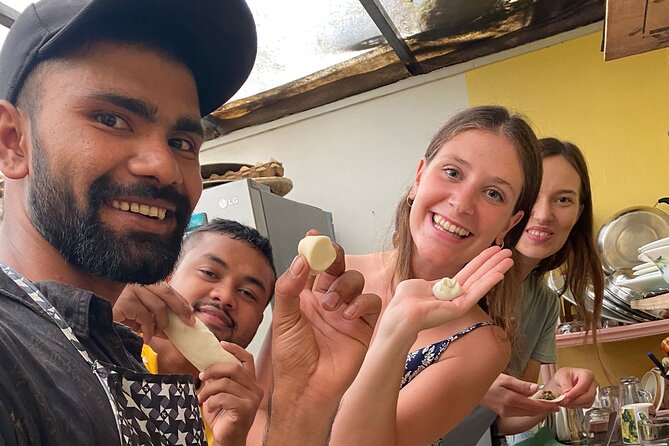
Momo: This is Nepalese comfort food done right, and the class uses it as a way to teach core techniques. Even if you’ve eaten momo in Kathmandu before, you’re likely to notice how much difference the process makes, from shaping to how you balance fillings and seasoning.
Dhalbhat (dal bhat): This tends to be the emotional center of the meal. Dhalbhat is the kind of dish people talk about because it feels familiar and deeply satisfying. In this class, you’re not just learning a recipe, you’re learning how a Nepali meal is built around rice and lentils with side flavors.
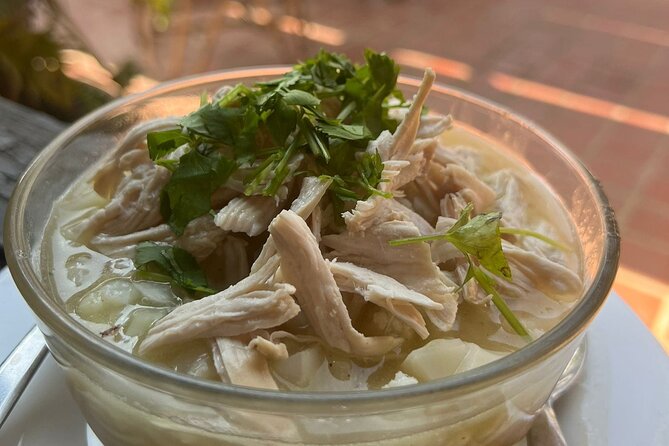
Thukpa: This is where spices and broth logic come in. Thukpa is a bowl meal, and the class frames it as another way to understand Nepali cooking, not just a separate menu item. You’ll get a feel for how the ingredients support the final broth character.
One note to keep expectations realistic: the class timing is about 3 hours total. That means you’ll learn key steps and practical skills, not become a professional cook in a single morning. Still, the hands-on practice is the point, and it’s the reason people tend to leave feeling proud instead of just full.
Other kitchens taking bookings in Kathmandu
Eating what you cook, plus the flavors you can taste
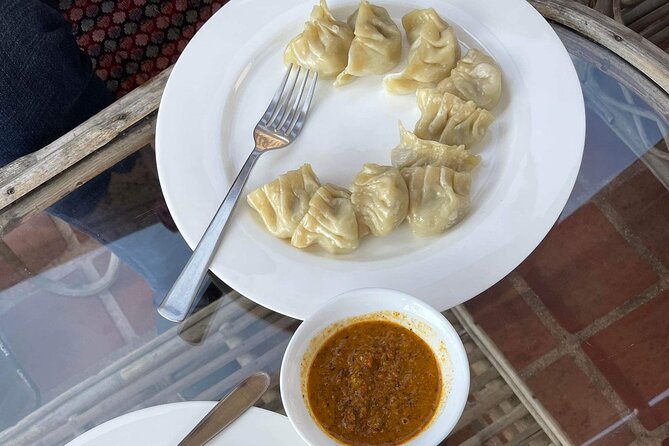
At the end, you eat the food once it’s cooked. That’s a huge part of the value, because you’re not guessing whether the dish will turn out. You’re testing it immediately, while the guidance is still fresh in your mind.
The standout theme in people’s reactions is the quality of the final meal, especially the dhalbhat. Many describe it as a highlight of their Nepal trip, which makes sense. Dhalbhat isn’t about one dramatic trick. It’s about balance, freshness, and consistent seasoning across the elements.
You’ll also likely notice how spices show up as small choices that add up. In a class like this, you’re tasting while you learn, so you start to connect the dots between market ingredients and finished flavor. That connection is the gift, because it helps you remember what to ask for when you’re eating out later.
Why the Patan location matters for your trip
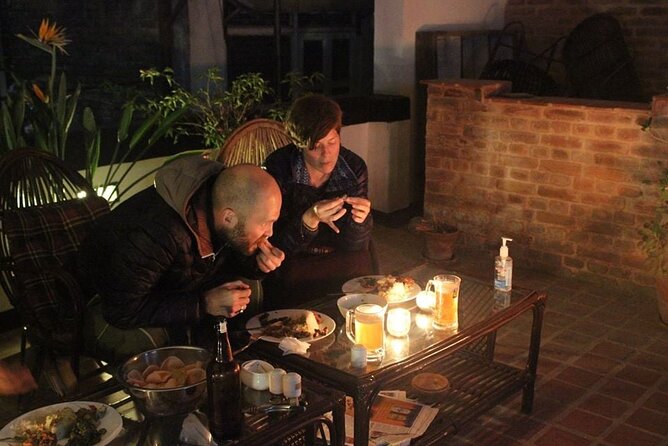
This class happens near Patan Durbar Square, and it uses Patan as a classroom. That means you can treat the cooking as a cultural activity, not just a food detour from Thamel. Lalitpur has a different feel than central Kathmandu, with a slower rhythm and a strong sense of neighborhood identity.
There’s also a practical advantage. If you’re already doing Patan sights, this fits naturally. You’re not crossing town multiple times just to find ingredients and then return to cook.
Plus, because the class includes walking and a temple stop, you get a mini overview of the area. You leave with a better mental map of Patan, so later sightseeing feels easier and less confusing.
Price and value: $25 for market, cooking, and a full meal
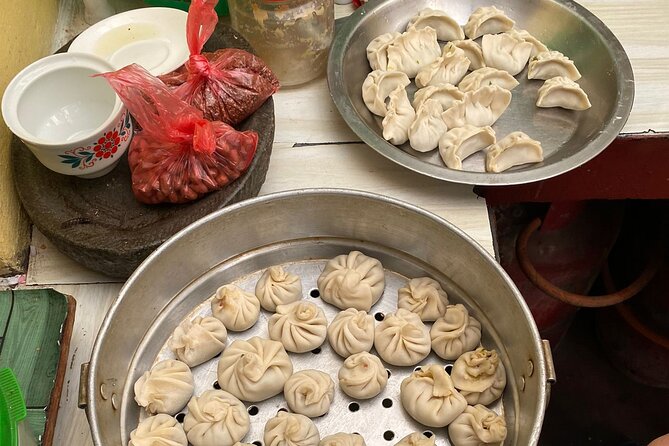
At $25 per person, this class is priced for a genuine value experience rather than a fine dining splurge. For that amount, you get a market ingredient session, cooking instruction, and a meal you eat at the end. You’re not paying just for access to a kitchen, you’re paying for a full food journey that starts with shopping.
The group limit of 10 also matters for value. When a class is bigger, your learning slows down because attention gets spread thin. Here, you’re more likely to get real help while you’re making dishes.
Booking can be done roughly a week ahead on average, around 6 days in advance. I’d still recommend reserving early, especially if you want a specific day in Patan. Timing can get tight during popular travel periods.
You also get the basics for modern convenience, a mobile ticket and confirmation at booking time. Small touches like that reduce the stress of planning.
Weather and timing: plan like a local, keep it flexible
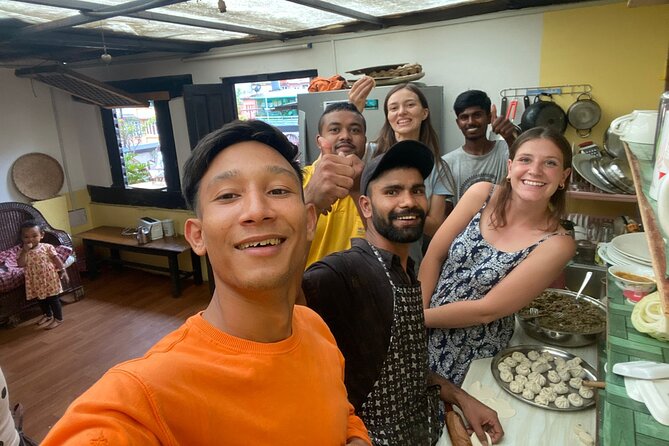
This experience requires good weather. If conditions are poor, you’ll be offered a different date or you’ll get a full refund. That matters because you’re doing a walking and market portion, and rain can change the feel fast.
Aim for a morning where you don’t need to rush into another timed activity right after. If the schedule shifts for weather, you’ll want buffer time to regroup. The total session is about 3 hours, so it’s easy to fit into a half day.
Also, wear comfortable shoes. Even with short city distances, Patan streets and market lanes can mean more foot time than you expect.
Who should book this cooking class
I think this class is a great fit if you want more than a meal. You want to understand how Nepalese food starts, how ingredients shape flavor, and how a family-style kitchen approach turns basic components into something satisfying.
It’s especially good for:
- Food lovers who enjoy learning by doing
- People who want a Patan experience that’s not only walking and photos
- Anyone who likes small-group attention and a friendly pace
- First-timers to Nepal who want a clear taste of momo, dhalbhat, and thukpa
If you’re the type who hates markets or doesn’t want to walk at all, you might find the market and temple portion too active for your style. But if you like local shopping and short cultural stops, this is a smart match.
Should you book Momo, Dhalbhat & Thukpa in Kathmandu?
Yes, I’d book it if you want a practical way to experience Nepali food and Patan in one morning. The combination of market shopping, cooking practice with Esther Rai and Amos, and eating what you make gives the class a complete arc, not a half experience.
Skip it only if you want a purely relaxing sit-down activity, or if your schedule can’t handle a weather-related change. If you can be flexible and you’re hungry to learn, this is one of the most “useful” tastings you can do in Kathmandu.
FAQ
How long is the cooking class?
The class runs for about 3 hours.
What is the price per person?
The price is $25.00 per person.
Where do we meet, and does the tour end nearby?
You start at Nagabahal – Nyadha Galli, Lalitpur 44600, Nepal, and the activity ends back at the meeting point.
What dishes will I learn to make?
The menu focuses on momo, dhalbhat, and thukpa, and the menu can be done based on guest requests.
Do we shop for ingredients before cooking?
Yes. You visit a local vegetable market to buy ingredients and interact with vegetable sellers before you start cooking.
How large is the group?
The class has a maximum of 10 travelers.
What happens if the weather is poor?
The experience requires good weather. If it’s canceled due to poor weather, you’ll be offered a different date or a full refund.
Chop, Fold, Simmer
The Rest of Our Kathmandu Write Ups




More Kitchens, More Momos
Everything else we have reviewed around Kathmandu
- 12 Days Everest Base Camp Trekking
★ 5.0 · 3 reviews - 1 Night 2 Days Chitwan Jungle Safari Tour from Pokhara or Kathmandu
★ 3.0 · 3 reviews - Thamel Rickshaw tour
★ 4.7 · 3 reviews - Kathmandu: Momo Making Class with a Local Chef
★ 5.0 · 3 reviews - Kathmandu: Full-Day Yoga, Body Massage and Pedicure Package
★ 5.0 · 3 reviews - From Kathmandu / Pokhara / Chitwan: River Rafting – 1 Day
★ 4.6 · 3 reviews
Nepali Cooking Classes worth a second look.
 ★ 5.0Half day cooking class in Thamel kathmanduFrom $28607 reviews
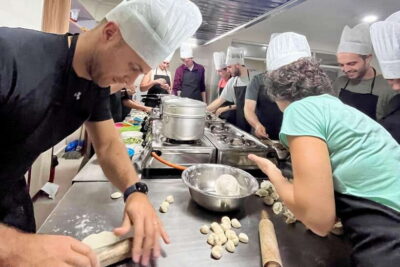 ★ 4.9Local Women-Led Nepali Cooking & Momo ClassFrom $4360 reviews
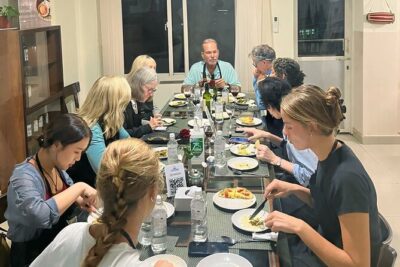 ★ 5.0Local Lead Nepali Cooking & Momo-Making ClassFrom $5212 reviews
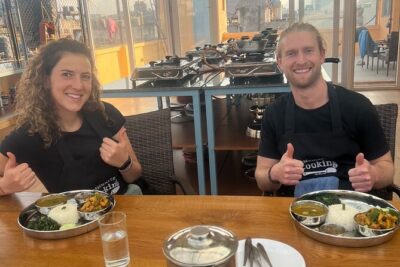 ★ 5.0Local Women Lead Nepali Cooking ClassFrom $30125 reviews
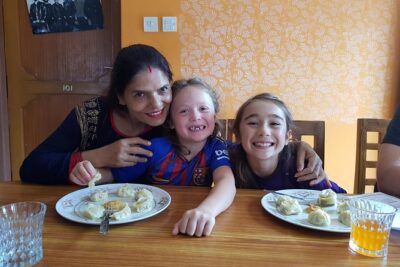 ★ 5.0Nepalese Momos or Dal Bhat Cooking Class (Cook with Delight)From $5099 reviews
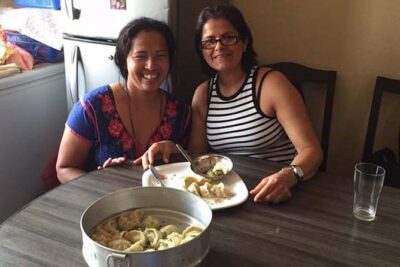 ★ 5.0The best Private Nepali Cooking Class in KathmanduFrom $2483 reviews
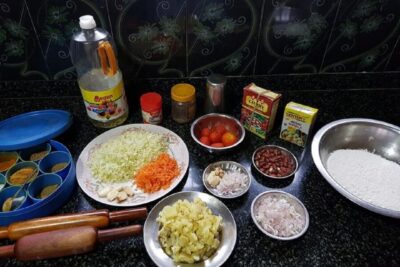 ★ 5.0Nepalese Kitchen in Pokhara: Momos or Dal Bhat Cooking ClassFrom $2867 reviews
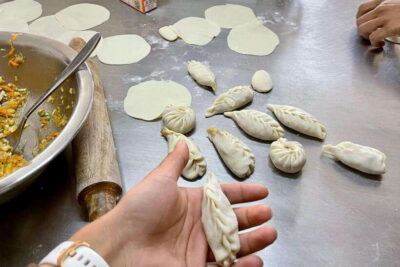 ★ 4.8Traditional Momo Making Class & PickupFrom $460 reviews
Lists this tour sits in