
REVIEW · PASHUPATINATH & BOUDHANATH TEMPLES
Pashupatinath: Evening tour of temple and Aarati ceremony
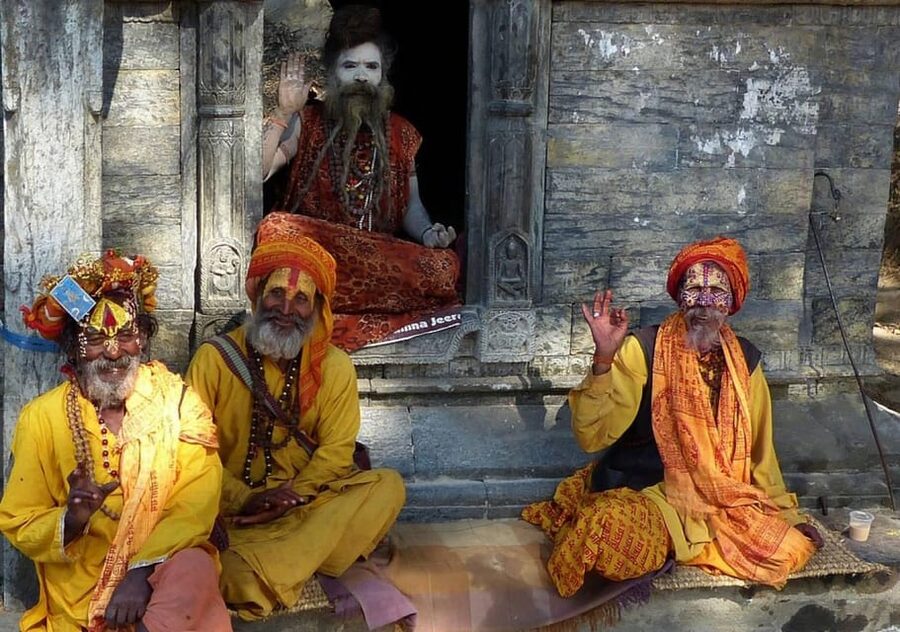
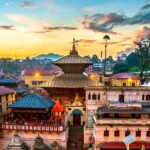
Sunset at Pashupatinath lands like a bell. This 3-hour evening tour brings you into the Pashupatinath Temple complex and ends with the Aarati ceremony by the Bagmati River. You get a front-row look at Nepalese Hindu devotion, plus the reality of life, death, and prayer in the same sacred setting.
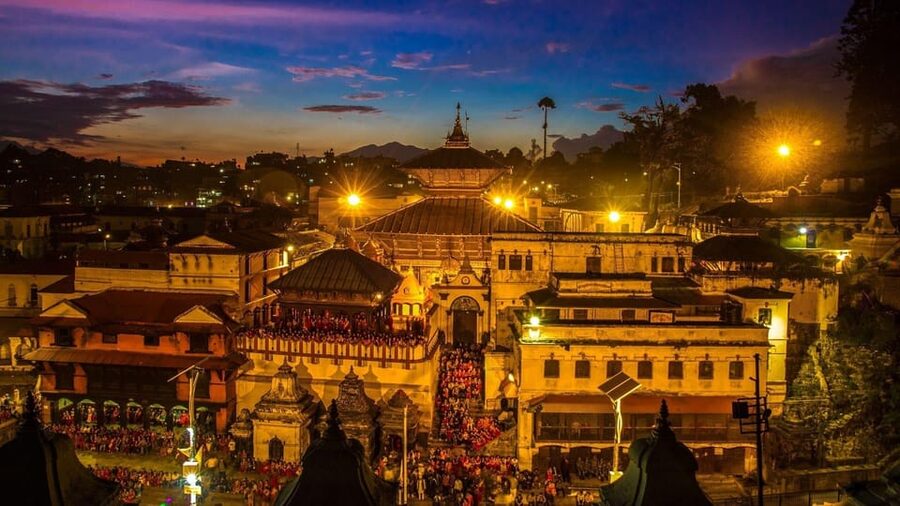
I like the way the visit orients you fast, from the temple’s pagoda-style architecture to the main shrine with its golden spire and the lingam of Lord Pashupatinath. I also like that this is a UNESCO World Heritage site, so the architecture and sacred symbolism feel connected to centuries of practice, not just sightseeing.
One consideration: the river ghats involve solemn cremation rituals, so expect heavy moments and a lot of intensity. The tour also is not suitable for wheelchair users, since you’ll be moving around uneven temple and riverbank areas.
In This Review
- Key points worth circling
- Why the evening timing matters (3 hours, sunset energy)
- Entering the temple complex, from gates to pagoda-style architecture
- The main shrine experience: lingam, shrines, and ritual cues
- Bagmati River ghats: cremation rituals you should approach with care
- Pashupati Aarati ceremony by the river: lamps, mantras, and drums
- Price and what you really get for $57 per person
- Etiquette, comfort, and what to bring for the best experience
- Who this tour suits best, and who should think twice
- Should you book this Pashupatinath evening tour?
- FAQ
- How long is the Pashupatinath evening tour?
- What does the tour cost?
- Where does the tour take place?
- What’s included in the price?
- Is the tour private?
- What language is the guide?
- Is the tour suitable for wheelchair users?
- What is the cancellation option?
Key points worth circling
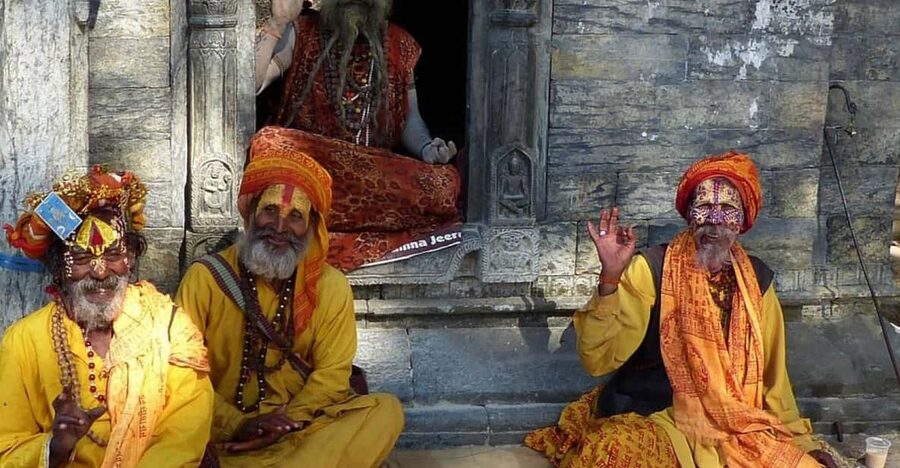
- Golden spire + sacred lingam: see what makes the main shrine central to worship
- Bagmati River ghats: understand the dignity and rhythm of cremation rituals
- Pashupati Aarati at sunset: oil lamps, mantras, and drums in a single moving sequence
- English speaking guide, private group: easier questions, less rushing, more personal pacing
- Transportation and entry fees included: you focus on the experience, not logistics
More temple evenings and stupa walks

Why the evening timing matters (3 hours, sunset energy)
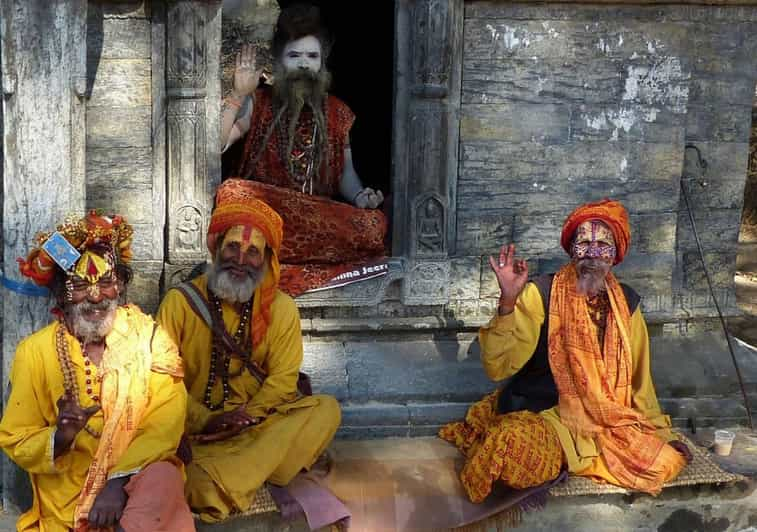
This tour is short on purpose. In about 3 hours, you’re seeing the transition from daytime temple activity to evening ceremony mood, when chants, bells, and the river sound feel louder and closer.
Late in the day, the air at Pashupatinath tends to shift from “temple visit” to “ritual atmosphere.” That matters because you are not just looking at stone and gold, you’re watching ceremonies that people experience every day. If you’re in Kathmandu only briefly, this is also a nice way to pack in something meaningful without losing your whole evening.
Entering the temple complex, from gates to pagoda-style architecture
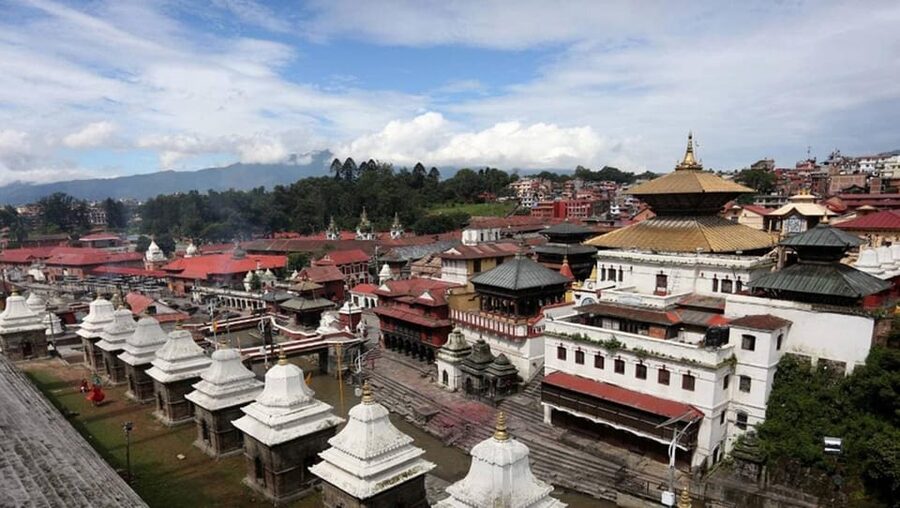
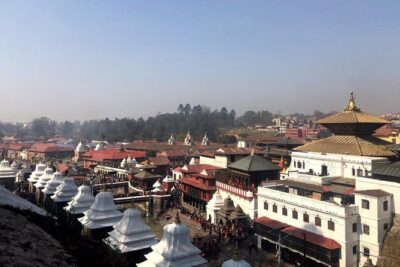
You’ll start with the temple complex itself, where pagoda-style forms and layered details create that classic Kathmandu look. As you move in, you’ll notice how the space guides your attention: shrines and statues are placed so your walk becomes a slow route of worship and observation.
I like this part because it gives you context before the more emotional river section. You’re not thrown straight into the hardest images. You’re first allowed to understand the setting, see how devotees move, and get your bearings around the main temple structures and surrounding shrines.
One practical note: the grounds can feel busy. Even in a private group, you’ll be sharing the space with pilgrims, so keep your expectations realistic, especially if you want quiet photo moments.
The main shrine experience: lingam, shrines, and ritual cues
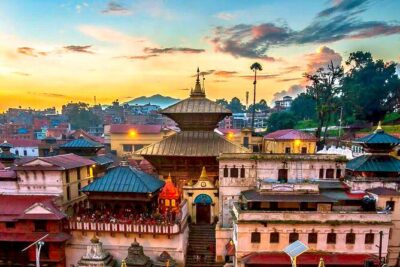
As you get deeper, the main Pashupatinath Temple is the visual anchor. The golden spire is hard to miss, and it signals importance before you even step into the heart of the sacred area.
The key detail here is the sacred lingam of Lord Pashupatinath. In Hindu worship, it’s not just an object, it’s a living focus of devotion. That changes how you should watch. Instead of treating the moment like a museum stop, you’ll want to observe respectfully, noticing where people direct their attention and how priests and devotees cue the rhythm of the space.
Along the way, you’ll encounter various shrines and murtis, statues connected to mythological meaning and artistic tradition. This is where your guide helps most. When someone can explain what you’re looking at in plain English, you stop wondering and start understanding.
Bagmati River ghats: cremation rituals you should approach with care
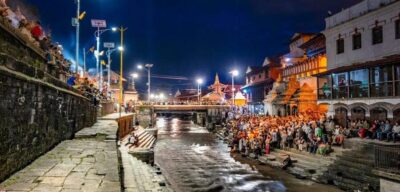
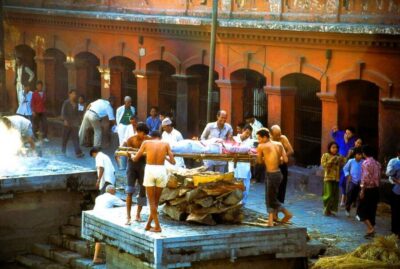
Then you walk toward the Bagmati River, where the mood turns serious. The ghats are where cremation platforms hold ritual practice, and families bid farewell in solemn, chanting-led ceremonies.
This is the part that can surprise first-timers, because you might expect a temple tour to stay safely spiritual. Instead, Pashupatinath holds both sides of life, the sacred and the final. The rituals are dignified and structured, with priests chanting and movements that follow a long cultural logic.
I appreciate that the tour context prepares you. If you understand the temple symbolism first, the ghats start making more sense as part of the same belief system, not as a separate spectacle. Still, there’s no sugarcoating: if you’re sensitive to death rituals or you’re prone to anxiety in crowded public ceremonies, you should go in with emotional boundaries.
What you can do to keep it manageable:
- Stand where your guide suggests so you’re not blocking sightlines for others
- Keep your phone use thoughtful, since this is a human moment, not a photo set
- Give yourself a minute to steady before watching, the ceremony flow moves quickly
More Kathmandu evenings worth the late finish
Pashupati Aarati ceremony by the river: lamps, mantras, and drums
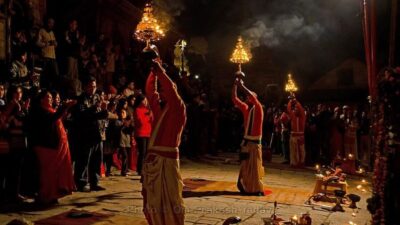
As the light softens, the Pashupati Aarati ceremony begins near the riverbank. This is the moment the tour becomes almost hypnotic: priests perform intricate movements with oil lamps (diyas), while ancient mantras and drums add a strong, steady pulse.
The Aarati is not only visual. It’s practical religion. The lighting, chanting, and collective prayer work together like a single system meant to focus devotion. Even if you do not know the language, the repetition and the coordinated gestures help you follow the structure.
What I like most is the ending. You leave with a full-circle feeling: you’ve seen daily worship inside the temple, you’ve witnessed the hard reality of cremation rituals at the ghats, and then you’ve watched a ceremony that turns devotion into light.
This is also where the English-speaking guide earns their keep. With a clear explanation of what the movements represent and why the river setting matters, the Aarati becomes more than a show. It becomes a key piece of how people relate to the sacred.
Price and what you really get for $57 per person
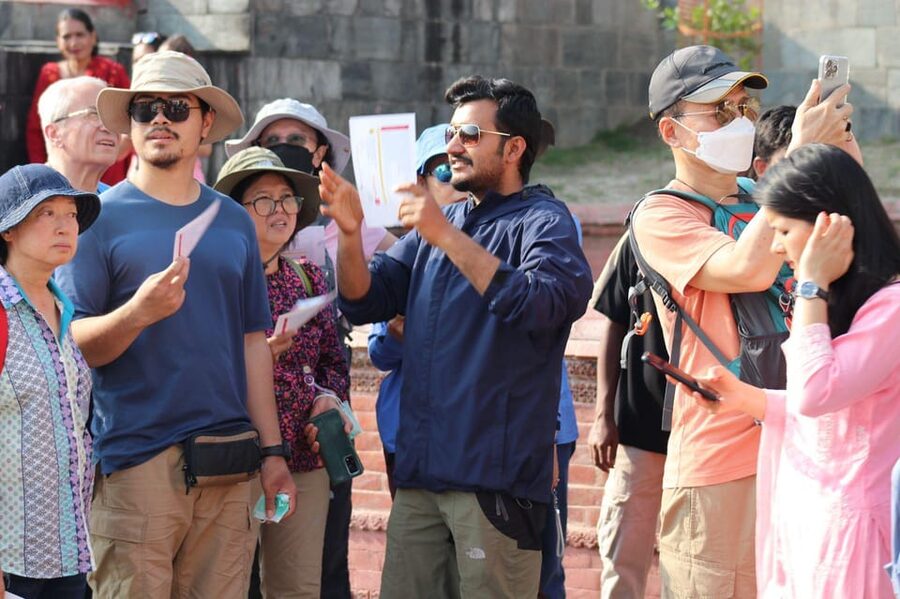
At $57 per person for a 3-hour private tour, you’re paying for more than a guide talking in generalities. The price includes all transportation, entry fees, and skip-the-ticket-line convenience, so you spend less time hunting tickets and more time at the places that matter.
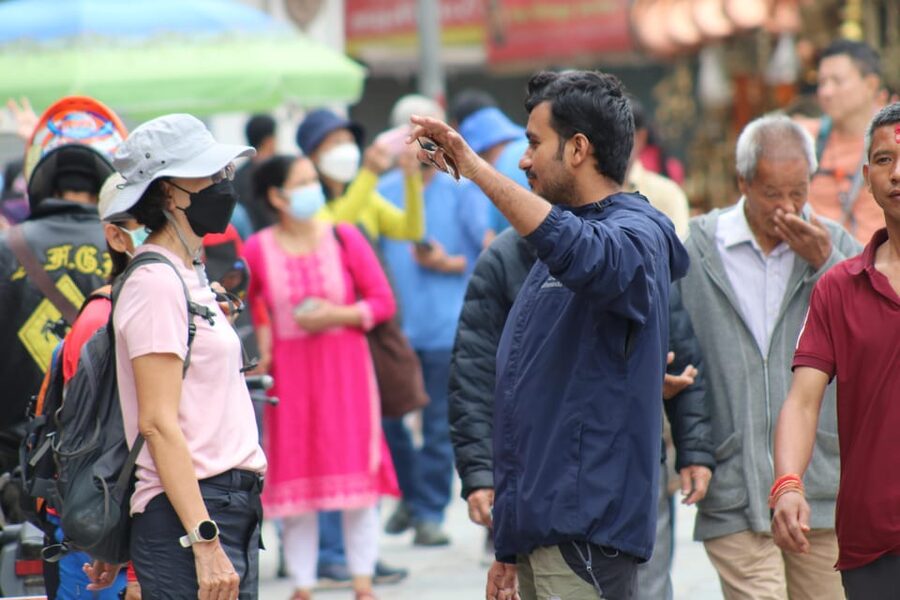
It’s also smart that it’s a private group. In a public religious site, you’ll have questions. Maybe it’s about what a particular shrine represents, or how to interpret what you’re seeing at the river ghats. A private setup tends to reduce stress because you are not stuck watching a group vanish down a corridor while you’re trying to catch up.
Finally, the provider, Peak to Peak Treks, structures this as an evening block, so you’re not piecing together transport plus guides plus entry on your own. For many visitors, that’s the real value, even if you only care about one or two big moments.
Etiquette, comfort, and what to bring for the best experience
Because this is a living religious site, your behavior is part of the experience. Keep your voice down, move with the flow of devotees, and treat the ghats with special care. This is not the place for casual sightseeing attitude.
For comfort:
- Wear shoes you can trust on uneven stone and steps
- Dress respectfully for a temple complex, you’ll likely be exposed to the elements near the river
- Bring a light layer, evenings can cool down in Kathmandu
Also, plan for crowds. Even with a private group, you’re walking into shared public spaces, especially when the Aarati gets going.
One more small but real tip: if you want calm, arrive mentally ready to wait a little. Ceremonies have their own timing, and that’s part of why the moment feels authentic.
Who this tour suits best, and who should think twice
This is a strong fit if you want a serious cultural experience in a limited time window. If you care about architecture, religious practice, and understanding Nepal beyond a quick temple photo, you’ll likely find this tour rewarding.
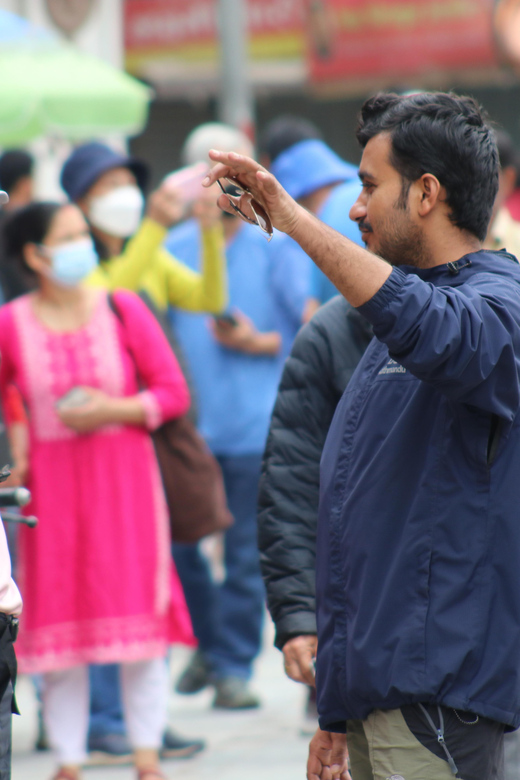
It’s also a good choice if you like guided interpretation. Seeing sacred meaning without explanation can turn into confusion. With an English speaking guide and a private group structure, you can ask what things mean and how the ceremonies work.
Think twice if:
- You are uncomfortable with death rituals and cremation viewing
- You need wheelchair accessibility, since this tour is not suitable for wheelchair users
- You’re looking for a purely upbeat evening out
That said, if your goal is to understand Nepalese spirituality on its own terms, this tour delivers, even when it gets emotional.
Should you book this Pashupatinath evening tour?
If you want one Kathmandu evening that feels real, not packaged, I’d book it. The combination is unusual in a good way: temple architecture first, then the Bagmati River ghats, then the Pashupati Aarati with oil lamps, mantras, and drums.
The only reason not to is if you know you cannot handle cremation rituals emotionally. If that’s you, choose a different temple-focused option and keep your night lighter.
If you do book, go in with respect, wear comfortable shoes, and let the ceremony pace guide you. This is the kind of experience that stays with you because it connects belief, place, and human life in the same frame.
FAQ
How long is the Pashupatinath evening tour?
It lasts about 3 hours, timed for the evening temple atmosphere and the Aarati ceremony.
What does the tour cost?
The price is $57 per person.
Where does the tour take place?
The tour is based in the Bagmati Zone in Nepal, in Kathmandu around the Pashupatinath Temple area and Bagmati River ghats.
What’s included in the price?
It includes all transportation, entry fees, an English speaking guide, and skip the ticket line.
Is the tour private?
Yes, it’s listed as a private group.
What language is the guide?
The guide speaks English.
Is the tour suitable for wheelchair users?
No, it is not suitable for wheelchair users.
What is the cancellation option?
Free cancellation is available up to 24 hours in advance for a full refund.
Everything Bookable Around Kathmandu



The Rest of Our Kathmandu Write Ups



Pashupatinath and Boudha After Dark
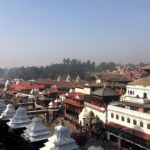
Everything else we have reviewed around Kathmandu
- 12 Days Everest Base Camp Trekking
★ 5.0 · 3 reviews - 1 Night 2 Days Chitwan Jungle Safari Tour from Pokhara or Kathmandu
★ 3.0 · 3 reviews - Thamel Rickshaw tour
★ 4.7 · 3 reviews - Kathmandu: Momo Making Class with a Local Chef
★ 5.0 · 3 reviews - Kathmandu: Full-Day Yoga, Body Massage and Pedicure Package
★ 5.0 · 3 reviews - From Kathmandu / Pokhara / Chitwan: River Rafting – 1 Day
★ 4.6 · 3 reviews
Pashupatinath & Boudhanath Temples worth a second look.
 ★ 5.0Kathmandu Spiritual Sites: Bodhnath & Pashupatinath TourFrom $60185 reviews
 ★ 5.0Pashupatinath Temple Evening Aarati TourFrom $4536 reviews
 ★ 4.8Pashupatinath Temple Aarti Night TourFrom $7129 reviews
 ★ 5.0Pashupatinath Temple, Hindu Crematorium and Aarati in-depth TourFrom $9025 reviews
 ★ 4.5Pashupatinath Evening Aarati: Few Divinely Hours in KathmanduFrom $3523 reviews
 ★ 5.0Sacred Pashupatinath: Aarati,Cremation Rites & Boudha StupaFrom $1118 reviews
 ★ 5.0PashupatiNath and BoudhaNath – Private/Small GroupFrom $1518 reviews
★ 4.7Pashupatinath Temple Evening Aarati TourFrom $2211 reviews
Lists this tour sits in