
REVIEW · EVEREST BASE CAMP TREKS
Pikey Peak Trek
Skip Lukla, catch Everest from peace. The Pikey Peak sunrise views and the chance to walk parts of the Hillary Trail are the big wins here, and I love how it feels quieter than the usual Everest rush. One thing to be ready for, though, is the early wake up schedule, plus basic tea house nights after long, winding drives.
This trip runs with a tight team at Breeze Adventure Pvt. Ltd, and names like Kishwor and Sabine come up again and again for a reason: they keep logistics smooth and the trek feeling doable day after day. Even with up to 20 people in the group, you still get that calm, guided rhythm instead of a chaotic free-for-all.
You also get a gentler altitude profile compared to the classic Everest grind, with one well-known highlight reaching about 4,066 m. Still, you should treat altitude seriously, because you are trekking in the Himalaya, not on a flat walking path.
In This Review
- Key things I’d bet on before you book
- Why Pikey Peak feels calmer than the Everest highway
- Price and what $899 buys you in real trekking value
- The route vibe: early starts, tea houses, and manageable days
- Day-by-day: from Kathmandu drives to Pikey Peak sunrise
- Day 1: Kathmandu to Dhap, with Himalayan views on the road
- Day 2: sunrise mountain views, then an easier trek toward Jhapre
- Day 3: mostly uphill to Pikey Peak Base Camp
- Day 4: the highlight, a one-hour sunrise hike to Pikey Peak
- Day 5: Junbesi arrival and rhododendron-season scenery
- Day 6: Phaplu area, then Tupten Choling Monastery near the mountain
- Day 7: early drive back to Kathmandu, with a breakfast stop
- Pikey Peak viewpoint: what you should expect from the sunrise
- Tupten Choling Monastery: the day that slows your pace
- Guides, group size, and the difference good logistics make
- Who should book Pikey Peak, and who should think twice
- Packing and practical tips for a comfortable week
- Should you book this trek, or skip it?
- FAQ
- How long is the Pikey Peak Trek?
- Where is the meeting point, and where do we end?
- What time does the trek start?
- What does the tour cost?
- How big is the group?
- What meals are included?
- Is WiFi included?
- What is not included in the price?
- Is there a mobile ticket?
- Can I bring service animals?
- Can I cancel for a full refund?
Key things I’d bet on before you book
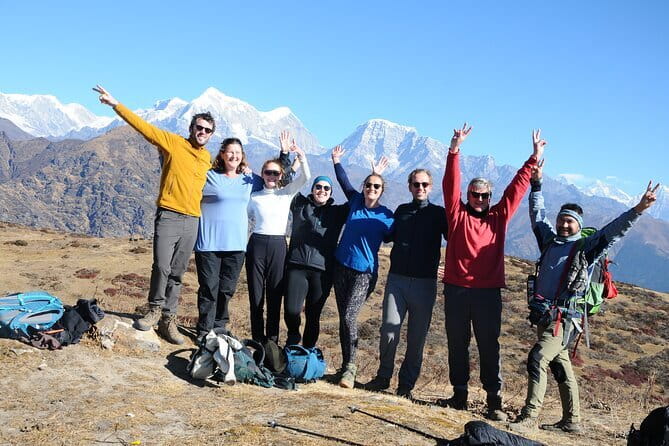
- Sunrise panoramas from Pikey Peak with wide views of big Himalayan peaks
- Hillary Trail walking for a less crowded, more grounded Nepal trekking feel
- Tea house comfort that’s practical for most ages, with local hospitality that matters
- Tupten Choling Monastery visit near Phaplu, a major nun monastery in the area
- Small-group pacing (max 20) with guides who handle route timing and guidance
- A trail that feels calm with lots of rhododendron scenery in season
Other routes to Base Camp, side by side
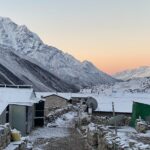
Why Pikey Peak feels calmer than the Everest highway
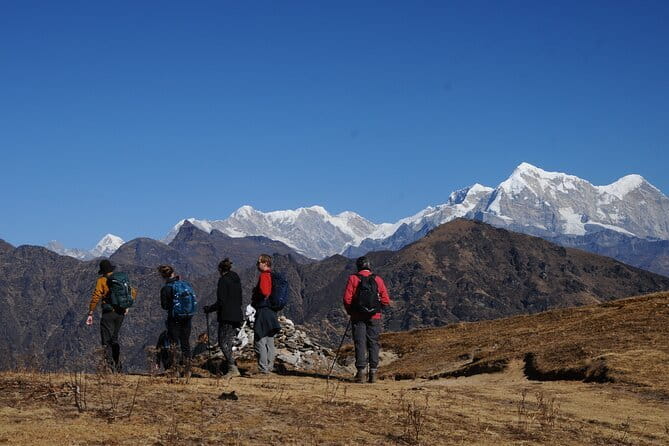
Pikey Peak is Nepal for people who want Everest without the circus. You’re still chasing serious views, but the route gives you breathing room. Instead of constantly sharing trails with tour buses and big groups, you’re more likely to feel like you’re moving through a lived-in mountain landscape.
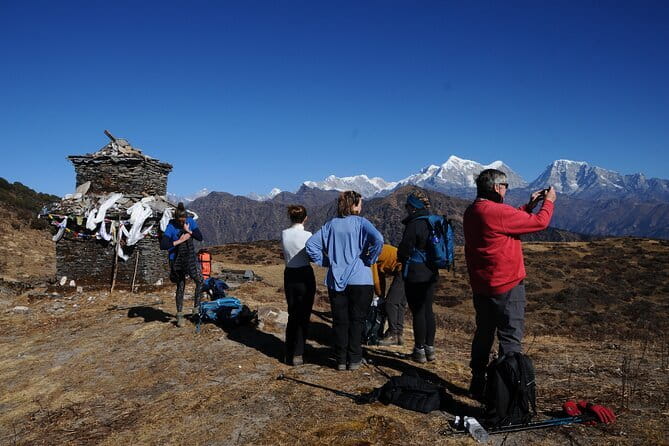
The viewpoint payoff is the real reason this trek holds attention. From Pikey Peak, the sunrise angle is what gets people talking. You rise early, hike to the viewpoint area, and then look across a panorama of major peaks. The goal is simple: see the Himalaya clearly, not just survive the trek.
There’s also a feeling of variety built into the days. Some stretches are uphill, some are easier road-adjacent walking, and the trek uses normal tea house infrastructure, so you’re not signing up for rough camping conditions. That mix is why this route works for families and seniors better than some steeper, longer options.
Price and what $899 buys you in real trekking value
At $899 per person, you’re paying for more than a walking route. You’re paying for a whole system: transport, guides, group management, and the daily meal rhythm that keeps you fueled.
Here’s what’s clearly included:
- 7 breakfasts, 7 lunches, and 6 dinners
- WiFi on board
- Lunch and dinner coverage during the trek days (you’ll feel this on the days with longer driving)
- A mobile ticket, which cuts down on paper handling
Not included is a fuel surcharge, so check that detail when you review the final quote.
Now, the value question. The trek hits a sweet spot in cost because it avoids the most expensive logistics: there’s no Lukla flight required. That saves money and, just as importantly, it reduces one of the biggest stress points for Everest-style trips. You also get monastery access as part of the experience, which adds something meaningful without adding another separate tour.
If you want the big views but you don’t want to build your own ground plan from scratch, this price feels more reasonable than you might expect.
The route vibe: early starts, tea houses, and manageable days
This trek is designed to be achievable. The itinerary includes at least one easy day where you walk mostly along a newly constructed road segment. That matters more than it sounds. Those road-walk hours help you reset your legs, especially if you’re not a mountain athlete.
Most of your walking days are still proper trekking. You’ll be uphill at times, and your final push to Pikey Peak is an early morning climb. One of the highlights is that sunrise hike to the viewpoint is about an hour, which keeps it from turning into a full-day grind before the view.
Your sleeping setup is classic Nepal tea house trekking. Rooms tend to be basic but functional, and the bigger factor is warmth and comfort at night. In the mountains, evenings can feel cooler, so bring what you need for comfort and plan for simple lodging rather than expecting a hotel bed and a quiet night.
Day-by-day: from Kathmandu drives to Pikey Peak sunrise
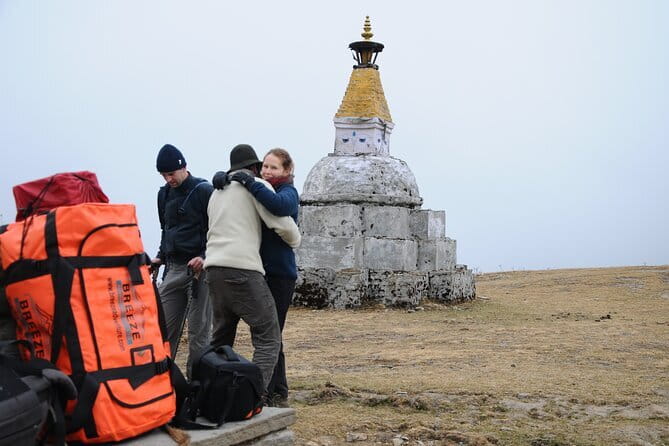
Other lodge to lodge routes near Kathmandu
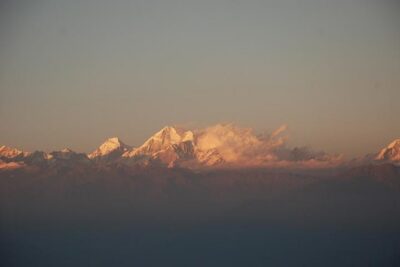

Day 1: Kathmandu to Dhap, with Himalayan views on the road
You start early in Kathmandu and spend about 5 hours driving toward Dhap. The payoff on this day is the journey itself. You get glimpses of villages and Himalaya views as the scenery opens up. It’s also a good warm-up day because you’re not trekking hard yet.
This day sets your expectations for the trek: mountain travel takes time. The roads can be slow, so mentally pack patience.
Day 2: sunrise mountain views, then an easier trek toward Jhapre
Another sunrise moment is built into the plan. After breakfast, you trek toward Jhapre. The walking is described as fairly easy and follows a newly constructed road for much of the time.
For me, that easy day is a key part of why this trek works for mixed groups. Even if you’re physically fit, you’ll appreciate the lower intensity day. It gives you time to settle into trekking rhythm without punishing your calves on day two.
Day 3: mostly uphill to Pikey Peak Base Camp
Day three shifts. You’ll start with sunrise views again, then trek toward Pikey Peak Base Camp. This day is mostly uphill, with occasional downhill sections.
That uphill profile is exactly what you want in a trekking plan like this: not a brutal climb every single day, but enough elevation gain to build confidence for the big sunrise push ahead. If you tend to rush, don’t. On this kind of trail, slow and steady beats speed.
Day 4: the highlight, a one-hour sunrise hike to Pikey Peak
Today is the star. You wake up early and hike for about an hour to reach Pikey Peak for sunrise. After that, the day continues with time on the trail as you complete the day’s trek segment.
This is where you’re really here for the view. The Pikey Peak sunrise is the moment that makes the whole trek feel worth it. You’re likely to see a sweeping panorama across major Himalayan peaks from this viewpoint.
Practical note: sunrise trekking means you’ll want layers. You may feel cool before the sun hits, and then warmer once you start moving and standing around at the viewpoint.
Day 5: Junbesi arrival and rhododendron-season scenery
You trek onward to Junbesi and spend about 5 hours walking. The exact routing can vary depending on where you stayed earlier, but you’ll still be moving through the same general rhythm of tea house trekking.
In season, rhododendron forests can be part of the experience, which adds color and scent to days that might otherwise feel like just uphill stone and dirt. Even when the flowers aren’t in full force, the forest cover can make the walking feel more sheltered.
Day 6: Phaplu area, then Tupten Choling Monastery near the mountain
After breakfast, you head toward the Phaplu Airport area, and the day includes a visit to Tupten Choling Monastery. This is one of the largest nun’s monasteries in the region, and it’s described as being at the foot of a mountain. The monastery is home to around 20 nuns.
This is the cultural counterweight to all that walking. When you’re trekking through mountains, it’s easy for everything to blur into scenery. A monastery visit gives you a different kind of perspective, and it’s a respectful pause during the trek.
Day 7: early drive back to Kathmandu, with a breakfast stop
The final day is a long drive from Phaplu to Kathmandu, about 10 hours total. You start early. After around two hours, you stop at Dhap Thade for breakfast and a view.
This day is about getting back comfortably. It’s still travel time, so you may want to treat it like recovery day. The good news is that the trek component ends earlier, so you can put your feet up for the ride back.
Pikey Peak viewpoint: what you should expect from the sunrise
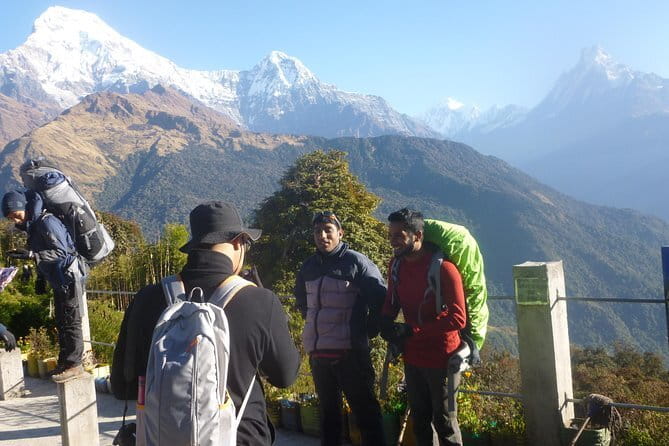
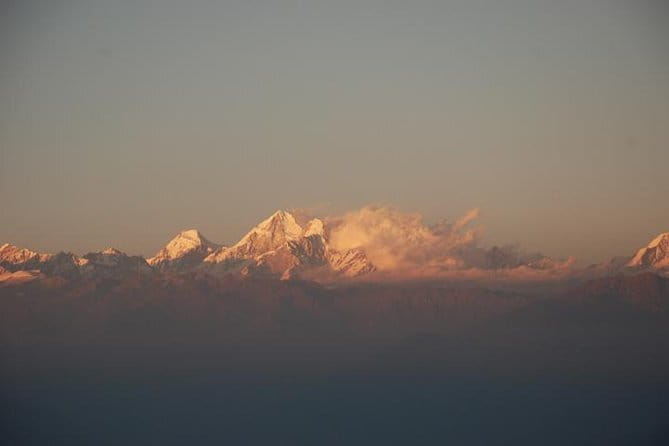
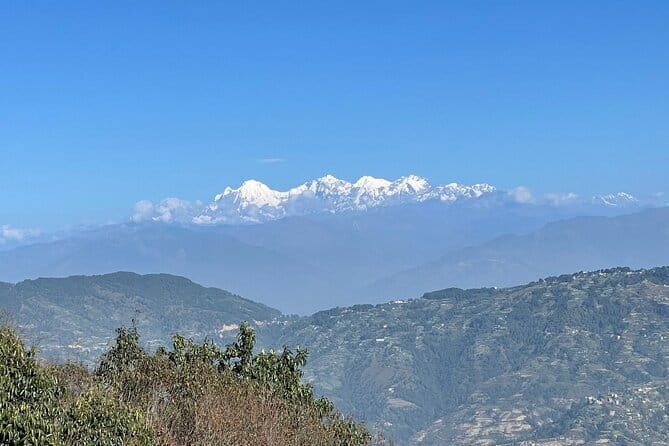
The core promise here is panoramic views of multiple major Himalayan peaks from the Pikey Peak viewpoint. The exact peaks you see depend on weather, cloud cover, and how crisp the morning is, but the sunrise timing is what makes the viewing plan work.
Plan around this reality:
- Clouds matter. If it’s clear, you’ll be thrilled. If not, you’ll still enjoy the experience, but the peaks can fade.
- You stand around after a cold early start. Bring layers you can add and remove fast.
- Photos can be tricky if wind picks up at the viewpoint. Keep it simple and focus on the moment, not just the camera.
The best part is that this sunrise hike to the viewpoint is relatively short, about an hour. That keeps the trek from feeling like a never-ending warm-up before the payoff.
Tupten Choling Monastery: the day that slows your pace
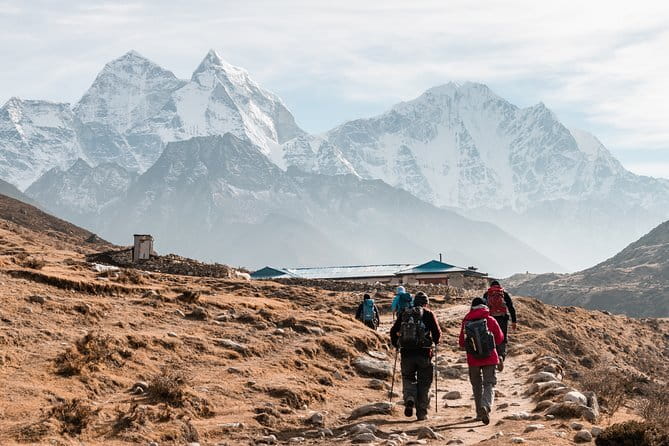
The monastery stop is not just a box to check. It’s a chance to see a major nun monastery in the region during your trekking loop.
Tupten Choling Monastery is described as one of the largest in the area, and it’s home to around 20 nuns. It sits at the foot of a mountain, which gives the visit a strong sense of place.
You’ll likely find this day valuable even if you’re mainly traveling for views. A trek can become all physical effort and no meaning unless you add moments that change your pace. This monastery visit does that in a way that feels integrated, not tacked on.
Guides, group size, and the difference good logistics make
This trek is small by tour standards, with a maximum of 20 travelers. That limit is a big deal on trails and at tea houses. It reduces bottlenecks at meal times and keeps the guide from having to manage too many people at once.
The guide teams linked to this trek include Kishwor (often mentioned for quick, helpful answers at the Breeze office) and guides such as Sabine and Raj. People also mention other team members like Geli and a porter named Amrit. While each guide has their own style, the consistent theme is guidance that helps you keep your pace and enjoy the day.
What I like about a guided trek like this is that it removes decision fatigue. You don’t have to negotiate tea house availability, plan stop timing, or worry about route confusion. Even if you’re experienced, that peace of mind can turn a good trip into a great one.
Who should book Pikey Peak, and who should think twice
This route is described as suitable for people of all ages, including senior citizens and families. Reviews also point out that it can work for beginners and seniors because the days are paced and the tea house setup is manageable.
I’d say it’s especially good if:
- you want Everest views without high altitude pressure
- you dislike crowded, loud trekking routes
- you want a meaningful cultural stop, not only scenery
I’d think twice if:
- you hate early mornings and don’t handle sunrise schedules well
- you want a fully cushy hotel experience, because tea house lodging is basic
- you get travel-sick, since the drive days are long and winding
Packing and practical tips for a comfortable week
You can pack light, but pack smart. Your biggest practical needs are warmth, traction for mountain footing, and comfort for early starts.
Bring:
- Layering clothes for cold morning hours and warmer afternoon walking
- A warm hat and gloves for sunrise viewpoint time
- Good footwear with grip, since trails can be rocky or uneven
- A daypack for water, snacks, and a small layer for the viewpoint
Also, expect that you’ll live by the daily tea house routine. If you’re picky about comfort, plan for it. If you’re flexible, you’ll likely enjoy the simplicity.
Should you book this trek, or skip it?
Book it if you want a trekking week with calm vibes, strong sunrise payoff, and a route that feels designed for more than just hardcore climbers. The mix of big views, manageable daily walking, and a monastery visit makes it a strong value at $899 compared to higher-priced Everest logistics.
Skip or choose a different style if you need hotel-level comfort, you hate long drives, or you want an activity with no early wake up.
If you’re trying to see Everest without fighting crowds or arranging complicated transport, this is one of the cleaner ways to do it in Nepal.
FAQ
How long is the Pikey Peak Trek?
The trek runs for about 7 days.
Where is the meeting point, and where do we end?
You start at Breeze Adventure Pvt. Ltd in Thamel Marg, Kathmandu, and the activity ends back at the same meeting point.
What time does the trek start?
The start time is 6:15 am.
What does the tour cost?
The price is $899.00 per person.
How big is the group?
The maximum group size is 20 travelers.
What meals are included?
Breakfast is included for 7 days, lunch for 7 days, and dinner for 6 days.
Is WiFi included?
WiFi on board is included.
What is not included in the price?
Fuel surcharge is not included.
Is there a mobile ticket?
Yes, the tour includes a mobile ticket.
Can I bring service animals?
Yes, service animals are allowed.
Can I cancel for a full refund?
Yes, free cancellation is available. You must cancel at least 24 hours in advance for a full refund. If you cancel less than 24 hours before the start time, the amount paid will not be refunded.
Lodge to Lodge Around Kathmandu
The Rest of Our Kathmandu Write Ups

Base Camp, Three More Ways
Everything else we have reviewed around Kathmandu
- 12 Days Everest Base Camp Trekking
★ 5.0 · 3 reviews - 1 Night 2 Days Chitwan Jungle Safari Tour from Pokhara or Kathmandu
★ 3.0 · 3 reviews - Thamel Rickshaw tour
★ 4.7 · 3 reviews - Kathmandu: Momo Making Class with a Local Chef
★ 5.0 · 3 reviews - Kathmandu: Full-Day Yoga, Body Massage and Pedicure Package
★ 5.0 · 3 reviews - From Kathmandu / Pokhara / Chitwan: River Rafting – 1 Day
★ 4.6 · 3 reviews
Everest Base Camp Treks worth a second look.
 ★ 5.0Everest Base Camp Trek – 14 DaysFrom $1,8001,499 reviews
 ★ 5.0Everest Base Camp TrekkingFrom $1,350485 reviews
 ★ 5.0Everest Base Camp Trekking – 13 DayFrom $1,399365 reviews
★ 5.0Everest Base Camp Trek -14 DaysFrom $1,420321 reviews
 ★ 5.0Everest Base Camp Trekking – 2025/2026From $1,339199 reviews
 ★ 5.0Everest Base Camp TrekFrom $1,408193 reviews
 ★ 5.0Everest Base Camp Trek with Helicopter Return from Gorakshep to LuklaFrom $3,000161 reviews
14-Days Private Everest Base Camp TrekFrom $1,600152 reviews
Lists this tour sits in