
REVIEW · EVEREST BASE CAMP TREKS
Short Everest Base Camp Trek 10 Days
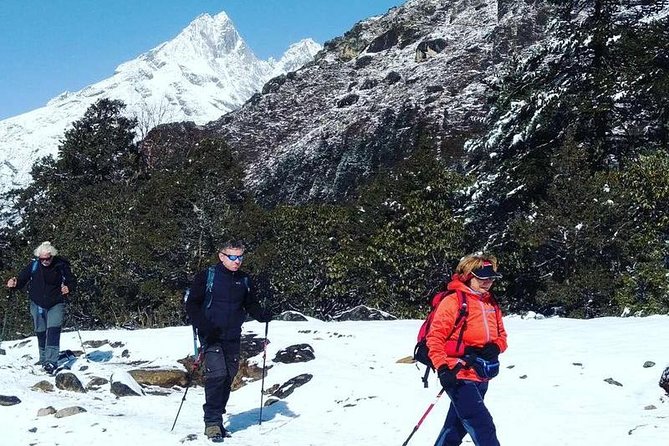
Everest shows up fast in 10 days. This short trek balances Khumbu village scenery with a real shot at Everest Base Camp and sunrise at Kala Patthar. It is built for people who want big sights without committing to a longer expedition-style trek.
I love the logistics you do not have to wrestle with. Private vehicle transfers handle the Kathmandu sides, and Kathmandu-Lukla-Kathmandu flights are included with domestic airport tax. The guide layer matters too, with guides like Mohan, AJ, Padam dai, and Anjan praised for explaining the day plan clearly and keeping the group’s pace realistic.
One drawback to plan around: standard meals are not included. You will budget for breakfast, lunch, and dinner at tea houses, plus tips if you want extra porter help. Also, this is high-altitude trekking, and the tour expects you to have a strong physical fitness level and the right emergency-focused insurance.
In This Review
- Quick hits on this Short Everest Base Camp trek
- Everest Base Camp in 10 days, why this pace feels doable
- Price that makes sense, plus the extras you must budget
- Day 1: Kathmandu to Lukla, then Phakding the same day
- Day 2: Phakding to Namche Bazaar along Dudh Kosi
- Day 3: Namche to Tyangboche, plus that drop to Dudh Kosi
- Day 4: Tyangboche to Dingboche, rhododendron forest and Imja Khola bridge
- Day 5: Dingboche to Lobuche, a slow climb toward the high camp zone
- Day 6: Lobuche to Gorakshep, then to Everest Base Camp through Khumbu glacier terrain
- Day 7: Kala Patthar sunrise push, then down to Pheriche
- Day 8: Back down toward Namche Bazaar, passing Khumjung and Khun villages
- Day 9: Namche to Lukla, then tea house lodge in Lukla
- Day 10: Lukla to Kathmandu, then a farewell dinner at Bhojan Griha
- Guides make or break short Everest treks
- What to pack and what to watch for on this specific route
- Should you book this Short Everest Base Camp Trek?
- FAQ
- What is the duration of the Short Everest Base Camp trek?
- Where does the trek start, and what is the meeting time?
- Are domestic flights included?
- What is the highest point on the itinerary?
- Is the trek guide included?
- Is porter support included in the price?
- Are meals included during the trek?
- Is travel insurance included?
- What is the group size limit?
- Can I cancel and get a full refund?
Quick hits on this Short Everest Base Camp trek
- Flights + trek start on Day 1, so you get moving quickly after arriving in Nepal.
- A focused altitude path, sleeping from Phakding through Namche, Dingboche, and Pheriche before the big climb to Kala Patthar.
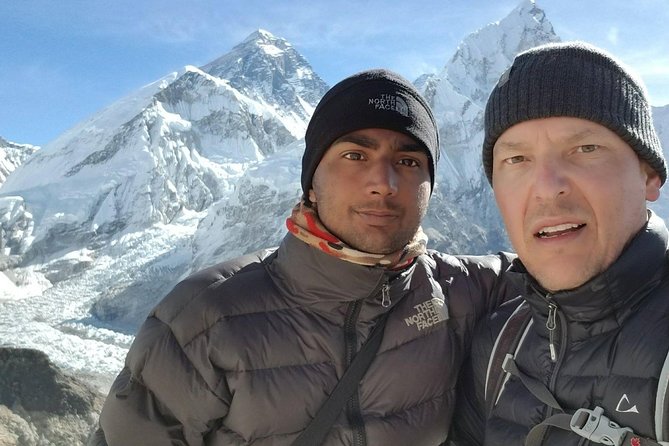
- Kala Patthar early morning is a core moment, with views highlighted during the sunrise climb.
- Tea house lodging on the trek, with accommodations included for the whole walking period.
- An active, English-speaking guide is part of the package, with real emphasis on planning and steady pacing.
- Emergency helicopter service is arranged through insurance, not as a stand-alone cost in the tour price.
Other routes to Base Camp, side by side
Everest Base Camp in 10 days, why this pace feels doable
A 10-day Everest Base Camp plan is never “easy,” but this version is paced to work for first-timers who still take acclimatization seriously. The days generally land in that 5 to 8 hour hiking range, and the route climbs in steps, not jumps. You are moving through classic waypoints at increasing elevations: Namche Bazaar (3440 m), Tyangboche (3867 m), Dingboche (4260 m), Lobuche and Gorakshep (around 5140 m), then the peak-view push at Kala Patthar (5545 m) before dropping back down to Pheriche (4243 m).
I also like that the itinerary gives you the “main event” in a concentrated window. You reach Everest Base Camp via the Gorakshep area, then follow it with the high-point viewpoint at Kala Patthar. That ordering matters because it keeps the emotional payoff close together, rather than stretching it across too many days.
You will still feel altitude. The tour’s own requirements call for strong physical fitness, and the highest point on the route is not subtle. So think of this trek as a “short and intense” version, not a casual stroll.
Price that makes sense, plus the extras you must budget
At $1,400 per person for about 10 days, the value is mostly in what is bundled. You get:
- Round-trip domestic flights Kathmandu-Lukla-Kathmandu with domestic airport tax
- Tea house lodge accommodations throughout the trek
- A trekking guide (English speaking, experienced, and trained), including the guide’s expenses and equipment
- All necessary trekking permits and government taxes
- Domestic hotel/airport transfers in Kathmandu by private vehicle
- Emergency helicopter service arrangement, paid through your travel insurance company
What you should not ignore is what is missing. The tour explicitly does not include standard meals (breakfast, lunch, dinner) during the trek. That means your real daily cost will depend on what you choose to eat in tea houses. Also, porters cost extra if you want help (the tour notes a porter setup at an additional charge, 1 porter for 2 people). Tips for the guide and any porter are expected.
So, I read the price as fair if you want a guided, permit-covered, flight-based Everest Base Camp trek and you are comfortable budgeting daily meals on the trail. If you prefer a fully “all-inclusive” food-and-luggage setup, you might need to add extra costs outside the tour price.
Day 1: Kathmandu to Lukla, then Phakding the same day
The trip starts early. The meeting time is listed as 6:15 am, and the itinerary begins with flights to Lukla. The tour notes commercial airlines such as Tara, Summit, or Sita Air for the flight. Once you land at Lukla, your first hiking day is essentially a runway-into-trek transition, with about 3.5 hours to reach Phakding.
This day is about getting your legs moving and letting your body adapt to the overall rhythm. It also sets expectations: the trek is not “beginner slow,” because the altitude day one setup is still real. If you like having a plan and a guide from the start, this part works well, because you are not trying to figure out routes on day one.
Day 2: Phakding to Namche Bazaar along Dudh Kosi
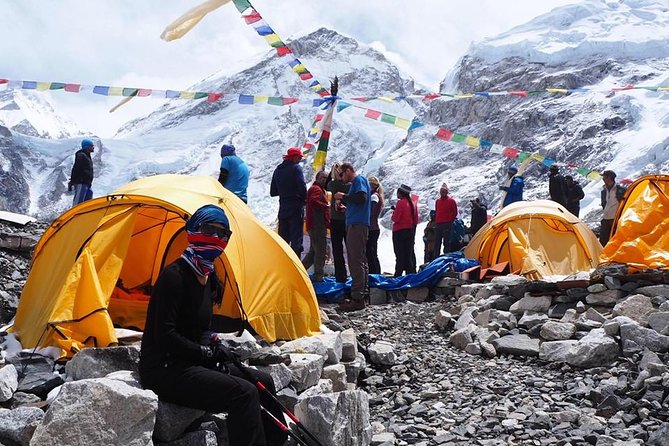
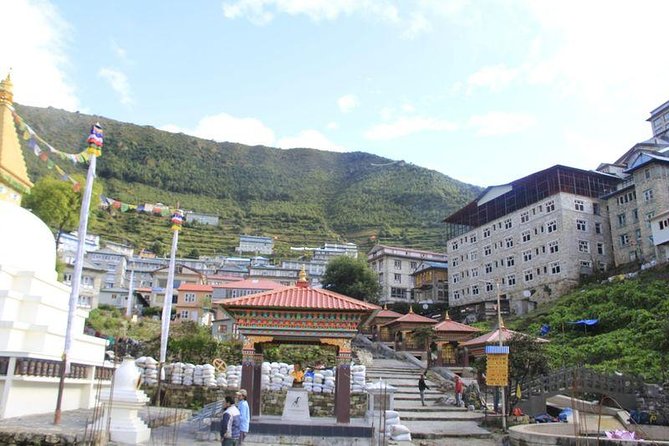
From Phakding, you trek to Namche Bazaar (3440 m), around 6 hours. The route is described as following the right bank of the Dudh Koshi river. Thamserku is mentioned as standing across the river, which hints at the big view feel even before higher altitudes lock in.
Namche Bazaar is a key altitude step. You will want to treat this day like acclimatization matters, even if your hike feels manageable. In practice, the best way to succeed on a short Everest Base Camp trek is not speed, it is smart effort: keep your breathing steady, drink water, and do not turn the schedule into a race.
Other lodge to lodge routes near Kathmandu
Day 3: Namche to Tyangboche, plus that drop to Dudh Kosi
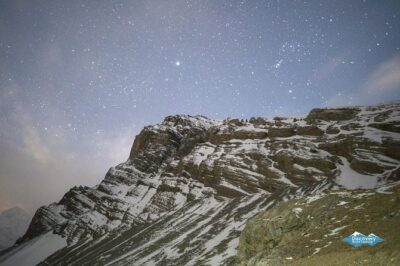
Day three heads to Tyangboche (3867 m) in about 5 hours. The trail goes ahead leaving a steep cliff with a drop toward the Dudh Kosi. This section is likely where you feel the mix of exposure and scenery: you are high enough for dramatic views, but still walking with enough frequency to keep your rhythm.
Tyangboche is also a turning point in the trek’s “personality.” After two days built around rivers and gradual changes, this day pushes higher and starts to bring the upper Khumbu feel. If you are the type of person who loves looking up at ridgelines and glaciers, you are going to enjoy this stretch.
One note for your planning: the tour lists multiple days with “Admission Ticket Free” items. I would still assume you may encounter viewpoints or monastery areas where small local fees can come up, but the tour itself says these listed items are free in the schedule.
Day 4: Tyangboche to Dingboche, rhododendron forest and Imja Khola bridge
You trek to Dingboche (4260 m), also around 5 hours. The route leaves Tyangboche through a rhododendron forest, passes through Deboche, then crosses a suspension bridge at Imja Khola.
This day is one of the more interesting “environment switches” on the itinerary. Forest walking tends to feel different from the open, rocky trail days. And bridges in this region can be a psychological boost, because once you cross, you know you are committed to the higher-altitude half of the trek.
Dingboche is another sleep-high step. For a short Everest Base Camp trek, sleeping height matters because it shapes how you feel the next morning. Treat Dingboche as a day to settle in rather than burn off energy.
Day 5: Dingboche to Lobuche, a slow climb toward the high camp zone
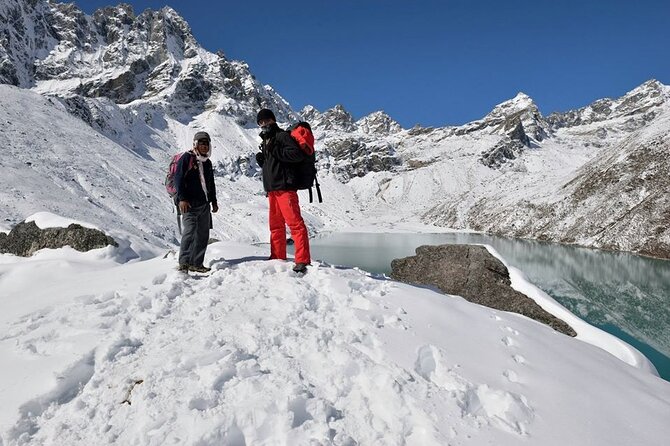
Day five takes you from Dingboche to Lobuche, about 5.5 hours. The description says the onward trail is gentle up to Pheriche village. That detail matters: even if your schedule looks intense, you are not always climbing steeply.
Lobuche is where the trail begins to feel more austere. Expect more rock underfoot, colder air, and a sense that you are getting closer to the glacier-fed terrain. This is also a day where a good guide makes a difference, because steady pacing is your best friend when the air thins.
Day 6: Lobuche to Gorakshep, then to Everest Base Camp through Khumbu glacier terrain
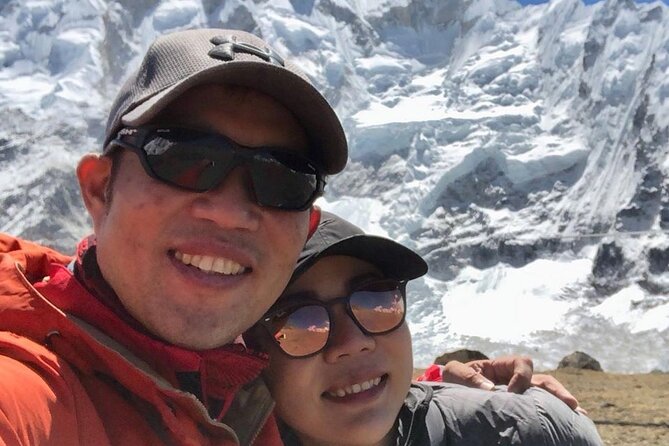
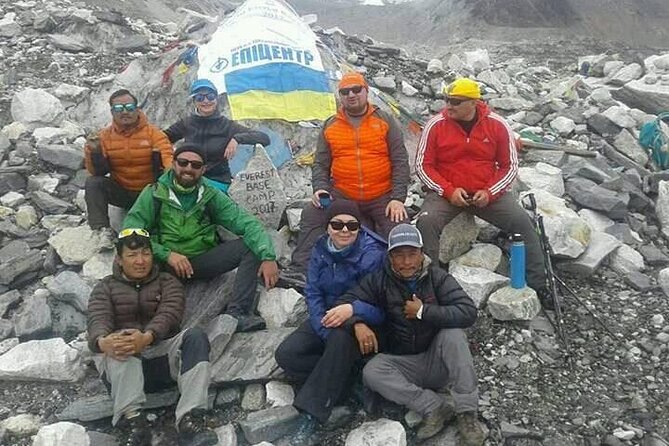
This is the “earned it” day. You trek from Lobuche to Gorakshep and then to Everest Base Camp, via Gorakshep at about 5140 m, with a listed 8 hours day.
The description calls this the most rewarding section. It mentions rocky path and the Khumbu glacier approach, plus views including Nuptse. If you care about atmosphere, this is when Everest Base Camp stops being a phrase and becomes a location you can see, stand near, and absorb.
A practical thought: even if the distance feels manageable on paper, glacier-area walking can slow you down. It is uneven, cold, and sometimes more mentally demanding than normal trail. Plan to keep moving and stop for short photo breaks rather than long hangs.
Day 7: Kala Patthar sunrise push, then down to Pheriche
Day seven is structured around a sunrise climb. You trek from Gorakshep to Kala Patthar (5545 m), then continue to Pheriche (4243 m). The day is listed at about 7 hours, including the early morning effort.
Kala Patthar is the big “wow” viewpoint on this short itinerary. The schedule highlights sunrise and the sight of Mt. Everest and Mt. Pumori, and it also references other mountain views in this section.
What I like here is that you do not just go up once. You get the sunrise viewpoint, then you drop back down to Pheriche the same day. That descent is what makes a short Everest trek feel survivable, because it helps you reset before the return journey.
Day 8: Back down toward Namche Bazaar, passing Khumjung and Khun villages
After Pheriche, the tour works its way back toward Namche Bazaar (3440 m). The itinerary gives about 4.5 hours to reach Namche Bazaar, with visits to Khumjung and Khun villages listed on the way.
This day is your recovery window. The altitude drops compared to where you were, and your body will appreciate that. It is also a reminder that Everest Base Camp treks are circuits, not straight lines. You are not just going toward the summit view, you are returning with a new understanding of the terrain.
If you have energy left, this is a good day to pay attention to the route details you might have missed earlier. The guide’s explanations during the ride-like walking can make this portion feel more meaningful.
Day 9: Namche to Lukla, then tea house lodge in Lukla
Day nine brings you back down to Lukla in about 7 hours. Lunch is served on the way, and then you overnight at a tea house lodge in Lukla.
I like this day because it gives you closure. You have your “big mountain” experience behind you, and now the trail focuses on finishing strong. It is also a mental shift: you are less focused on altitude gains and more on staying comfortable and warm.
If you are tired, do not underestimate how much your comfort matters here. Warm layers, good socks, and a simple routine for breaks can make your final hiking day much nicer than it needs to be.
Day 10: Lukla to Kathmandu, then a farewell dinner at Bhojan Griha
On day ten, you board an early flight from Lukla to Kathmandu. The itinerary notes receiving you at TIA and doing a transfer to your hotel. In the evening, there is a farewell dinner at Bhojan Griha.
This is the day to celebrate smartly. Hydrate, eat something comforting, and give your body time to decompress. A Base Camp trek can feel physically loud for 24 to 48 hours after you return, especially if you are sensitive to altitude.
Guides make or break short Everest treks
This tour includes one trekking guide. The guide details are clear: English speaking, experienced, well trained, and supported with pay, food, drinks, accommodation, transportation, and insurance.
And from the names associated with past trips, the guide style that gets praised is consistent. Mohan is credited for being really nice and the overall trek organization feeling solid. AJ is described as explaining the day plan every evening and handling accommodation and food. Padam dai is praised for extensive expertise and patience, and for making the plan achievable. Padam (also referenced as acting like a guide, storyteller, and doctor-like presence) suggests a hands-on approach when people feel rough. Anjan is singled out for explaining sites and keeping people healthy, with a slow pace to stay safe. Another detail worth noting: the operator may loan some gear without charge, based on one experience described, though you should not count on this every time.
So if you care about having someone who watches your pace and communicates clearly, this is a strong point in the tour design. For short trips, communication is safety. You do not want to guess where you are in the schedule, or why a day is hard.
What to pack and what to watch for on this specific route
The tour includes trek permits, guide support, and tea house lodging, but it does not include personal equipment. That means you need to show up ready for cold mornings and changing conditions.
Based on how the schedule works, your biggest practical packing needs are:
- Warm layers for early morning efforts (especially the Kala Patthar climb)
- Sturdy footwear for rocky path and glacier-area terrain mentioned on the Base Camp day
- A plan for paying for tea house meals, since meals are not included
- Budget for tips and potential porter support, because porters are extra cost
One more safety note tied to what is included: the tour says emergency helicopter service is arranged, and that it will be paid by your travel insurance company. So you should make sure your insurance actually covers emergency high-altitude rescue and evacuation, because that is explicitly not included in the tour.
Should you book this Short Everest Base Camp Trek?
You should strongly consider booking if:
- You want an Everest Base Camp experience with a guided plan and tea house lodging included
- You like having flights and permits handled, so your time in Nepal is less chaotic
- You are fit enough for daily 5 to 8 hour hikes at increasing altitudes
- You value clear communication from a guide, with named examples of AJ, Mohan, Padam dai, and Anjan being praised for planning and pacing
You might think twice if:
- You do not want to budget for meals not included and you dislike adding on extra costs for porter help or tips
- You are not confident in your high-altitude physical readiness, since the trek asks for strong fitness and includes a day up to 5545 m at Kala Patthar
If you want Everest in a short format and you are the kind of person who likes a schedule you can trust, this is a solid choice. Just go in knowing the tour price covers the big pieces, and you are responsible for food, personal expenses, and the insurance that backs emergency help.
FAQ
What is the duration of the Short Everest Base Camp trek?
The trek is listed as 10 days (approx.).
Where does the trek start, and what is the meeting time?
It starts from Kathmandu, with a start time of 6:15 am.
Are domestic flights included?
Yes. Flight fare for Kathmandu to Lukla and back to Kathmandu is included, including domestic airport tax.
What is the highest point on the itinerary?
The schedule includes a climb to Kala Patthar at about 5545 m.
Is the trek guide included?
Yes. One trekking guide is included, and the guide is described as experienced, English speaking, and well trained.
Is porter support included in the price?
Porters are not included in the base price. Porters are available at an extra cost, noted as 1 porter for 2 people.
Are meals included during the trek?
No. Standard meals (breakfast, lunch, and dinner) during the trek are not included.
Is travel insurance included?
No. Travel insurance is not included, and the tour notes that insurance should cover emergency high-altitude rescue and evacuation.
What is the group size limit?
The tour has a maximum of 15 travelers.
Can I cancel and get a full refund?
Yes, free cancellation is available. You can cancel up to 24 hours in advance for a full refund, but within 24 hours there is no refund.
Lodge to Lodge Around Kathmandu
The Rest of Our Kathmandu Write Ups

Base Camp, Three More Ways
Everything else we have reviewed around Kathmandu
- 12 Days Everest Base Camp Trekking
★ 5.0 · 3 reviews - 1 Night 2 Days Chitwan Jungle Safari Tour from Pokhara or Kathmandu
★ 3.0 · 3 reviews - Thamel Rickshaw tour
★ 4.7 · 3 reviews - Kathmandu: Momo Making Class with a Local Chef
★ 5.0 · 3 reviews - Kathmandu: Full-Day Yoga, Body Massage and Pedicure Package
★ 5.0 · 3 reviews - From Kathmandu / Pokhara / Chitwan: River Rafting – 1 Day
★ 4.6 · 3 reviews
Everest Base Camp Treks worth a second look.
 ★ 5.0Everest Base Camp Trek – 14 DaysFrom $1,8001,499 reviews
 ★ 5.0Everest Base Camp TrekkingFrom $1,350485 reviews
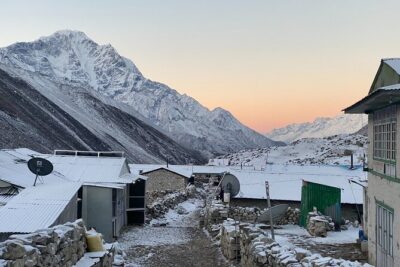 ★ 5.0Everest Base Camp Trekking – 13 DayFrom $1,399365 reviews
★ 5.0Everest Base Camp Trek -14 DaysFrom $1,420321 reviews
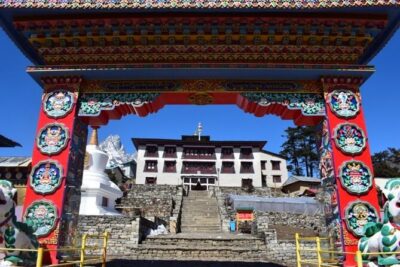 ★ 5.0Everest Base Camp Trekking – 2025/2026From $1,339199 reviews
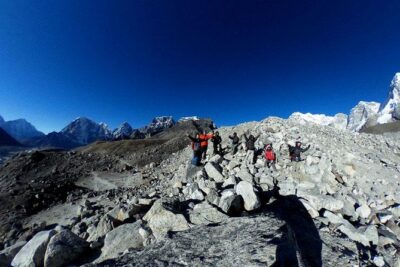 ★ 5.0Everest Base Camp TrekFrom $1,408193 reviews
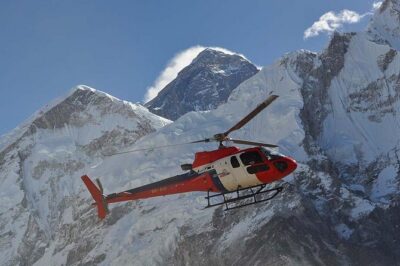 ★ 5.0Everest Base Camp Trek with Helicopter Return from Gorakshep to LuklaFrom $3,000161 reviews
14-Days Private Everest Base Camp TrekFrom $1,600152 reviews
Lists this tour sits in