
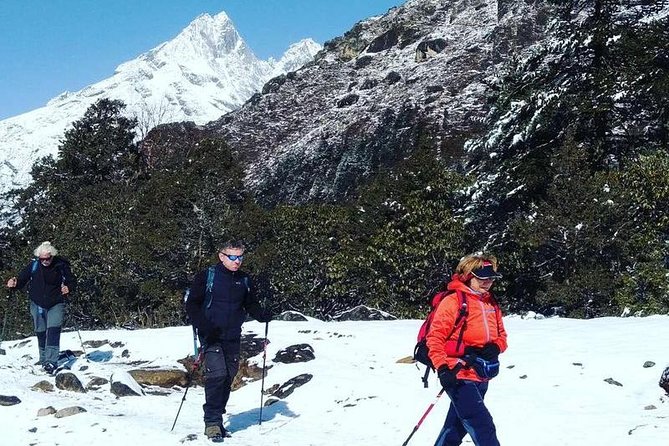
REVIEW · EVEREST BASE CAMP TREKS
Short Everest Base Camp Trek 10 Days
Ten days is the sweet spot for Everest.
This short Everest Base Camp trek uses the big, exciting jump to Lukla by flight, then layers in classic highlights like Namche Bazaar, Tyangboche monastery, and the Khumbu icefall before you reach Everest Base Camp.
I love that the trip handles the heavy logistics up front: round-trip flights Kathmandu to Lukla and back, in-trip meals, tea house stays, and all fees and taxes are included. I also like that you do not have to guess what to pack, because key trekking gear like a sleeping bag, down jacket, and duffel bag is provided and returned after the trek. A fair consideration is that tea house lodging is basic, and drinks like coffee, tea, bottled water, and alcohol are not included.
If you want a short, well-run Everest plan with real Sherpa culture time, this is the kind of itinerary that keeps you moving, but still lets the places sink in. Guides such as Pradeep, BK, Dhruba, and Susil are repeatedly described as attentive and safety-focused, which matters a lot when altitude and weather are the boss.
In This Review
- Why This Short Everest Base Camp Trek Feels Efficient
- Flying Into Lukla, Then Straight Toward Everest Country
- Namche Bazaar and Sherpa Life: Where the Trek Gets Real
- Chasing Views Through the Dhudhkosi Valley
- Tyangboche Monastery and the Khumbu Icefall Area
- The Everest Base Camp Day: What You Actually See
- Tea House Nights and the Gear You Avoid Buying
- Guide Support That Keeps You Calm at Altitude
- Price and Value: When $1,690 Feels Fair
- Weather, Route Changes, and Staying Flexible
- Should You Book This Short Everest Base Camp Trek?
- FAQ
- What is included in the Short Everest Base Camp trek price?
- What is not included?
- Where does the tour start?
- Is this a private tour?
- What fitness level do I need?
- What happens if the trek is canceled due to poor weather?
- How long is the trek?
Why This Short Everest Base Camp Trek Feels Efficient
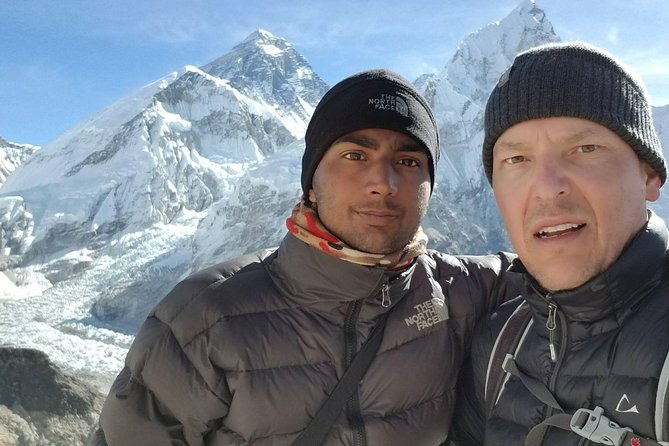
- Lukla flights keep the start focused, so you spend your trekking days on the Everest experience, not on travel days.
- Namche Bazaar and Sherpa life are built into the route, giving you more than just a summit-style walk.
- Tyangboche monastery is a major spiritual stop, adding contrast to glacier scenery and mountain views.
- Khumbu icefall and Khumbu glacier are on the radar, so you see the Everest story at ground level.
- Provided gear reduces packing stress, including sleeping bag, down jacket, and a duffel bag for the trek.
- It is a private group experience, which usually means you get better pacing and less waiting around.
Other routes to Base Camp, side by side
Flying Into Lukla, Then Straight Toward Everest Country
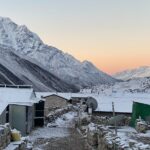
The trip starts where most Everest dreams begin, in Kathmandu, with the meeting point at Tribhuvan Airport. If pickup is offered for your schedule, you will get an air-conditioned vehicle to help you settle in quickly. That matters on a busy first day, especially after international travel.
The real thrill, and a huge reason people book this style of trek, is the short flight from Kathmandu to Lukla and back. It turns what could be a multi-day slog into a single step, putting you in Khumbu territory fast. You get that classic feeling of arriving at the gateway to Everest, with the mountains already in your head long before you ever lace up your boots.
Just know the flip side: flights in the mountains depend on weather. This trek requires good weather, and plans can shift if conditions are poor. In practice, that means you should travel with flexibility, and keep an eye on what your guide tells you about timing.
Namche Bazaar and Sherpa Life: Where the Trek Gets Real
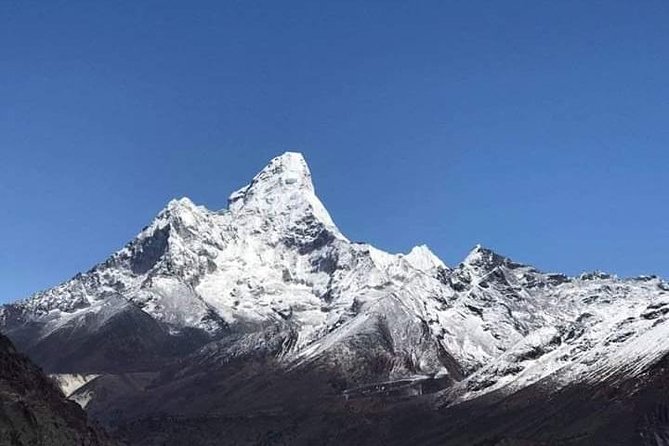
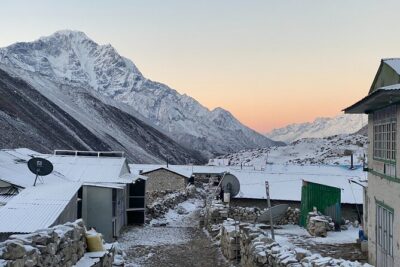
Once you are moving through the Khumbu region, Namche Bazaar becomes more than a waypoint. This is a place that helps you understand the rhythm of the area, because it is tied to Sherpa life and the community that supports trekking. I like that the itinerary makes room for this, because Everest is not only about big peaks. It is about how people live near them.
You will also feel the trek adjust to altitude and effort. You are not just chasing views, you are learning your own pace. Namche Bazaar is a natural place for that, because it is active, full of trekking energy, and mentally it gives you a breather without removing you from the Everest storyline.
If you are traveling as part of a private group, you generally get fewer interruptions and less time standing around. That can be a big quality-of-life upgrade on a 10-day timeline, where every hour counts.
Chasing Views Through the Dhudhkosi Valley
The route brings you through one of the most famous walking corridors in the region, the valley shaped by the Dhudhkosi River. The advantage of this kind of valley trekking is that it keeps the scenery flowing while your body works steadily. You are still climbing, but you are not doing it in a straight, punishing line.
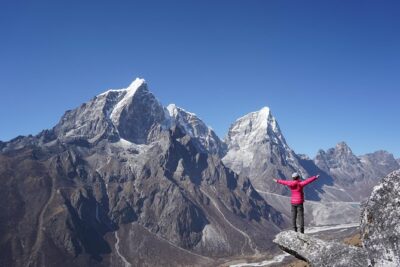
This is the part of the trek where the mountains start to feel closer. Even before the icefall and the base camp area, you get repeated glimpses of towering peaks in the Everest neighborhood. The trip description calls out neighboring giants above 8,000 meters, and this is where that promise begins to show up in real scale.
Two practical notes for you here. First, take your breaks seriously. Small pauses let your breathing catch up so you do not burn energy too fast. Second, keep your daypack light. The gear you do need is essential, but extra weight is extra fatigue when the air is thin.
Tyangboche Monastery and the Khumbu Icefall Area
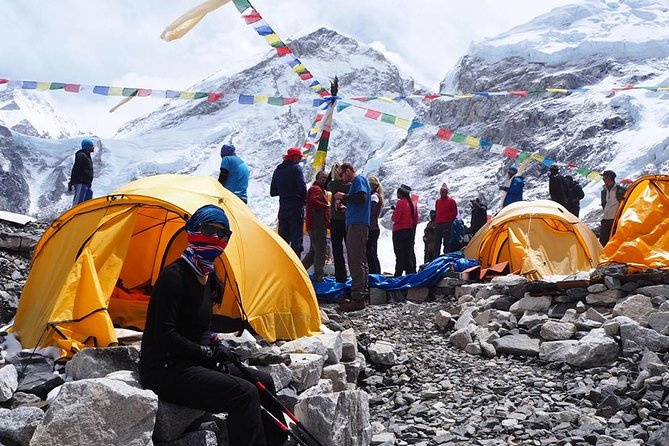
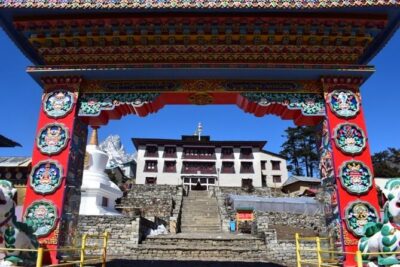
Tyangboche monastery is one of those stops that changes the mood of a trek. The itinerary calls it the old monastery, and that alone signals you are not just ticking a sightseeing box. This is a cultural stop, a quiet contrast after steep sections and sweeping mountain views.
From here, the Everest visuals shift again. The trek also highlights the Khumbu icefall and the surrounding glacier scenery. This part matters because it shows you what makes Everest Base Camp such a dramatic, technical zone, even though you are approaching it on foot at normal trekking timeframes.
The icefall area is not the place to rush or get careless. You will likely be moving at a controlled pace under your guide’s watch, and that is a good thing. In the accounts of excellent service, guides like Pradeep and Susil come up again and again for being helpful and focused on safety, and that tone is exactly what you want around icefall terrain.
Other lodge to lodge routes near Kathmandu
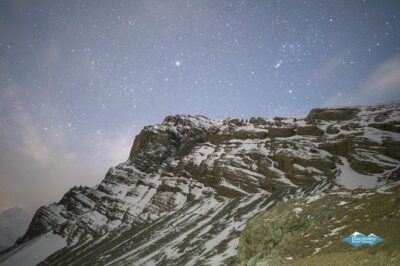
The Everest Base Camp Day: What You Actually See
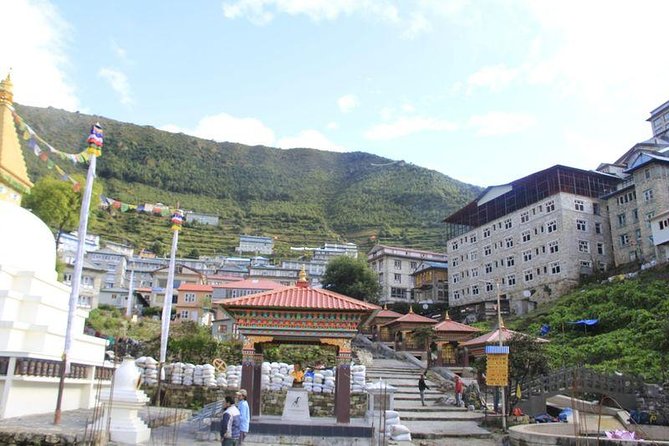
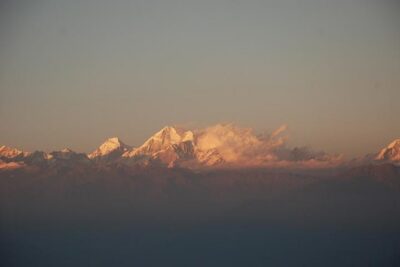
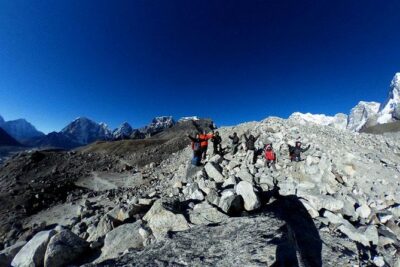
Reaching Everest Base Camp is the payoff for the whole short trek plan. The itinerary frames it as walking to the foot of Mount Everest, and that phrase is important. You are not climbing Everest, you are arriving at the base of the mountain’s most famous wall.
What makes this day special is the mix of scale and atmosphere. You get the view of Mount Everest itself, plus neighboring peaks that are over 8,000 meters. The Khumbu glacier is also part of the scene, so even when the weather is not perfect, you still get a sense of place. It feels like the world’s most famous climbing zone, even if your trek is on a different mission than the summit teams.
If you are someone who likes to understand what you are seeing, ask questions. Guides in this region often bring local context quickly, like how trekking logistics work, why certain areas are approached carefully, and what Sherpa support means for the whole Everest system.
Tea House Nights and the Gear You Avoid Buying
This trek uses tea house accommodation during the trek. That usually means simple rooms, basic beds, and warm-ish indoor space where you can eat and reset. I like that the itinerary is honest about this, because you are not paying for hotel luxury in the middle of the mountains.
Here is where the included equipment becomes a practical win. The tour includes a sleeping bag, down jacket, and a duffel bag, and you return that gear after the trek. That is a smart way to protect your comfort without forcing you to buy expensive cold-weather gear just for a single trip.
What you still need to plan for is extra spending on small comforts. Coffee and tea, bottled water, soda, and alcohol are not included. If you hate surprises, budget a bit for hot drinks and water. Also remember that travel insurance is not included, so you will want your own coverage before you go.
Pack like you are carrying your body. Bring layers you can adjust, and keep essentials dry. Tea houses work best when you treat them as warm, practical bases, not as your home away from home.
Guide Support That Keeps You Calm at Altitude
A short Everest itinerary lives or dies by pacing. With a 10-day schedule, the trek needs a steady rhythm that balances progress with realistic recovery time. The strongest feedback you see in guides is about being looked after from start to finish, and that shows up in the names people share, including Dhruba, BK, Pradeep, and Susil.
What I take from that, as advice for you, is not just that the guides know the route. It is that they pay attention. When oxygen is thin and weather can change fast, attention to detail becomes part of your safety plan.
This tour is also described as private, meaning only your group participates. That matters because you can move as a unit. You are less likely to feel bounced around by crowd logistics, and you can rely on your guide to coordinate timing around your group’s needs.
Price and Value: When $1,690 Feels Fair
At $1,690 per person, the value depends on what you would otherwise pay and manage yourself. The big cost drivers are the flights and the on-the-ground setup.
Inclusions that drive value here include:
- Both-way flight tickets Kathmandu to Lukla and back
- Breakfast, lunch, and dinner
- Air-conditioned vehicle (for pickup where offered)
- Tea house lodging during the trek
- Necessary equipment like sleeping bag, down jacket, and duffel bag
- All fees and taxes
- Route map
What is not included matters too. You will pay separately for travel insurance, your hotel in Kathmandu, porter service if you need one, and personal expenses. Drinks are also extra, including bottled water and coffee or tea.
So when does this feel like a fair deal? If you want a prebuilt plan where flights, meals, lodging style, and key gear are handled, you get a lot of certainty for your money. If you love planning and already own proper cold-weather gear and do not need logistics help, you could price-shop your own version. For many people though, reducing guesswork is worth a lot.
One more detail to consider: the tour is private and the gear is provided. That combo can make this option feel more complete than generic trekking deals, especially for first-time Everest trekkers.
Weather, Route Changes, and Staying Flexible
Everest country can move the goalposts. This experience requires good weather, and if it is canceled due to poor weather, you will be offered a different date or a full refund.
This matters because you are booking a short timeline. Your guide will do what they can to keep things safe and realistic. In the broader Everest world, you sometimes see planned routes adjusted when weather turns rough, with teams shifting to a safer, still-impressive goal. The key lesson for you is simple: listen to your guide and stay flexible on expectations.
If you are the type who plans your entire trip around one fixed schedule, you may feel frustrated. If you are okay treating this like a weather-dependent adventure, you will handle changes better and enjoy the journey more.
Should You Book This Short Everest Base Camp Trek?
You should seriously consider booking if you want:
- A 10-day Everest Base Camp plan without stretching into a longer expedition
- Included logistics, especially Kathmandu to Lukla flights and in-trek meals
- A guided experience with strong reputations for care and safety, with names like Pradeep, Dhruba, BK, and Susil showing up in real feedback
- Provided cold-weather essentials, including a sleeping bag and down jacket
You might think twice if:
- You are expecting hotel-level comfort every night, because tea houses are basic by design
- You have not budgeted for drinks and small personal costs, since those are not included
- You need everything fully fixed down to the minute, because this trip depends on good weather
My practical bottom line: if you want Everest Base Camp with a lighter planning load and solid human support, this is a strong match. The price looks fair once you factor in flights, meals, tea house stays, and the gear package. Treat it as a serious trek, respect altitude, and you will come away with memories that stick.
FAQ
What is included in the Short Everest Base Camp trek price?
The price includes breakfast, lunch, and dinner, air-conditioned vehicle, all fees and taxes, both way flights Kathmandu to Lukla and back, necessary trekking equipment (sleeping bag, down jacket, and duffel bag) returned after the trek, a route map, and tea house accommodation during the trek.
What is not included?
Not included are coffee and/or tea, bottled water, alcoholic beverages, soda/pop, personal expenses, travel insurance, hotel in Kathmandu, and porter service if you need one.
Where does the tour start?
The meeting point is Tribhuvan Airport in Kathmandu, Nepal.
Is this a private tour?
Yes. It is described as a private tour or activity, and only your group will participate.
What fitness level do I need?
The tour notes that travelers should have a moderate physical fitness level.
What happens if the trek is canceled due to poor weather?
If it is canceled due to poor weather, you will be offered a different date or a full refund.
How long is the trek?
The duration is 10 days approximately.
Lodge to Lodge Around Kathmandu
The Rest of Our Kathmandu Write Ups

Base Camp, Three More Ways
Everything else we have reviewed around Kathmandu
- 12 Days Everest Base Camp Trekking
★ 5.0 · 3 reviews - 1 Night 2 Days Chitwan Jungle Safari Tour from Pokhara or Kathmandu
★ 3.0 · 3 reviews - Thamel Rickshaw tour
★ 4.7 · 3 reviews - Kathmandu: Momo Making Class with a Local Chef
★ 5.0 · 3 reviews - Kathmandu: Full-Day Yoga, Body Massage and Pedicure Package
★ 5.0 · 3 reviews - From Kathmandu / Pokhara / Chitwan: River Rafting – 1 Day
★ 4.6 · 3 reviews
Everest Base Camp Treks worth a second look.
 ★ 5.0Everest Base Camp Trek – 14 DaysFrom $1,8001,499 reviews
 ★ 5.0Everest Base Camp TrekkingFrom $1,350485 reviews
 ★ 5.0Everest Base Camp Trekking – 13 DayFrom $1,399365 reviews
★ 5.0Everest Base Camp Trek -14 DaysFrom $1,420321 reviews
★ 5.0Everest Base Camp Trekking – 13 DayFrom $1,399365 reviews
★ 5.0Everest Base Camp Trek -14 DaysFrom $1,420321 reviews
 ★ 5.0Everest Base Camp Trekking – 2025/2026From $1,339199 reviews
 ★ 5.0Everest Base Camp TrekFrom $1,408193 reviews
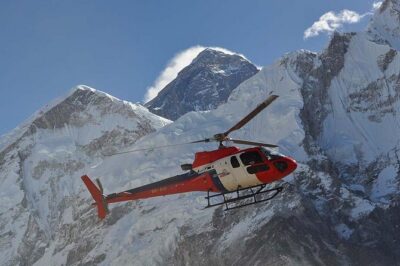 ★ 5.0Everest Base Camp Trek with Helicopter Return from Gorakshep to LuklaFrom $3,000161 reviews
14-Days Private Everest Base Camp TrekFrom $1,600152 reviews
★ 5.0Everest Base Camp Trek with Helicopter Return from Gorakshep to LuklaFrom $3,000161 reviews
14-Days Private Everest Base Camp TrekFrom $1,600152 reviews
Lists this tour sits in