
REVIEW · EVEREST BASE CAMP TREKS
Unforgettable Everest Base Camp Trek with Third Rock Adventures! 🌄 I recently completed an incredible journey to Everest Base Camp with Third Rock Adventures, and I can’t recommend them enough! From starRead more
Everest Base Camp pulls you in fast.
This 14-day trek is built around real altitude time and real mountain villages. You start with a flight from Kathmandu to Lukla, then walk through Sherpa hubs like Phakding, Namche Bazaar, Tengboche, and Dingboche before pushing to the big-ticket moments: Everest Base Camp and Kala Patthar at 5,550 meters.
I really like that the trip is logistically tight without making it feel like a cram session. You get clear day structure, tea house lodging that’s described as clean and comfortable, and all meals on the trek with a cup of tea or coffee. I also like the support mix, government-licensed English-speaking guides, a porter system (2 trekkers to 1 porter), and even a guide carrying a pulse oximeter plus key meds.
One real consideration: flights into and out of Lukla can be weather sensitive, and that can affect timing. The operator has handled weather-related schedule changes for other departures, but you still need flexibility and travel insurance, since insurance is not included.
In This Review
- Key Things I’d Watch Before You Go
- The Real Value of an Everest Base Camp Trek at This Price
- Day 1 in Kathmandu: Thamel, Gear Check, and a Real Briefing
- Day 2 to Lukla and Phakding: The Start, the River, and the Sherpa Rhythm
- Day 3: Suspension Bridges, Sagarmatha National Park, and the Climb to Namche
- Day 4: Namche Acclimatization Day, Market Energy, and a Sunrise View
- Day 5 to Tengboche: Forest Trails, Rhododendron, and a Big Monastery
- Day 6: Pangboche and Dingboche, with Island Peak in the Mix
- Day 7: Nagarjun Hill for Panoramas and Glacier Views
- Day 8: Rugged Trek to Lobuche and Memorial Stupas at Thukla Pass
- Day 9: Lobuche to Gorak Shep, then Everest Base Camp
- Day 10: Kala Patthar Sunrise, 360-Degree Peaks, and the Long Descent
- Day 11: Back Down Through Pheriche, Past Tengboche, to Namche
- Day 12: Namche to Lukla, the Hillary Bridge Again, and a Finishing Night
- Day 13: Lukla to Kathmandu, Markets, and a Proper Goodbye
- Day 14: Airport Transfer and the Final Headcount
- Tea Houses, Meals, and What “Included” Actually Means for Your Day
- Guides, Porters, and Safety Details You Can Feel Good About
- What Might Not Fit You
- Who Should Book This Trek?
- Should You Book This Everest Base Camp 14-Day Trek?
- FAQ
- How long is the Everest Base Camp trek?
- Where does the tour start?
- Are pickup and drop-off included?
- What flights are included?
- Is accommodation included?
- Are meals included on the trek?
- Do I get porter service?
- What trek gear is provided?
- What is not included that I should plan for?
- Can I cancel and get a full refund?
Key Things I’d Watch Before You Go
- Kala Patthar sunrise at 5,550 m for 360-degree views of Everest and the surrounding peaks
- A smart acclimatization rhythm with a full Namche day plus a high hike to Nagarjun Hill
- Guide medical readiness, including pulse oximeter and meds like Paracetamol and Diamox carried by the guide
- Porter support that actually matters, with 2 trekkers sharing 1 porter for main luggage
- Tea house comfort, built into the plan, including “best available” clean lodging and all meals on trek days
Other routes to Base Camp, side by side
The Real Value of an Everest Base Camp Trek at This Price
At $1,799 per person, this isn’t just “sleep and hike.” You’re paying for the parts that cost time, money, and risk to organize yourself.
From what’s included, your core value stack looks like this: two nights in Kathmandu in 3-star deluxe with breakfast, domestic flights to and from Lukla (via Ramechhap and Kathmandu depending on the routing), Sagarmatha National Park entry and community fees, tea house lodging, and all trek meals with tea or coffee. You also get porter service, a licensed English-speaking first-aid trained guide, and essential medical tools like the pulse oximeter. On top of that, they include gear support through a down jacket and sleeping bag, which you return after the trek.
So the money is mostly buying coordination and safety net. For a trek where the logistics are half the battle, that can be worth it.
Day 1 in Kathmandu: Thamel, Gear Check, and a Real Briefing
Day 1 is all about getting your feet under you. You arrive in Kathmandu, meet a representative, and get transferred to your hotel. After that, you’ll meet your trek leader and team for a briefing, then use the day for practical prep like checking your gear and buying any last essentials.
You’ll likely spend time in Thamel, the area that makes sense for trekking: shops for clothing and small supplies, gear where you can compare brands, and easy walking around. I like this day because it keeps you from starting the trek distracted. One day of setup can save you stress later.
Day 2 to Lukla and Phakding: The Start, the River, and the Sherpa Rhythm
The trek begins the way people imagine it. You take a flight to Lukla, meet your crew, and start walking. Early on you follow the Dudh Koshi River, pass through Chauri Kharka, and reach Phakding, a Sherpa valley village.
Two things make this day special. First, it’s your warm-up, so your legs learn the rhythm before higher stakes. Second, the river valley gives you that classic Khumbu feeling fast, plus plenty of bridge crossings that remind you this is a working region, not a theme park.
A small tip: this is not a day to rush. Even if you feel good after the flight, keep your pace steady. Save your punch for later.
Day 3: Suspension Bridges, Sagarmatha National Park, and the Climb to Namche
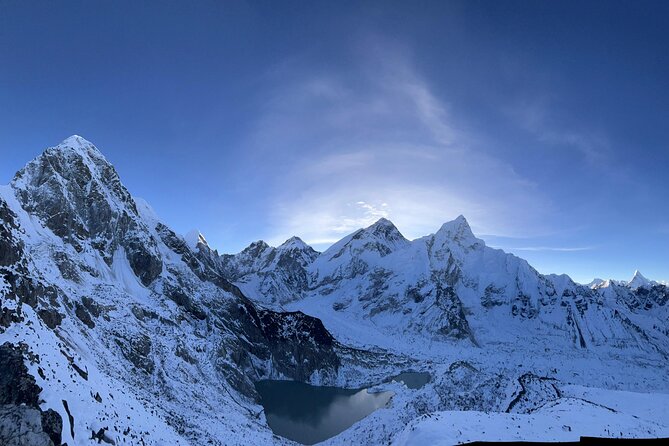
Today you cross suspension bridges, including the famous Hillary Bridge. You enter Sagarmatha National Park, stop for lunch in Jorsale, then tackle a steep climb up to Namche Bazaar, the Sherpa capital and major trading hub.
This is a day where you feel altitude coming. Not full-on yet, but the climb reminds you that the trek is working you, not just showing you views. Namche Bazaar also sets your expectations for what’s ahead: shops, bakeries, and a real community that depends on the trekking season.
Other lodge to lodge routes near Kathmandu
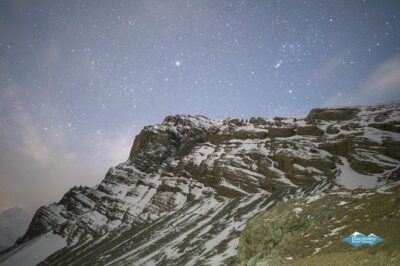
Day 4: Namche Acclimatization Day, Market Energy, and a Sunrise View
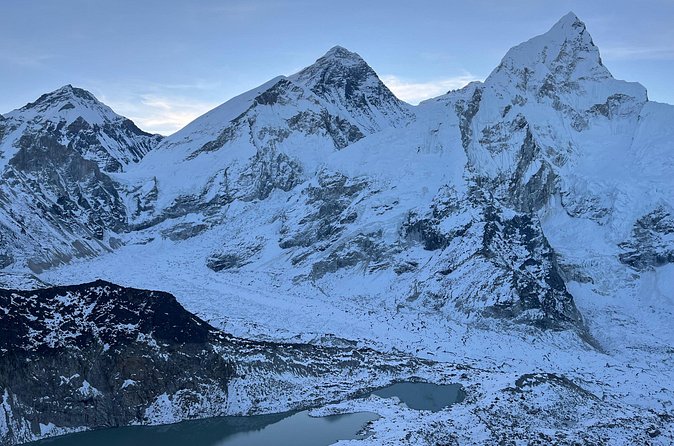
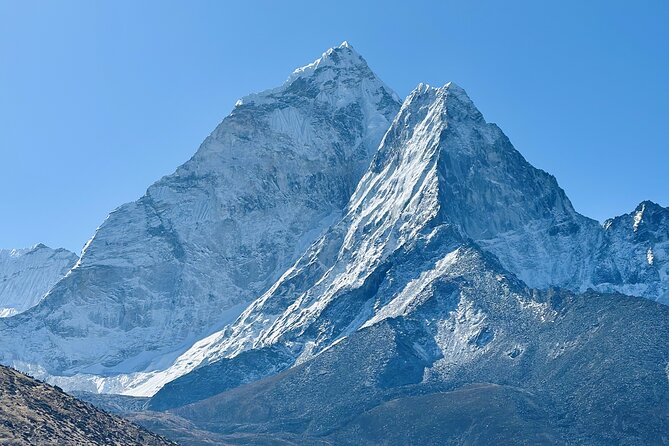
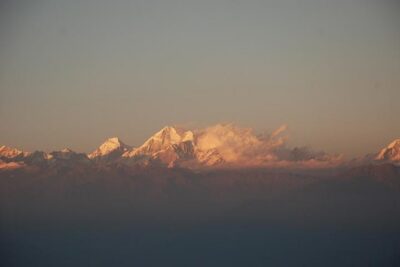
Day 4 is your acclimatization day, and it’s built right into Namche. You explore the Saturday Market vibe, check out shops and bakeries, and then take a sunrise hike for views of Everest, Ama Dablam, and Lhotse.
This is one of my favorite types of day on high treks. You get comfort time without losing momentum. And that sunrise hike is the kind of payoff that makes the work feel fair, because you’re earning the view with a manageable effort.
If you’re prone to rushing on hikes, practice slowing down here. Let your breathing guide your pace, not your ego.
Day 5 to Tengboche: Forest Trails, Rhododendron, and a Big Monastery
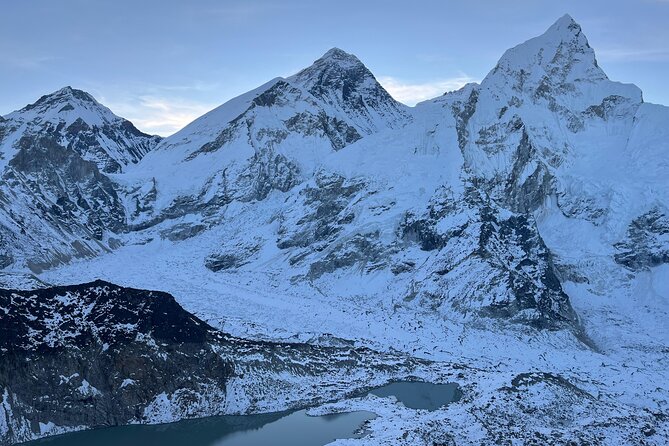
You hike through rhododendron and juniper forests, with mountain views popping through the trees as you head toward Tengboche. You arrive at Tengboche, home to the region’s largest monastery, and you get close-up views of Ama Dablam. There’s also time to visit the monastery grounds.
This day tends to balance your senses: greenery underfoot, prayer flags and village details around you, and then sudden glimpses of towering peaks when the weather and angles cooperate. It also helps emotionally because it’s a cultural stop, not just altitude mileage.
If you’re the kind of person who likes calm, Tengboche can be grounding. If you prefer constant hiking, you might wish it moved faster, but that’s part of why this trek works.
Day 6: Pangboche and Dingboche, with Island Peak in the Mix
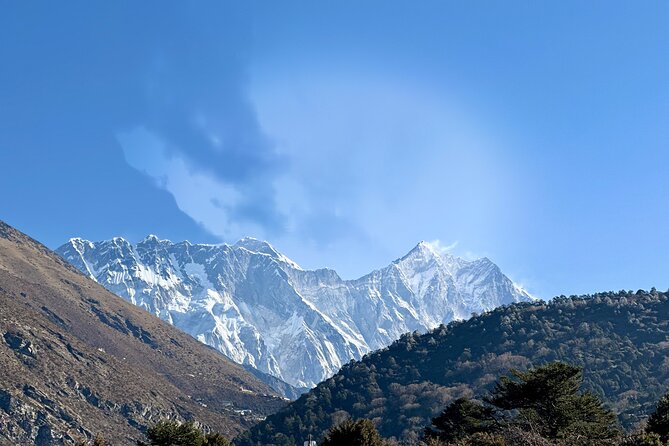
Today you cross the Imja Khola and pass through Pangboche, described as the highest permanent Sherpa settlement. Then you continue to Dingboche, with views that include Island Peak and Ama Dablam.
This is a strong day for perspective. You see how Sherpa communities adapt to higher terrain, and you get a sense of where major climbs and routes start to influence the landscape. Dingboche then becomes your staging area for higher altitude hiking.
Practical note: Dingboche is where people often feel the altitude more. Keep your pack light if you can, and drink steadily. Even if you don’t feel thirsty, keep sipping.
Day 7: Nagarjun Hill for Panoramas and Glacier Views
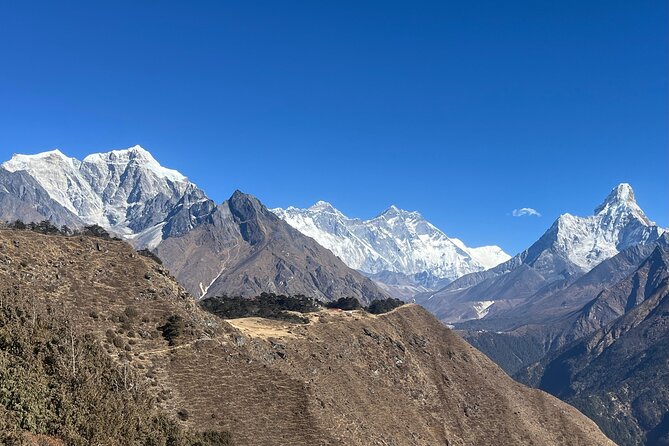
You hike to Nagarjun Hill at 5,100 m for panoramas of Makalu, Lhotse, Ama Dablam, and Island Peak. You also get a close-up of the Imja Glacier. The afternoon is your leisure time back in Dingboche.
This day is another acclimatization win. It’s high enough to matter, but it’s not a full “go to the summit” day. And the views are broad, so it feels like you’re collecting the whole Khumbu puzzle piece by piece.
This is also the day where I’d tell you to be extra honest about how you feel. If you don’t bounce back quickly after the hike, don’t push your effort later. The trek plan has enough structure to rely on rest when you need it.
Day 8: Rugged Trek to Lobuche and Memorial Stupas at Thukla Pass
Day 8 is an 8 km trek over rugged high altitude terrain to Lobuche. You get sweeping views of Lobuche, Pumori, and Nuptse, plus a stop at Thukla Pass where memorial stupas honor Everest climbers.
This is a day that can feel emotionally heavy in a good way. Standing near memorials gives the trek context. You’re not just walking for selfies, you’re part of a long, complicated history of climbing in this region.
Lobuche sets up the next jump. You’ll be close to the Everest Base Camp approach, so your pace and recovery matter.
Day 9: Lobuche to Gorak Shep, then Everest Base Camp
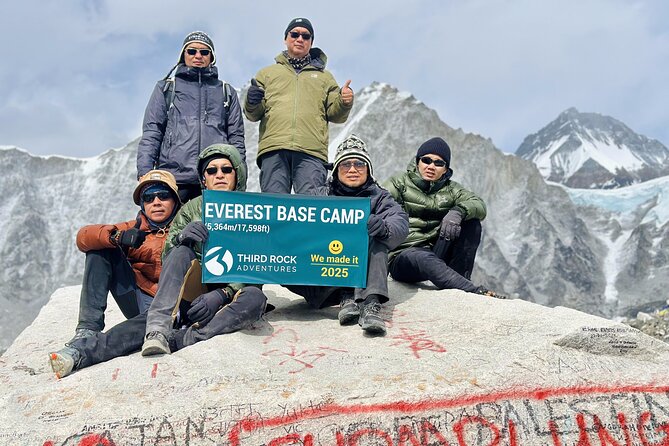
You trek from Lobuche to Gorak Shep, then hike alongside the Khumbu Glacier to reach Everest Base Camp. Along the way, you’ll take in epic views of the Khumbu Icefall, then return to Gorak Shep for the night.
This is the signature day. It’s also the day you should treat as a full effort, not a victory lap. Your goal is to arrive steady, enjoy the moment, and keep enough energy for the return.
And yes, the Base Camp area is intense. It can feel crowded, dusty, and busy. But the bigger truth is the setting: ice, scale, and the kind of mountain geometry that makes you stop talking for a while.
Day 10: Kala Patthar Sunrise, 360-Degree Peaks, and the Long Descent
After breakfast, you hike to Kala Patthar, the highest point of the trek at 5,550 m. You get 360-degree views of Everest, Lhotse, Nuptse, and Pumori, then sunrise lighting on Everest’s peak. After that, you return to Gorak Shep and descend.
Kala Patthar is what separates an Everest Base Camp trek from an average high-altitude hike. Even if you’ve seen photos, seeing the angles in person hits different. The sunrise part is not just pretty, it’s the clearest way to understand the mass of the Khumbu giants.
Be prepared for cold and early starts. Dress for it like it’s colder than you think, because it often is at this altitude.
Day 11: Back Down Through Pheriche, Past Tengboche, to Namche
You descend from Pheriche through scenic trails, passing Tengboche along the way. You then arrive back at Namche Bazaar after a short afternoon climb and spend the night there.
A descent can be deceptive. Legs feel better than on an ascent, but knees and ankles work harder. This day is also a chance to reset your focus. Namche feels like home after a stretch of higher villages, and that makes it a good place for recovery.
Day 12: Namche to Lukla, the Hillary Bridge Again, and a Finishing Night
You descend from Namche through local villages and cross the Hillary Suspension Bridge again. You reach Lukla in the afternoon, then celebrate completing your Everest adventure and enjoy your final night in the area.
This is a satisfying close to the loop. You see familiar features again, but now you understand them. The bridge crossing feels less like an obstacle and more like a marker that your body has learned the terrain.
If you’re thinking about souvenir buys, this is often the day to handle it before you fly out.
Day 13: Lukla to Kathmandu, Markets, and a Proper Goodbye
You fly from Lukla to Kathmandu and transfer to your hotel. Then you rest or explore nearby shops for handicrafts and souvenirs, plus a visit to Ason Market for spices, tea, and decorative items. In the evening, there’s time for a fare well dinner.
I like this day because it gives you a cultural landing spot. It also helps your body shift from trekking pace to city life without forcing you to pack more stress into the schedule.
Day 14: Airport Transfer and the Final Headcount
On the final day, a representative transfers you to the airport three hours before your scheduled flight. This is the day for packing, checking your documents, and letting the trek fade into a clean memory.
After 14 days at altitude, a calm ending feels like part of the journey.
Tea Houses, Meals, and What “Included” Actually Means for Your Day
Tea house trekking is built on simple rhythm: eat well enough, keep moving, and sleep in basic comfort that gets better as the operator plans it well. Here, all meals are included during the trek (breakfast, lunch, dinner) with a cup of tea or coffee.
The lodging is described as best available clean and comfortable tea house accommodation. That’s useful language because it signals you won’t be stuck in the absolute roughest options, at least as planned by the team.
Still, remember tea house life often means limited power, shared bathrooms, and variable warmth. The tour gives you a down jacket and sleeping bag support, which can make a huge difference for sleep quality, since nights at altitude get cold.
Guides, Porters, and Safety Details You Can Feel Good About
This trek puts a lot of weight on people, not just permits and routes. You get a highly experienced, English-speaking, government-licensed, trained in first-aid guide, and you’ll have a porter to carry your main luggage.
The porter ratio of 2 trekkers to 1 porter matters. It usually means you can hike with a smaller day pack, and that makes it easier to manage comfort and effort.
The medical extras are worth calling out. The guide carries a first-aid kit, pulse oximeter, and essential medicines like Paracetamol and Diamox. You’re not just paying for a leader to point at mountains, you’re paying for someone equipped to respond to altitude issues.
From real-world feedback, names like Gnawang and Dawa come up for being supportive and attentive. And Deepak has been singled out for handling plan changes when poor weather affected the departure schedule. That kind of responsiveness is a big deal on a trek where conditions can shift fast.
What Might Not Fit You
This is a moderate to difficult trek. It’s very doable for many people, but it’s not a casual walk. Your success will depend on pacing, acclimatization discipline, and how your body handles altitude.
You should also budget for items that are not included: Nepal visa fee, travel and medical insurance, tips, personal expenses like phone calls and internet, and bottled or boiled water and hot showers if you want them.
If you’re the type who hates uncertainty, the Lukla flight reality might bother you. Weather can force timing changes, and even with help, you need a bit of mental flexibility.
Who Should Book This Trek?
I’d point you here if you want the classic Everest Base Camp experience with real structure and real support.
This is a strong match for:
- You want a guided trek with medical readiness tools
- You like Sherpa culture stops, not just peak chasing
- You value porter help so you can focus on hiking and acclimatization
- You’re comfortable with a moderate to difficult schedule and altitude days
It’s also capped at a maximum of 12 travelers. That’s a sweet spot for group trekking: enough organization, not so many people that you feel lost.
Should You Book This Everest Base Camp 14-Day Trek?
If you want the full Everest Base Camp story, with Kala Patthar sunrise and a plan that builds in acclimatization, this is a solid choice. The included support is the big reason: licensed guide, porter ratio, tea house meals, park fees, and medical tools like the pulse oximeter.
Before you book, do two things. First, plan your budget honestly, because visa, insurance, tips, and personal expenses sit outside the package. Second, be ready for the one wildcard that comes with Lukla flights, weather-driven schedule changes.
If you can handle those, you’ll likely find this trek gives you exactly what you came for, epic mountain days paired with Sherpa village life that feels close, human, and real.
FAQ
How long is the Everest Base Camp trek?
The trek is for 14 days, approximately.
Where does the tour start?
It starts in Kathmandu, Nepal.
Are pickup and drop-off included?
Yes. The tour includes airport pickup and drop-off in a private vehicle, and it also includes ground transport by sharing vehicle from Kathmandu to Manthali and back as per the itinerary.
What flights are included?
Domestic flights are included, from Ramechhap or Kathmandu to Lukla and then back from Lukla to Ramechhap or Kathmandu, as described in the tour details.
Is accommodation included?
Yes. You get two nights of 3-star Deluxe accommodation in Kathmandu with breakfast, and during the trek you stay in tea houses, described as best available clean and comfortable.
Are meals included on the trek?
Yes. All meals (breakfast, lunch, dinner) are included during the trek, along with a cup of tea or coffee.
Do I get porter service?
Yes. Porter service is included to carry your main luggage, with a ratio of 2 trekkers to 1 porter.
What trek gear is provided?
The tour includes a down jacket and sleeping bag, and they are returned after the trek is completed.
What is not included that I should plan for?
Not included are the Nepal visa fee, travel and medical insurance, tips for guide, porter, and driver, meals in Kathmandu (lunch and dinner), extra nights in Kathmandu if needed, and personal expenses such as phone call or internet, bottled or boiled water, and hot showers.
Can I cancel and get a full refund?
Yes, you can cancel up to 24 hours in advance for a full refund. If you cancel less than 24 hours before the experience’s start time, the amount paid is not refunded.
Lodge to Lodge Around Kathmandu
The Rest of Our Kathmandu Write Ups

Base Camp, Three More Ways
Everything else we have reviewed around Kathmandu
- 12 Days Everest Base Camp Trekking
★ 5.0 · 3 reviews - 1 Night 2 Days Chitwan Jungle Safari Tour from Pokhara or Kathmandu
★ 3.0 · 3 reviews - Thamel Rickshaw tour
★ 4.7 · 3 reviews - Kathmandu: Momo Making Class with a Local Chef
★ 5.0 · 3 reviews - Kathmandu: Full-Day Yoga, Body Massage and Pedicure Package
★ 5.0 · 3 reviews - From Kathmandu / Pokhara / Chitwan: River Rafting – 1 Day
★ 4.6 · 3 reviews
Everest Base Camp Treks worth a second look.
 ★ 5.0Everest Base Camp Trek – 14 DaysFrom $1,8001,499 reviews
 ★ 5.0Everest Base Camp TrekkingFrom $1,350485 reviews
 ★ 5.0Everest Base Camp Trekking – 13 DayFrom $1,399365 reviews
★ 5.0Everest Base Camp Trek -14 DaysFrom $1,420321 reviews
★ 5.0Everest Base Camp Trekking – 13 DayFrom $1,399365 reviews
★ 5.0Everest Base Camp Trek -14 DaysFrom $1,420321 reviews
 ★ 5.0Everest Base Camp Trekking – 2025/2026From $1,339199 reviews
 ★ 5.0Everest Base Camp TrekFrom $1,408193 reviews
 ★ 5.0Everest Base Camp Trek with Helicopter Return from Gorakshep to LuklaFrom $3,000161 reviews
14-Days Private Everest Base Camp TrekFrom $1,600152 reviews
★ 5.0Everest Base Camp Trek with Helicopter Return from Gorakshep to LuklaFrom $3,000161 reviews
14-Days Private Everest Base Camp TrekFrom $1,600152 reviews
Lists this tour sits in