
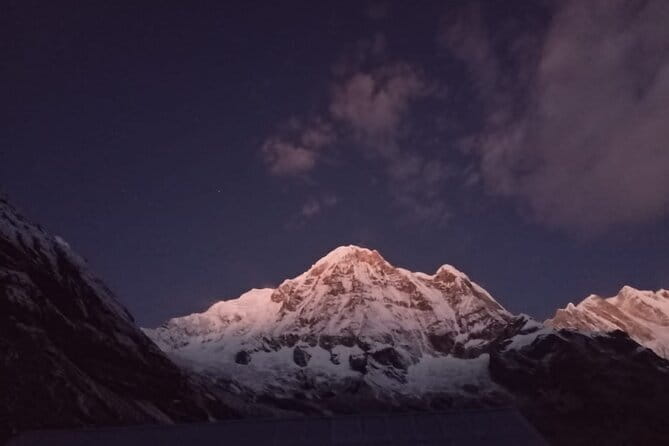
REVIEW · ANNAPURNA BASE CAMP TREKS
10 Days Annapurna Base Camp Trek from Kathmandu
Annapurna Base Camp is a real mind reset. You’ll get big Himalayan views and a properly managed trek with an English-speaking, government-licensed guide, plus permits handled for you. One tradeoff to plan for: most meals and drinks are not included, so you will be budgeting day by day.
What I like most is that the trip is built to reduce decision fatigue. You move between Kathmandu and Pokhara by bus, you sleep in Pokhara for two nights with breakfast, and you get official documents sorted so you can focus on the trail. It’s also set up as a private tour, so your group time is your own.
The trek itself is classic Annapurna: day after day of climbs and descents through villages, forests, and high-alpine stretches. You should have moderate fitness going in, because some legs are steep and some sections are known for avalanche risk.
In This Review
- Key highlights worth knowing
- Kathmandu to Pokhara: starting with less hassle
- Ghandruk and Chhomrung: village trekking with big atmosphere
- Bamboo and the rhythm of up, down, breathe
- Deurali’s forests: where your effort starts paying back
- Annapurna Base Camp day: avalanche country and the payoff
- Descending to Bamboo, then Jhinu Danda to Pokhara
- Guides, permits, and why $490 can work
- Price and logistics: what to expect on the ground
- Packing and pacing tips that make the trek easier
- Who this trek fits best
- Should you book the 10 Days Annapurna Base Camp trek with CAN Travels?
- FAQ
- What is the meeting start time?
- Do you get hotel pickup and drop-off?
- How do you get from Kathmandu to Pokhara?
- Is the trekking guide included, and what language do they speak?
- Are trekking permits included?
- What is included in the Pokhara stay?
- Is food included during the trek?
- What if I need to cancel?
Key highlights worth knowing
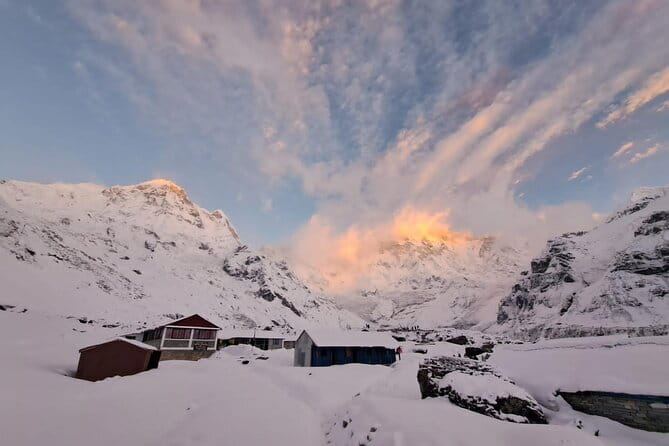
- Licensed guide support: Government-licensed, English-speaking guides and an emergency first aid kit.
- Village-to-basecamp routing: Stops through Ghandruk, Chhomrung, Deurali, and back down through Bamboo.
- Pokhara buffer nights: Two nights in Pokhara with breakfast, so the trek does not start cold-turkey.
- Well-paced stages: Most days are 5 to 7 hours of walking, not 10-hour slogs every day.
- Strong organization: Permits and official documentation are included, which saves a lot of stress.
- Real people on the job: Guides like Krishna, Milan, Amrit, Deepak, Prakash, and Biru have led groups and shared local context.
Other approaches to the Sanctuary gate
Kathmandu to Pokhara: starting with less hassle
Day one is all about moving efficiently. You get hotel pick up and then head to the tourist bus station for the long ride to Pokhara, around seven hours. This matters more than it sounds. If you have ever tried to cobble together transport on a tight schedule, you know how fast energy disappears.
Pokhara is not the main event, but it’s a smart launch pad. You get two nights in a 2-star labeled hotel with breakfast. That means you’re not scrambling for food and sleep quality right after a travel day. Instead, you can do practical things, like stock up on snacks, confirm your gear is dry and ready, and get your body used to Nepal time.
If you are the kind of traveler who likes a clear plan, you’ll appreciate the company structure: transfers are handled, and the trek guide is part of the package from the start. The tour also lists a mobile ticket and pickup and drop-off, which usually means fewer surprises at each step.
Ghandruk and Chhomrung: village trekking with big atmosphere
Your first walking day begins from the Pokhara side via a drive to Nayapul, then you head uphill toward Ghandruk via Sauli Bazar. Expect roughly 5 to 7 hours of trekking, with a steep hill trail. This is the moment where the trek becomes real. One good strategy here is to pace slower than you think you should. You are climbing, and your breathing will be your best indicator.
Ghandruk is a classic Gurung village experience. You’ll pass through places where people live the rhythm of the mountains, not the rhythm of tourism. The walk itself gives you steady motivation: you’re not only trying to reach a dot on a map, you’re moving through homes, terraces, and local life.
Then comes the stretch to Chhomrung, around 6 hours. Chhomrung has that “we made it” feeling, because it tends to look dramatic from the trail and it feels like a proper gateway to higher country. The route takes you through Kumrong danda with an up and down rhythm, and you’ll land in an area known for natural attractions and typical Gurung culture.
What you’ll love here is the mix: a trekking day that still feels human-scale. You’re walking with the mountains in your view, but you’re also seeing daily life. That balance is one reason this trek stays popular.
Bamboo and the rhythm of up, down, breathe
From Chhomrung, the trail drops steeply toward Chhomrung Khola, then climbs again after you cross a stream. This is the kind of leg that tests your legs, not just your lungs. It is about 6 hours to reach Bamboo.
This part of the trek is useful training. You learn how your body handles repeated changes in gradient. You also start to build a rhythm with your pace and breaks. My advice: treat each descent like it is part of the climb training. Control your speed, keep your steps short on steep downhills, and you’ll save your knees for later.
Bamboo is not an award-winning city. It’s a working trekking stop. But it’s exactly the kind of place you want at this stage. It’s where you can eat, recover, and prepare for the next push. You are still getting mountain views, just with a deeper sense of being inside the Annapurna system.
Deurali’s forests: where your effort starts paying back
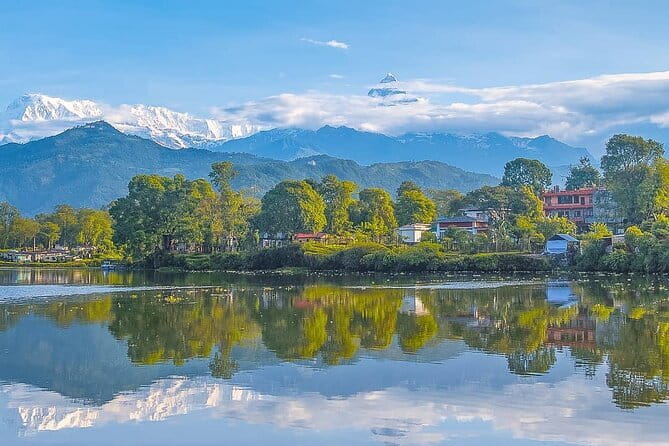
Next up is the leg to Deurali, roughly 7 hours. This route is described as short and beautiful, passing through bamboo and rhododendron forests, with majestic peaks showing up along the way.
Even if you don’t consider yourself a “forest person,” this day helps. Trees soften the harshness of exposed trail. They also help you regulate effort because you can focus on your footing and breathing instead of staring at the horizon all day.
Deurali is one of the places where the trekking mood shifts. You still have forest sections, but the air and the views start to feel more alpine. You’re getting closer to base camp, and it shows in the way the trail feels and in how often you stop just to look.
This is also a great day to listen. Several of the guide names tied to this trek show up in people’s notes for sharing cultural and nature context. If your guide is the talkative, observant type, ask questions while you walk. On these days, your interest doesn’t slow the group and it makes the hours go faster.
Other lodge to lodge routes near Kathmandu
Annapurna Base Camp day: avalanche country and the payoff
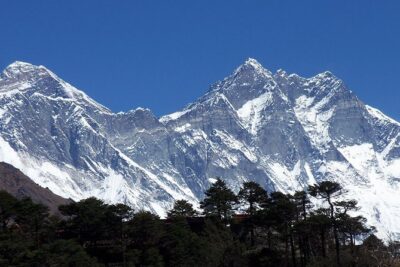
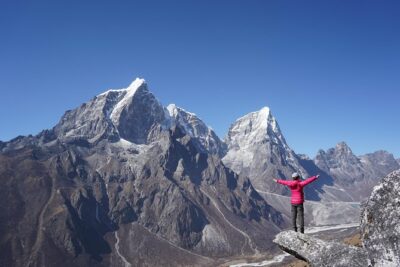
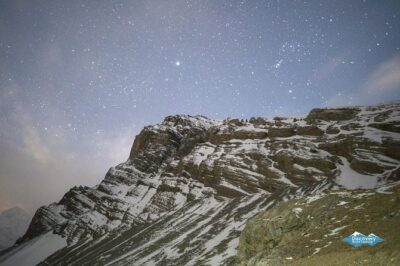
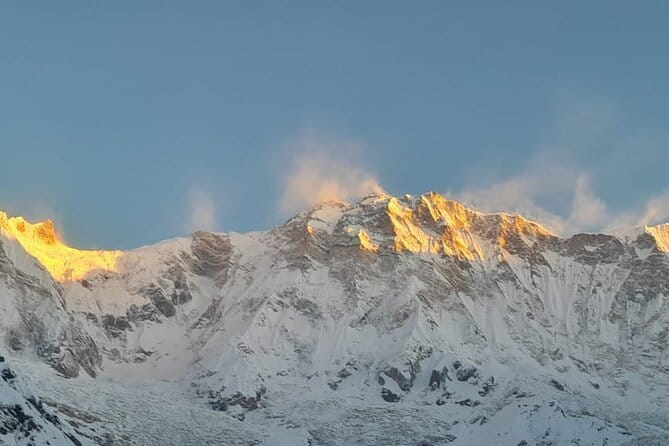
The big day is the trek to Annapurna Base Camp, around 7 hours from Deurali. The route passes through high alpine forests and offers stunning views of snow-capped peaks. The description also flags that you’ll pass through several spots known for avalanches, so this is not a day to rush or wander off plan.
This is the day that makes the whole trip feel worth it. I love base camp treks because they force you to focus. You can’t fixate on future travel plans. You just do the steps in front of you, and then suddenly, the world opens up.
Practical note: base camp days tend to be a mix of walking hard, then slowing down for photos and views, then walking out mentally prepared for the return. If you get cold easily, bring layers that you can add fast at the resting points.
Even though you might feel like the hardest part is getting there, the smart part is what comes after. You are still choosing energy for the down day.
Descending to Bamboo, then Jhinu Danda to Pokhara
After spending time at base camp, you trek back to Bamboo, around 6 hours. The plan follows the same path back, and the route drops around 1,700m. Returning on familiar steps is a weird psychological effect. You may feel like it should be easier, but your body will still be working. Downhills can be harder than uphills on tired legs.
Then you move to Jhinu Danda, roughly 6 hours, with a steep ascent to Kuldi Ghar and additional climb and steps in the mix. After Bamboo, the day is described as a “steep ascent” and multiple climbs and descents, including stone steps along the way. In other words, this is a legs day.
From Jhinu Danda, you don’t keep trekking all the way back to the start on foot. The plan continues to Siwai, where you take a shared jeep or bus to Nayapul, then a private car or jeep to Pokhara. This is a smart use of transport at the exact moment you want your body to recover. It’s also part of why the overall tour feels manageable.
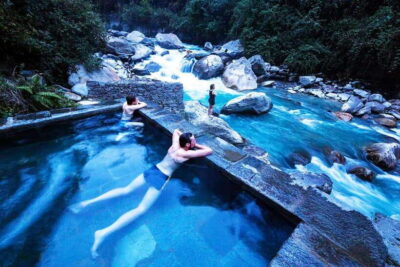
One practical bonus: hot springs are commonly associated with this area, and at least one group report included hot springs time around the end of the trek. If your guide suggests a stop here, that’s a great chance to loosen up and reset.
Guides, permits, and why $490 can work
Let’s talk value. The price is $490 per person for a roughly 10-day program from Kathmandu, with pickup and drop-off, bus transfers Kathmandu to Pokhara to Kathmandu, two Pokhara nights with breakfast, a government-licensed English-speaking trekking guide, permits and official documentation, emergency first aid kit, and guide meals and accommodation.
That is not just “a walking tour.” It’s logistical coverage. Permits are included, and that matters because permits and paperwork are the kind of task that can turn fun planning into frantic errands. Having a licensed guide also reduces uncertainty. You are not guessing which documents you need or who handles what.
You also benefit from guides who bring practical knowledge and upbeat energy. Names that show up include Krishna, Milan, Biru, Amrit, Deepak, and Prakash, and multiple people noted the guides explaining local culture and points of interest along the route. That’s a real upgrade from someone who just says move forward, stop here, repeat.
The tradeoff is straightforward: food and drinks are not included. This means you should budget for meals along the trek days and plan on additional spending for snacks, hot drinks, and any extras that help you get through colder or longer stretches.
One more thing: you’re paying for a private tour model, described as only your group participating. That can be great for flexibility and comfort. If you are solo or traveling with just a couple of people, you may still get that private attention, but the exact group size will depend on your booking.
Price and logistics: what to expect on the ground
Here’s the nuts and bolts that affect your day-to-day:
- You start with hotel pick up, then head to Pokhara by tourist bus, around 7 hours.
- Pokhara includes two nights in a 2-star labeled hotel with breakfast.
- Each trekking day is roughly 5 to 7 hours, with steep uphill or steep downhill sections on several legs.
- Transfers from Pokhara to Nayapul and Siwai are included, and some segments use private vehicle or shared transport depending on the segment.
- The end of the trek uses transport, not a final all-day march back to Kathmandu, and then you return to Kathmandu by bus, around 7 hours.
If you like predictable days with a clear rhythm, this works well. If you hate being on a set schedule, you might feel constrained. But the trekking itself still gives plenty of time to stop, look around, and take breaks, especially when your guide encourages the “slow down and notice” moments.
Also note the meeting start time: 11:15 am. I’d plan on being ready a bit early, because early starts for travel segments are common.
Packing and pacing tips that make the trek easier
The tour description calls for moderate physical fitness, so don’t treat this like an effortless walk. It is a real trek, and the key is pacing and gear.
I recommend focusing on three things:
- Layering for temperature swings
You move through forests and then into higher, colder conditions. Pack for “warm while walking, colder while resting.”
- Foot care on repeated descents
Multiple legs include steep downhills or stone steps. Bring what you need to keep your feet happy, and don’t wait until you’re already miserable to adjust socks or lacing.
- Simple snacks and drink strategy
Food and drinks are not included, so you’ll want reliable snacks. Think small and frequent rather than one big meal mid-trail.
On pacing, the best trick is to walk slower than your ego. You’ll conserve energy for later sections, especially the day after base camp when you’re heading back down to Bamboo.
And keep in mind the trail includes avalanche-prone areas on the base camp approach. That doesn’t mean panic. It means you follow the guide, stay on the planned route, and don’t improvise.
Who this trek fits best
This Annapurna Base Camp trek fits best if you want:
- A guided route with permits handled for you
- The classic Annapurna villages like Ghandruk and Chhomrung
- Time at base camp for the views, not just a quick stamp and go
- A structure that uses transport smartly at the start and near the end
It’s also a good fit for first-time trekkers who want confidence in planning, since you get a government-licensed guide and an emergency first aid kit. You’ll still need effort, but the “unknowns” are reduced.
If you are an extreme ultra-hiker who hates scheduled transfers and prefers to travel completely independently, a private guided trek might feel too structured. But for most people who want the mountains without admin stress, it’s a strong match.
Should you book the 10 Days Annapurna Base Camp trek with CAN Travels?
If your dream is to reach Annapurna Base Camp with the weight of permits, transfers, and guide support handled, I think this is a smart book. The biggest reasons are simple: official documents and a licensed English-speaking guide plus a route that includes iconic village days and a realistic 5 to 7 hour walk rhythm.
Before you book, be honest about two things. First, you are responsible for most food and drinks, so check your budget. Second, this is a steep trail in places, with a base camp approach that includes avalanche-prone areas, so plan for safe pacing and follow your guide’s instructions.
If you want your trek to feel like an adventure, not a logistics project, this one is worth serious consideration.
FAQ
What is the meeting start time?
The experience lists a start time of 11:15 am.
Do you get hotel pickup and drop-off?
Yes. Hotel pick up and drop off are included.
How do you get from Kathmandu to Pokhara?
Kathmandu to Pokhara and back is by luxury sofa seat tourist bus.
Is the trekking guide included, and what language do they speak?
A government-licensed English-speaking trekking guide is included.
Are trekking permits included?
Yes. Trekking permits and all official documents are included.
What is included in the Pokhara stay?
You get 2 night accommodation in a 2-star labeled hotel in Pokhara with breakfast.
Is food included during the trek?
No. Food and drinks are not included, though they are available for purchase.
What if I need to cancel?
Free cancellation is available. You can cancel up to 24 hours in advance for a full refund. If you cancel less than 24 hours before the start time, you do not get a refund.
Lodge to Lodge Around Kathmandu
The Rest of Our Kathmandu Write Ups

Through the Sanctuary Gate
Everything else we have reviewed around Kathmandu
- 12 Days Everest Base Camp Trekking
★ 5.0 · 3 reviews - 1 Night 2 Days Chitwan Jungle Safari Tour from Pokhara or Kathmandu
★ 3.0 · 3 reviews - Thamel Rickshaw tour
★ 4.7 · 3 reviews - Kathmandu: Momo Making Class with a Local Chef
★ 5.0 · 3 reviews - Kathmandu: Full-Day Yoga, Body Massage and Pedicure Package
★ 5.0 · 3 reviews - From Kathmandu / Pokhara / Chitwan: River Rafting – 1 Day
★ 4.6 · 3 reviews
Annapurna Base Camp Treks worth a second look.
 ★ 5.0Annapurna base camp trek 5 DaysFrom $699252 reviews
 ★ 5.0Annapurna Base Camp TrekFrom $935111 reviews
 ★ 5.0Kathmandu to Annapurna Base Camp (ABC) 5-Day TrekFrom $99102 reviews
 ★ 5.0Annapurna Base Camp Trek 12 DaysFrom $80085 reviews
★ 5.0Annapurna Base Camp TrekFrom $92580 reviews
 ★ 4.95-Day Annapurna Base Camp (ABC) TrekFrom $9672 reviews
★ 5.0Annapurna Base Camp TrekFrom $69959 reviews
 ★ 5.011-Day Hike Tour to Annapurna Base Camp Bliss in KathmanduFrom $1,30052 reviews
Lists this tour sits in