
REVIEW · ANNAPURNA BASE CAMP TREKS
Annapurna Base Camp Trek – 11 Days
Annapurna Base Camp hits like a movie scene, every day. This 11-day trek takes you from Kathmandu to Pokhara, then into rhododendron forests, suspension bridges, and classic high views, with a licensed English-speaking guide and altitude checks built into the plan. You also get included trekking gear, so you are not stuck hunting down a down jacket in Nepal at the last minute.
What I like most is the way the trip is structured around big moments, without wasting your energy. You start early for Poon Hill sunrise, then keep moving through the Annapurna region’s valleys and villages, with comfortable lodging in simple places along the route. One more win is the included oxymeter for pulse and oxygen saturation checks, which is a practical comfort when you are nervous about altitude.
One consideration: you are depending on good weather. If conditions are poor, the experience can be canceled and you will be offered a different date or a full refund, so build in some flexibility if you can.
In This Review
- Key things I’d pay attention to
- Why Annapurna Base Camp feels like the classic route
- Cost and value: what $986 really covers
- Day-by-day trek feel: from Kathmandu to Pokhara, then into the mountains
- Day 1: Kathmandu to Pokhara by tourist bus, with scenic highway time
- Day 2: Nayapul to Birethanti and onward to Ghorepani
- Day 3: Rhododendron forests, village trails, and stone stairs to Ghorepani
- Poon Hill sunrise: why this early morning is worth planning around
- Jhinu Danda hot spring: the recovery day you can actually enjoy
- Day 7 and Day 8: Deurali to Machhapuchhre Base Camp, and the long view day
- Day 9: Chhomrong climb back, and another warm dip at Jhinu Danda
- Day 10 and Day 11: Nayapul to Pokhara, then Pokhara back to Kathmandu
- Lodging, meals, and the small comforts that keep you moving
- Health and altitude support: the oxymeter is a real plus
- Who this trek suits best, and who should reconsider
- Should you book this Annapurna Base Camp trek?
- FAQ
- What time does the tour start and where do we meet?
- How long is the Annapurna Base Camp trek?
- What trek gear is included, and what should I bring myself?
- Is a guide included, and are permits covered?
- What meals and accommodation are included?
- What happens if weather is bad or I need to cancel?
Key things I’d pay attention to
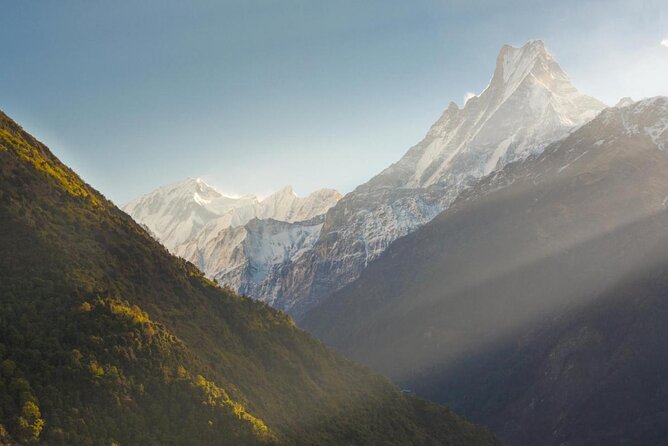
- Poon Hill early start for sunrise views over Annapurna, Dhaulagiri, and nearby peaks
- Suspension bridges and stone-stair climbs that create steady daily effort, not random suffering
- Jhinu Danda hot spring time for a warm reset after walking days
- Machhapuchhre Base Camp area at 3700m, with big scenery even on non-summit days
- Gear included (down jacket, sleeping bag, duffel bag), plus a guide and permits
- Oxymeter checks for oxygen saturation and heart rate, so you can respond early
Other approaches to the Sanctuary gate
Why Annapurna Base Camp feels like the classic route
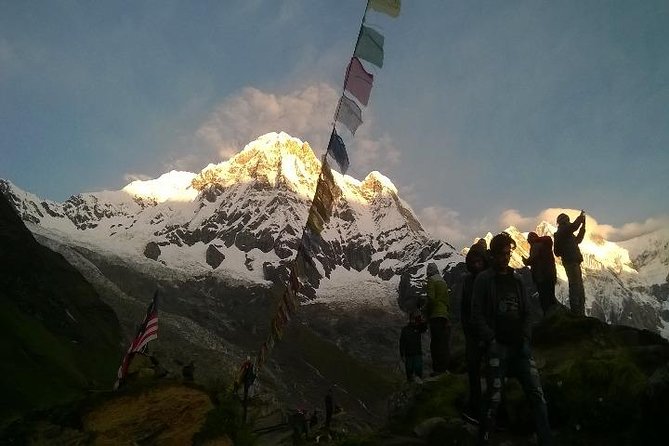
If you have dreamed of the Himalaya, Annapurna Base Camp is the one that keeps coming up for a reason. This trek gives you a full mix: forest trails, hillside villages, big mountain panoramas, and that moment when the goal starts to feel real. You are not just walking to a single point, you are moving through a whole region.
I also appreciate the human pacing implied by the itinerary. The early days are about building rhythm: forest paths, short bridge crossings, and village-to-village trail segments. Later days shift toward higher passes and base-camp style terrain, including the area around Machhapuchhre Base Camp at 3700m, which helps you acclimate while still stacking satisfying viewpoints.
Finally, the trip is designed as a private experience for your group. That means the schedule is set for you, not a mixed crowd doing everything at the same speed. For solo trekkers or couples, that often feels less stressful than juggling strangers.
Cost and value: what $986 really covers
The price is $986 per person for an approximately 11-day trek starting in Kathmandu, with a mobile ticket. The value is strongest because the package includes a lot of the trip’s hidden costs.
Here is what is covered in the price list:
- Down jacket, sleeping bag, and duffel bag
- Surface transfers from and back to Kathmandu
- Trekking permits and entry fees
- Best available guest-house style accommodation during the trek, mainly twin sharing
- Licensed English-speaking trekking guide
- Food and lodging support for trekking staff, plus transport for staff
- First aid medical kits
- Oxymeter to check pulse and oxygen saturation and heart rate
- The bulk of your meals: 10 breakfasts, 9 lunches, and 8 dinners
What is not covered:
- Alcohol and drinks (hot and cold drinks are listed as not included)
- Travel insurance
- Personal trekking equipment
- International airfare and airport departure tax
- Tips for trekking staff
- Laundry and other personal expenses
So should you treat this as a budget trek or a comfort trek? It is more like a sensible middle. You are not only paying for movement, you are paying for the whole system: guide, permits, lodging, meals, and even core cold-weather gear. That can save you time and stress, especially if you do not want to gamble on renting equipment last minute.
Day-by-day trek feel: from Kathmandu to Pokhara, then into the mountains
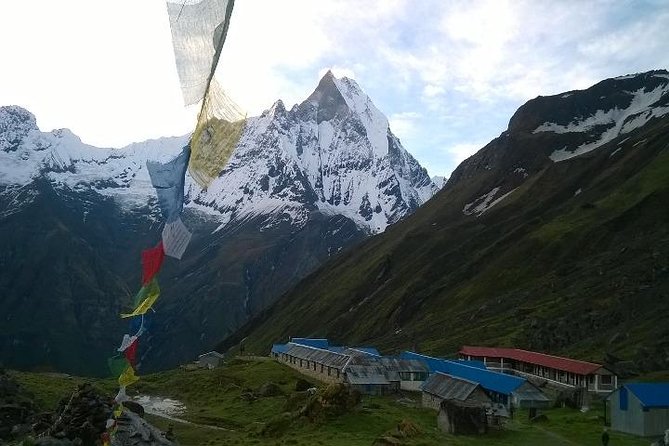
Day 1: Kathmandu to Pokhara by tourist bus, with scenic highway time
Day 1 is a drive from Kathmandu to Pokhara along the Prithvi Highway. This matters more than it sounds. It is your first long Nepal road segment, and it sets the tone: rivers, terraced farms, villages and towns rolling by as you settle into the pace.
Practical note: start time is listed as 6:15 am in Kathmandu. Even though this is not the high-altitude part yet, you will want a calm breakfast and a simple morning routine so you are not drained before the trek even starts.
Other lodge to lodge routes near Kathmandu
Day 2: Nayapul to Birethanti and onward to Ghorepani
On Day 2, you drive to Nayapul, then begin trekking by crossing a suspension bridge over the Modi River. From there you head toward Birethanti and continue walking until Ghorepani.
What I like here is that your first trekking day includes variety without being extreme: bridge crossing early in the day, village segments, then trail walking that builds confidence. The itinerary specifically calls out the crossing and the initial navigation, which is the part that makes people feel new on trek day.
One potential drawback: suspension bridges can be mentally tricky if you do not love heights. Take it slow, keep your weight centered, and use the moment to set your pace rather than rush it.
Day 3: Rhododendron forests, village trails, and stone stairs to Ghorepani
Day 3 is about a smooth ramp-up. You walk an easy trail through thick rhododendron forests, cross villages like Banthanti and Nangethanti, then ascend uphill on stone stairs to reach Ghorepani.
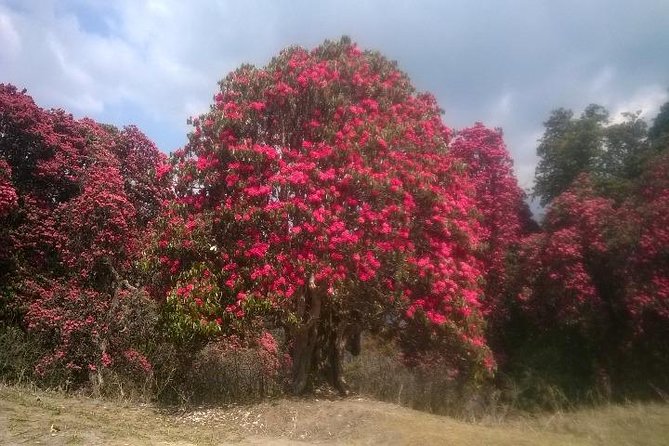
Rhododendron forest walking is a gift in Nepal trekking. It changes the feel of the day, gives you shaded sections, and keeps the trail interesting. The stone stairs also help you acclimate to footwork, because you learn how your legs handle repeated climbs.
If you want to feel good during later steep moments, this is a good day to practice breathing control and steady steps. Do not try to “win” the stairs.
Poon Hill sunrise: why this early morning is worth planning around
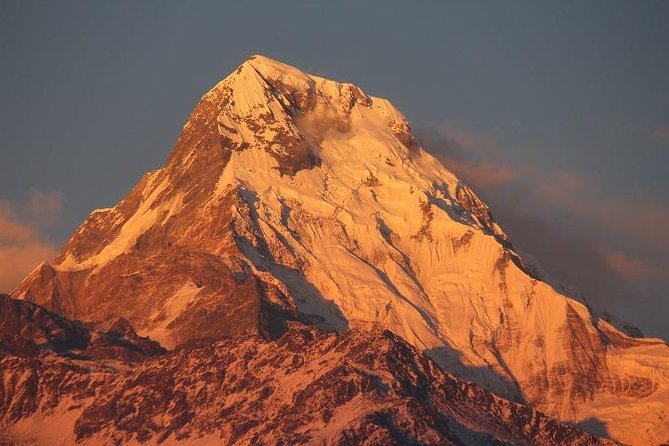
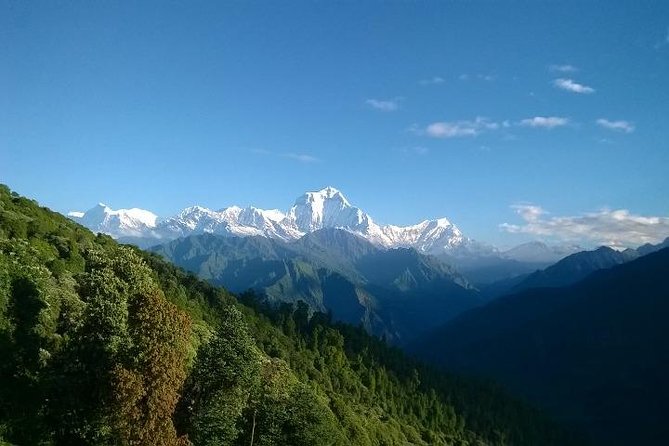
Day 4 is an early-morning ascent to Poon Hill for sunrise. The payoff is described as majestic sunrise over the Annapurna and Dhaulagiri ranges, plus named peaks including Nilgiri (7061m) and Lamjung Himal (6983m), among others.
This is one of the best uses of energy on the whole itinerary. Sunrise at Poon Hill is a moment you can build your trek around, and it sets expectations for the higher scenery later. Also, the early start means you get mountain views when light is crisp and shadows are dramatic.
Reality check: early mornings can be rough if you are sleeping lightly in a lodge setting. Pack layers and keep your morning routine simple so you can focus on the view, not your gear chaos.
Jhinu Danda hot spring: the recovery day you can actually enjoy
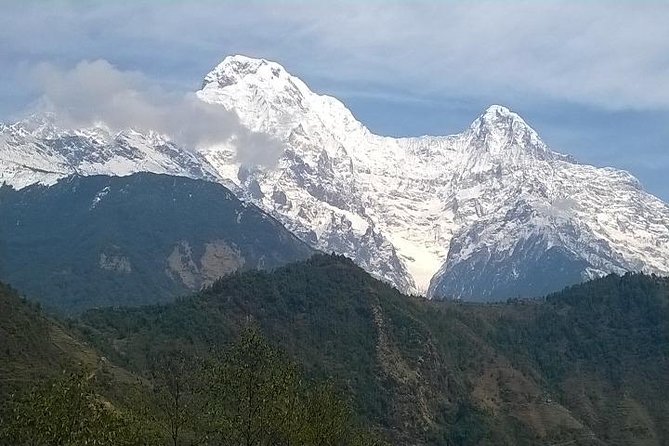
Day 5 follows an uphill and downhill forested trail, with another suspension bridge crossing over Kimrong Khola, then a reach to the hot spring at Jhinu Danda. The plan specifically mentions taking a short rest in the hot spring before continuing trekking.
This is not just a fun detour. Hot springs at this point of the itinerary help with the “my legs feel cooked” stage of a trek. It gives you a way to relax without skipping the day’s walking completely.
Then Day 6 continues the forest walking and starts shifting back toward higher terrain. The itinerary notes descending stone stairs, crossing Chhomrong Khola, and ascending to Sinuwa, followed by more walking sections.
In plain terms: Jhinu Danda is your built-in reset button, and it is scheduled at a point where a warm soak can make the next walk feel more manageable.
Day 7 and Day 8: Deurali to Machhapuchhre Base Camp, and the long view day
Day 7 includes an ascent to Deurali, walking along stone stairs, and reaching the picturesque Machhapuchhre Base Camp area at 3700m. The itinerary also notes following the moraines route, which means you are walking a more rugged, rock-and-gravel feeling terrain compared to forest paths.
The payoff here is twofold:
1) You get close-up mountain vibes near Machhapuchhre.
2) You practice high-walking rhythm before the trek’s higher focus.
Day 8 starts by descending to Machhapuchhre Base Camp through the moraine route. Then you follow trails of Modi Khola through rhododendron and fir forest.
This is the kind of day that rewards steady walkers. You are not just “going up” again. You are mixing descent with viewpoint time and forest corridors, which can feel easier on the body than constant climbing.
Day 9: Chhomrong climb back, and another warm dip at Jhinu Danda
Day 9 is a more complex day. You first ascend through an amusing forest to Sinuwa, then head down to Chhomrong Khola and ascend stone stairs to upper Chhomrong. Finally, you descend to Jhinu Danda for a warm dip in the natural hot spring area.
This day is valuable because it keeps you moving through familiar regions rather than feeling like you are just retreating the whole time. You are connecting the dots of earlier stages: forest, khola crossings, and stone stairs, then recovery.
The hot spring again matters because it gives you a real end-of-day reward. After a day with climbs and descents, it is easier to feel satisfied.
Day 10 and Day 11: Nayapul to Pokhara, then Pokhara back to Kathmandu
Day 10 is your trek descent to Nayapul, following trails of Modi Khola and enjoying the countryside views along the way. From Nayapul you drive back to Pokhara. The evening is open for you after that.
Day 11 is the final travel day. You leave Pokhara early by tourist bus back to Kathmandu, again with highway greenery and villages along the route.
This closing stretch is where people sometimes underestimate fatigue. Even though altitude is done, you may still feel “walk-sore.” If you can, plan light activities on the Kathmandu side after you arrive, so you do not turn the last day into another forced workout.
Lodging, meals, and the small comforts that keep you moving
The itinerary includes accommodation in guest-house style places during the trek, mainly twin sharing. That usually means simple rooms, basic amenities, and lots of early bed potential. If you prefer private rooms or stronger comfort standards, you will want to ask what options exist for your specific dates.
Meals are built in across most days: 10 breakfasts, 9 lunches, and 8 dinners. Food on trek days is not just fuel, it is morale. A predictable meal rhythm helps you manage pacing. Also, breakfast is listed as included more than lunch and dinner, which often lines up with early starts like the sunrise trek day.
One thing you should plan for: alcohol and drinks are not included, and laundry is not included. So if you like to unwind at night with a drink, set aside a personal budget.
Health and altitude support: the oxymeter is a real plus
This trek explicitly includes an oxymeter to check pulse and oxygen saturation and heart rate. That matters because altitude issues are not always dramatic at the start. A device-based check gives your guide a better chance to respond early, like slowing down or encouraging rest.
Also included are first aid medical kits. That does not remove the need for common sense (pace, hydration, rest), but it helps you feel the operation is prepared for basics.
If you get anxious easily about altitude, this is the kind of support that can lower the stress level. You will still need to listen to your body, but you will not be guessing in the dark.
Who this trek suits best, and who should reconsider
This experience is listed for people with moderate physical fitness. That means you should feel comfortable walking uphill and downhill for multiple days, including stone stair sections and longer trail days.
It is also private for your group, which can work well if:
- you want a structured schedule
- you prefer an English-speaking guide on your route
- you travel as a couple or small group and want smoother coordination
- you are not trying to do a DIY trek
I would reconsider if you:
- have very limited walking tolerance for long days
- hate early mornings and are unwilling to adjust your routine for sunrise planning
- need a fully guaranteed weather experience (the plan notes it requires good weather)
There is also a small lesson from the feedback you shared: guide quality can vary. One note in the supplied comments points to an unprofessional guide experience, while many others praise guides by name. So if guide assignment is important to you, ask who you will be trekking with and what their experience looks like, then make sure your expectations are aligned.
Should you book this Annapurna Base Camp trek?
I think this is a strong pick if you want a classic Annapurna Base Camp trek with real structure. The included gear, the licensed English-speaking guide, the permits, the core meals, and the health-focused oxymeter checks are a lot of value packed into one price. It also makes sense if you are arriving in Nepal and want the logistics taken care of, including transfers between Kathmandu and Pokhara.
I would only hold off or ask more questions if you are very sensitive to weather changes, or if you want extra comfort beyond simple guest-house lodging. Also confirm what you mean by personal trekking equipment, because that part is not included.
If you can handle an early start for sunrise and you want the timeless Annapurna experience, this is the sort of trek that rewards you quickly. You get your big mountain moments, plus hot spring recovery, without turning the whole trip into a gear rental scavenger hunt.
FAQ
What time does the tour start and where do we meet?
The experience starts at 6:15 am in Kathmandu, Nepal. It ends back at the meeting point.
How long is the Annapurna Base Camp trek?
The duration is listed as 11 days (approx.).
What trek gear is included, and what should I bring myself?
The package includes a down jacket, sleeping bag, and duffel bag. Personal trekking equipment is not included, so you should plan to bring what you need for daily walking based on your own packing checklist.
Is a guide included, and are permits covered?
Yes. You get a local government licensed English-speaking trekking guide during the trek, and all necessary trekking permits and entry fees are included.
What meals and accommodation are included?
Accommodation is provided in best available guest-house style places during the trek, mainly twin sharing. Meals included are 10 breakfasts, 9 lunches, and 8 dinners.
What happens if weather is bad or I need to cancel?
The experience requires good weather. If it is canceled due to poor weather, you will be offered a different date or a full refund. You can also cancel for a full refund if you cancel up to 24 hours in advance of the start time.
Lodge to Lodge Around Kathmandu
The Rest of Our Kathmandu Write Ups

Through the Sanctuary Gate
Everything else we have reviewed around Kathmandu
- 12 Days Everest Base Camp Trekking
★ 5.0 · 3 reviews - 1 Night 2 Days Chitwan Jungle Safari Tour from Pokhara or Kathmandu
★ 3.0 · 3 reviews - Thamel Rickshaw tour
★ 4.7 · 3 reviews - Kathmandu: Momo Making Class with a Local Chef
★ 5.0 · 3 reviews - Kathmandu: Full-Day Yoga, Body Massage and Pedicure Package
★ 5.0 · 3 reviews - From Kathmandu / Pokhara / Chitwan: River Rafting – 1 Day
★ 4.6 · 3 reviews
Annapurna Base Camp Treks worth a second look.
 ★ 5.0Annapurna base camp trek 5 DaysFrom $699252 reviews
 ★ 5.0Annapurna Base Camp TrekFrom $935111 reviews
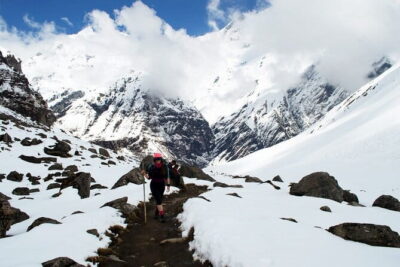 ★ 5.0Kathmandu to Annapurna Base Camp (ABC) 5-Day TrekFrom $99102 reviews
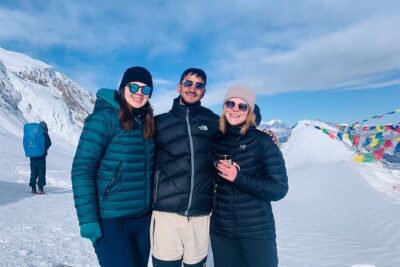 ★ 5.0Annapurna Base Camp Trek 12 DaysFrom $80085 reviews
★ 5.0Annapurna Base Camp TrekFrom $92580 reviews
★ 5.0Annapurna Base Camp Trek 12 DaysFrom $80085 reviews
★ 5.0Annapurna Base Camp TrekFrom $92580 reviews
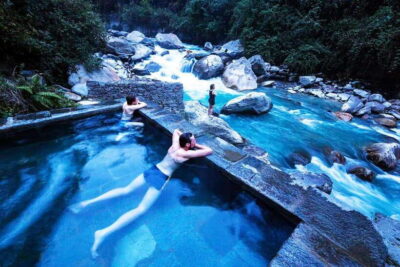 ★ 4.95-Day Annapurna Base Camp (ABC) TrekFrom $9672 reviews
★ 5.0Annapurna Base Camp TrekFrom $69959 reviews
★ 4.95-Day Annapurna Base Camp (ABC) TrekFrom $9672 reviews
★ 5.0Annapurna Base Camp TrekFrom $69959 reviews
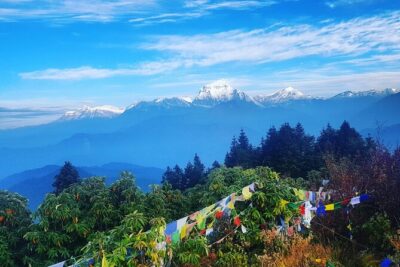 ★ 5.011-Day Hike Tour to Annapurna Base Camp Bliss in KathmanduFrom $1,30052 reviews
Lists this tour sits in