
REVIEW · ANNAPURNA BASE CAMP TREKS
Annapurna Base Camp Trek 12 Days
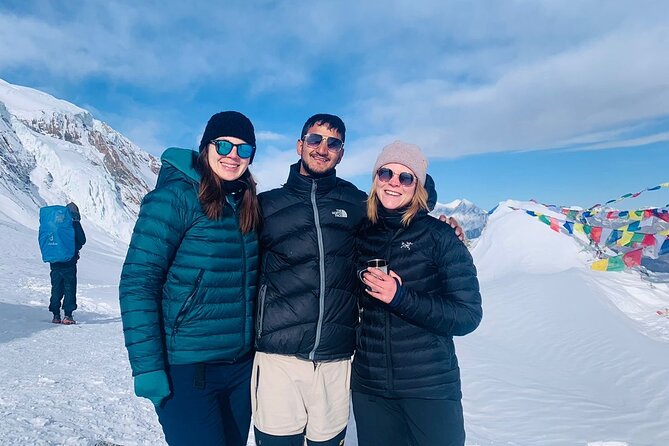
Wake up to Himalayan sunrises. This 12-day Annapurna Base Camp trek blends expert on-trail guidance with culture-focused stops among Gurung and Magar villages, and it’s built around smart pacing for a safer approach into higher country.
I also like that the trip handles the busy logistics for you, from airport pickup in Kathmandu to ground transport toward Pokhara and the trek start at Nayapul. One thing to keep in mind is that altitude can really start to matter later in the trek, especially once you’re above Dovan, so you will need to go slow when the trail asks for it.
In This Review
- Key Highlights Worth Your Attention
- First Stops in Thamel: Kathmandu Pickup and Trek Briefing
- Pokhara Lakeside Transfer: Why This Leg Sets the Tone
- Nayapul to Ulleri and Ghorepani: The Stair Climb That Matters
- Poon Hill Sunrise at 3,200m: The Best Return on Early Mornings
- Chhomrong Village in the Annapurna Corridor: Real Community, Not Just Pass-Through Views
- Chhomrong to Dovan and Deurali: When Altitude Starts Nudging Your Pace
- Deurali to Annapurna Base Camp: Safety Routing Near an Avalanche-Prone Zone
- Sunrise Return Toward Dovan: Getting Your Rhythm Back
- Sinuwa Hill Lodging Day: Forest Sounds, Waterfalls, and a Calm Finish
- Jhinu Hot Springs and the Pokhara Comeback: Your Final Reward
- What $799 Buys: Value in Permits, Meals, Lodges, and Guide Support
- Guides and Real-World Support: Dil, Arjun, Sudip, and Porter Help
- Fitness Reality Check: Moderate Means You Still Need Consistency
- Should You Book This Annapurna Base Camp Trek?
- FAQ
- Where does the trek start?
- How long is the Annapurna Base Camp trek?
- What is included for meals during the trek?
- Are permits included?
- Is airport pickup and drop-off included?
- Do I need a porter?
- Is this a private tour?
- What is the cancellation policy?
Key Highlights Worth Your Attention
- Kathmandu to Pokhara, handled for you with airport pickup/drop and a straightforward drive plan.
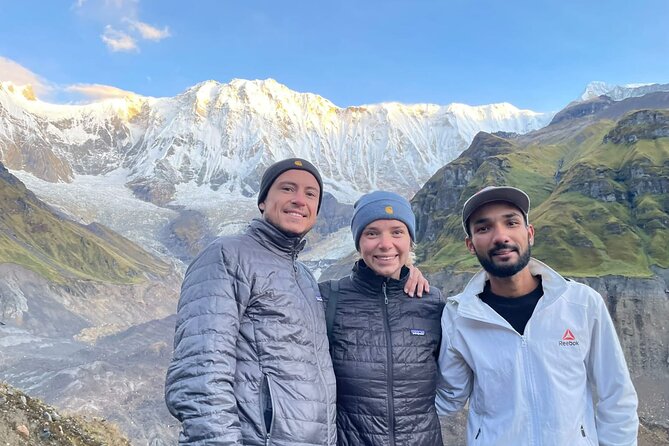
- Poon Hill sunrise with a short walk up to the viewpoint at about 3,200m for big peak views.
- Chhomrong in the Gurung corridor, including time in a real village setting rather than only passing through.
- Safety-minded routing near Annapurna Base Camp, including route changes across the Modi River depending on conditions.
- Support you can feel before you start, with named staff such as Dil Prasad Sapkota helping with customized planning and disruption fixes.
- Jhinu hot spring payoff on the final day, after trekking back toward Pokhara.
Other approaches to the Sanctuary gate
First Stops in Thamel: Kathmandu Pickup and Trek Briefing
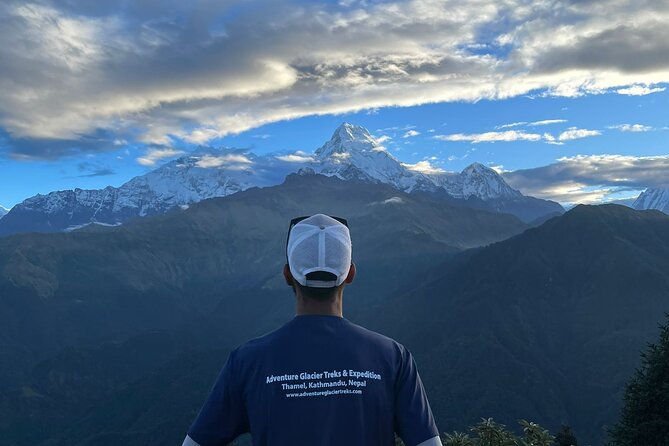
Your trip starts in Kathmandu at Tribhuvan International Airport, and you’ll meet an airport representative for pickup to your hotel. After you settle in, there’s a briefing so you can understand the trek rhythm before anyone starts counting your steps.
This first day is useful because it reduces uncertainty. You’re not trying to figure out permits, directions, or schedules after a travel day, and that mental load matters when you’re about to do 10 long trekking days.
Pokhara Lakeside Transfer: Why This Leg Sets the Tone
On Day 2, you travel from Kathmandu to Pokhara by tourist bus, usually departing around 7:00 a.m. The drive takes about 6 to 7 hours depending on road conditions, and once you arrive you get rest time at the hotel.
Pokhara is where the Annapurna trip shifts from city logistics into mountain logistics. You’ll likely feel the difference in pace immediately, and this is also where your mind starts focusing on the trek start at Nayapul the next day.
Nayapul to Ulleri and Ghorepani: The Stair Climb That Matters
Day 3 brings you into the trek via Nayapul. After breakfast, you head toward the hiking trail area in a private vehicle, and then the day becomes about getting your legs working on the Annapurna route.
Day 4 is the classic climb to Ulleri: about 3,000 stone steps that take roughly 2 hours. From there, you continue trekking toward Ghorepani, placing you in position for the best morning views later.
Consideration: those steps can feel like a lot if you start too fast. A steady pace beats a sprint, especially because this trek is not just about one steep day, it’s about keeping your energy for the whole 12 days.
Poon Hill Sunrise at 3,200m: The Best Return on Early Mornings
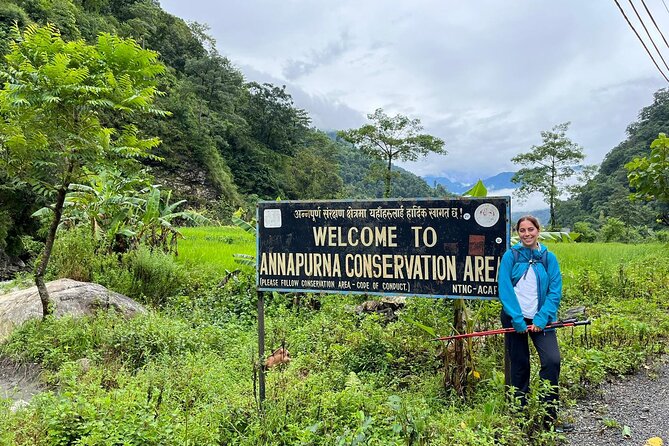
Day 5 is all about Poon Hill. After breakfast, you head out to reach the viewpoint at around 3,200m, with about a 50-minute walk to get there for sunrise.
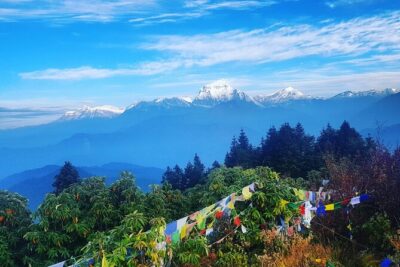
This is one of the most payoff-heavy parts of the itinerary because you’re chasing views of snow-capped peaks from a dedicated vantage point. The plan also notes that you can see around 15 different peaks from this spot, and that makes the early wake-up feel worth it.
Practical tip: if you want the best chance of clean visibility, be ready for an early start with your group and follow your guide’s timing. Sunrise viewpoints reward punctuality.
Other lodge to lodge routes near Kathmandu
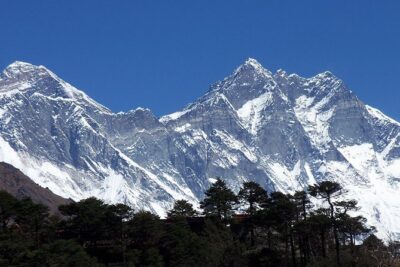
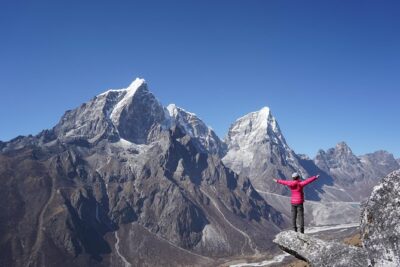
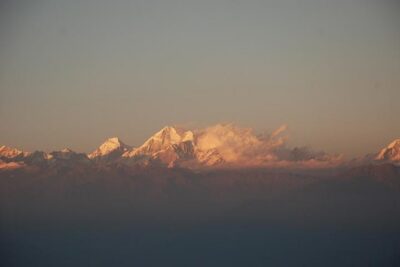
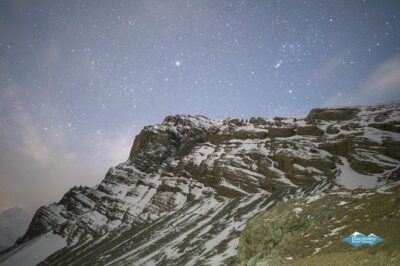
Chhomrong Village in the Annapurna Corridor: Real Community, Not Just Pass-Through Views
Day 6 takes you from Tadapani toward Chhomrong. You descend about 900 meters toward the Gurjung River valley, then gradually climb along the ridge to Chhomrong, a large Gurung village in the Annapurna region.
I like this segment because it’s where the trek starts feeling grounded in community. Instead of treating the trail like a single line from point A to point B, you get a sense of where people live, farm, and survive at altitude.
What to expect: ridge trekking can be steady work, but it’s also where you start seeing how the Annapurna sanctuary frames the mountains ahead.
Chhomrong to Dovan and Deurali: When Altitude Starts Nudging Your Pace
Day 7 shifts down and then up. You trek down Chhomrong Khola, then climb to Sinwa for about 3 hours, and from there the trail trends toward Annapurna Sanctuary at the foothills of Annapurna South and Fishtail.
Day 8 is where altitude becomes more than background. Above Dovan, the trek describes the effects of altitude as something you’ll feel, and the ascent to the next Himalayan hamlet is paced slowly over about 2 hours. The day is also described as peaceful, with lush green forest along the way.
This part is valuable because it builds in recovery logic. The itinerary is not pretending altitude is just another hill. It signals you to slow down, and that’s the kind of realism that helps you arrive ready for Base Camp, not wiped out beforehand.
Deurali to Annapurna Base Camp: Safety Routing Near an Avalanche-Prone Zone
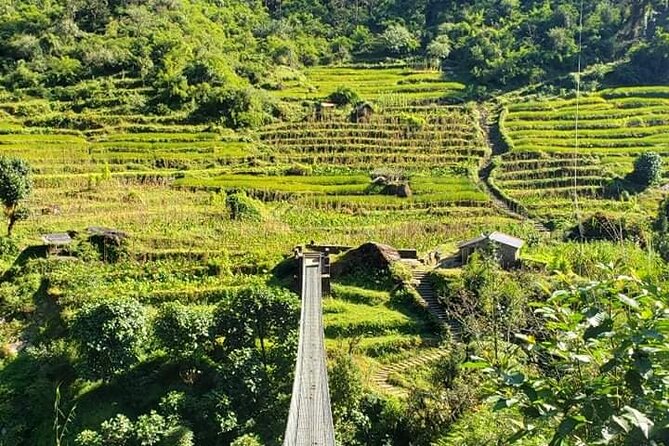
Day 9 is your Annapurna Base Camp day, with a critical detail built into the plan. The route from Deurali to Fishtail Base Camp is described as avalanche-prone, so the team changes the route across the Modi River depending on situation and season.
That single sentence matters more than it sounds. It’s a safety approach, not a guess, and it shows the trek is managed with conditions in mind instead of sticking to one rigid line no matter what.
The day also includes an estimated push time of about 2 hours to reach Fishtail Base Camp. You’ll likely feel the schedule as you get closer, since the final stretch toward Base Camp is both emotional and physically demanding.
Sunrise Return Toward Dovan: Getting Your Rhythm Back
After your Base Camp morning, Day 10 brings the return trek toward Doban. You watch sunrise over the Annapurnas, then hike back, with the first part possibly steep before it turns into more gradual downhill walking. Dovan is described as a river junction of two streams.
I like this day because it’s a balance of views and movement. It gives you one more peak moment without forcing you into a high-altitude ascent again immediately.
Sinuwa Hill Lodging Day: Forest Sounds, Waterfalls, and a Calm Finish
Day 11 follows a path along the river through peaceful forest, with sounds, birds, and waterfalls mentioned in the trek description. The hiking portion is described as an easy hike up toward Sinuwa Hill, and you overnight at a trekking lodge at Sinuwa.
This is a smart penultimate day. You’ve already done the big altitude work. Now you get to focus on steady walking, recovering a bit, and letting your body settle in before the hot spring reward on Day 12.
Jhinu Hot Springs and the Pokhara Comeback: Your Final Reward
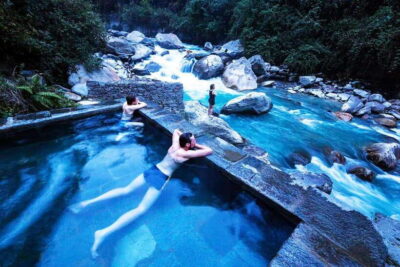
Day 12 is designed for a decompression ending. You trek about 2 hours to Jhinu, the natural hot spring, then spend some time bathing there and have lunch. After that, you drive back to Pokhara, or you may continue trekking further and then drive back, depending on your chosen pace.
The hot spring stop is the kind of finish that feels practical, not just scenic. After a week of walking on stone and steep trails, warm water time helps your legs feel less like rocks.
What $799 Buys: Value in Permits, Meals, Lodges, and Guide Support
At $799.00 per person for a 12-day trek, the value here is mostly about what’s included. You get lodge accommodations en route, three meals a day during the trekking portion (with tea or coffee), plus ground transportation. You’re also covered for permits and fees including ACAP and local permits.
The guide package is another big value lever. The trip includes a professional guide, plus the guide’s expenses, including their insurance and equipment. That reduces uncertainty for you and keeps the operation tied to safety and preparedness rather than just guiding-as-a-side-gig.
Also, pickup and drop off in Kathmandu are included, which is not a small thing. For many trekkers, the hardest part is not the hiking, it’s the handoffs and the places where plans usually fall apart.
What’s not included is typical but worth knowing: beverages, tips for the guide, your insurance, and personal expenses. Food in Kathmandu and Pokhara is not included except daily breakfast, and if you want a porter you would arrange that separately.
Guides and Real-World Support: Dil, Arjun, Sudip, and Porter Help
In the planning stage, the named support staff matter. Dil Prasad Sapkota is described as helping trekkers in the months leading up to the trek with advice and information, plus customized itineraries and document processing. There’s also an example of immediate problem-solving when weather canceled a flight to Pokhara, and the team still got the trek properly aligned.
On the trail, specific guide and porter names show up too. Arjun is mentioned as an experienced guide, and Krishna is mentioned as a porter who helped make the trek smoother. Sudip is noted for flexibility and friendly service, and Ram is described as a polite, helpful porter-guide for another Annapurna trek.
Why this matters to you: a guide who can adjust when conditions change helps you feel safer, and it usually also helps your day feel less stressful. For Annapurna Base Camp, where weather and routing can shift near the final approach, that practical flexibility is not a luxury.
Fitness Reality Check: Moderate Means You Still Need Consistency
The trek is listed for people with moderate physical fitness. That’s a good sign because it signals the goal is achievable without being an elite mountaineer, but you should still prepare for sustained walking and a few serious effort moments.
Here’s what the itinerary itself signals about effort:
- Day 4 includes roughly 3,000 stone steps to Ulleri.
- Day 7 includes a 3-hour climb to Sinwa after descending Chhomrong Khola.
- Day 8 explicitly slows you down due to altitude effects.
- Day 9 includes a Base Camp approach where route changes happen for safety.
So if you’re thinking about booking, plan on bringing a consistent pace into your preparation. You don’t need to be fast, you need to be steady.
Should You Book This Annapurna Base Camp Trek?
I think this is a strong choice if you want a well-organized ABC trip with permits, meals, lodge nights, and transport handled, plus a guide team that’s used to real disruptions. The itinerary is designed around sunrise viewpoints and community stops, and it also flags safety for the avalanche-prone zone near the final approach.
Book it if you like structured days, clear routing, and you’re comfortable with altitude creeping in during the later stages. Skip it only if you’re hoping for a totally stress-free hike with no physical challenge, because the stairs, climbs, and slow pacing at altitude are part of the deal.
FAQ
Where does the trek start?
The start meeting point is Tribhuvan Airport in Kathmandu, Nepal.
How long is the Annapurna Base Camp trek?
The duration is 12 days, approximately.
What is included for meals during the trek?
The tour includes three meals a day (breakfast, lunch, and dinner) with tea or coffee en route during the trekking portion.
Are permits included?
Yes. ACAP and local permits are included.
Is airport pickup and drop-off included?
Yes. Airport pick up and drop off in Kathmandu is included.
Do I need a porter?
A trekking porter is not included if you need one. You can arrange a porter separately.
Is this a private tour?
Yes. It is a private tour/activity, and only your group will participate.
What is the cancellation policy?
Free cancellation is available up to 24 hours in advance of the experience start time for a full refund. If you cancel less than 24 hours before the start time, the amount paid is not refunded.
Lodge to Lodge Around Kathmandu
The Rest of Our Kathmandu Write Ups

Through the Sanctuary Gate
Everything else we have reviewed around Kathmandu
- 12 Days Everest Base Camp Trekking
★ 5.0 · 3 reviews - 1 Night 2 Days Chitwan Jungle Safari Tour from Pokhara or Kathmandu
★ 3.0 · 3 reviews - Thamel Rickshaw tour
★ 4.7 · 3 reviews - Kathmandu: Momo Making Class with a Local Chef
★ 5.0 · 3 reviews - Kathmandu: Full-Day Yoga, Body Massage and Pedicure Package
★ 5.0 · 3 reviews - From Kathmandu / Pokhara / Chitwan: River Rafting – 1 Day
★ 4.6 · 3 reviews
Annapurna Base Camp Treks worth a second look.
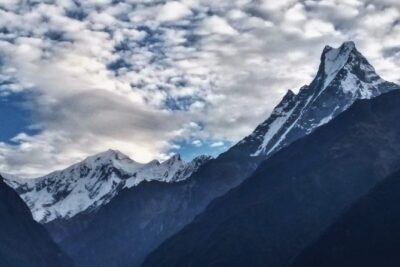 ★ 5.0Annapurna base camp trek 5 DaysFrom $699252 reviews
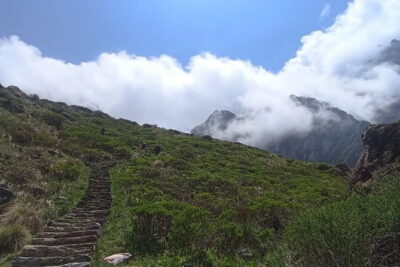 ★ 5.0Annapurna Base Camp TrekFrom $935111 reviews
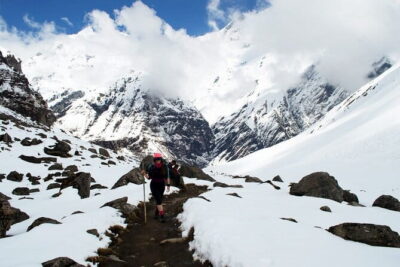 ★ 5.0Kathmandu to Annapurna Base Camp (ABC) 5-Day TrekFrom $99102 reviews
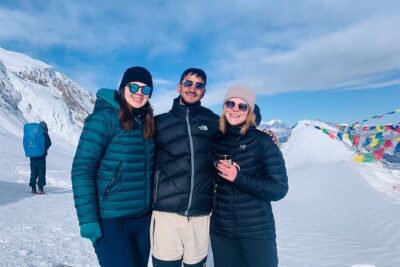 ★ 5.0Annapurna Base Camp Trek 12 DaysFrom $80085 reviews
★ 5.0Annapurna Base Camp TrekFrom $92580 reviews
★ 5.0Annapurna Base Camp Trek 12 DaysFrom $80085 reviews
★ 5.0Annapurna Base Camp TrekFrom $92580 reviews
 ★ 4.95-Day Annapurna Base Camp (ABC) TrekFrom $9672 reviews
★ 5.0Annapurna Base Camp TrekFrom $69959 reviews
★ 4.95-Day Annapurna Base Camp (ABC) TrekFrom $9672 reviews
★ 5.0Annapurna Base Camp TrekFrom $69959 reviews
 ★ 5.011-Day Hike Tour to Annapurna Base Camp Bliss in KathmanduFrom $1,30052 reviews
Lists this tour sits in