
REVIEW · ANNAPURNA BASE CAMP TREKS
Annapurna Base Camp Trek
A week of mud, mountains, and hot tea gets real fast. This short Annapurna Base Camp trek strings together Pokhara, Gurung villages, and big Himalayan views in a focused 11 days. You end at Annapurna Base Camp at 4,130 meters, then work your way back the same way.
I especially like the pacing and the support. You get a professionally trained, English-speaking trekking guide, plus an assistant guide and a porter system (one porter for two trekkers, max load 30 kg), so you can spend your energy on the trail. I also like that lodging and meals during the trek are handled (breakfast, lunch, dinner included), which removes a lot of decision fatigue.
One consideration: this is still a real climb at altitude. The route goes from lower elevations up into thin air, and the terrain includes steep steps, bamboo stretches, and rockier sections near Deurali, so you’ll want a moderate fitness baseline and a flexible attitude on slower days.
In This Review
- Key highlights to know before you go
- Kathmandu to Pokhara: a fast runway into the mountains
- Naya Pul to Jhinu Danda: the Modi River trek with real payoff
- Chhomrong, Siruwa, and Bamboo: classic trekking scenery with steep moments
- Dovan to Deurali: rhododendron, rockier air, and a route toward the high world
- Machhapuchhre Base Camp to Annapurna Base Camp at 4,130m
- The return: sunrise downhill via Bamboo and avalanche-prone areas
- Jhinu Danda hot springs, then down to Nayapul
- Pokhara Lakeside, Kathmandu Durbar Square, and a finishing day that feels human
- Price and logistics: what $906.67 buys you, and what you still need to plan
- Altitude and effort: the moderate fitness requirement is real
- Who should book this trek, and who should reconsider
- Should you book Annapurna Base Camp Short Trek?
- FAQ
- Where does the trek start and how do airport transfers work?
- How many days is the Annapurna Base Camp trek, and what is the highest altitude?
- What’s included in the trip price?
- Is a sleeping bag and down jacket provided?
- Is there time to see Kathmandu and Pokhara beyond the hikes?
- Can I cancel for a full refund?
Key highlights to know before you go
- Pokhara in one day: fly or transfer quickly after Kathmandu, so you start trekking with less downtime
- Hot springs stop at Jhinu Danda: natural springs for recovery after hard hiking legs
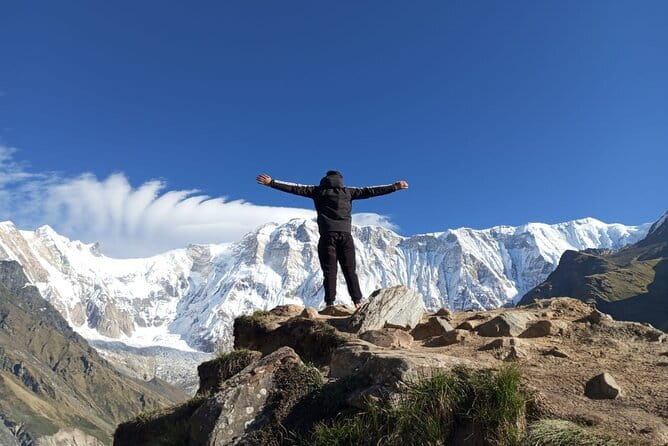
- Base Camp at 4,130m: overnight in one of the most dramatic high places in Nepal
- Machhapuchhre Base Camp views en route: Fishtail Mountain and multiple Annapurna peaks show up along the way
- Support that protects your energy: guide plus assistant and a porter team
- Permits included in the trip: TIMS and Annapurna Conservation Area fees are covered
Other approaches to the Sanctuary gate
Kathmandu to Pokhara: a fast runway into the mountains
Your trip starts in Kathmandu with an airport pickup and a drive to your hotel. You stay at Hotel Green Horizon, right in Thamel, which is handy because it keeps you close to food, gear shops, and the general flow of the city. After you’re checked in, you get your trekking briefing with your guide and a clear sense of what’s coming.
The next big move is Pokhara. You’ll head out for a scenic day, including stops along the way: a popular picnic spot in the Kathmandu Valley area and a spiritual temple where people believe wishes are granted. Then you continue to Pokhara, with time to settle in around Lakeside. If you’re the type who likes an easy first evening, this is a good setup. You can walk, stretch, and grab something simple without rushing.
What makes this start feel valuable is the sequencing. You’re not trekking on day one. You get a comfortable intro, then transition to the adventure hub of Nepal with enough time to reset before the trail asks for effort.
Naya Pul to Jhinu Danda: the Modi River trek with real payoff
On trekking day one, you begin near Naya Pul. It’s the standard launch point into the Annapurna region, and the drive there gives you that shift from city noise into river valleys. You’ll pass remote settlements, torrential rivers, and mountain views that start showing up more clearly as the drive continues.
Then comes Jhinu Danda, reached by following the Modi River corridor through villages and terraced paths. You move along flagstone steps near Tolga, and you’ll notice the mix of river rhythm and village life: bridges, religious monuments, and smaller settlements appear often enough to keep the walk from feeling empty.
The stop that people remember most here is the natural hot water spring at the base of the ridge. After you arrive at Jhinu Danda, you can explore the area and relax in the springs. This is not a fancy spa day, but it’s one of the best ways to help your legs recover, and it gives this trek a signature moment early on.
One practical note: you’ll be walking long hours, including uphill segments and stair-like sections. Even before base camp, your body learns the rhythm of Nepal footpaths.
Chhomrong, Siruwa, and Bamboo: classic trekking scenery with steep moments
Your next day builds upward. The trek starts with a climb through terraces, gaining height toward Chhomrong. Expect stone stair descents and climbs that make you pay attention to footing. The path also crosses the Chhomrong River and then climbs to a ridge above the Modi River, so the view improves as you work.
You’ll move through bamboo forests and terraced fields, passing through smaller settlements such as Siruwa. This is the section where the trail feels more alive underfoot. Bamboo is quiet, but it creates a different micro-world than the open ridges.
In the later part of the walk, you pass through Kuldighar, once associated with a sheep breeding project. It’s the kind of detail you only pick up when you’re moving slowly enough to notice what’s around you. After a long descent through rhododendron and bamboo forest, you reach the settlement of Bamboo.
You’ll likely push a bit further to the Bamboo Lodge area for the overnight. The route here can be steep in places, so it helps to keep your pace steady rather than sprinting early and burning out.
Dovan to Deurali: rhododendron, rockier air, and a route toward the high world
The trek day heading toward Annapurna Base Camp starts with a short segment, which is a smart design. You cross a stream and walk through rhododendron and oak forest with a gradual climb to Dovan. That forest section helps break up the work, and it’s a nice reset before the bigger altitude climb.
From Dovan, you move into a steeper day with sections that include waterfalls and changes in vegetation. You reach the Himalaya hotel area, and the trail opens up with strong views of the Modi River and surrounding terrain.
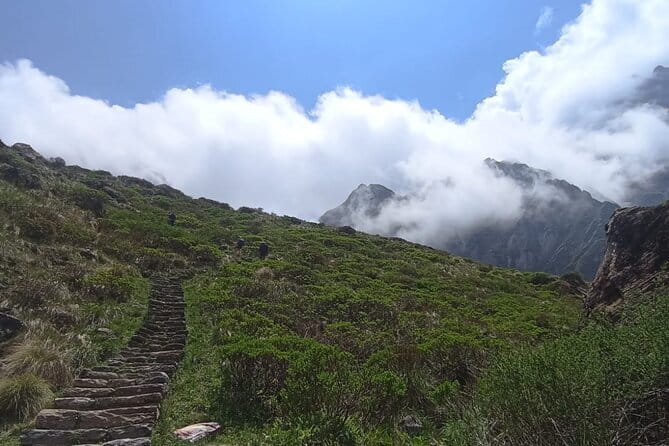
Near Hinku Cave, you’ll see Deurali village in the distance, and then you continue upward. As you climb, the vegetation becomes sparser and the trail gets rockier. This is the part where your breathing becomes the main conversation. Even if your legs feel okay, the altitude makes everything feel slightly harder.
You’ll arrive at Deurali after a walk that’s long enough to test endurance but structured enough that you’re not stuck guessing your way through the day.
Other lodge to lodge routes near Kathmandu
Machhapuchhre Base Camp to Annapurna Base Camp at 4,130m
This is the climax day. The route takes you toward Annapurna Base Camp via Machhapuchhre Base Camp, with Bagar on the way. The terrain is mixed, starting with a gentle climb and then becoming more strenuous as you approach the Machhapuchhre Base Camp area.
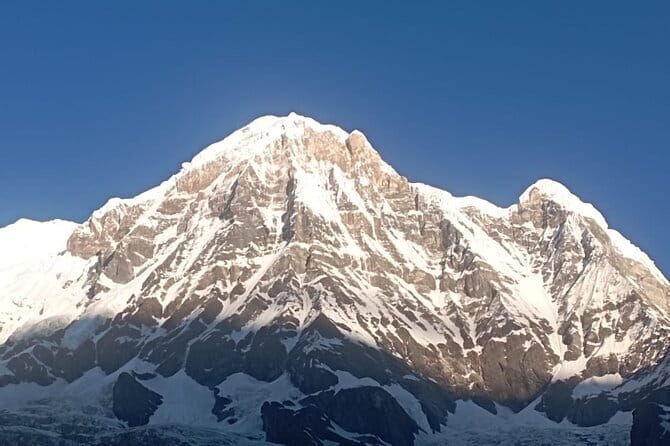
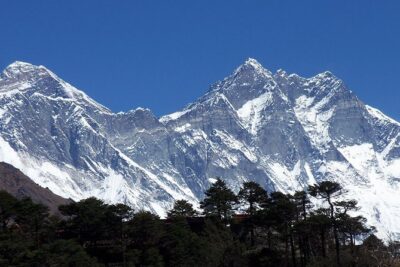
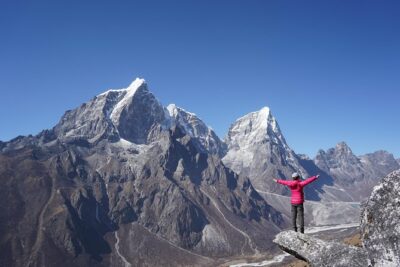
Once you reach the Machhapuchhre Base Camp stop, the views are the reward. You get sightlines toward Fishtail Mountain (Machhapuchhre), along with peaks including Hiuchuli, Annapurna South, Annapurna I, Annapurna III, Gagapurna, and others. The good part is that these views are not all saved for the final destination. You’re watching the mountains build all day.
After that, you branch away from the Modi River, where the vegetation becomes sparse and the trail widens as you turn toward the base camp itself. At Annapurna Base Camp, the scene shifts into something harder to describe with words. Towering Annapurna dominates your sightlines with nothing in the way, and you get an overnight in one of the most dramatic high places on earth.
I like that you’re not just passing through. Overnight time matters because it gives you a more complete sense of the location, rather than a quick photo and off you go. If your group enjoys quiet moments, this is where you’ll find them.
The return: sunrise downhill via Bamboo and avalanche-prone areas
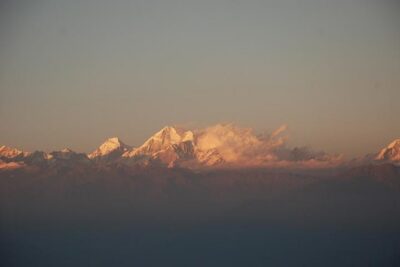
Day seven is a return, and it’s a good reminder that going back is not always easy, just different. You start with a beautiful sunrise over the Himalayas and then join the trail that follows the Modi River corridor more easily as the day trends downhill toward Bamboo.
You’ll pass areas described as prone to avalanche, plus Dovan and Deurali settlements, and you’ll move through rhododendron and bamboo forest again at lower elevations. Bridges show up too, including a wooden bridge along the route.
This day is valuable because it shows how much the Annapurna region rewards gentle continuity. If you’ve been climbing all week, a downhill day can feel like a gift. Still, watch your knees on long descents, because footpath steps can add up fast.
Jhinu Danda hot springs, then down to Nayapul
Your day eight trek retraces parts of the base camp approach but keeps enough variety to feel like you’re still traveling, not just repeating. You start with an uphill climb to Khuldighar, a village that includes a helipad.
From there, the trail continues with twisting turns toward Sinuwa, passing settlements like Tilche and Chhomrong. You’ll also cross bridges and walk steep stone steps. Further ahead, you reach Taulung village, where trails junction into routes toward Landruk, Tadhapani, and Kot Danda. It’s a useful reminder that this region is a hub of multiple trekking choices, not one single corridor.
Then you return to Jhinu Danda, where you can reach the natural hot spring spot again. This second hot-spring stop makes sense. After the tough high section, it’s recovery time, not just sightseeing.
Day nine continues the descent. You trek down from Jhinu Danda into the Modi Khola valley, moving via New Bridge. The trail includes stone stairways, hillside walking, farms with crops, and both wooden and suspension bridges. Traditional houses appear as you go lower, and the scenery feels broader as the valley opens up.
You end at Nayapool, which marks the end of the hiking part. It’s a satisfying feeling to watch the route narrow into the trailhead reality.
Pokhara Lakeside, Kathmandu Durbar Square, and a finishing day that feels human
After the trek, you shift back into city mode. On day ten, you drive back from the Pokhara valley to Kathmandu. The drive takes about 5 to 6 hours, and you’ll pass terraced fields, hills, and Himalayan views along the way, so it’s not a dead transfer day.
In Kathmandu, you return to your hotel and then have time to visit Kathmandu Durbar Square. It’s a strong cultural stop with stone-paved palace areas, plus busy streets in and around Thamel where you can shop for souvenirs.
This matters more than it sounds. When you’ve been on the trail, it helps to have one “anchor” cultural moment to reset your senses, and Durbar Square gives you that kind of energy without forcing a full-day schedule.
Finally, on day eleven, you’re transferred back to Tribhuvan International Airport. You’ll want to plan around the instruction to arrive at least three hours before your flight.
Price and logistics: what $906.67 buys you, and what you still need to plan
The price for this short Annapurna Base Camp trek is listed at $906.67 per person. That’s not pocket change, but it’s also not just a “guide walks with you” type of deal.
Here’s where the value comes from:
- Lodging and meals during the trek are included, with breakfast, lunch, and dinner covered. This is a big deal in the mountains, where choices can be limited and prices can be unpredictable.
- You get all trekking permits included, specifically TIMS and Annapurna Conservation Area fees.
- Transportation costs are included, including airport pickup and drop-off.
- You get a professionally trained, English-speaking guide, plus an assistant guide and a porter team (1 porter for 2 trekkers, max 30 kg).
- Trekking gear rentals are included for sleeping bags and down jackets.
- A farewell dinner is part of the package, which gives the trip a clean emotional wrap.
What you should budget separately:
- Visa fee to enter Nepal
- International flights and any extra baggage charges
- Meals in Pokhara and Kathmandu
- Travel insurance and any rescue operation costs
- Personal expenses
- Tips for guides and porters
My take on the value: if you’d otherwise have to coordinate permits, food, and a porter system on your own, the package is easier on your time and reduces risk. If you already have gear and travel insurance, the main extra costs you’ll still face are the visa, flights, and local meals.
Altitude and effort: the moderate fitness requirement is real
This is labeled for moderate physical fitness, which is encouraging, but you still need to respect the altitude and the trail style. You’ll be reaching Annapurna Base Camp at 4,130 meters, and the route includes steep sections, stairs, and rockier terrain as you near Deurali.
A big part of whether you love this trek or merely survive it is how you handle your pace. The trek includes both gentle segments and steep bursts, and you’ll want to keep walking steadily, even on days that feel too long.
The good news is your support system is designed to lighten your load. A porter handles up to 30 kg for two trekkers, and the trip also supplies key cold-weather items on rent.
Also, the group size is capped at 15 people. That smaller limit can help with day flow and communication, especially during briefing and transfer moments.
Who should book this trek, and who should reconsider
Book this if:
- you want a shorter, focused route to Annapurna Base Camp
- you like a clear support structure (guide, assistant, porter system, gear rental)
- you want a memorable high-altitude overnight and a recovery stop with Jhinu Danda hot springs
Consider reconsidering if:
- you are not comfortable with long hiking days at altitude
- you hate steep steps and rocky sections
- you need total flexibility on the route, because this program is set up as a defined multi-day path with included lodging and meals during the trek
Should you book Annapurna Base Camp Short Trek?
If you want the Annapurna Base Camp experience without a long expedition, this is a strong pick. The combination of base camp overnight at 4,130m, a route that passes through classic forest and village scenery, and the practical support system (guide, porter, meals, permits, gear rental) makes it feel efficient and well put together.
My decision rule: if you can handle steady walking for 6 to 12 hours a day and you’re willing to take altitude seriously, I’d book. If not, you might feel stressed more than inspired.
FAQ
Where does the trek start and how do airport transfers work?
The program starts at Nepal Mountain Trekkers in Kathmandu, and it includes airport pickup and drop service from Tribhuvan International Airport.
How many days is the Annapurna Base Camp trek, and what is the highest altitude?
It’s listed as about 11 days. The trek reaches Annapurna Base Camp at 4,130 meters above sea level.
What’s included in the trip price?
Included are 3 nights in Kathmandu, 2 nights in Pokhara, all lodging and foods during the trek (breakfast, lunch, dinner), transportation costs, trekking guides and porter support, trekking permits (TIMS and ACAP), a first aid medical box, sleeping bags and down jacket available on rent, VAT and service charge, and a farewell dinner.
Is a sleeping bag and down jacket provided?
Yes. Trekking gears like sleeping bags and down jackets are available on rent as part of the trip inclusions.
Is there time to see Kathmandu and Pokhara beyond the hikes?
Yes. You spend time in Pokhara around Lakeside, and later in Kathmandu you can visit Kathmandu Durbar Square and also do souvenir shopping around Thamel.
Can I cancel for a full refund?
Free cancellation is available up to 24 hours in advance of the experience start time for a full refund.
Lodge to Lodge Around Kathmandu


The Rest of Our Kathmandu Write Ups



Through the Sanctuary Gate
Everything else we have reviewed around Kathmandu
- 12 Days Everest Base Camp Trekking
★ 5.0 · 3 reviews - 1 Night 2 Days Chitwan Jungle Safari Tour from Pokhara or Kathmandu
★ 3.0 · 3 reviews - Thamel Rickshaw tour
★ 4.7 · 3 reviews - Kathmandu: Momo Making Class with a Local Chef
★ 5.0 · 3 reviews - Kathmandu: Full-Day Yoga, Body Massage and Pedicure Package
★ 5.0 · 3 reviews - From Kathmandu / Pokhara / Chitwan: River Rafting – 1 Day
★ 4.6 · 3 reviews
Annapurna Base Camp Treks worth a second look.
 ★ 5.0Annapurna base camp trek 5 DaysFrom $699252 reviews
 ★ 5.0Annapurna Base Camp TrekFrom $935111 reviews
 ★ 5.0Kathmandu to Annapurna Base Camp (ABC) 5-Day TrekFrom $99102 reviews
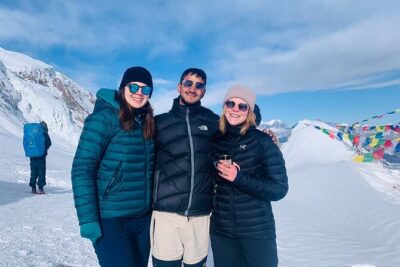 ★ 5.0Annapurna Base Camp Trek 12 DaysFrom $80085 reviews
★ 5.0Annapurna Base Camp TrekFrom $92580 reviews
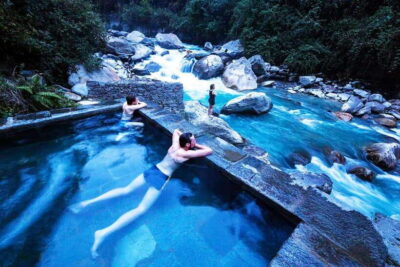 ★ 4.95-Day Annapurna Base Camp (ABC) TrekFrom $9672 reviews
★ 5.0Annapurna Base Camp TrekFrom $69959 reviews
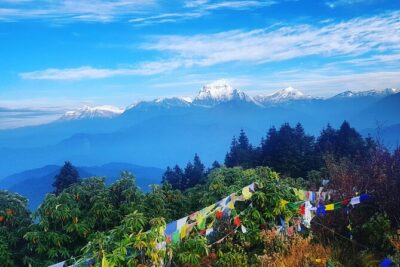 ★ 5.011-Day Hike Tour to Annapurna Base Camp Bliss in KathmanduFrom $1,30052 reviews
Lists this tour sits in