
REVIEW · ANNAPURNA BASE CAMP TREKS
Annapurna Base Camp Trek
You come for the peaks, stay for the calm plan. This Annapurna Base Camp trek pairs classic trail days with Poon Hill sunrise and hands-on local guide support.
I like that the route is paced for acclimatization, not just maximum mileage. You also get solid logistics like permits sorted out and trekking days structured so you can focus on walking and taking in the scenery.
Two things I really appreciate: Kathmandu pickup and two nights’ accommodation before and after, and meals plus trekking permits and fees included during the trek. That combination cuts stress when you’re tired, high up, and trying to keep your day simple.
One drawback to plan around: the trip starts early (6:15 am meeting time) and the hiking days often run 4 to 7 hours, so you do need moderate fitness and a willingness to go step by step.
In This Review
- Key highlights that make this ABC trek worth your attention
- From Thamel to Pokhara: starting without travel chaos
- Ulleri and Ghorepani: village trails with a steady climb
- Poon Hill sunrise to Tadapani: the morning that sells the whole trek
- Sinuwa and Deurali: getting used to higher ground the right way
- Annapurna Base Camp and Machapuchare Base Camp: the big goal day
- Descent via Sinuwa to Jhinu: recovery with natural hot springs
- Why the $700 price can be fair value, not just a number
- Guide and porter support: safety and confidence on the trail
- What to pack and how to manage meals at altitude
- Who this trek suits best, and who should think twice
- Should you book Touch The Himalaya’s Annapurna Base Camp Trek?
- FAQ
- Where is the meeting point for this Annapurna Base Camp trek?
- What time does the trek start?
- How long is the trek?
- Is airport pickup and drop included?
- Are trekking permits and fees included in the price?
- What meals are included during the trek?
- Can I buy food at tea houses during the trek?
- What languages are the guides able to support?
- What is the cancellation policy?
Key highlights that make this ABC trek worth your attention
- Local Annapurna-rooted guides who handle permits, safety checks, and acclimatization planning
- Poon Hill sunrise as a morning anchor, with a return to Ghorepani for breakfast
- A realistic uphill then “base camp day” rhythm, going from villages to Deurali and then on to Annapurna Base Camp
- Baggage support with a duffel bag, so you’re not hauling everything day to day
- Hot springs at Jhinu to give your legs a gentler landing after the descent
- A multilingual guide team option (English, Hindi, Chinese) with first-aid training
Other approaches to the Sanctuary gate
From Thamel to Pokhara: starting without travel chaos
Your trip starts in Thamel, Kathmandu, at 6:15 am. From there, you’ll head to Pokhara by tourist bus, car, or flight, with the typical drive taking about 7 hours and following the Trishuli River side for views along the way. If you’ve ever had a trek start with a messy schedule, you’ll value this start. The goal is simple, get you to Pokhara so your first walking day feels like day one, not day negative one.
Pokhara is also the mental reset. You’re out of Kathmandu traffic mode and into “tomorrow we hike” mode. And because the package includes pickup and drop plus two nights of Kathmandu accommodation before and after the trek, you’re less likely to lose time hunting for hotels or sorting airport transfers on your own.
This is also where the private-group style matters. It’s your group only, so your day-to-day tempo and logistics tend to stay consistent, instead of getting blended with other travelers’ needs.
Ulleri and Ghorepani: village trails with a steady climb
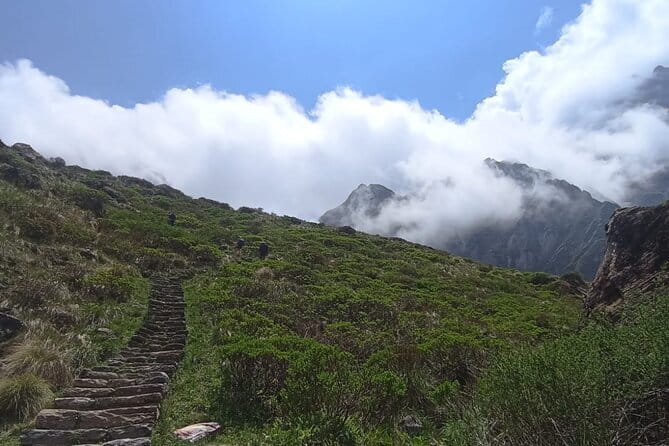
Day two begins with a drive from Kathmandu area toward Nayapul (about an hour), then your trek starts to Ulleri. The trail follows the Modi Khola River, passing through villages where you can slow down and notice daily life beyond the mountain photos. Ulleri to Ghorepani is the classic “forest plus climb” feeling, roughly 6 to 7 hours of walking, with lush forest stretches and improving views as you gain elevation.
Ghorepani is a smart base for the next morning. You’re not rushing straight into the highest point. Instead, you’re building altitude awareness gradually. That matters because altitude is not just about height, it’s about how your body handles each day’s effort.
Also, these are tea-house style trekking days. You can buy meals there if you want extras, and the trip includes breakfast, lunch, and dinner during the trek. So you’re not forced to guess at food options after a long walk. You can keep it simple and still enjoy the rhythm.
Poon Hill sunrise to Tadapani: the morning that sells the whole trek
Early on day four, you hike to Poon Hill for sunrise over the Annapurna and Dhaulagiri mountains. This is one of those moments that turns a long trek from effort into story. Even if you don’t care about sunrise as a concept, you’ll still appreciate how the payoff arrives before the hardest stretch of your day.
After the sunrise viewing, you return to Ghorepani for breakfast, then you start trekking toward Tadapani. The pacing here is practical. It prevents the classic beginner mistake of burning too much energy before breakfast, then fading on the later climb.
Tadapani is where the mood shifts slightly. The walking continues through scenic mountain terrain, and you’re moving deeper into the Annapurna region. You’re not at Base Camp yet, but you’re closer to that “real altitude trek” feel. This is also a day where you’ll want to keep snacks handy. The trip guidance suggests carrying light snacks and chocolate for energy on long days. That’s the kind of simple advice that makes a real difference when your legs are doing the work but your appetite lags.
Sinuwa and Deurali: getting used to higher ground the right way
Days five and six move you upward with steady effort. From Tadapani to Sinuwa takes about 6 to 7 hours, with a descent through lush forest sections and village traverses along the way. It sounds like a break, but it often works as an acclimatization tool. When you’re descending, your body can recover while you still spend meaningful time at elevation.
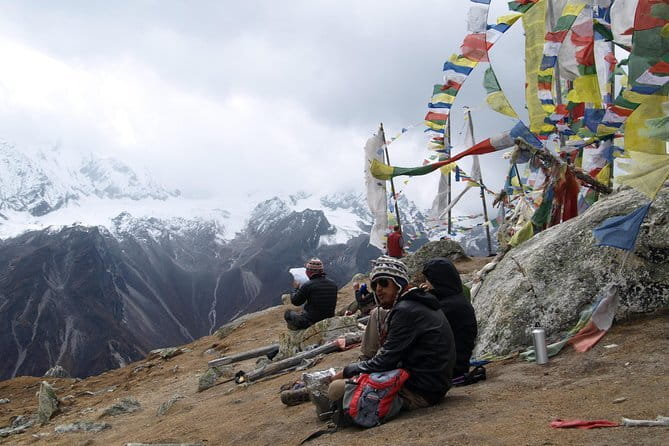
Then you head from Sinuwa to Deurali, about 5 to 6 hours. As you approach Deurali, the terrain turns more rugged. The route also includes crossing the Khumbu Glacier. Even if you’re not fixated on glacier details, you’ll feel it in the texture of the trail and the way the environment opens up around you. Days like this are where experienced guides matter most, not for drama, but for safety and timing.
A key point here is acclimatization management. The trip description emphasizes that the local guide team carefully manages high-altitude conditions and helps with proper acclimatization. That isn’t just marketing. On ABC routes, comfort and pacing are the difference between a “tough but doable” day and a day you dread.
Other lodge to lodge routes near Kathmandu
Annapurna Base Camp and Machapuchare Base Camp: the big goal day
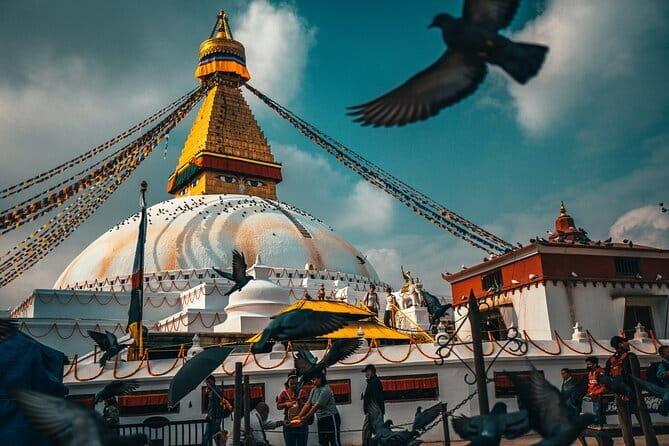
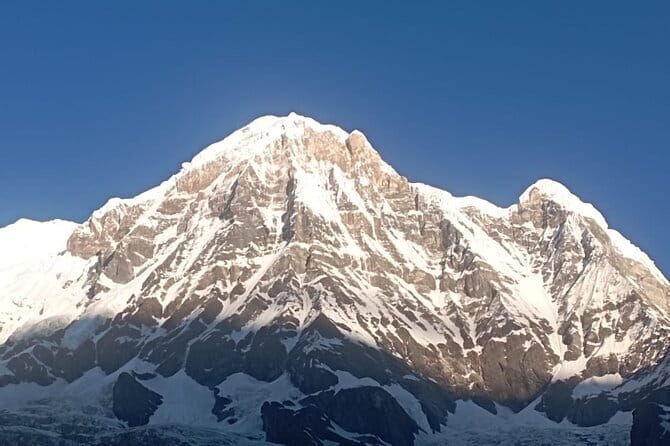
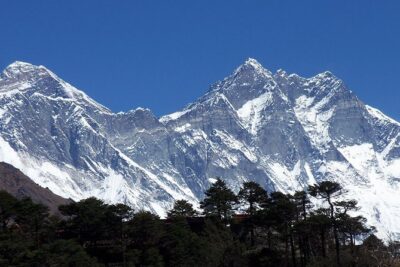
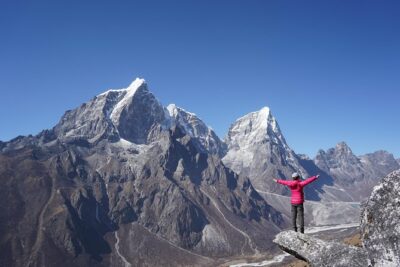
Day seven is the main event: trekking from Deurali to Annapurna Base Camp, roughly 6 to 7 hours. You’ll pass through Machapuchare Base Camp along the way. That matters because you’re not only walking toward a single point. You’re moving through a sequence of mountain viewpoints that feel like chapters.
Expect the final approach to feel both longer and more emotional than the clock suggests. The air tends to feel thinner. Your body starts working harder for the same steps. And yet, the payoff is why people choose ABC in the first place.
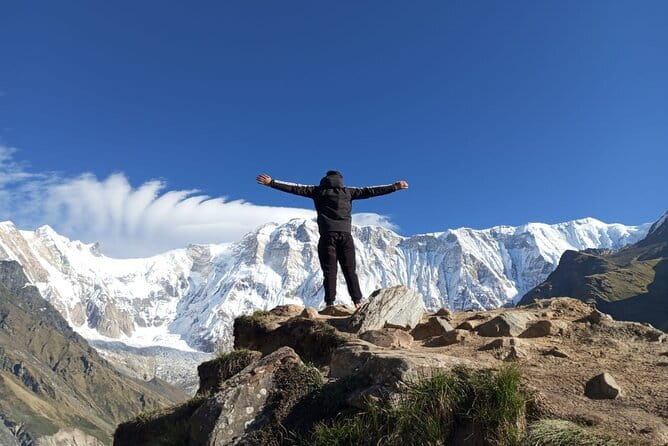
When you reach Annapurna Base Camp, you’re standing at the kind of location you’ll remember even if you never take a single photo. It’s the scale of the amphitheater around you, and the sense that you earned the view with patience and sweat.
I also like that the return plan sets up a smart recovery. The next day is not another conquest. It’s descent.
Descent via Sinuwa to Jhinu: recovery with natural hot springs

On day eight, you trek back down from Annapurna Base Camp to Sinuwa, again about 6 to 7 hours. Descents can be rough on knees and ankles, even when the elevation is dropping. A slow, steady approach wins here, and this is where your guide’s pace guidance can save your legs for the final days.
Day nine brings another segment of walking, from Sinuwa to Jhinu (about 5 to 6 hours). Then you get a reward: hot springs near Jhinu. This part is not a gimmick. Hot springs can help you feel more human after days of pounding downhill. After that, you return to Pokhara by drive for about 1 to 2 hours.
If you’re the type who worries about ending a trek feeling wrecked, this is one of the better finishing sequences you can pick. It gives you a decompression moment instead of just jumping straight into travel.
Why the $700 price can be fair value, not just a number
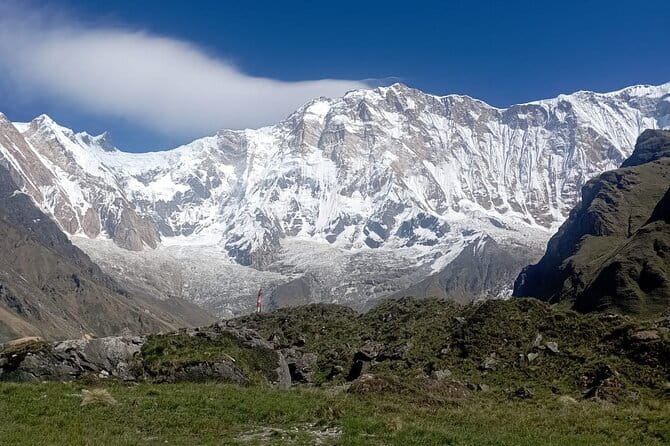
$700 for about 10 days can sound low, can sound high, depending on what’s included. Here’s the practical way to judge it: the cost covers a lot of the “hidden costs” that wreck budgets on your own.
Inclusions that matter for value include:
- airport pickup and drop, plus two nights’ accommodation in Kathmandu before and after
- breakfast, lunch, and dinner during the trek
- trekking permits and fees handled as part of the package
- guide and porter costs, including insurance, equipment, transport, food, and accommodation
- first aid support and a basic first-aid kit carried by the guide
- a duffel bag for trekking logistics, returned after the trip
For you, the value isn’t only about money. It’s about decision fatigue. You’re not trying to figure out permits or hunting for meals at odd times. You’re not managing every transition with local travel agents. And you’re not carrying everything yourself because porter support is built into the plan.
One note on spending: tips for guides and porters are not included. That’s normal in trekking culture, but you should set aside cash so you’re not scrambling at the end when you’re tired.
Guide and porter support: safety and confidence on the trail
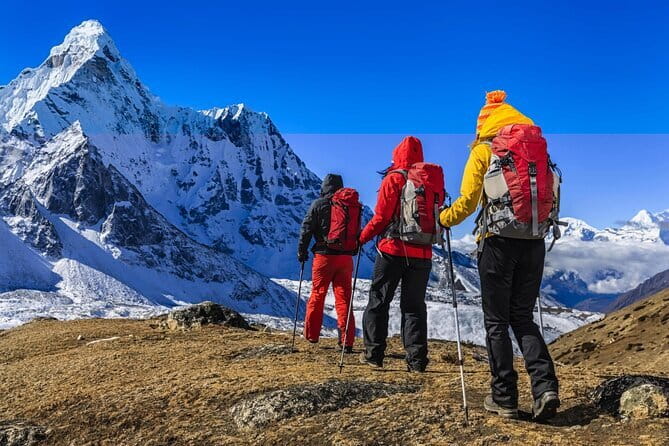
The strongest praise in the feedback centers on the people. Names that come up clearly include Mr Madan Neupane as a key organizer and points of contact, and guides like Rishi and Roshan Pandey. Porters Arjun and Ganesh are also mentioned for helping with baggage transfers.
That matters because on ABC, the technical part is only part of the challenge. The rest is human logistics at altitude. A good guide helps you:
- manage pacing, especially when the climb feels steep or slow
- handle acclimatization questions before they turn into problems
- keep permits and daily routing in order
- stay calm when weather or energy levels shift
If you trek solo, this becomes even more important. One solo woman trek story specifically highlights feeling safe because Mr Madan was available to answer questions, and her guide Rishi took good care of her. Even if you’re not traveling alone, that availability is a comfort feature.
Language support is also part of the value. The guide is listed as English, Hindi, Chinese government-licensed and first aid trained, which can make the experience smoother if you’re more comfortable in one of those languages.
What to pack and how to manage meals at altitude
The basics are straightforward, and the trip guidance matches what you’d want for comfort:
- bring water bottles, sunglasses, and a charger
- carry light snacks and chocolate for long days
Food is a practical topic on ABC. The trek includes breakfast, lunch, and dinner during the trek, but you can also buy meals in tea houses. This gives you flexibility. If you’re hungry at a moment when your included meal timing feels off, tea houses give you a safety net. If you’re not hungry, you can keep it simple and not force food.
About carrying weight: duffel bag support helps. You can keep your day-to-day essentials manageable while porters handle other items, with the duffel bag returned after trip completion. That’s one of the ways trekking companies reduce the risk of you overpacking just because you’re unsure what you’ll need.
Also, bring the mental gear. Tea-house trekking is not about luxury. It’s about steady comfort, warm layers, and drinking water consistently.
Who this trek suits best, and who should think twice
This is built for people with moderate physical fitness. The walking hours listed across the route, often 4 to 7 hours, mean you need basic stamina and willingness to work at a pace that sometimes feels slow.
You’ll likely love this trek if:
- you want a classic Annapurna route with Poon Hill included
- you like clear planning and hands-on guide support
- you prefer not to manage permits, logistics, and transfers yourself
- you want hot springs at the end instead of just a hard stop
You might think twice if:
- you expect an easy stroll with little elevation effort
- you hate early mornings, since the meeting time is 6:15 am and Poon Hill sunrise is early
- you want total independence with no structured support
Because it’s a private tour/activity, the group experience depends on who’s in your group. If you’re traveling with people who match your pace and attitude, it’s a great setup.
Should you book Touch The Himalaya’s Annapurna Base Camp Trek?
Yes, you should strongly consider booking it if you want the ABC experience with a local team handling permits, safety, and the hard-to-manage logistics. The biggest proof points are the repeated mentions of responsive organization by Mr Madan Neupane, and caring trail support from guides like Rishi and Roshan Pandey, with porters such as Arjun and Ganesh mentioned for practical help.
Go for it if you value value for money through inclusions like meals, permits, guide and porter support, and Kathmandu transfers. You’ll also appreciate the thoughtful route flow, sunrise at Poon Hill, then the steady push through Deurali to Base Camp, and a descent that ends with Jhinu hot springs.
If you’re sensitive to early starts or you’re still building hiking fitness, use that as your checklist before you commit. With moderate fitness and realistic expectations, this trek has the structure that turns effort into an unforgettable mountain week.
FAQ
Where is the meeting point for this Annapurna Base Camp trek?
The start meeting point is Thamel, Kathmandu 44600, Nepal.
What time does the trek start?
The start time is 6:15 am.
How long is the trek?
It lasts 10 days approximately.
Is airport pickup and drop included?
Yes. Airport pickup and drop are included, along with two nights’ accommodation in Kathmandu before and after the trek.
Are trekking permits and fees included in the price?
Yes. All necessary trekking permits and fees are included.
What meals are included during the trek?
Breakfast, lunch, and dinner are included during the trek.
Can I buy food at tea houses during the trek?
Yes. You can buy meals in the tea houses during the trek if you want.
What languages are the guides able to support?
The guide is listed as English, Hindi, and Chinese government-licensed, and first aid trained.
What is the cancellation policy?
You can cancel up to 3 days in advance of the experience for a full refund, and cancellations within 3 days are not refunded.
Lodge to Lodge Around Kathmandu


The Rest of Our Kathmandu Write Ups



Through the Sanctuary Gate
Everything else we have reviewed around Kathmandu
- 12 Days Everest Base Camp Trekking
★ 5.0 · 3 reviews - 1 Night 2 Days Chitwan Jungle Safari Tour from Pokhara or Kathmandu
★ 3.0 · 3 reviews - Thamel Rickshaw tour
★ 4.7 · 3 reviews - Kathmandu: Momo Making Class with a Local Chef
★ 5.0 · 3 reviews - Kathmandu: Full-Day Yoga, Body Massage and Pedicure Package
★ 5.0 · 3 reviews - From Kathmandu / Pokhara / Chitwan: River Rafting – 1 Day
★ 4.6 · 3 reviews
Annapurna Base Camp Treks worth a second look.
 ★ 5.0Annapurna base camp trek 5 DaysFrom $699252 reviews
 ★ 5.0Annapurna Base Camp TrekFrom $935111 reviews
 ★ 5.0Kathmandu to Annapurna Base Camp (ABC) 5-Day TrekFrom $99102 reviews
 ★ 5.0Annapurna Base Camp Trek 12 DaysFrom $80085 reviews
★ 5.0Annapurna Base Camp TrekFrom $92580 reviews
 ★ 4.95-Day Annapurna Base Camp (ABC) TrekFrom $9672 reviews
★ 5.0Annapurna Base Camp TrekFrom $69959 reviews
 ★ 5.011-Day Hike Tour to Annapurna Base Camp Bliss in KathmanduFrom $1,30052 reviews
Lists this tour sits in