
REVIEW · ANNAPURNA BASE CAMP TREKS
Annapurna Base Camp Trek
That first step into the Himalaya is magical. This Annapurna Base Camp trek is built for comfort and good flow, with an experienced English-speaking trekking guide and organized transfers plus permits taking the guesswork out of the trip. One watch-out: hot showers are not included during the trek, and you’ll still need to budget for visa, insurance, and staff tips.
I like how the route climbs in stages, so the day-to-day work feels earned, not rushed. You also get full-board meals during the trek, plus Kathmandu and Pokhara hotel nights with breakfast, which helps you start and end the adventure with less stress.
In This Review
- Key highlights you should care about
- Entering Annapurna Base Camp without the logistical headache
- Kathmandu to Pokhara: the long drive that sets your rhythm
- Ghandruk, Sinuwa, and Deurali: altitude building in human-sized days
- Day 3: Ghandruk to the trail climb
- Day 4: Sinuwa, bamboo and steady uphill work
- Day 5: Deurali at 3,200 m
- Reaching Annapurna Base Camp at 4,130 m
- Base camp time, then the long descent to Bamboo
- Jhinu Danda: finishing the trek with lower altitude comfort
- Back to Pokhara, then Kathmandu, with less trekking stress
- What you are really paying for: value of $240 and what’s missing
- Included that reduces your trip costs
- What costs extra, and why you should plan for it now
- Teahouses, meals, and why they matter more than you expect
- The human side: why this operator’s organization gets praised
- Who should book this trek, and who should think twice
- Should you book this Annapurna Base Camp trek?
- FAQ
- What is the highest altitude on this trek?
- What meals are included during the trek?
- Are airport transfers and hotel stays included?
- Do I need to arrange permits and TIMS?
- Are hot showers included during the trek?
- What is not included in the price?
Key highlights you should care about
- Licensed guide and porter support: English-speaking, government-licensed guidance, plus a porter setup of 1 porter for 2 trekkers.
- Permits handled: Annapurna Conservation Area Permit (ACAP) and TIMS card are included.
- Realistic daily pacing: you gain altitude day by day, reaching the base camp area and then descending through lower zones like Bamboo and Jhinu Danda.
- Comfort-first start and finish: 3-star hotels in Kathmandu and Pokhara (with breakfast) bookend the trek.
- Included food during trekking days: breakfast, lunch, and dinner during the trek, with tea/coffee along the way.
- Clear extras to plan for: hot shower during the trek is excluded, and tips, visa, and travel insurance are not included.
Other approaches to the Sanctuary gate
Entering Annapurna Base Camp without the logistical headache
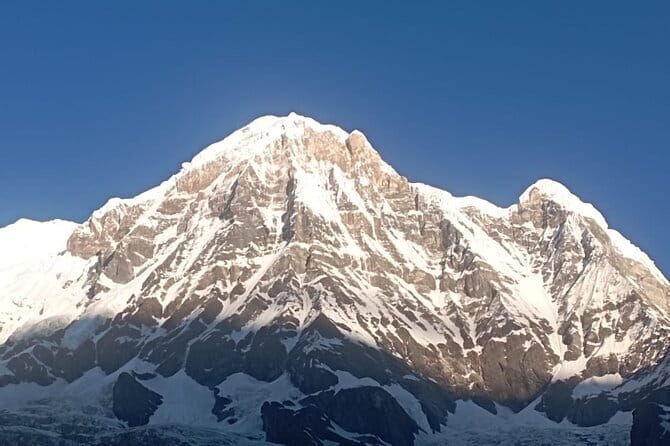
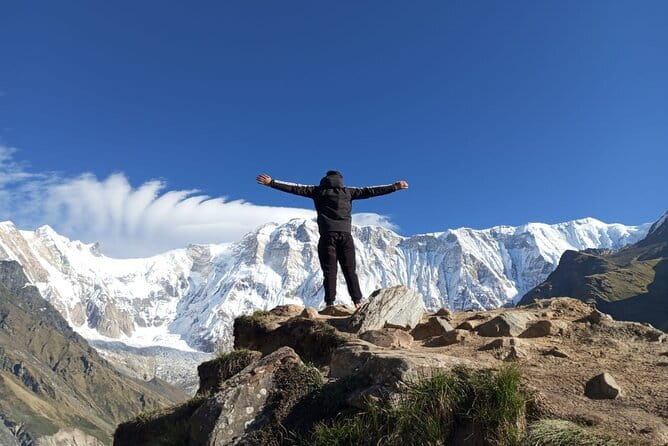
Annapurna Base Camp sits at the end of a classic trekking route, where views of Annapurna and Machhapuchhre can take your breath away in more ways than one. The appeal here is that you are not only buying a walking experience. You are also buying a system: airport transfer in Kathmandu, drives to and from Pokhara, permits, a trekking guide, and porter help.
The practical win is simple. When you have a trained, English-speaking guide and a team already set up, your job is mostly walking, eating, and adjusting. That matters on a trek where the days add up, and where weather and trail conditions can change your timing.
I also appreciate the “comfort-minded” structure. You sleep in teahouses during the trek, but you also get 3-star hotels in Kathmandu and Pokhara and included meals during trekking days. That reduces the usual pressure of trekking logistics, like hunting for acceptable food or trying to figure out where you will sleep each night.
Kathmandu to Pokhara: the long drive that sets your rhythm
Your trip begins at Tribhuvan International Airport in Kathmandu, with an airport representative and a transfer to your hotel. After breakfast, the next big move is a scenic drive to Pokhara, about 200 km and typically 7 to 8 hours.
This drive is not just transportation. It is your first chance to get used to Nepal’s pace and road conditions, and it gives you a day to reset before the trek work begins. If you get motion-sick easily, it is worth going into this leg prepared, because the drive is long.
Pokhara then becomes your launchpad. The itinerary keeps things efficient, with another ride back to Kathmandu near the end of the trek. That means you are not repeatedly switching between big cities and trailheads. You have a base, then you go mountain-side, then you come back.
Ghandruk, Sinuwa, and Deurali: altitude building in human-sized days
The trek proper starts after a short drive to the trailhead area near Nayapul. From there, you move through several villages and staging zones that gradually change the feel of the air and the views.
Day 3: Ghandruk to the trail climb
After the drive from the Nayapul area, you trek about 5 km for roughly 3 to 4 hours, reaching Ghandruk at about 1,940 m. Even though the distance looks manageable, this is your first real mountain day, and it usually sets how your body will respond to later altitude.
Ghandruk matters because it is a village stop that helps you transition from road life into trekking life. You’ll be moving on trail for hours, and you’ll get into the rhythm of teahouse meals and early evenings.
Other lodge to lodge routes near Kathmandu
Day 4: Sinuwa, bamboo and steady uphill work
Day 4 includes a longer trekking day, about 12 km over 6 to 7 hours, reaching Sinuwa at around 2,340 m. The climb here is a working day, not a sightseeing stroll, and it is where you start to feel the difference between “walking in altitude” and “walking near altitude.”
One benefit of this structure is that it avoids the kind of sudden jump that can hit people hard. You gain height, but you also get nights in intermediate zones, which makes acclimatization feel less abrupt.
Day 5: Deurali at 3,200 m
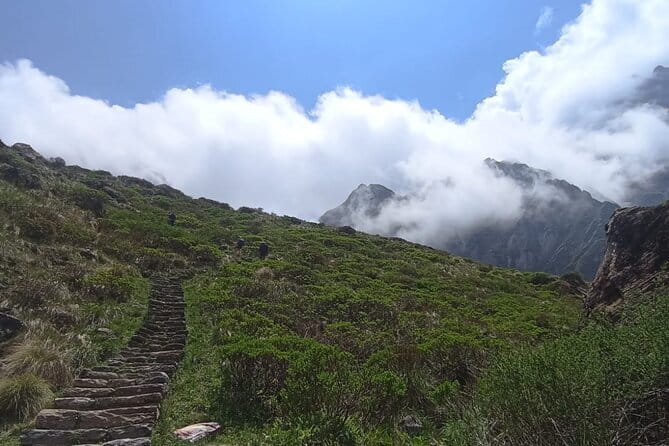
The next day brings a climb toward Deurali, about 10 km over 6 to 7 hours, topping around 3,200 m. The trek description specifically notes lush bamboo forests during this portion. That kind of vegetation can make early hiking cooler and more comfortable, and it often means the trail has a different feel than the higher, more exposed stretches.
The key thing to understand is that Deurali is a big psychological moment. You are heading closer to the base camp altitude, so this is where careful pacing really counts. If you push too hard early, later days feel harder.
Reaching Annapurna Base Camp at 4,130 m
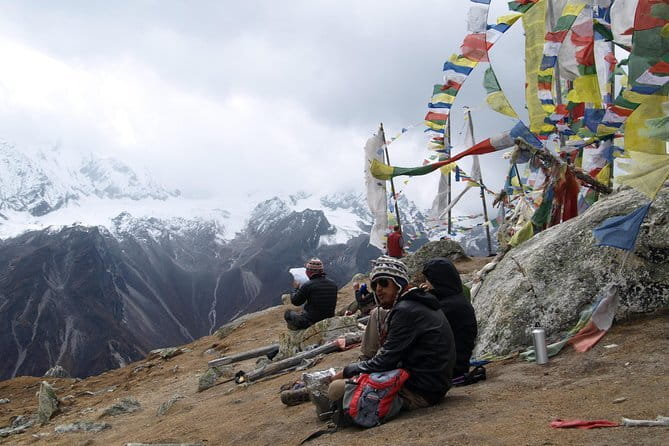
This is the day you came for. Day 6 treks about 9 km over 6 to 7 hours to Annapurna Base Camp, reaching about 4,130 m.
At this altitude, conditions can turn fast. Even if the route is well organized, the mountain still controls some of the schedule: cloud cover, wind, and trail pace can change what the day feels like. The upside is that the trip includes the things you need to handle the approach. You have an experienced guide, permits already arranged, and full-board meals during the trekking days.
What I like about this day is how it sits in the overall plan. You did intermediate stops first, so the base camp day feels like a finish, not a shock. Also, the itinerary includes more than one day connected to base camp and the surrounding lower areas, which means you get time for the emotional payoff of reaching the top and then beginning the next phase.
Base camp time, then the long descent to Bamboo
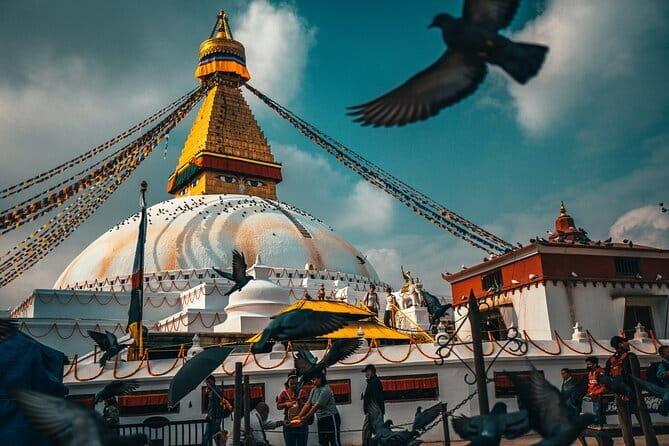
Day 7 is built around Annapurna Base Camp again, with an afternoon focused on descent. You trek about 13 km over 6 to 7 hours, and the day ends around Bamboo at roughly 2,310 m.
This is one of the most important practical parts of any trek. Everyone remembers the thrill of the climb. Fewer people think about the knees and the legs on the way down, especially after reaching a high point. Because Day 7 is a longer trekking day, good footwear and careful downhill steps matter.
The itinerary’s design helps, though. You get the emotional highlight at base camp, then you come down to a lower altitude for the next night. Bamboo at around 2,310 m is a sensible target because it gives you a recovery zone before the next descent day.
Jhinu Danda: finishing the trek with lower altitude comfort
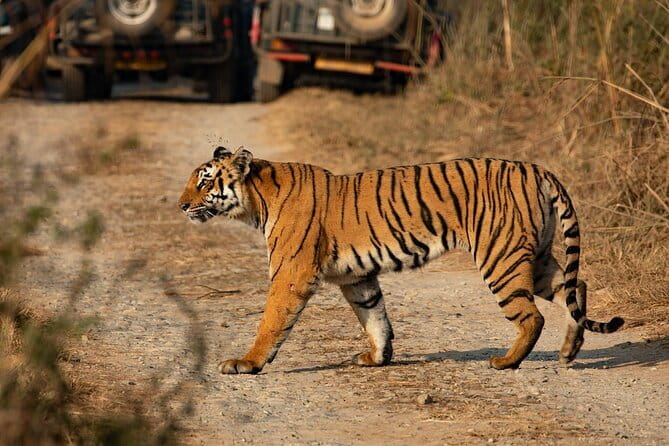
Day 8 takes you from Bamboo to Jhinu Danda. It is about an 11 km trek for roughly 5 to 6 hours, dropping to about 1,780 m.
This is the kind of day where the scenery often helps you forget the grind. After the higher altitudes, the air feels easier, and your pace tends to feel more normal. It also sets you up for a shorter final trekking segment the next day.
Day 8 also benefits from the way the trip is paced overall. You are not doing another huge altitude push after base camp. Instead, you are letting the trek shift from altitude work into endurance and leg management, which is exactly what you want at this stage.
Back to Pokhara, then Kathmandu, with less trekking stress
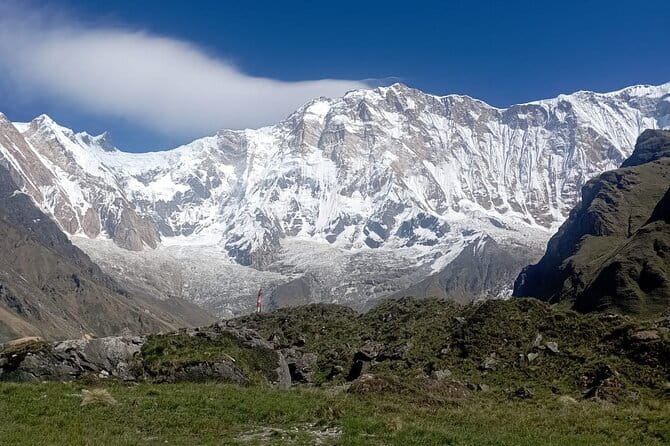
Day 9 is a short trekking day, about 6 km with breakfast and lunch included, and then you drive back to Pokhara for about 2 to 3 hours. The itinerary calls this a short and easy day, which is a welcome contrast after several longer hikes.
This is smart travel planning. By Day 9, you’re close to the end, and it makes sense to end the trekking with a lighter workload instead of stacking one more exhausting climb.
Day 10 then drives you from Pokhara back to Kathmandu, about 200 km and 7 to 8 hours. You get breakfast and dinner included on this travel day. Then Day 11 keeps it relaxed, with a 30 to 45 minute transfer time depending on your flight schedule, plus breakfast.
If you are the type who likes to stay busy on vacation, you might feel restless on those final travel days. But if you want to walk hard and still enjoy your post-trek time, the slow ending helps.
What you are really paying for: value of $240 and what’s missing
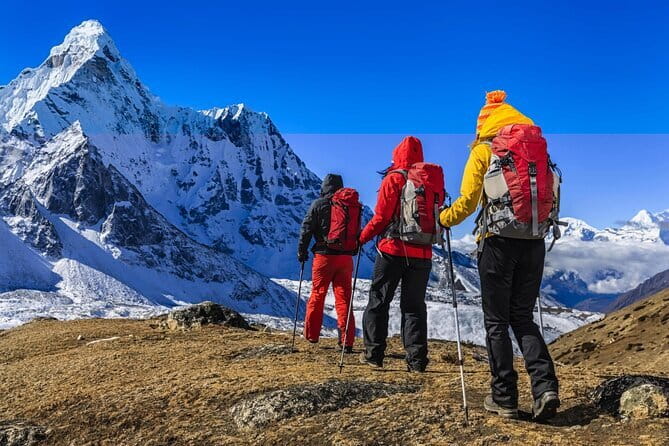
This trek is listed at $240 per person, and the value comes from what is included, not just the headline price.
Included that reduces your trip costs
You get:
- Guided trekking with a licensed English-speaking guide
- Porter service with a ratio of 1 porter for 2 trekkers
- Permits: ACAP and TIMS
- Accommodation: 3-star hotels in Kathmandu and Pokhara with breakfast, plus best-available twin sharing teahouse stays during the trek
- Full board meals during the trekking portion: breakfast, lunch, and dinner with tea/coffee
- Duffel bag and sleeping bag, with a note that these should be returned after the trek
- First aid medical kit and government taxes and service charges
- Farewell dinner at the end of the trek
Put simply, you are paying for a package that handles the parts that often become money leaks when you plan on your own.
What costs extra, and why you should plan for it now
Not included:
- Travel and rescue insurance and Nepal entry visa
- International airfare
- Hot shower during the trek
- Tips for guides, porters, and drivers
- Alcoholic drinks, bottled water, and other beverages
- Lunch and dinner in Kathmandu and Pokhara
One practical budgeting tip: the excluded items are usually the ones people postpone thinking about. But on a trek, tips and insurance are not optional-style extras. They affect how the trip runs at the ground level, and insurance affects how safe you feel if anything goes wrong.
Teahouses, meals, and why they matter more than you expect
The trek includes tea/coffee with meals, and breakfast, lunch, and dinner are covered during trekking days. That does two useful things for you.
First, it keeps you from making hard decisions during the day. When your meal plan is set, you can focus on pace and hydration. Second, it means you’ll likely be eating at teahouses that are part of the trail network, which is where most trekkers end up anyway.
The trip also notes best available twin sharing teahouse accommodation. That can be a mixed bag depending on the day and the specific lodging, but the inclusion of accommodations removes the biggest uncertainty. You know you will have a place to sleep and meals lined up.
On the comfort side, the itinerary clearly excludes hot shower during the trek. So if you expect daily hot water rinse like a city hotel, reset that expectation before you go. You can still feel human, but you will do it the mountain way.
The human side: why this operator’s organization gets praised
The strongest theme in the feedback is organization. People describe the trip as running smoothly, with everything planned and handled down to the last detail. They also highlight professional guidance and warm hospitality, plus friendly help from both guides and porters.
Even without specific guide names in the information you provided, that pattern matters. On a trek, the biggest quality differences usually show up in the invisible stuff, like whether the guide keeps the pace reasonable, whether logistics match what you were told, and whether porters and staff actually feel like part of the team instead of a last-minute scramble.
If you prefer a trip where you spend more time hiking and less time negotiating details, this is the style that seems to fit.
Who should book this trek, and who should think twice
This Annapurna Base Camp trek is a fit for you if:
- you have moderate physical fitness
- you want structured support, including a licensed guide and porter help
- you like a comfort-minded approach with hotel nights before and after the trek
- you value included meals and permits, and you want fewer logistical decisions
Think twice if:
- you strongly need hot showers during the trek
- you dislike budgeting for tips, visa, and travel insurance
- you want a more independent, freewheeling trek style with minimal guidance
This is also a good match for groups because it notes group discounts, and it is described as a private tour/activity limited to your group.
Should you book this Annapurna Base Camp trek?
I’d book it if you want Annapurna Base Camp done the practical way, with permits and transfers handled, a licensed guide who can help you keep the days on track, and a porter plan that reduces what you personally carry. The biggest selling point is value through inclusion: full-board trekking meals, teahouse lodging, and the up-front support that helps the trek feel organized rather than improvised.
I’d pause if your trip requirements include hot showers during the trek, or if you are not ready to handle the costs that are explicitly excluded, like visa, travel insurance, and tips. Also, if you are very sensitive to long travel days, know that the Kathmandu-Pokhara roads are a big part of the overall schedule.
If you can handle the basics and plan for the extras, this looks like a solid way to reach Annapurna Base Camp with less stress and more focus on the trail.
FAQ
What is the highest altitude on this trek?
The highest altitude listed is Annapurna Base Camp at about 4,130 m (13,550 ft).
What meals are included during the trek?
Full board meals are included during the trekking days, with breakfast, lunch, and dinner, plus tea/coffee. Breakfast is also included on travel and hotel days in Kathmandu and Pokhara.
Are airport transfers and hotel stays included?
Yes. Airport transfers in Kathmandu are included, and you also get accommodation in 3-star hotels in Kathmandu and Pokhara with breakfast.
Do I need to arrange permits and TIMS?
No. The Annapurna Conservation Area Permit (ACAP) and TIMS card are included.
Are hot showers included during the trek?
No. Hot Shower during the trek is listed as not included.
What is not included in the price?
Not included items are personal expenses (like laundry and phone calls), alcoholic drinks and bottled water, lunch and dinner in Kathmandu and Pokhara, hot shower during the trek, travel and rescue insurance, Nepal entry visa, and tips for guides, porters, and drivers.
Lodge to Lodge Around Kathmandu
The Rest of Our Kathmandu Write Ups

Through the Sanctuary Gate
Everything else we have reviewed around Kathmandu
- 12 Days Everest Base Camp Trekking
★ 5.0 · 3 reviews - 1 Night 2 Days Chitwan Jungle Safari Tour from Pokhara or Kathmandu
★ 3.0 · 3 reviews - Thamel Rickshaw tour
★ 4.7 · 3 reviews - Kathmandu: Momo Making Class with a Local Chef
★ 5.0 · 3 reviews - Kathmandu: Full-Day Yoga, Body Massage and Pedicure Package
★ 5.0 · 3 reviews - From Kathmandu / Pokhara / Chitwan: River Rafting – 1 Day
★ 4.6 · 3 reviews
Annapurna Base Camp Treks worth a second look.
 ★ 5.0Annapurna base camp trek 5 DaysFrom $699252 reviews
 ★ 5.0Annapurna Base Camp TrekFrom $935111 reviews
 ★ 5.0Kathmandu to Annapurna Base Camp (ABC) 5-Day TrekFrom $99102 reviews
 ★ 5.0Annapurna Base Camp Trek 12 DaysFrom $80085 reviews
★ 5.0Annapurna Base Camp TrekFrom $92580 reviews
 ★ 4.95-Day Annapurna Base Camp (ABC) TrekFrom $9672 reviews
★ 5.0Annapurna Base Camp TrekFrom $69959 reviews
 ★ 5.011-Day Hike Tour to Annapurna Base Camp Bliss in KathmanduFrom $1,30052 reviews
Lists this tour sits in