
REVIEW · EVEREST BASE CAMP TREKS
From Kathmandu: Private 14-Day Everest Base Camp Trek
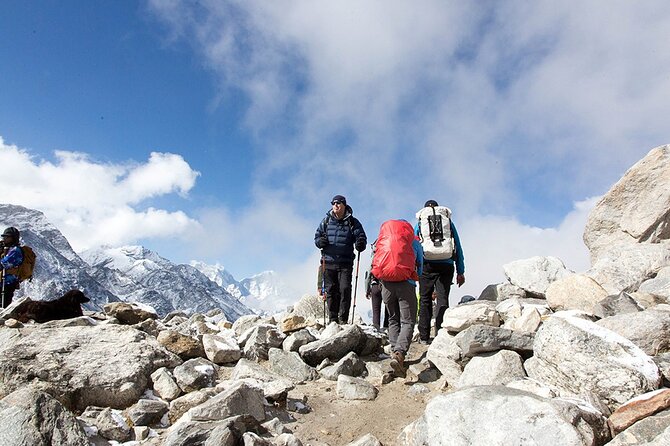
Everest Base Camp is the kind of trip that changes you fast. This private 14-day itinerary runs you from Kathmandu to Lukla and deep into the Khumbu Valley, with acclimatization built in at Namche Bazaar and Dingboche before you push toward Everest Base Camp and Kala Patthar. I like that your domestic flights, permits, meals, and trekking gear (down jacket, sleeping bag, duffdu bag) are included, which removes a lot of stress from planning. I also like that you are not doing this solo in the chaos, you have an experienced guide and Sherpa porter looking after the practical stuff. One consideration: the Lukla flights and trail schedule depend on weather, so you should expect a bit of flexibility if conditions get rough.
What I’d call the real value here is the structure. The route is paced with specific altitude days, and the big viewpoints are timed for early mornings. In reviews, guides like Raj Tamang, Raj (also supported by porter Surendra), and Prakash Neupane get singled out for being attentive and systematic, which matters when your body is working overtime. The trek is also clearly labeled as moderate fitness friendly, but you should still come prepared for long hikes and big elevation changes.
In This Review
- Key Highlights to Know Before You Go
- Kicking Off in Kathmandu, Then Getting Launch-Ready
- Small reality check
- The Lukla Flight: Why It Sets the Tone for the Whole Trek
- What you should do
- Namche Bazaar: The First Real Altitude Lesson (and It’s Not Just Scenic)
- A practical tip that helps
- To Deboche and Dingboche: Teahouses, Views, and the Slow Climb
- Why these stopovers matter
- Lobuche, Gorakshep, and the Classic Finish Line: Everest Base Camp
- My advice for EBC day
- Kala Patthar Sunrise: The Big Early Push to 5,545 m
- What to expect on the ground
- Coming Back Down: Namche, Tengboche, and Your Last Looks at the Valley
- The emotional arc
- What You Get for $1,650: Gear, Staff, Flights, Permits, and Meals
- What is not included, and what to plan for
- Guide Support That People Actually Notice
- Fitness Level and Packing Notes That Won’t Get You Surprised
- Altitude reality check
- Who Should Book This Everest Base Camp Trek
- Should You Book This Trek?
- FAQ
- How many days is the trek?
- Are the Kathmandu to Lukla flights included?
- What parts of the trip include accommodations and meals?
- Are trekking permits and national park fees included?
- Do I need a visa and travel insurance?
- Is this a private tour?
Key Highlights to Know Before You Go
- Lukla airport included, with the classic approach flight that gets everyone’s attention fast
- Built-in acclimatization in Namche Bazaar and Dingboche, not just a straight grind upward
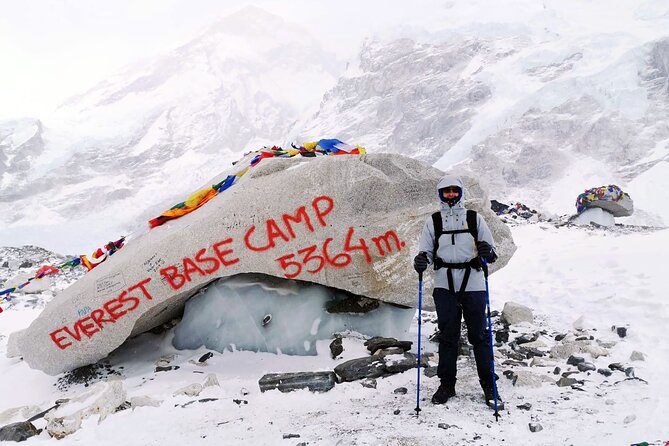
- Everest Base Camp day, at 5,364 m, plus the iconic early hike to Kala Patthar (to 5,545 m)
- Gear and comfort support included, down jacket, sleeping bag, and duffdu bag, with accommodations along the route
- A guide and Sherpa porter team, and multiple reviews mention careful check-ins and pacing
- Staff continuity and organization, including help when direct KTM to Lukla flights are difficult at certain times
Other routes to Base Camp, side by side
Kicking Off in Kathmandu, Then Getting Launch-Ready
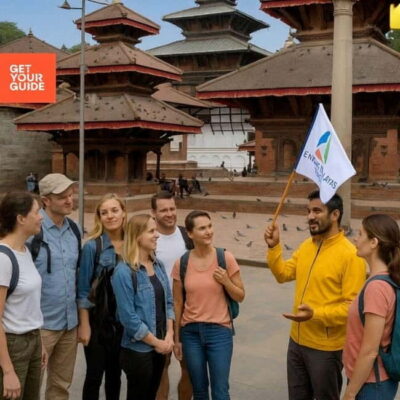
You start in Kathmandu after arriving at Tribhuvan International Airport. A Cordial Trek representative greets you and handles pickup, then you check into your hotel. This matters because Kathmandu itself can feel like information overload on Day 1, and you do not want your first day to be spent chasing details.
From there, the plan keeps you moving. You are not just handed a route and hoped for the best. You also get useful trip materials included, like a trekking map and a company t-shirt. On a trek this famous, the best “extras” are usually the boring ones: knowing where you need to be, when you need to show up, and who is coordinating what.
Small reality check
Kathmandu is only the warm-up. The real work starts once you fly to Lukla and begin the altitude rhythm. Your goal in these first hours is simple: sleep, hydrate, and try to avoid turning your first day into a sightseeing marathon.
The Lukla Flight: Why It Sets the Tone for the Whole Trek
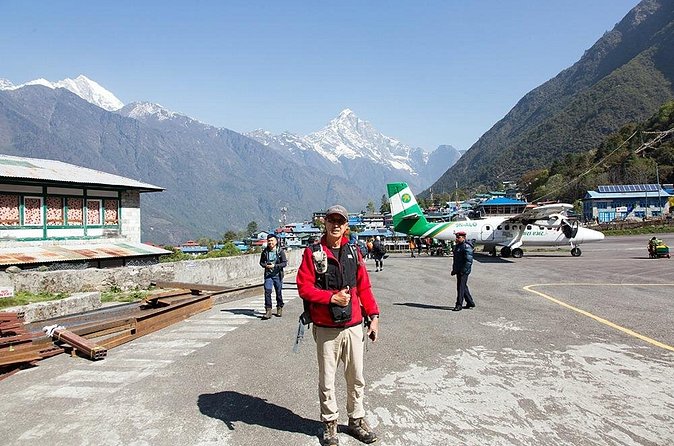
On Day 2, you fly from Kathmandu to Tenzing Hillary airstrip in Lukla. The itinerary notes it as a short domestic flight (around 30 minutes), but short does not mean easy. Lukla is one of those airports that makes even seasoned travelers pay attention, because weather and scheduling can change quickly.
This is also where the tour’s organization earns its keep. One review called out how the operator tried hard to get direct Kathmandu to Lukla flights in a tough season. That is exactly what you want: someone working the logistics side when conditions are not ideal.
What you should do
Plan your expectations around flexibility. If your flight timing shifts, your whole trek flow might shift a little too, and that is normal for this region. Pack snacks you like, keep essentials close, and treat flight day like a “control your inputs” day.
Private guides for Kathmandu, a few more
Namche Bazaar: The First Real Altitude Lesson (and It’s Not Just Scenic)
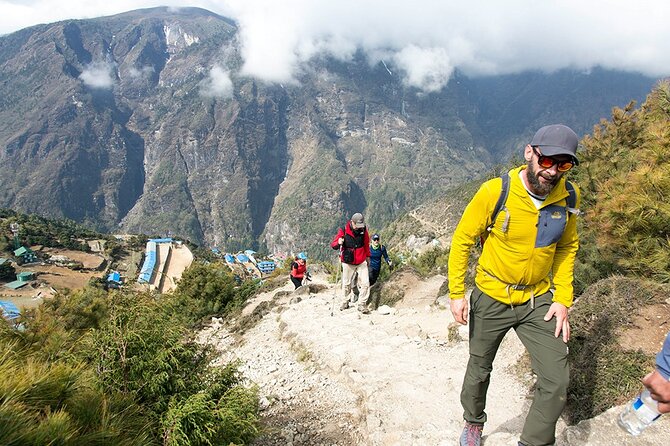
Day 3 is your first real trekking day, hiking from Phakding to Namche Bazaar in about 6 hours, reaching a maximum altitude around 3,438 m. You get time to explore places along the way, including Manjo village details mentioned in the route notes. Then you land in Namche, which is basically the Khumbu Valley’s main altitude hub.
Day 4 is your acclimatization and exploration day in Namche Bazaar at 3,438 m. This is a big deal. You are not meant to rush straight up to higher camps every single day. Namche gives you a chance to adjust, walk around, and keep your body learning how to handle thinner air.
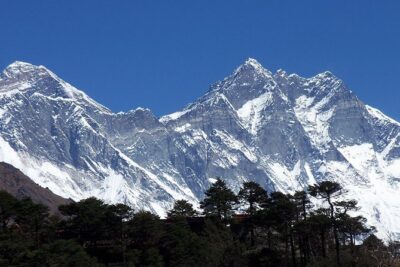
One extra icing on the cake: the itinerary includes a stop for an Everest View Point area within Sagarmatha (Everest) National Park, a UNESCO World Heritage Site. There is also mention of Hotel Everest View, known for 360-degree views, opened in 1971. You get that classic “I see Everest, not just a mountain range” feeling, without sacrificing your acclimatization day.
A practical tip that helps
During acclimatization days, keep your walking light but consistent. You want movement, not a personal record. If you feel unusually tired, that is data, not a challenge.
To Deboche and Dingboche: Teahouses, Views, and the Slow Climb
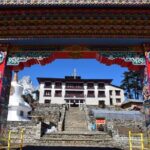
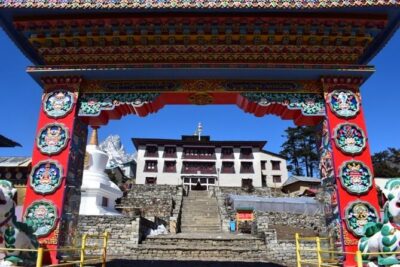
Day 5 treks from Namche Bazaar to Deboche, about 6 hours, and reaches around 3,820 m. This is where the route starts to feel more “Khumbu Valley” and less “trek headquarters.” You pass through villages and smaller communities, and you also get religious and cultural landmarks in the plan, including monastery exploration in this area (Tengboche monastery is listed as a highlight overall).
Day 6 moves from Deboche to Dingboche in about 5 hours, climbing to roughly 4,360 m. The itinerary notes passing Lobuche river along the way, and that’s the kind of small detail that tells you the trek is following the real trail rather than skipping sections.
Then Day 7 is another acclimatization day, this time in Dingboche at 4,360 m. The plan says you will be guided to a nearby viewpoint or area starting with N (the text is cut, but the purpose is clear), which fits the goal: go higher slightly, then come back down to rest.
Why these stopovers matter
At altitude, your “trip success” is often about not getting sick. These extra days are built for that. They also help you sleep better at night, because you arrive at higher spots feeling slightly more ready.
Lobuche, Gorakshep, and the Classic Finish Line: Everest Base Camp
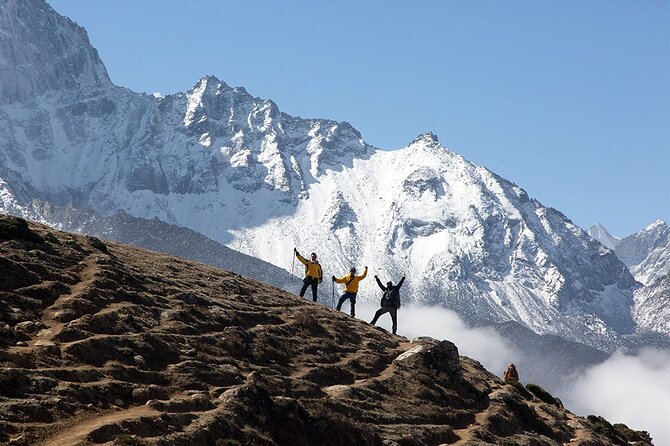
Day 8 treks from Dingboche to Lobuche in around 4 to 5 hours, with a max altitude near 4,940 m. The route description calls out Lobuche’s proximity to the Khumbu Glacier and nearby settlements. You start to feel like you are approaching the Everest story in a physical way, not just a destination.
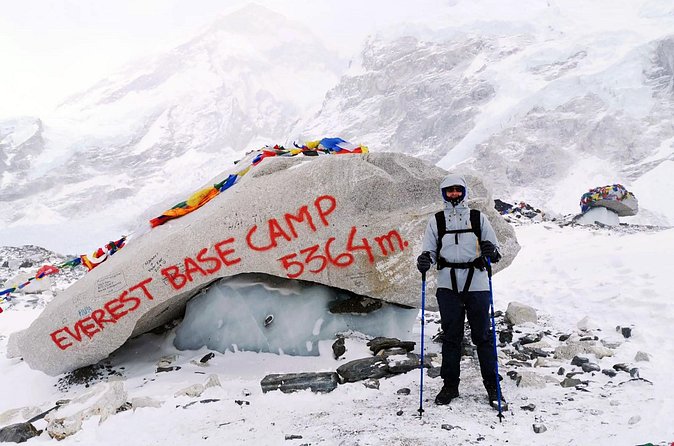
Day 9 climbs from Lobuche to Gorakshep, reaching around 5,164 m, and then continues on to Everest Base Camp at 5,364 m. This day can feel like two parts: the “get up there” effort and then the payoff of arriving at Base Camp inside Sagarmatha National Park. The plan notes the popularity of the route, with about 40,000 people per year making the trek, which helps you set expectations. Even though it is busy, it still hits hard because the mountain environment is the mountain environment.
My advice for EBC day
Keep your pace steady and do not overspend energy early. You will want some left in the tank for the moment you actually reach EBC. It is also smart to take it slow in the first minutes when you arrive, because you’ll probably be breathing faster and your brain will want to sprint for photos.
Kala Patthar Sunrise: The Big Early Push to 5,545 m
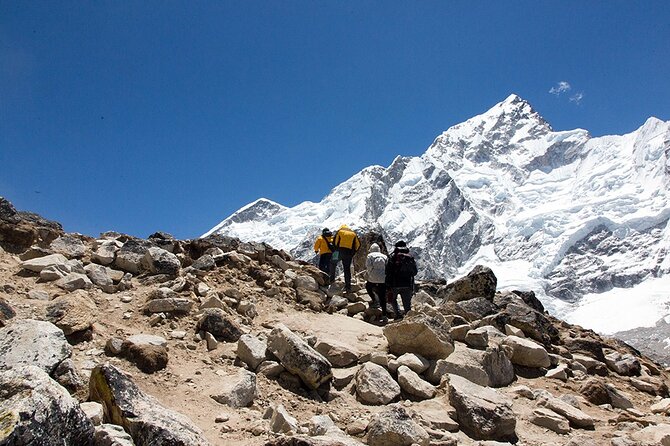
On Day 10, you hike early from Gorakshep up to Kala Patthar on a 3-hour round trip, with the max altitude around 5,545 m. This is the route’s signature viewpoint. Even if you already reached Base Camp, Kala Patthar is where the Everest drama gets sharper.
The itinerary calls Kala Patthar a notable landmark on the south ridge area. That’s consistent with why people love it: it gives you a clear, more dramatic vantage over the surrounding peaks and the Base Camp area.
What to expect on the ground
It is cold. It is steep. It is short, not easy. Your comfort depends on the gear included in the package, especially the down jacket and sleeping bag support (returnable necessary equipment is listed).
In reviews, guides like Raj Tamang and Raj are praised for practical support and careful pacing. For a push like Kala Patthar, that coaching tone makes a difference, because you do not want to rush and then pay for it later.
Coming Back Down: Namche, Tengboche, and Your Last Looks at the Valley
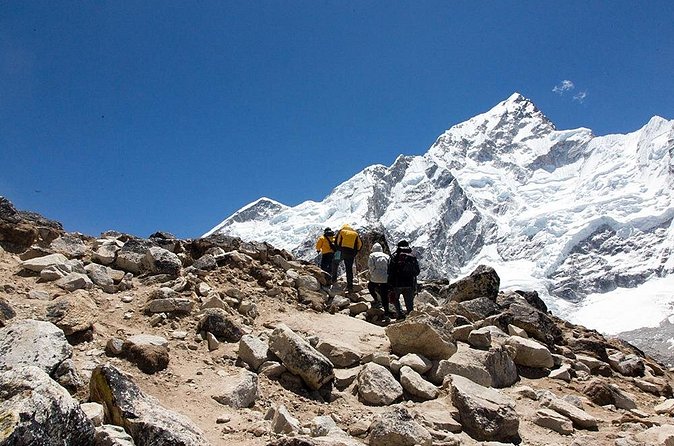
Day 11 brings you down from the higher country back toward Namche Bazaar, trekking from Pheriche via Tengboche. The itinerary estimates 6 to 7 hours, then you stay overnight in Namche. It also notes downtime to enjoy local pubs and cafes. That is not just for fun. It’s a chance to rehydrate, warm up, and reset mentally after the highest days.
Day 12 takes you from Namche Bazaar back to Lukla via Phakding over about 7 to 8 hours. The plan includes time in Lukla for the bazaar and an evening again focused on recovery. This is where your legs start bargaining with you.
Day 13 flies you back to Kathmandu, then you check into a hotel with free evening time. Day 14 wraps up with a trip certificate and airport drop about three hours before departure.
The emotional arc
If this is your first big trek, you’ll feel it most on the descent. The summit pressure is gone, but you’ll still crave one more view. That is normal, and it’s also why people remember the return days as much as Base Camp day.
What You Get for $1,650: Gear, Staff, Flights, Permits, and Meals
At $1,650 per person, the value depends on what you avoid having to buy or organize yourself. Here’s what is included:
- Domestic flights KTM-LUA-KTM
- Experienced trekking guide and a Sherpa porter
- Accommodations along the route
- Airport transfers in Kathmandu
- Necessary trekking permits and national park fees
- Returnable necessary equipment: down jacket, sleeping bag, duffdu bag
- Meals: 11 lunches, 12 dinners, 13 breakfasts
- Trekking map, company t-shirt, and a trip certificate
That bundle is what makes the price easier to swallow. Many trekkers underestimate how costly it is when you add up guides, porter help, permits, and cold-weather gear rental. This package folds those into one number.
What is not included, and what to plan for
You still need to cover personal expenses, and you will need a Nepal visa. Travel insurance is also compulsory. Gratuity for guide and porter is not included, and solo travelers face a surcharge.
Also, while this is labeled private, it does not mean “no one else exists on the trail.” Everest Base Camp is a high-traffic route, and you should expect other hikers at key points. Your guide and porter help you handle that flow without turning it into stress.
Guide Support That People Actually Notice
The reviews attached to this experience are not just generic praise. They highlight specific people and the style of leadership they used.
- Raj and porter Surendra are described as awesome, helpful, and knowledgeable, with support that helped someone complete the trek
- Raj Tamang is mentioned as attentive and experienced, with a systematic approach to keep the group on track
- Prakash Neupane appears as a guide name in review replies, and the tone is consistent: organized, caring check-ins
- A manager named Ramesh is also mentioned alongside the guide support team in one account
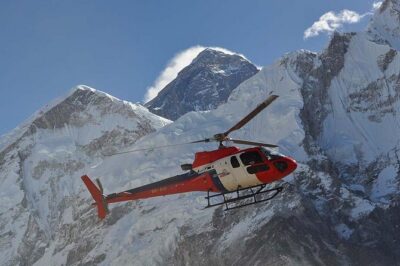
- Another review noted a helicopter ride from Periche to Lukla during the return for their journey, which suggests that if you want that kind of option, you should ask the company early for what may be possible on your dates
The big takeaway: you want a guide who watches how you are doing, not just where the trail goes.
Fitness Level and Packing Notes That Won’t Get You Surprised
The tour calls for moderate physical fitness. That’s a fair match for a route that includes several 5 to 7 hour days plus two major altitude pushes: reaching EBC at 5,364 m and Kala Patthar at 5,545 m.
So what should you do before you go?
- Get comfortable walking for 4 to 6 hours on varied terrain
- Practice carrying a daypack so your shoulders are used to it
- Bring layers you can manage in wind and cold
- Keep your most important items accessible for early starts
Because the down jacket and sleeping bag are included, you can pack smarter. Still, you’ll want your own comfort items, like gloves, a hat, and a lip balm type item, since cold air plus sun can feel rude fast.
Altitude reality check
The schedule includes acclimatization days at Namche Bazaar and Dingboche. Still, altitude can hit anyone. If you feel significantly unwell, you should tell your guide right away and follow their guidance.
Who Should Book This Everest Base Camp Trek
You’ll be a strong match if you want:
- A private experience feel, with your own guide and porter team
- A route with acclimatization built in, not a rushed grind
- A package that includes gear, flights, permits, and meals so you spend time on the trek, not paperwork
- A high-value guide team, with multiple review mentions of attentive, systematic leadership
You might think twice if:
- You hate flight uncertainty and do not handle schedule changes well, since Lukla is weather dependent
- You are looking for a very light, short trek. This is 14 days with daily hiking blocks and high altitude days
Should You Book This Trek?
If you want Everest Base Camp done the practical way, this is a solid option. The included Lukla flights, permits, cold-weather gear, meals, and porter support make the $1,650 price feel more reasonable than if you tried to cobble the same support together on your own. The route also gives you the key altitude breaks in Namche Bazaar and Dingboche, which is the difference between a memorable challenge and a rough one.
Book it if you are comfortable with long walks, cold mornings, and a little weather-led flexibility. Skip it or negotiate expectations if you need a perfectly fixed schedule regardless of conditions.
FAQ
How many days is the trek?
The itinerary runs for 14 days approximately, from arrival in Kathmandu through the trek, flights back to Kathmandu, and the final airport drop.
Are the Kathmandu to Lukla flights included?
Yes. Domestic flight tickets KTM-LUA-KTM are included in the package.
What parts of the trip include accommodations and meals?
Accommodations are included throughout the trip. Meals include 11 lunches, 12 dinners, and 13 breakfasts.
Are trekking permits and national park fees included?
Yes. Necessary trekking permits and national park fees are included.
Do I need a visa and travel insurance?
A Nepal visa is not included, and travel insurance is compulsory.
Is this a private tour?
Yes. It is listed as a private tour/activity, so only your group participates.
Kathmandu Without the Group Bus
The Rest of Our Kathmandu Write Ups

Base Camp, Three More Ways
Everything else we have reviewed around Kathmandu
- 12 Days Everest Base Camp Trekking
★ 5.0 · 3 reviews - 1 Night 2 Days Chitwan Jungle Safari Tour from Pokhara or Kathmandu
★ 3.0 · 3 reviews - Thamel Rickshaw tour
★ 4.7 · 3 reviews - Kathmandu: Momo Making Class with a Local Chef
★ 5.0 · 3 reviews - Kathmandu: Full-Day Yoga, Body Massage and Pedicure Package
★ 5.0 · 3 reviews - From Kathmandu / Pokhara / Chitwan: River Rafting – 1 Day
★ 4.6 · 3 reviews
Everest Base Camp Treks worth a second look.
 ★ 5.0Everest Base Camp Trek – 14 DaysFrom $1,8001,499 reviews
 ★ 5.0Everest Base Camp TrekkingFrom $1,350485 reviews
 ★ 5.0Everest Base Camp Trekking – 13 DayFrom $1,399365 reviews
★ 5.0Everest Base Camp Trek -14 DaysFrom $1,420321 reviews
★ 5.0Everest Base Camp Trekking – 13 DayFrom $1,399365 reviews
★ 5.0Everest Base Camp Trek -14 DaysFrom $1,420321 reviews
 ★ 5.0Everest Base Camp Trekking – 2025/2026From $1,339199 reviews
 ★ 5.0Everest Base Camp TrekFrom $1,408193 reviews
 ★ 5.0Everest Base Camp Trek with Helicopter Return from Gorakshep to LuklaFrom $3,000161 reviews
14-Days Private Everest Base Camp TrekFrom $1,600152 reviews
★ 5.0Everest Base Camp Trek with Helicopter Return from Gorakshep to LuklaFrom $3,000161 reviews
14-Days Private Everest Base Camp TrekFrom $1,600152 reviews
Lists this tour sits in