
REVIEW · PASHUPATINATH & BOUDHANATH TEMPLES
Private Half-Day Tour of Boudhanath and Pashupatinath Temples in Kathmandu
Temple time, with fewer hassles. This private half-day tour strings together two of Kathmandu’s biggest spiritual landmarks, Pashupatinath and Boudhanath, so you get strong cultural contrasts without spending your morning figuring out transport. I love that the tour includes a private guide plus vehicle, so you can ask questions on the spot, and I also like that you get admission included for both stops. One possible drawback to plan for, especially if you’re sensitive, is that the Bagmati River area at Pashupatinath is where major ritual activity happens, and you may see parts of it up close.
In a place like Kathmandu, half-days are about smart choices. This one works because it keeps moving at a human pace: enough time at each site to actually look around, plus hotel pickup and drop-off so you are not burning energy on traffic or directions.
In This Review
- Key things to know before you go
- Pashupatinath and Boudhanath in one half-day: what makes it work
- Price and value: is $47 per person a fair deal?
- The 10:00 am rhythm: timing that gives you breathing room
- Stop 1, Pashupatinath Temple: riverfront views and major ritual life
- What you’ll likely notice right away
- The modest-dress rule
- Stop 1 tip: ask your guide what you are seeing, not just where to stand
- Stop 2, Boudhanath Stupa: Buddhist devotion and iconic shapes
- Why Boudhanath is different from Pashupatinath
- What to do with your two hours
- Guide quality that matters: punctual, explanatory, and patient
- The private format: who this is best for
- Transportation and small inclusions that reduce stress
- Dress code and respectful visiting: how to make the day go smoothly
- What to pair this tour with after it ends
- Should you book this private half-day Pashupatinath and Boudhanath tour?
Key things to know before you go
- Two UNESCO sites in one smooth schedule: you hit Pashupatinath first and Boudhanath second.
- Bagmati River viewing at Pashupatinath: you observe temple goings-on from the banks.
- Stupa focus at Boudhanath: you get time for the stupa grounds, prayer wheels, and Buddhist statues.
- Private guide and private vehicle: easier questions, easier pace, less guesswork.
- Admission fees included: you can budget once and focus on the visit.
- Dress modestly for worship sites: you’ll want to plan clothing that fits the rules.
More temple evenings and stupa walks

Pashupatinath and Boudhanath in one half-day: what makes it work
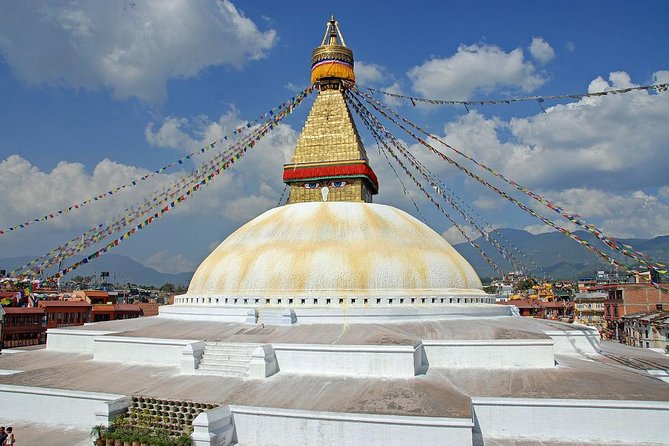
This tour is built for people who want the highlights but still want their brain to stay engaged. Four hours is short, but it is not rushed in a stressful way, because the day is structured around two fixed priorities, not a scattershot list.
The biggest practical win is transportation. Kathmandu traffic can be chaotic, and navigating to multiple major sites on your own can turn into a time sink. With hotel pickup and drop-off included, plus a private vehicle, you can treat this like an organized day out rather than a logistics challenge.
Culturally, the pairing makes sense too. At Pashupatinath, you’re in the Hindu pilgrimage atmosphere centered on Lord Pashupatinath and the riverfront ghats. Then you pivot to Boudhanath, where Buddhist devotion and iconic stupa architecture take over. If you like seeing how different traditions shape public life, this contrast hits fast.
Price and value: is $47 per person a fair deal?
At $47 per person, the price lands in the “reasonable for a private guide” category. What you’re paying for is not just a driver and a car. You’re also getting an English-speaking local guide, admission tickets for both stops, and two mineral water bottles per person.
If you tried to replicate this on your own, you would likely spend time buying tickets separately, paying for entry permissions, and dealing with transport and timing. Your biggest “hidden cost” would be your energy, especially if you are trying to do both sites in one day.
The one thing not included is food and drinks. That’s normal for a half-day, but it matters. If you start at 10:00 am, plan a simple breakfast you enjoy, and decide where you’ll eat afterward so the visit ends with a good meal, not a scramble.
The 10:00 am rhythm: timing that gives you breathing room
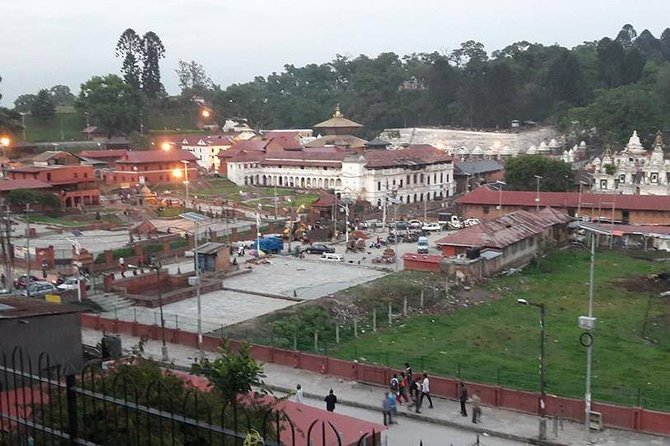
The start time is 10:00 am, and the full tour is about four hours. That timing is handy in Kathmandu because it helps you beat the worst of the day’s heat and still gives you daylight for the riverfront atmosphere and stupa viewing.
You get two hours at Pashupatinath and two hours at Boudhanath. That is a sweet spot for a site-based tour. It is long enough to slow down, watch what’s happening, and take in details like the temple complex layout and the stupa’s design language, but short enough that you do not lose the day to one location.
Also, since it is private, you are not stuck with a rigid group tempo. If you want extra time to observe from a particular angle or ask your guide one more question, you’re more likely to get that time.
Stop 1, Pashupatinath Temple: riverfront views and major ritual life
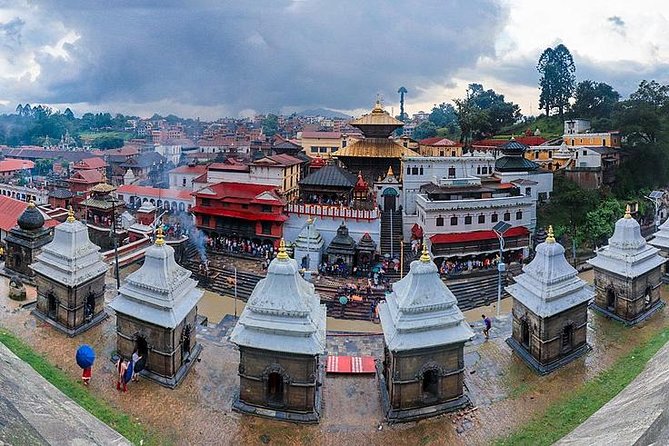
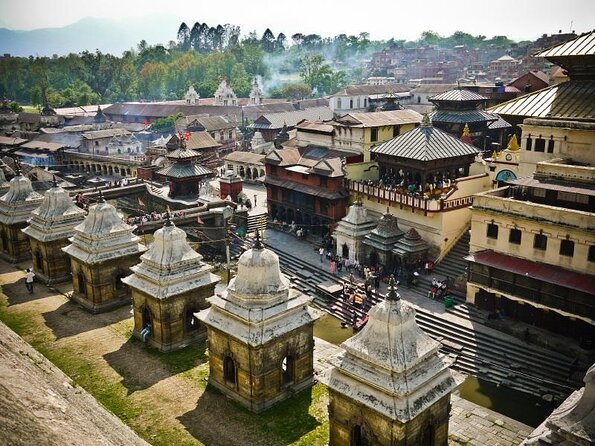
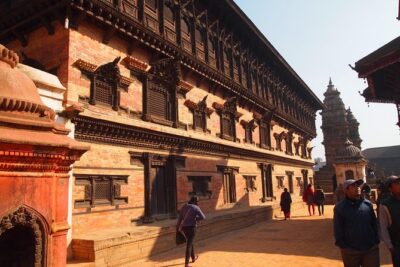
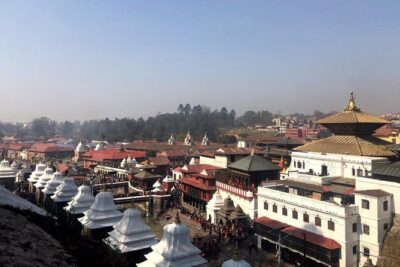
Pashupatinath Temple is a Hindu temple complex on the banks of the Bagmati River, about 5 km north-east of Kathmandu in the eastern part of Kathmandu Valley. It serves as the seat of Nepal’s national deity, Lord Pashupatinath. Coming here first makes sense, because the setting establishes the Hindu pilgrimage world for the rest of the day.
You’ll spend around two hours here, and the focus is on observing the temple activities from the river banks. That “from the banks” detail matters. It keeps the experience observational rather than confusing, and it fits how most visitors take it in: you watch the riverfront activity while still feeling oriented in the space.
Private guides for Kathmandu, a few more
What you’ll likely notice right away
Expect to see the site’s importance made visible through daily worship and the intensity of devotion tied to this location. The river and the ghats are central to the atmosphere, because the Bagmati is not just scenery. It is part of how the spiritual story is lived out in the open.
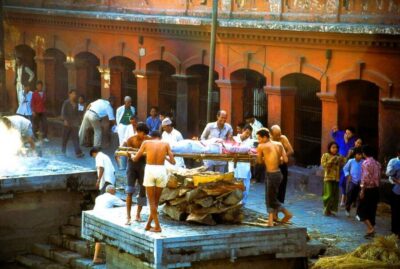
A practical consideration: if you are uneasy about witnessing cremation rites, this is the part of the tour to think about. The Bagmati ghats are where cremation activity happens, and you may get close enough to notice it during your visit. For many people, it is an eye-opening look at Nepalese tradition. For others, it is too much. You do not have to like every detail, but you do want your expectations to match reality.
The modest-dress rule
This tour requires a dress code for places of worship. That means you should arrive with clothing that feels appropriate and respectful. Don’t leave this to the last minute, because “good enough” can be rejected at the gate.
Stop 1 tip: ask your guide what you are seeing, not just where to stand
A big reason tours like this feel worthwhile is that a good guide turns what you’d otherwise label as random scenes into understandable patterns. With Pashupatinath, it helps to ask about what the riverfront activity represents and why this temple complex is treated with such status.
Your guide will also help you navigate the space so you can avoid the most uncomfortable crowd bottlenecks and still find decent sightlines. In a private format, those small adjustments add up.
Stop 2, Boudhanath Stupa: Buddhist devotion and iconic shapes
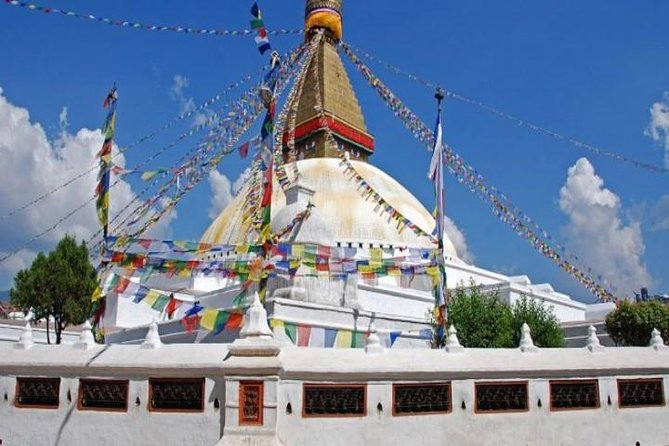
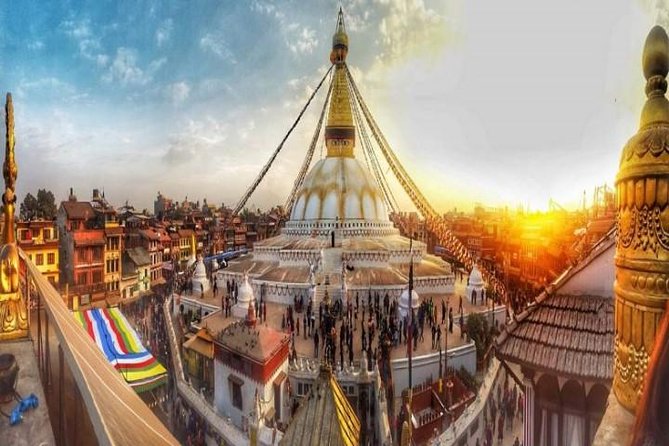
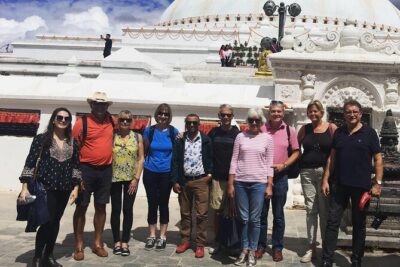
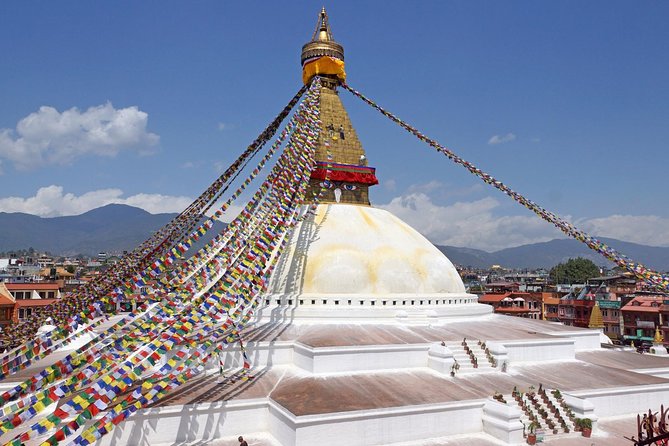
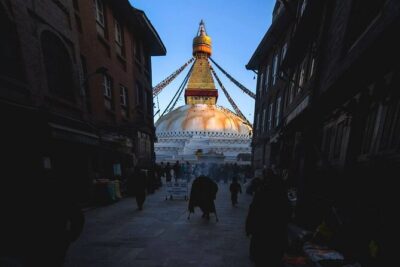
Next you head to Boudhanath, about 11 km from the center and on the north-eastern outskirts of Kathmandu. Boudhanath is one of Nepal’s largest spherical stupas, and it’s known for its massive mandala design.
You’ll have about two hours here, and the experience centers on viewing Boudhanath as a sacred place of Buddhist worship for both Nepalis and Tibetans. The highlight set also mentions prayer wheels and Buddhist statues, which are the kinds of details you can actually focus on during a shorter visit.
Why Boudhanath is different from Pashupatinath
At Pashupatinath, the energy is tied to Hindu pilgrimage and riverfront ritual life. At Boudhanath, the atmosphere is shaped by stupa worship and the visual language of Buddhism, with the stupa’s form doing a lot of the storytelling.
This is where the tour’s “contrast in traditions” goal pays off. If you’ve never visited both a major Hindu temple complex and a major Buddhist stupa in the same day, you’ll feel the difference in how sacred space functions in daily life.
What to do with your two hours
Use your time to slow down around the stupa area and really look at:
- the stupa design and its mandala-like proportions
- the prayer wheels you can see and study
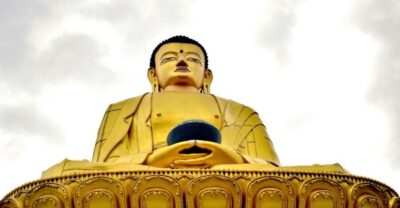
- the Buddhist statues on display
Two hours is just long enough to take in details without feeling like you are waiting for the next bus.
Guide quality that matters: punctual, explanatory, and patient
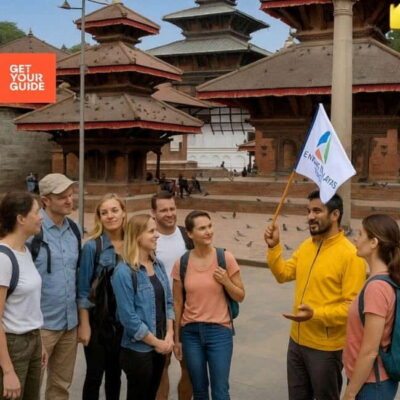
This is one of those tours where the guide changes everything. The experience includes an English-speaking local guide, and that can be a big deal at sites like Pashupatinath and Boudhanath, where you’re surrounded by activity and symbols.
In particular, I like the way the tour handles the logistics of getting ready. Pickup is from your hotel or airport, and your guide can meet you in the hotel foyer. That sounds small, but in practice it saves stress when you are on vacation and trying to stay on schedule.
You also have proof of guide quality in the names people remember. One guide called Mr. Bishnu is specifically praised for arriving on time and explaining history and background in great detail. Another guide, Pawan, is noted for speaking French. You do not need those language details to enjoy the tour, but they do hint at the care behind the explanations.
The private format: who this is best for
This is a private tour, meaning only your group participates. That matters most if you:
- don’t want to match someone else’s pace
- want time to ask questions without feeling rushed
- would rather watch closely than follow someone’s camera plan
It’s also a good pick for people on a short Kathmandu visit who still want two major cultural stops instead of one. If you only have a half-day and you’re trying to pick between Pashupatinath and Boudhanath, this combo is a smart way to get both.
Where it may not be ideal is if you want a food-focused day, because food and drinks are not included. Also, if you know you are uncomfortable with major ritual activity connected to cremations, decide ahead of time how you feel about that part of the riverfront setting.
Transportation and small inclusions that reduce stress
The included private vehicle does more than “get you there.” It reduces decision fatigue. You do not have to haggle over rides, interpret complex routes, or worry about whether the driver will understand exactly what you want to see.
You’ll also get:
- pickup and drop-off from your hotel or airport
- transport by private vehicle
- two mineral water bottles per person
Those water bottles sound basic, but they matter in Kathmandu. You’ll likely do a lot of standing and walking between viewing points, and you’ll appreciate not having to track down bottled water mid-visit.
Dress code and respectful visiting: how to make the day go smoothly
The tour requires modest dress for worship sites and selected museums. That’s not just a rule, it’s your way of fitting into the space. You don’t have to overthink it, but you do want clothing that keeps you comfortable while still looking respectful.
If you’re planning to visit both sites in one day, wear something you can move in. You’ll spend hours in a mix of viewing areas, so comfort matters, but comfort should stay within the dress requirements.
What to pair this tour with after it ends
Since food and drinks are not included, your timing after the tour is part of making the experience feel complete. You start at 10:00 am and likely finish around early afternoon, so you can pair it with:
- a relaxed lunch near where you’ll be dropped off
- a lighter second activity later in the day
- a slower stroll so you can process what you saw
If you want to keep learning, ask your guide one final question on the ride back. A lot of the value is connecting symbols and practices across Hindu and Buddhist traditions, and a last-minute question can lock that learning in.
Should you book this private half-day Pashupatinath and Boudhanath tour?
I’d book it if you want a clean, efficient way to see Kathmandu’s big spiritual landmarks in one morning-style block, without spending time on transport. The value is strong because admission fees, a private guide, private vehicle, and hotel pickup and drop-off are all included, and the schedule gives you real time at each place.
I would hesitate only if you know you strongly dislike witnessing ritual activity connected to cremations, because Pashupatinath’s Bagmati River setting is tied to that part of life. If that doesn’t bother you, this tour is a smart way to use a short stay to see the Hindu and Buddhist worlds side-by-side.
If you can, make the most of the guide time. Ask what you’re seeing at the ghats and what makes Boudhanath sacred to both Nepalis and Tibetans. That’s when a half-day starts to feel like more than a checklist.
Everything Bookable Around Kathmandu

The Rest of Our Kathmandu Write Ups


Pashupatinath and Boudha After Dark
Everything else we have reviewed around Kathmandu
- 12 Days Everest Base Camp Trekking
★ 5.0 · 3 reviews - 1 Night 2 Days Chitwan Jungle Safari Tour from Pokhara or Kathmandu
★ 3.0 · 3 reviews - Thamel Rickshaw tour
★ 4.7 · 3 reviews - Kathmandu: Momo Making Class with a Local Chef
★ 5.0 · 3 reviews - Kathmandu: Full-Day Yoga, Body Massage and Pedicure Package
★ 5.0 · 3 reviews - From Kathmandu / Pokhara / Chitwan: River Rafting – 1 Day
★ 4.6 · 3 reviews
Pashupatinath & Boudhanath Temples worth a second look.
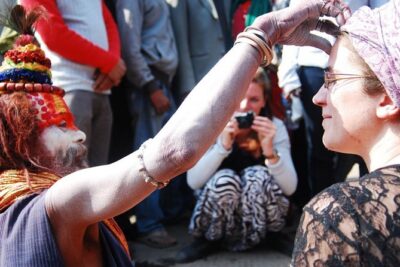 ★ 5.0Kathmandu Spiritual Sites: Bodhnath & Pashupatinath TourFrom $60185 reviews
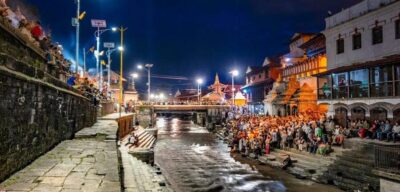 ★ 5.0Pashupatinath Temple Evening Aarati TourFrom $4536 reviews
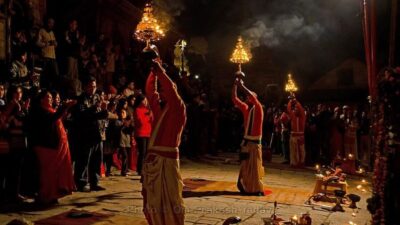 ★ 4.8Pashupatinath Temple Aarti Night TourFrom $7129 reviews
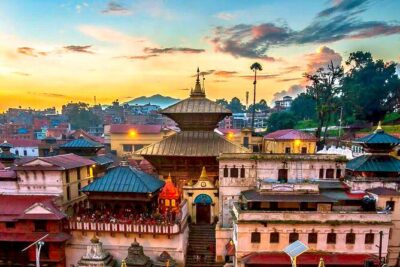 ★ 5.0Pashupatinath Temple, Hindu Crematorium and Aarati in-depth TourFrom $9025 reviews
 ★ 4.5Pashupatinath Evening Aarati: Few Divinely Hours in KathmanduFrom $3523 reviews
 ★ 5.0PashupatiNath and BoudhaNath – Private/Small GroupFrom $1518 reviews
 ★ 5.0Sacred Pashupatinath: Aarati,Cremation Rites & Boudha StupaFrom $1118 reviews
★ 4.7Pashupatinath Temple Evening Aarati TourFrom $2211 reviews
Lists this tour sits in