
REVIEW · ANNAPURNA BASE CAMP TREKS
5 Day Private Guided Trekking in Annapurna Base Camp
Annapurna Base Camp rewards early risers.
This private, 5-day trek from the Pokhara area starts at Suwai (Siwai) and builds excitement fast, with views of the Annapurna Massif, stops in traditional villages, and the big goal: Annapurna Base Camp. You also get a classic trail mix, forests and terraced ground by day, high-altitude views by morning, and a proper descent back down with transport arranged.
What I like most is the people, not just the scenery. I love how the trip leans on a full team, with a guide named Sirjan (spelled a couple ways in messages, but you’ll recognize him) and porters who help keep the walk friendly, paced, and safe feeling.
The one consideration is altitude reality. Even with support and a route that is planned over multiple days, you should still take the trek seriously, move at a steady pace, and be ready for a tougher day if weather and air are not on your side.
In This Review
- Key things to know before you go
- Annapurna Base Camp, and why it feels like a finish line
- From Pokhara to Siwai: the start that sets your energy level
- Day 2 toward Dovan and the Modi Khola: forests, bamboo, and waterfalls
- Day 3 to Annapurna Base Camp: rhododendron forest and the ABC arrival
- Day 4 sunrise at ABC, plus Machapuchchhre Base Camp and Deurali
- Day 5 down to Siwai and back to Pokhara by jeep
- What’s included, and why the value is more than the price
- The guide and porters: the real reason this trek runs smoothly
- Hot springs at Jhinu Danda, plus Gurung culture on the way
- Who this private Annapurna Base Camp trek suits best
- Quick FAQ for planning your ABC days
- FAQ
- How long is the Annapurna Base Camp trek?
- Is this trek private?
- What kind of transport is included?
- What permits are included?
- What meals are provided during the trek?
- Are drinks and dessert included?
- Is travel insurance included?
- Should you book this 5-day private ABC trek?
Key things to know before you go
- Private guiding: You hike with your group only, not a big mixed crowd.
- Annapurna sunrise moment: An early start at ABC gives you a shot at the Annapurna massif glow.
- Multiple trail textures: Forest, bamboo, riverside paths, and high meadows all show up.
- Hot springs reset: Jhinu Danda natural hot springs are part of the experience plan.
- Permits included: Trekking permit and TIMS card are covered in the package.
Other approaches to the Sanctuary gate
Annapurna Base Camp, and why it feels like a finish line
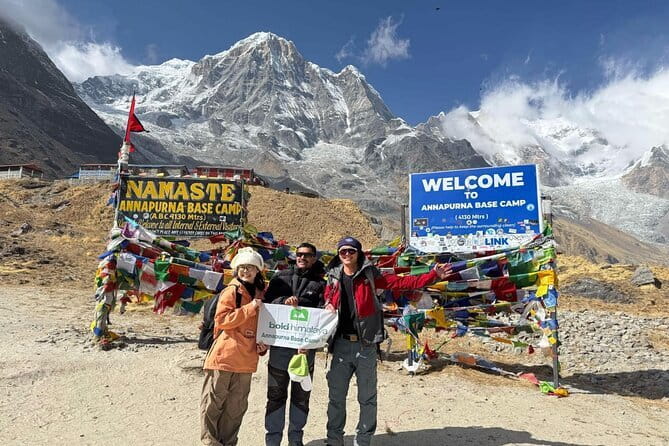
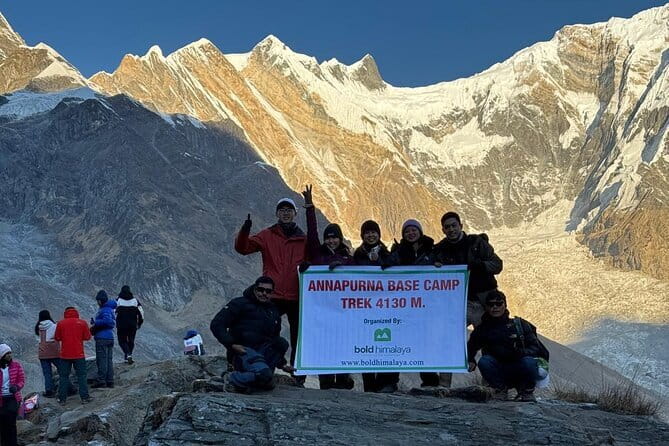
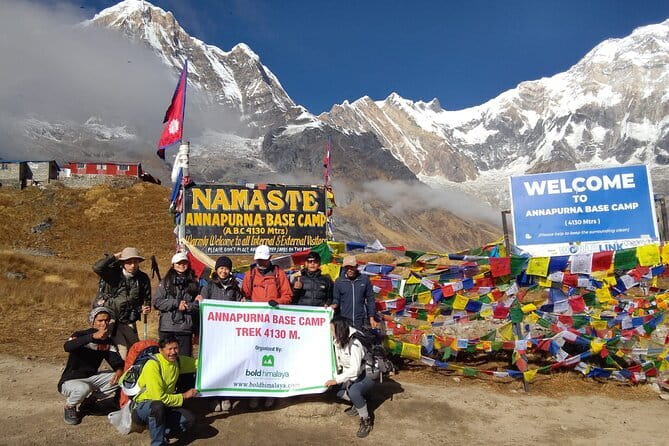
Annapurna Base Camp is one of those destinations that reads like a headline, but still lands as an actual place. You’re surrounded by towering peaks, and the sense of arriving is real. On this route, you are not just walking uphill in a straight line. You build up through forests, then alpine terrain, then the final high-altitude setting. That matters because the trek feels like progress, not punishment.
You’ll also notice something else once you’re out there. The viewpoints are not saved for one perfect photo moment. You get mountain views along the way, including prominent names like Annapurna South, Annapurna I, Machapuchare (Fishtail), and Hiunchuli. In other words, you’re not waiting days just to see something.
If you like a trek where the “why” stays in front of you, this works. The walk is hard enough to earn the final reward, but structured enough that the trail stays enjoyable.
From Pokhara to Siwai: the start that sets your energy level
Your adventure begins with transport from Pokhara to the trekking start point, Siwai. That may sound like logistics, but it changes everything. When you start fresh with a planned pickup and private transportation, you avoid the most common early-day waste, the time sink of figuring out how to get to the trailhead.
Once you reach Siwai, the trek begins. The first day is essentially your gateway day. You’re easing into rhythm, checking your layers, getting used to the trail’s pace, and setting expectations for the days that follow. This is also where you learn how your guide wants you to move.
Practical tip: pack to stay comfortable before you’re even sweating. The early warmth disappears fast at higher elevations, and you’ll be glad you planned your system for layering instead of improvising with whatever you brought.
Day 2 toward Dovan and the Modi Khola: forests, bamboo, and waterfalls
Day two follows breakfast in Sinuwa and continues through some of the trek’s best “walkable beauty.” The trail runs through forests with bamboo and leads toward Dovan. You may also spot waterfalls and you’ll walk alongside the Modi Khola River.
This is a day that does two jobs. First, it keeps you moving while the views slowly widen. Second, it helps you get comfortable with the rhythm of a multi-day trek, where your job is steady effort, not sprinting.
If you’re the type who enjoys sounds as much as sights, this day delivers. Forest trails tend to feel cooler and quieter, and when waterfalls show up it breaks the monotony of a single kind of scenery.
A small drawback: forest days can make it feel like the climb is subtle, and then you realize later how much elevation you’ve gained. So keep pacing conservative, especially if you’re prone to feeling fine early and tired later.
Day 3 to Annapurna Base Camp: rhododendron forest and the ABC arrival
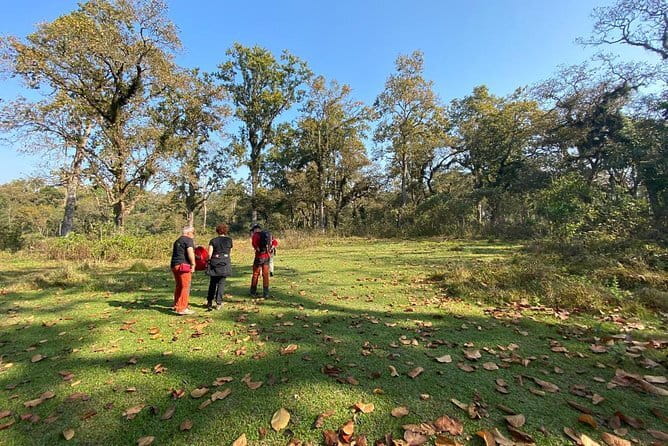
Day three is your ABC push. After an early meal, you walk through a rhododendron forest. Along the way, you might see yak herders, which adds a grounded, real-world Nepal touch to the trek. This isn’t a movie set. You’re walking through a working landscape where animals and livelihoods still show up.
After lunch, you continue toward Annapurna Base Camp. The main idea here is that your day is staged. Morning work in a forest setting becomes afternoon work that leads to the destination itself. You also get a sense of how high and exposed the area becomes as you get closer.
When you reach ABC, you’re staring at the kind of mountains that feel bigger than maps. The view is the point, but the bigger value is the feeling of having earned it. You’ll have time to rest, take in the peaks, and rehydrate properly before the next day’s early start.
Practical tip: take your rest breaks seriously. At altitude, the difference between feeling okay and feeling miserable can be as simple as water intake and timing snacks.
Other Kathmandu plans with a guide already on the ticket
Day 4 sunrise at ABC, plus Machapuchchhre Base Camp and Deurali
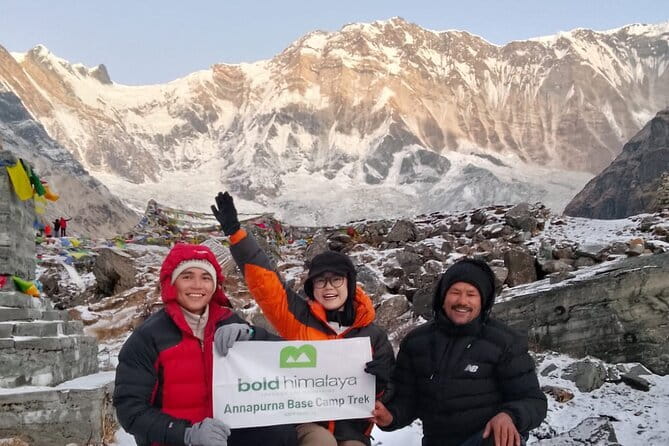
Day four is the reason many people choose Annapurna Base Camp in the first place: sunrise views over the Annapurna massif. You start early from ABC, and the idea is to catch that first clean light when the peaks look crisp and dramatic.
Then the route turns into a descent day, steady and manageable in feel. You’ll pass by Machapuchchhre Base Camp and Deurali as you work your way down through changing terrain.
Machapuchchhre matters here because it’s the sacred Fishtail peak that many trekkers associate with Annapurna. Even if you’ve seen it in photos, seeing it from the approach route can make the mountain feel more specific and close.
Deurali, meanwhile, is one of those places that helps you transition out of “destination mode” and back into “trail mode.” This day is about controlling effort. A too-fast descent can beat up your knees, so your guide’s pacing matters a lot.
If you want a simple rule: descend like you’re carrying a fragile camera. Slow down and keep your steps calm.
Day 5 down to Siwai and back to Pokhara by jeep
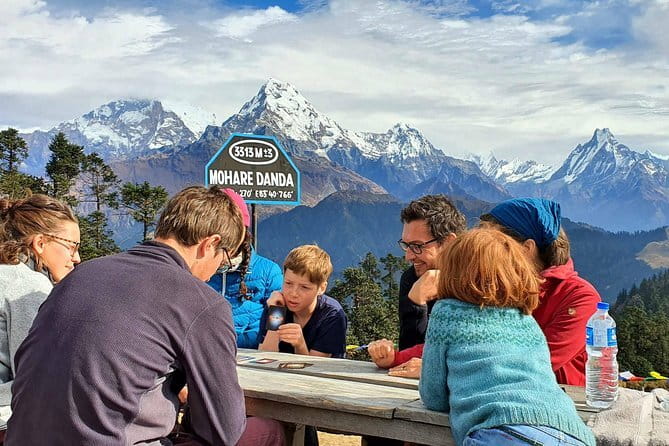
The final day focuses on getting you back down. You move beyond bamboo and descend toward Siwai through lush forest and scenic stretches. When you arrive in Siwai, your guide coordinates a jeep back to Pokhara.
That jeep arrangement is more important than it sounds. On treks, the most tiring part is not only the mountain, it’s the time gap between the mountain and the next part of your trip. Having the return transport lined up means you can plan the rest of your day in Pokhara with less stress.
Practical tip: keep your phone battery and power bank protected on the descent. You’ll likely want photos, and cold air can drain batteries faster than you expect.
What’s included, and why the value is more than the price
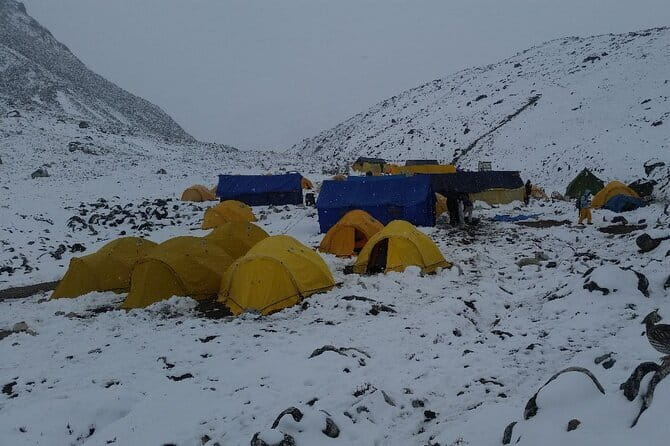
This trip is priced at $225 per person for a private guided trek with several key inclusions. When you look at the details, the value becomes clearer.
Included items you should actually care about:
- Trekking permit and TIMS card: administrative stuff that you do not want to chase while you’re traveling.
- Private transportation: pickup and the arranged jeep return back to Pokhara.
- Guide support: your guide’s salary, accommodation, meals, and insurance are included.
- Meals: breakfast (4), lunch (4), and dinner (4) are included.
- All fees and taxes: reduces the chance of surprise costs.
- Some seasonal fruits: small, but the kind of extra that feels thoughtful on a trek.
This package also covers your basic fueling plan. When meals are included, you’re less tempted to skip meals because the tea house schedule is confusing or because you’re tired. That matters for energy, altitude comfort, and keeping the trek enjoyable.
What’s not included:
- extra meals, dessert items
- drinks
- travel insurance
- tips for the trekking crew
A balanced way to think about it: $225 is a low-ish figure for a private, multi-day trek with permits and meals included. If you already know you’ll buy lots of drinks and snacks along the way, you should budget a bit extra. Also, don’t treat travel insurance as optional. It’s not listed as included here.
The guide and porters: the real reason this trek runs smoothly
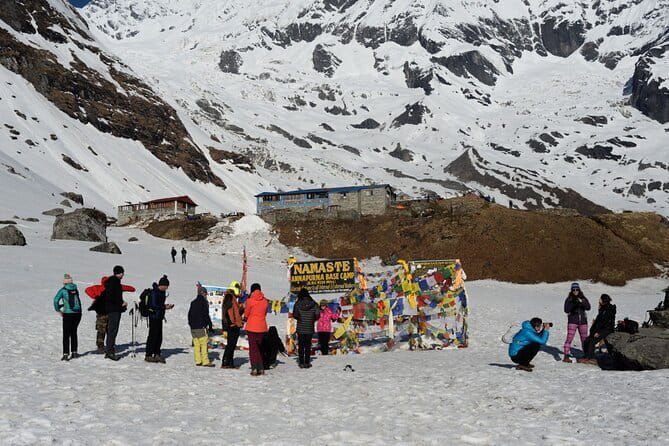
In the reviews, one name comes up repeatedly, Sirjan, and the praise is consistent. People describe him as positive, knowledgeable, and welcoming. They also say he stayed attentive, matching pace and checking in frequently, and that the team made them feel comfortable and supported.
I take that seriously because on a trek like this, the guide is not just a person holding the map. A good guide manages:
- pacing and rest timing
- how the group handles early starts
- how you respond when weather and visibility shift
- how you handle the emotional side of altitude, when confidence dips
Porters are part of that same equation. In at least one account, the group traveled with a guide and three porters. That kind of support can turn a stressful trek day into a more enjoyable one, especially if you’re carrying less weight and moving more calmly.
If you want to choose well for your own comfort: ask your guide how they handle pace. If your guide is responsive and adjusts to your group, it’s a good sign for the whole trip.
Hot springs at Jhinu Danda, plus Gurung culture on the way
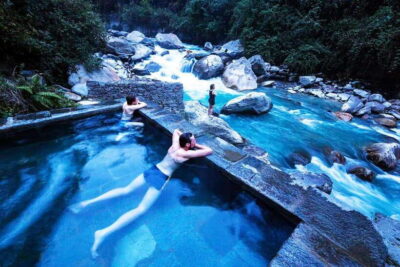
Two highlights are built into the overall experience plan even if you don’t focus on them day by day. One is natural hot springs at Jhinu Danda, where you can relax tired muscles after a big walking block. The second is cultural immersion, especially passing through traditional villages linked with Gurung culture.
These elements add something that pure scenery sometimes misses. Tea houses are part of the journey, but village passes and cultural stops help the trek feel connected to real life, not just a corridor of views. And the hot springs are a practical recovery tool. Your legs will notice.
Practical tip: bring a small towel or travel towel if you can. Hot spring time is only comfortable if you can dry off and get back to your warm layers.
Who this private Annapurna Base Camp trek suits best
This trek is best for you if:
- you want a private setup, so your group is not stuck in a slow or fast crowd
- you like guided support for permits, meals, and pacing
- you’re aiming for Annapurna Base Camp as a clear goal, not a random hike
- you value sunrise views and want them to be part of the schedule
It also fits moderate fitness travelers. The experience notes say you should have moderate physical fitness. That doesn’t mean it’s easy. It means the plan is designed for people who can walk several hours a day and manage altitude with a sensible pace.
If you hate cold mornings, you should still plan for them. Sunrise starts are part of the deal here.
Quick FAQ for planning your ABC days
FAQ
How long is the Annapurna Base Camp trek?
It’s listed as 5 days approximately.
Is this trek private?
Yes. It’s private, and only your group participates.
What kind of transport is included?
The package includes private transportation, with pickup offered, and a jeep coordinated by your guide for the return from Siwai to Pokhara.
What permits are included?
The trekking permit and the TIMS card are included.
What meals are provided during the trek?
Breakfast is included for 4 days, lunch for 4 days, and dinner for 4 days.
Are drinks and dessert included?
No. Extra meals, dessert items, and any type of drinks are not included.
Is travel insurance included?
No. Travel insurance is not included, and tips for the trekking crew are not included either.
Should you book this 5-day private ABC trek?
If you want a guided Annapurna Base Camp experience with permits handled, meals planned, and a team that focuses on comfort and pacing, this is a strong fit. The biggest selling point in the feedback is the human side, especially the attention and warmth associated with guide Sirjan, plus the practical support from the porter team.
Book it if you’re ready to take early mornings and altitude seriously, but you still want the trek to feel fun. Pass or reassess if you know you struggle with cold starts or you want a trip with zero physical challenge. For everyone else, this is the kind of organized trekking package that helps you spend your energy on the trail, not on problem-solving.
Kathmandu, Someone Setting the Pace
The Rest of Our Kathmandu Write Ups

Through the Sanctuary Gate
Everything else we have reviewed around Kathmandu
- 12 Days Everest Base Camp Trekking
★ 5.0 · 3 reviews - 1 Night 2 Days Chitwan Jungle Safari Tour from Pokhara or Kathmandu
★ 3.0 · 3 reviews - Thamel Rickshaw tour
★ 4.7 · 3 reviews - Kathmandu: Momo Making Class with a Local Chef
★ 5.0 · 3 reviews - Kathmandu: Full-Day Yoga, Body Massage and Pedicure Package
★ 5.0 · 3 reviews - From Kathmandu / Pokhara / Chitwan: River Rafting – 1 Day
★ 4.6 · 3 reviews
Annapurna Base Camp Treks worth a second look.
 ★ 5.0Annapurna base camp trek 5 DaysFrom $699252 reviews
 ★ 5.0Annapurna Base Camp TrekFrom $935111 reviews
 ★ 5.0Kathmandu to Annapurna Base Camp (ABC) 5-Day TrekFrom $99102 reviews
 ★ 5.0Annapurna Base Camp Trek 12 DaysFrom $80085 reviews
★ 5.0Annapurna Base Camp TrekFrom $92580 reviews
★ 5.0Annapurna Base Camp Trek 12 DaysFrom $80085 reviews
★ 5.0Annapurna Base Camp TrekFrom $92580 reviews
 ★ 4.95-Day Annapurna Base Camp (ABC) TrekFrom $9672 reviews
★ 5.0Annapurna Base Camp TrekFrom $69959 reviews
★ 4.95-Day Annapurna Base Camp (ABC) TrekFrom $9672 reviews
★ 5.0Annapurna Base Camp TrekFrom $69959 reviews
 ★ 5.011-Day Hike Tour to Annapurna Base Camp Bliss in KathmanduFrom $1,30052 reviews
Lists this tour sits in