
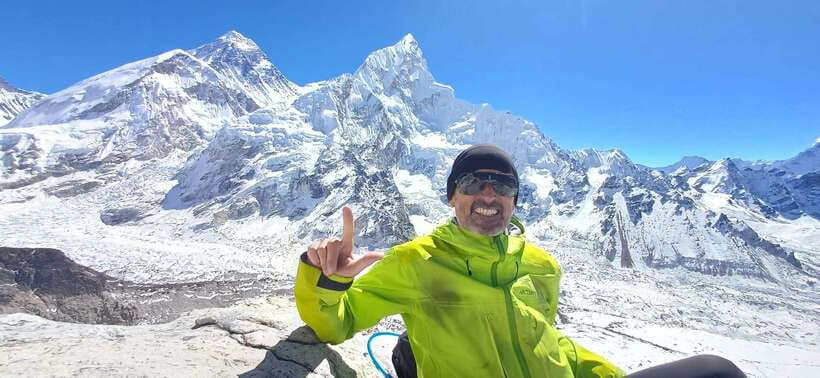
REVIEW · EVEREST BASE CAMP TREKS
From Kathmandu: Guided Everest Base Camp Trek
Thin air starts early on this trek. From Kathmandu, you take an easy first step into the Everest region and then follow a smart altitude rhythm toward Everest Base Camp. I especially like the built-in acclimatization time in Namche Bazaar and the way the schedule includes both Tengboche monastery rituals and the big final payoff around Kala Patthar. The main drawback to consider is the effort level, the altitude strain, and the simple fact that weather can change what you see day to day.
This is the kind of trip that feels real, not just scenic. You’ll pass through Sherpa communities, spend time around monasteries, and move through UNESCO-listed Sagarmatha National Park terrain where wildlife is possible but not guaranteed. On top of that, you get an English-speaking guide, and solo hikers in the experience I reviewed highlighted strong, practical support from guides like Saran and Prayas, plus planning help from organizer Rajesh.
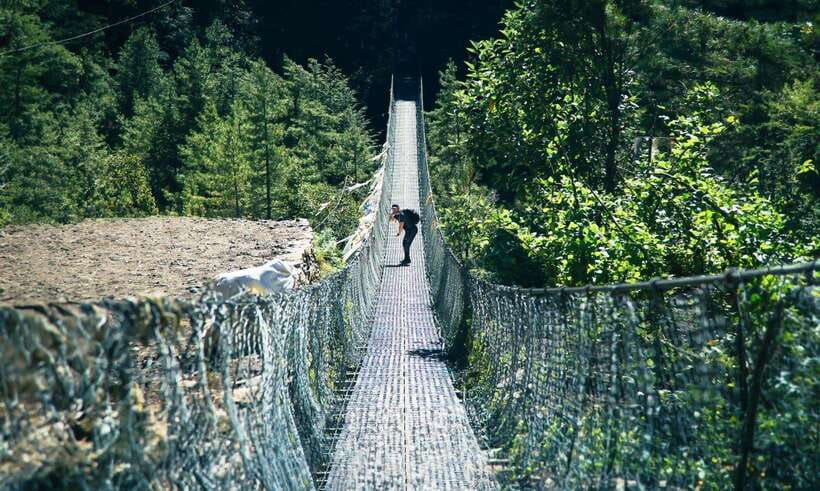
If you want iconic mountains with a cultural layer, this works. If you’re hoping for a leisurely walk with no steep sections, this one will feel like work. The trek is designed as a challenge, with ascents, descents, and suspension bridges that ask you to pace well.
In This Review
- Key highlights worth caring about
- Kicking off from Kathmandu, then landing in the Everest region
- Phakding to Namche: the gateway test and why pace matters
- Namche Bazaar acclimatization day: use it, don’t just sit
- Tengboche monastery at 3,800m: views plus Buddhist rituals
- Dingboche rest day at 4,400m: when your body asks for patience
- Lobuche, Gorak Shep, and Everest Base Camp at 5,365m
- Kala Patthar for sunrise at 5,545m: the payoff you plan for
- The cultural thread: Sherpa life, villages, and monastery moments
- Sagarmatha National Park: UNESCO terrain and real-world wildlife possibilities
- Price and value: what $408 covers, and what it does not
- Who should book this Everest Base Camp trek?
- Should you book this trip or keep looking?
Key highlights worth caring about
- Acclimatization in Namche Bazaar so you do not just climb, you adapt.
- Tengboche monastery prayer rituals with panoramic Everest-range views.
- Support from guides like Saran and Prayas noted for English clarity and real help with your pace.
- Sagarmatha National Park permit included for a smoother, less bureaucratic trek.
- Gorak Shep to Everest Base Camp link-up plus Kala Patthar for sunrise views when conditions allow.
- Small group trekking that keeps the experience personal without feeling crowded.
Other routes to Base Camp, side by side
Kicking off from Kathmandu, then landing in the Everest region
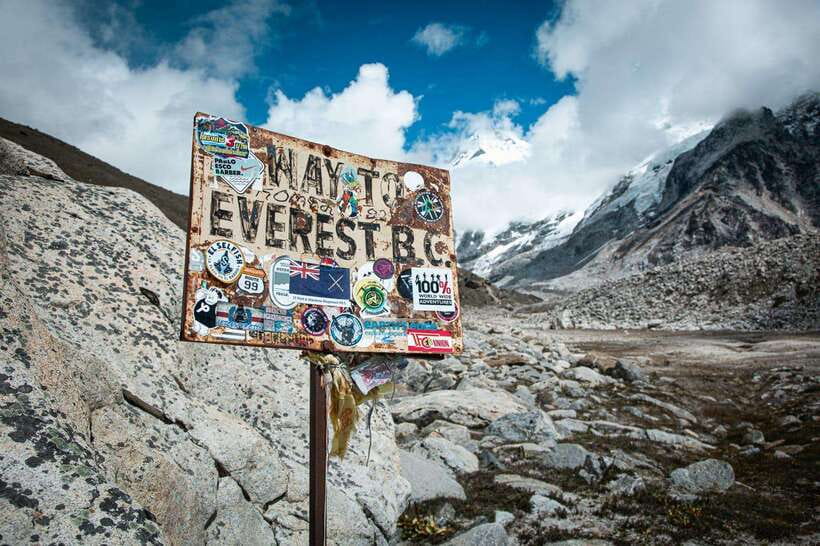
Most trekkers start in Kathmandu and then head for Lukla by domestic flight if you selected that option. Day 1 typically means flying to Lukla and trekking on to Phakding, at about 2,610 meters. It’s a great moment to get moving without going straight into “high altitude alarm mode.”
Phakding is the kind of first stop where your body starts noticing the difference. You are not at peak elevation yet, but the air feels thinner than at sea level. You’ll use this day to find your rhythm, settle in, and start paying attention to breathing, not just legs.
The value here is not just that you save time. It’s that you begin the trek with a manageable on-ramp, so your later acclimatization days can work.
Phakding to Namche: the gateway test and why pace matters
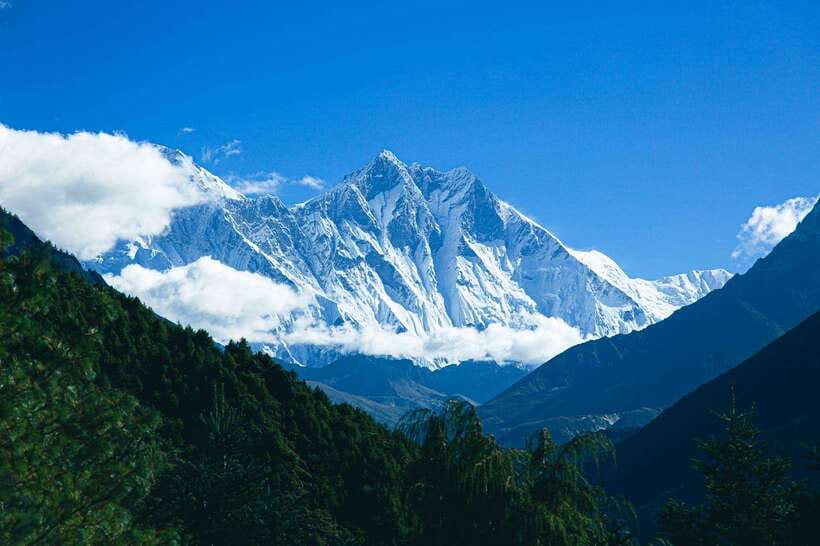
From Phakding, you head toward Namche Bazaar, around 3,440 meters. This is a classic Everest-region step up, and it is where many first-time trekkers learn the lesson of pacing: slow is fast at altitude.
Namche Bazaar is more than a checkpoint. It’s the gateway town where you can acclimatize, shop for local crafts, and get pulled into Sherpa life at a human scale. After reaching Namche on Day 2, you then get an acclimatization day there (Day 3). That extra time is huge because it turns a “climb and hope” trek into a “climb and adjust” trek.
If you are prone to rushing, or if you tend to feel fine and then pay for it later, that Namche rest day is your safety net.
Namche Bazaar acclimatization day: use it, don’t just sit
Your acclimatization day in Namche is where you support your body. Even though the trek schedule gives you a full day at about 3,440 meters, you still need to be smart with effort. The goal is to help your body handle altitude, not to treat the day like a vacation day in a hotel lobby.
What makes this stop especially valuable is the setting. Namche has the energy of a trekking town, so you’ll feel connected to the route, but you also get time to watch others and reset your plan. In the experiences I reviewed, solo hikers appreciated the way guides helped with day-to-day pacing and check-ins, which is exactly what you want on acclimatization day.
In other words, this is where you build confidence in how the trek will feel on the harder days ahead.
Tengboche monastery at 3,800m: views plus Buddhist rituals
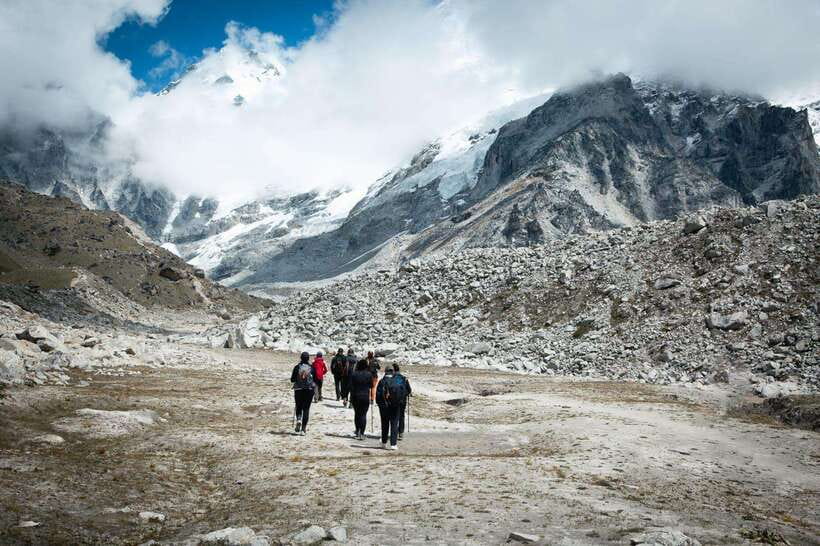
After Namche, you trek to Tengboche, around 3,800 meters (listed as Tyangboche in the schedule). This is where the Everest trek starts to feel more spiritual and less purely physical.
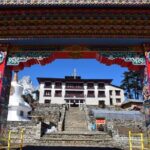
Tengboche is known for its Buddhist monastery and daily ceremonies. You’re not just walking past a building. You’ll see prayer rituals and experience the calm structure that local communities bring to the high mountains. And you’re also positioned for wide views of the Everest range.
The practical upside of this day is pacing again. You climb, but you’re rewarded with a change in pace and a mental break from trekking pressure. The possible downside is that monastery visits and viewing time can make you linger, and lingering can mean cold feet and tired energy. Bring a plan to keep moving when you need to.
Other Kathmandu plans with a guide already on the ticket
Dingboche rest day at 4,400m: when your body asks for patience
Next comes Dingboche at about 4,400 meters, followed by a rest day there. This is another altitude support moment. Dingboche is where the trek often shifts from “adventure” to “serious trekking,” because the air keeps thinning.
The schedule gives you a rest day in Dingboche, which is a strong sign the trek operator understands altitude risk. It also helps you manage the rhythm of the remaining higher-elevation days. If you’ve felt a little off at 3,800 meters, this is where you either bounce back or learn quickly how to adjust your pace and expectations.
This is also where guides can matter in a big way. Solo hikers specifically credited guides for careful attention to how they felt and for helping them keep a steady pace when they were tired. That kind of real-time adjustment is not a luxury. It’s what helps you keep going when your body gets stubborn.
Lobuche, Gorak Shep, and Everest Base Camp at 5,365m
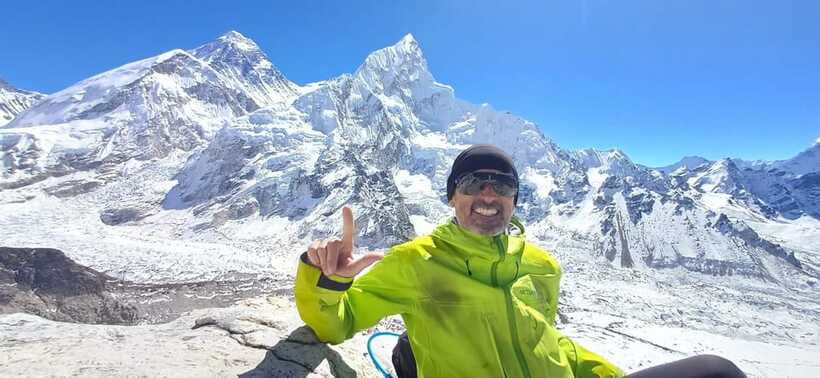
After Dingboche, you move higher to Lobuche around 4,900 meters, then onward to Gorakshep (about 5,150 meters) before reaching Everest Base Camp at roughly 5,365 meters. This is the core stretch of the route, and it has a different emotional tone than the earlier days.
Gorak Shep is described as the last settlement before the big destination. That matters. It’s where the mountains feel closer, and where your mind shifts into “this is it” mode.
From Gorak Shep, the trek continues toward Everest Base Camp. When you arrive, the experience is about standing at the foot of the world’s highest peak, with views of the Khumbu Icefall and nearby glaciers that can look surreal. It’s the kind of moment where photos are easy, but you also want to take time to breathe and let it sink in.
The drawback? This stretch demands stamina. You’re not just traveling, you’re pushing through thin air on days with long effort. If you’ve been relying on adrenaline, this is where altitude can bring you back to earth fast.
Kala Patthar for sunrise at 5,545m: the payoff you plan for
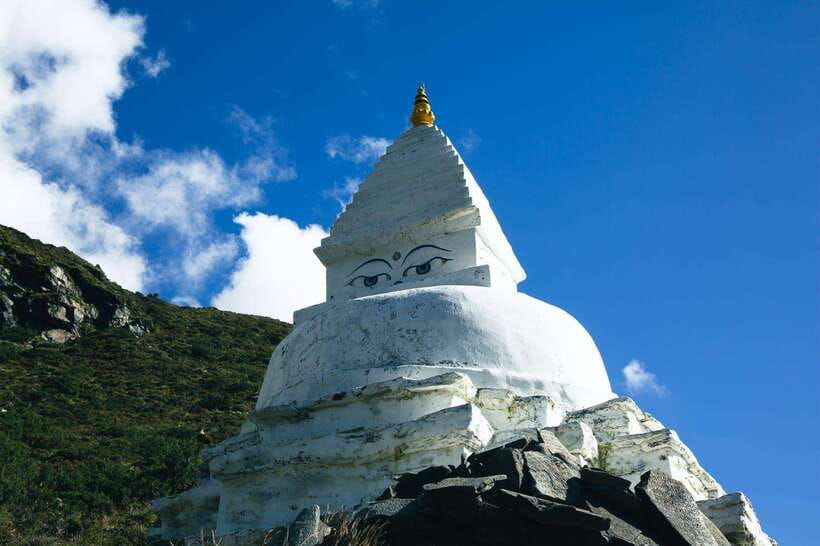
On the way back, you hike to Kalapathar at about 5,545 meters. This is the highest named viewpoint in the schedule and a classic payoff spot. The big idea is sunrise. From Kalapathar, you’re aiming for a close-up view of Mount Everest and the surrounding peaks.
This day is mentally demanding. Sunrise hikes often mean early starts, cold air, and the need to keep steady footing. But when conditions align, it’s the “why we did this” moment.
You then continue onward toward Pheriche, around 4,200 meters, which gives you a chance to come down and reset.
A key tip here is not to underestimate the day after Kalapathar. Even when you feel like you have conquered the peak, your legs will still be tired. That’s exactly when supportive guides and good pacing help keep you safe and moving.
The cultural thread: Sherpa life, villages, and monastery moments
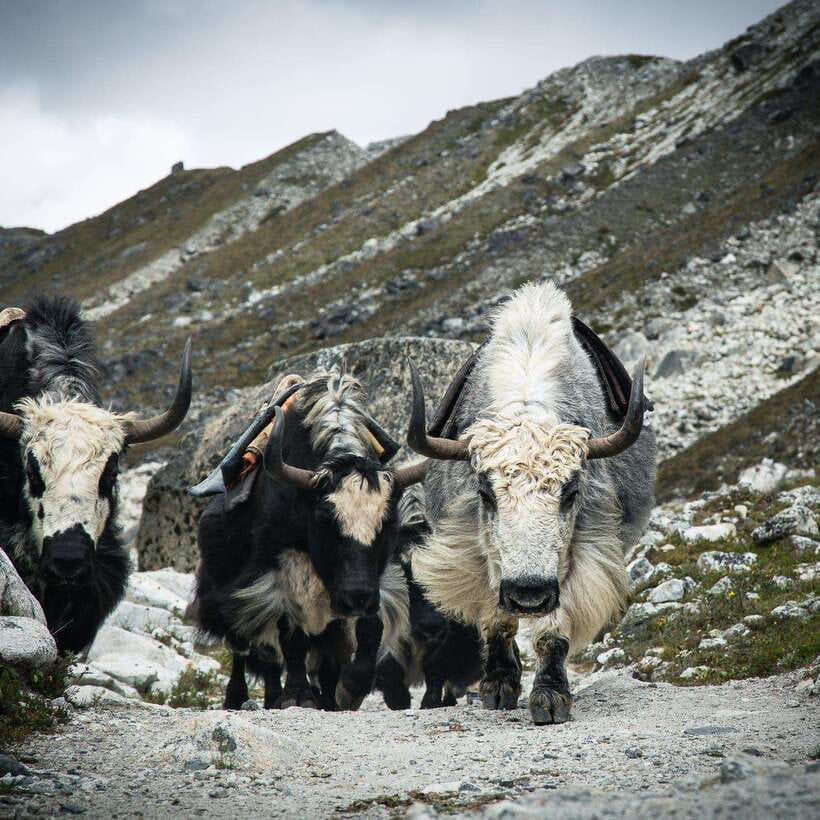
One of the best parts of the Everest Base Camp trek is that it’s not only about summit dreams. It’s a route through everyday high-mountain life.
The Khumbu region is where you’ll interact with Sherpa communities and learn about traditions, villages, and Buddhist culture. There’s a strong monastery presence, including the Tengboche stop with prayer rituals and ceremonies. If your timing lines up, you may also catch local festivals, though nothing in the provided plan guarantees specific events.
You’ll also notice how much the trek depends on local support. Even the “small things,” like how you’re guided through altitude strain, are part of how the culture shows up in practice. Solo hikers in the experiences I reviewed especially appreciated guides who made communication easy, including clear English support.
If you care about real human scale experiences in the mountains, this cultural layer makes the route feel bigger than a photo run.
Sagarmatha National Park: UNESCO terrain and real-world wildlife possibilities
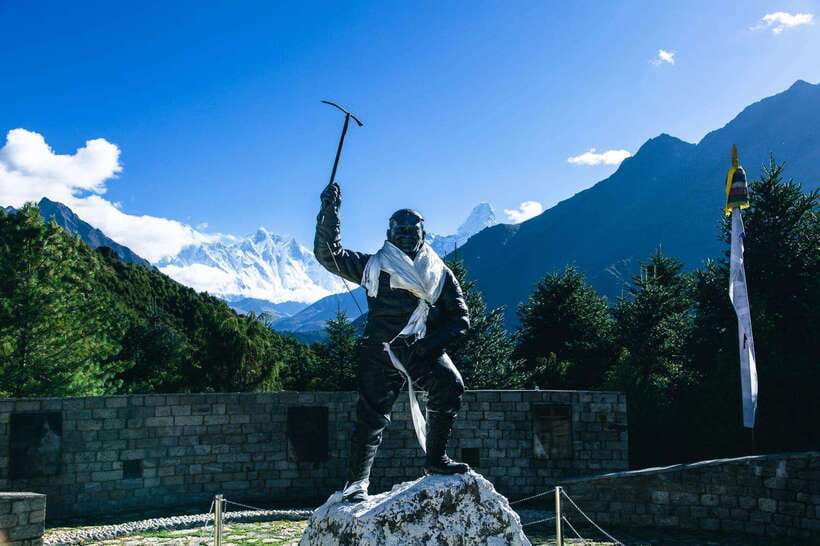
Your route passes through Sagarmatha National Park, a UNESCO World Heritage-listed area. That matters because it signals that the landscape is protected, and it explains why you get a park permit included in your trekking package.
The park is described as home to diverse flora and fauna, including rare Himalayan wildlife like snow leopards, musk deer, and Himalayan tahrs. Here’s the honest framing: you might see wildlife, but you should not plan your trip around guaranteed sightings. The real win is being in the protected high-mountain environment where these species live.
Even if you never spot an animal, the park context adds meaning. This trek is not just “walking to a view.” It’s traveling through a conserved mountain region with strict boundaries and a sense of place.
Price and value: what $408 covers, and what it does not
At $408 per person for a 12-day trek, the value depends on the option you select and what you compare it to. Here’s what is explicitly included: hotel pickup and drop-off, the guide, accommodation during the trek, a Sagarmatha National Park permit, and a trekking map plus a first-aid kit. You also get welcome and farewell coffee, and the package includes accommodation and food for the guide.
Food and drinks are included if you choose the full board option. Also, roundtrip domestic flights from Kathmandu to Lukla are included only if that option is selected.
What is not included is important for your budget planning. Nepal visa fees and travel insurance are not covered. And if you do not pick full board, you may be paying for meals separately along the way.
Why this matters for value: you’re paying for more than a route. You’re paying for a guide, permits, and the effort to coordinate the route between villages and elevation changes. That’s exactly where a solid guide team can reduce stress, keep you pacing safely, and help you adjust when you feel unwell.
Based on the experiences I reviewed, guides like Saran and Prayas were praised for practical support, including helping with heavy loads when needed and stepping in with help when someone fell ill toward the end of the trek. That kind of on-the-ground support is hard to price, but it’s real value if it becomes relevant to you.
Who should book this Everest Base Camp trek?
This trek makes the most sense if you want a classic, iconic route with real cultural stops and a schedule that respects altitude. The plan includes two key acclimatization anchors: Namche Bazaar and Dingboche rest time. That structure is best for first-timers who want iconic mountain views without guessing how altitude will treat them.
It also fits solo travelers who want small-group structure and English-speaking guidance. One solo traveler specifically highlighted strong communication even when English proficiency was limited, plus timely help when illness appeared near the end.
You might think twice if you dislike steep, long walking days or if you want a purely comfortable, low-effort holiday. The trek is challenging terrain by design, with rocky trails and suspension bridges included in the overall difficulty.
Should you book this trip or keep looking?
Book it if you care about three things: a well-paced altitude rhythm, a guide team that can support you through real moments on the trail, and the cultural stops that make Everest feel human, not just massive.
Keep looking if you want an itinerary with guaranteed mild weather or if you’re not ready for the effort level that comes with 12 days of ascents and descents. Also, double-check which options you choose for domestic flights and full board, because those choices can change your true total cost.
If you do book, my best advice is simple: trust the slow part of the plan. The Namche and Dingboche days are not filler. They are how you give yourself a better shot at reaching Everest Base Camp and still having the energy to enjoy Kalapathar at sunrise.
Kathmandu, Someone Setting the Pace
The Rest of Our Kathmandu Write Ups

Base Camp, Three More Ways
Everything else we have reviewed around Kathmandu
- 12 Days Everest Base Camp Trekking
★ 5.0 · 3 reviews - 1 Night 2 Days Chitwan Jungle Safari Tour from Pokhara or Kathmandu
★ 3.0 · 3 reviews - Thamel Rickshaw tour
★ 4.7 · 3 reviews - Kathmandu: Momo Making Class with a Local Chef
★ 5.0 · 3 reviews - Kathmandu: Full-Day Yoga, Body Massage and Pedicure Package
★ 5.0 · 3 reviews - From Kathmandu / Pokhara / Chitwan: River Rafting – 1 Day
★ 4.6 · 3 reviews
Everest Base Camp Treks worth a second look.
 ★ 5.0Everest Base Camp Trek – 14 DaysFrom $1,8001,499 reviews
 ★ 5.0Everest Base Camp TrekkingFrom $1,350485 reviews
 ★ 5.0Everest Base Camp Trekking – 13 DayFrom $1,399365 reviews
★ 5.0Everest Base Camp Trek -14 DaysFrom $1,420321 reviews
 ★ 5.0Everest Base Camp Trekking – 2025/2026From $1,339199 reviews
 ★ 5.0Everest Base Camp TrekFrom $1,408193 reviews
 ★ 5.0Everest Base Camp Trek with Helicopter Return from Gorakshep to LuklaFrom $3,000161 reviews
14-Days Private Everest Base Camp TrekFrom $1,600152 reviews
Lists this tour sits in