
REVIEW · EVEREST BASE CAMP TREKS
Kathmandu: 15-Day Everest Base Camp Trek with Guide
Lukla to Everest Base Camp is a serious test of breath and patience. What makes this trek feel worth it is the built-in Kathmandu culture day (Durbar Square, Swayambhunath, Boudhanath, and Pashupatinath) plus the support of an English-speaking Sherpa guide who can explain what you’re seeing and keep you moving safely.
The main consideration: flights into Lukla can be weather-dependent, so you should plan for possible schedule changes and accept that clouds can hide the views at times.
In This Review
- Key takeaways before you go
- Kathmandu First Look: Durbar Square, Swayambhunath, Boudhanath, Pashupatinath
- Lukla Flight and Phakding Start: The Easy Trek That Sets the Pace
- Namche Bazar Climb and the 3850 Meters Syangboche Acclimatization Hike
- Tengboche Monastery and Dingboche Villages: Sherpa Life Gets Closer
- Chhukung Valley Day Trip and the Road to Lobuche and Gorakshep
- Kalapathar Sunrise, the Base Camp Approach, and Your Descent Rhythm
- Lodges, Meals, and Gear: What’s Included and What You Still Need to Budget
- Small Groups and Sherpa Guidance at Altitude: Safety Plus Meaning
- Price and Logistics: How $675 Stacks Up, After You Add Flights and Meals
- Who This Everest Base Camp Trek Fits Best
- Should You Book This 15-Day Everest Base Camp Trek from Kathmandu?
- FAQ
- How long is the Kathmandu to Everest Base Camp trek?
- Where does the experience start and end?
- Do I get a guide, and what language do they speak?
- What permits and national park access are included?
- Are flights to Lukla included in the price?
- Are meals included during the trek?
- Can I cancel for a full refund?
Key takeaways before you go
- Kathmandu first, not last: you get a private-car sightseeing day before the long trek starts.
- Licensed Sherpa guidance: you’re trekking with an expert English-speaking Sherpa guide who adds context on the way.
- Acclimatization built into the route: rest and altitude hikes show up on purpose, not by accident.
- Classic Everest scenery stops: Namche, Tengboche, Dingboche, Gorak Shep, Kalapathar, and Pheriche are all part of the arc.
- Small-group feel: tailored pacing for a more intimate experience than cattle-train trekking.
Other routes to Base Camp, side by side
Kathmandu First Look: Durbar Square, Swayambhunath, Boudhanath, Pashupatinath
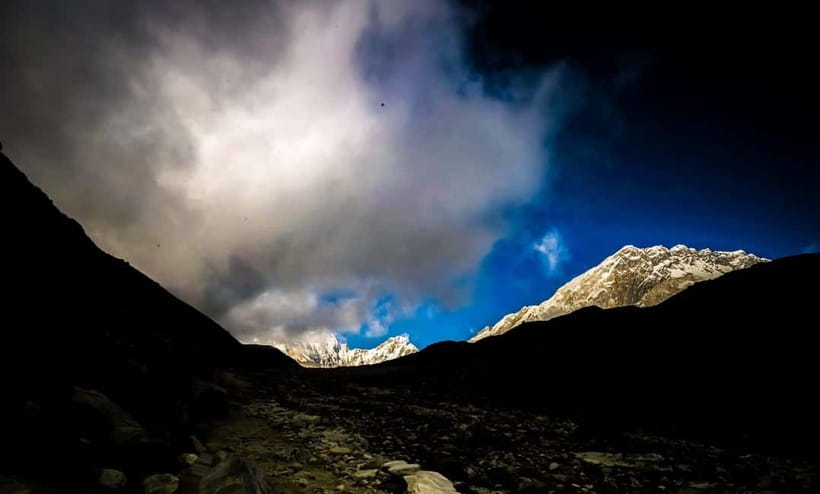
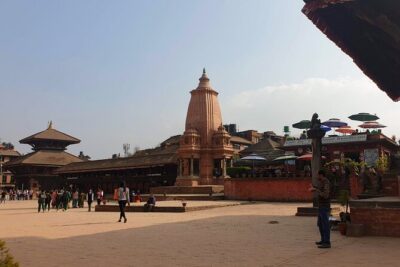
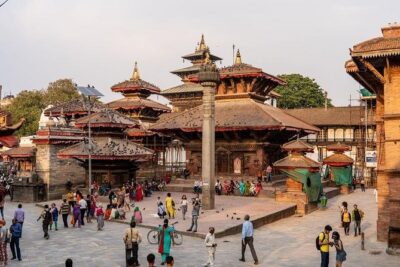
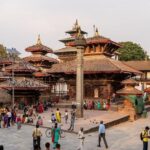
Day 2 is your pressure-release valve. Before you chase thin air, you tour Kathmandu by private car with your guide, hitting Durbar Square, Swayambhunath, Boudhanath, and Pashupatinath, the cremation temple. This matters because it helps you understand the local faith you’ll keep seeing around the trekking corridor, from prayer flags to monastery life.
I like that this is not some random stop list. Your guide connects the dots between what looks spiritual and what you’ll experience later at Tengboche and other monasteries up the route. Also, arriving on Day 1 with a private transfer means you’re not scrambling for basics while you’re still adjusting to Nepal time.
One practical tip: take your sunglasses on Day 2 too. Kathmandu sun can be sneaky, and you’ll be wearing them later on windy ridgelines where glare from ice and snow makes everything feel brighter.
Lukla Flight and Phakding Start: The Easy Trek That Sets the Pace
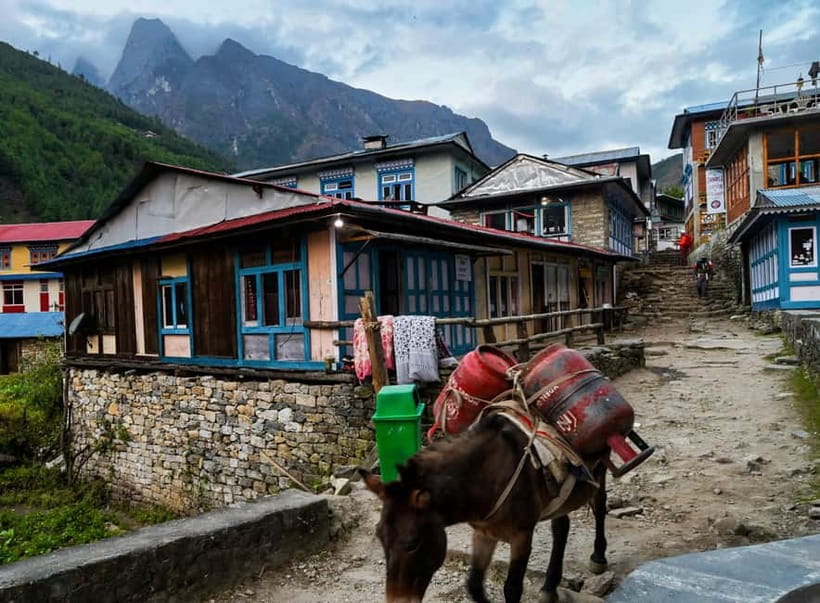
Day 3 is the jump from city to mountains. After flying from Kathmandu (Ramechhap) to Lukla, you do an easy trek to upper Phakding for the night. The early walking is not about suffering. It’s about getting your legs used to altitude and routine: steady steps, frequent rests, and learning how you respond when your body is working harder than it looks.
From there, the route stays tied to the Sagarmatha National Park area, including encounters with Buddhist monasteries and friendly Sherpa communities. Those early days are where the trek turns from a physical activity into a full travel experience. You’re walking through a living culture, not just a photo backdrop.
The big reality check: Lukla flights can be delayed by weather. One person in the feedback had to attempt the Lukla connection twice and had to switch plans when it did not work out. That’s not something you can control, so your best move is mental, not medical, you go in with flexibility.
Namche Bazar Climb and the 3850 Meters Syangboche Acclimatization Hike
On Day 4, you trek to Namche Bazar following the Dudh Koshi valley. It’s a climb with constant reward: rhododendron forests, Everest-region views, and Namche as that classic staging town where you can finally feel the scale of what’s ahead.
Day 5 is the smartest part of the itinerary: rest for acclimatization, not rest because the schedule is slow. You hike up to Everest View Point Hotel Syangboche at 3850 meters, then come back to recover. That pattern, going higher then sleeping lower, is how you reduce the odds of altitude trouble. You’ll still feel the altitude, but you’ll feel it with a plan.
I like this because you’re not left to guess. If you’ve never done altitude trekking, the route gives you a built-in lesson. You learn how your breathing changes, how your legs adapt, and how to listen to your body before you push higher toward Everest.
Tengboche Monastery and Dingboche Villages: Sherpa Life Gets Closer
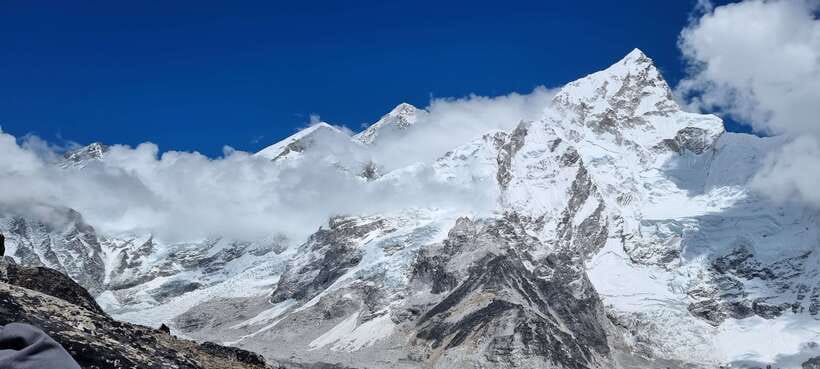
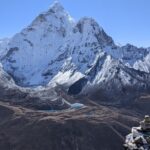
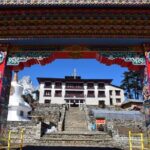
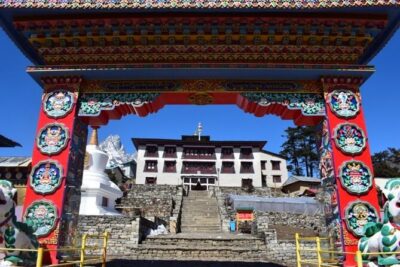
Day 6 takes you from Namche toward Tengboche. The weather can be chilly, and after a couple hours of climbing you reach Thyangboche Monastery, at about 3,867 meters. It’s on a ridge, so the views feel like they open up suddenly, even if your legs are still complaining.
Day 7 moves you onward to Dingboche. The walking passes through villages such as Imja Khola, Pangboche, and Pheriche before you reach the Khumbu glacier area. This is where you see how Sherpa life threads through the terrain. Even if you stick to your routine, the villages nudge you to slow down and watch daily life.
If you care about culture as much as scenery, this is one of your payoff days. Monasteries are not just buildings here. They’re part of how people pace their lives around mountains, seasons, and community events.
Other Kathmandu plans with a guide already on the ticket
Chhukung Valley Day Trip and the Road to Lobuche and Gorakshep
Day 8 is a full day trip to Chhukung Valley and then back to Dingboche. It’s described as one of the world’s best hikes in the itinerary outline, and the practical reason it’s worth doing is focus. One extra day like this gives you variety, so the trek doesn’t become a single long grind of moving forward every day.
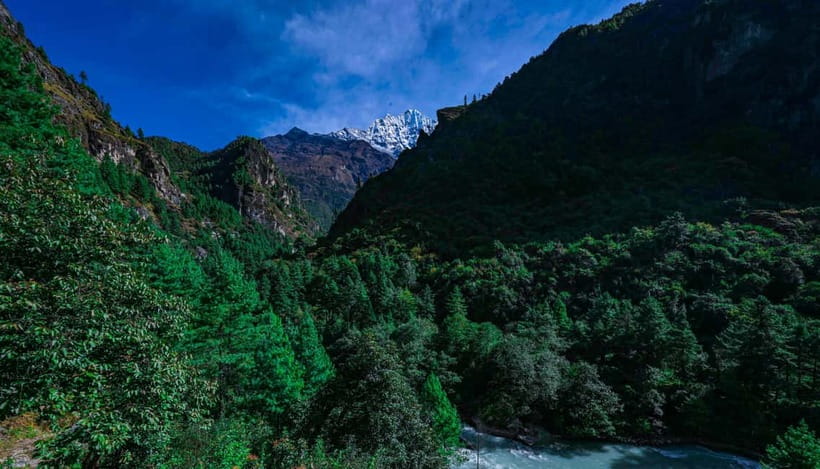
Day 9 heads to Lobuche. The day is about settling in higher up, resting, and admiring the way the terrain looks when you’re surrounded by more frozen rock and ice than forest. Even when visibility is not perfect, the setting still feels dramatic because the environment is so stark.
Day 10 brings you to Gorakshep. You’re heading toward the small settlement by a frozen lake, which is the departure point for Everest Base Camp. That matters psychologically too. By the time you’re at Gorakshep, you understand that the trek is shifting from “journey” to “almost there.”
Kalapathar Sunrise, the Base Camp Approach, and Your Descent Rhythm
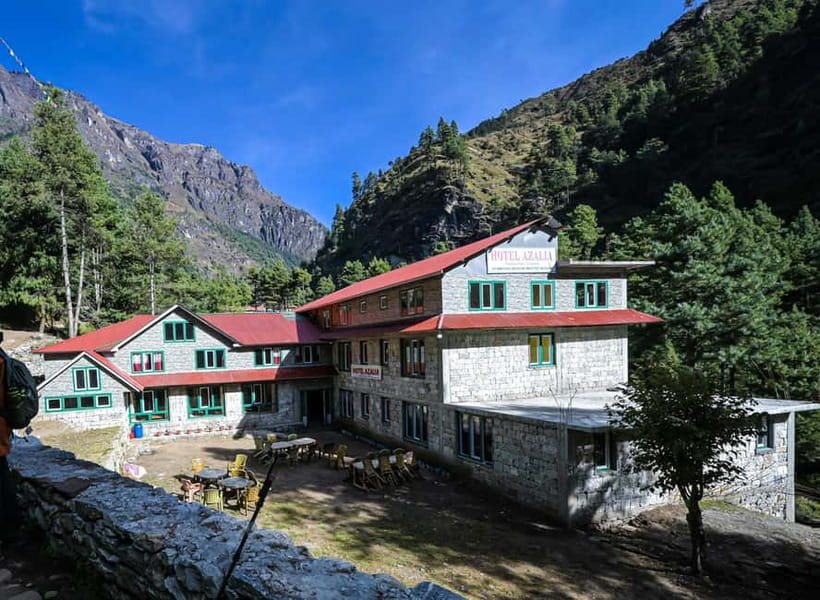
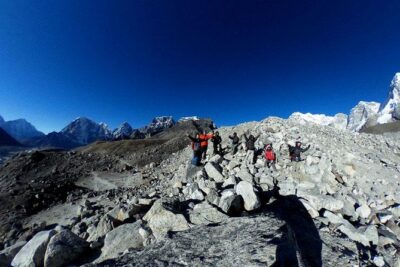
Day 11 is early, on purpose. You hike to Kalapathar and Pheriche, then head back. Kalapathar is famous for a reason, but what I’d emphasize for your planning is timing. Early starts matter on Everest treks because weather can change fast, and clear windows often arrive near sunrise.
Day 12 is your descent toward Namche Bazar. You stop again at Namche to acclimatize, which keeps the trip from turning into a straight plunge down. That stop is key for comfort and safety, especially if you had a tough night earlier in the week.
Day 13 takes you back to Lukla. The itinerary calls it a long walk, but the benefit is simple, your daily effort gets rewarded with that last stretch of downhill relief and the feeling of finishing what you started. Day 14 then brings the flight back to Kathmandu and a hotel night to recover before your departure on Day 15.
One real-world note from the feedback: even when days were cloudy and rainy, an early clear moment around Gorak Shep was enough to make the trip feel complete. So if you hit bad weather, don’t assume it’s all over. Conditions can flip.
Lodges, Meals, and Gear: What’s Included and What You Still Need to Budget
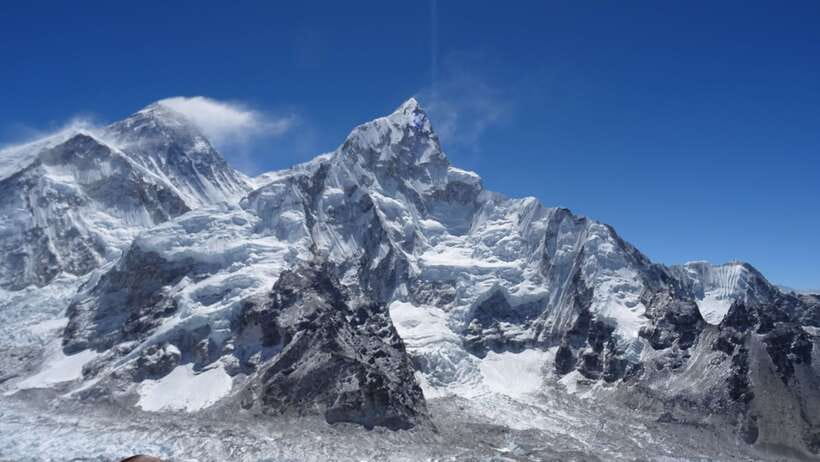
Accommodation is part of the value here. You get standard hotels in Kathmandu for 3 nights, and during the trek you stay in the best available guest houses. That’s a big deal in mountain trekking, because you’re usually trading “comfort” for “reliable shelter,” and this service tries to keep that trade reasonable.
Gear is another inclusion that reduces costs and stress: the trek can provide a down-filled jacket and sleeping bag if needed. If you’re traveling from overseas, this can save the hassle of renting or transporting bulky items. You still need comfortable shoes, and the packing list specifically calls out sunglasses too.
Food is where people often misjudge budgets. Breakfast, lunch, and dinner during the trek are not included, and the itinerary also excludes alcoholic and cold and hot drinks. So you should expect to pay for meals day by day, and it’s smart to carry a little extra cash for snacks. At altitude, small calories can make a big difference in how you feel.
Small Groups and Sherpa Guidance at Altitude: Safety Plus Meaning
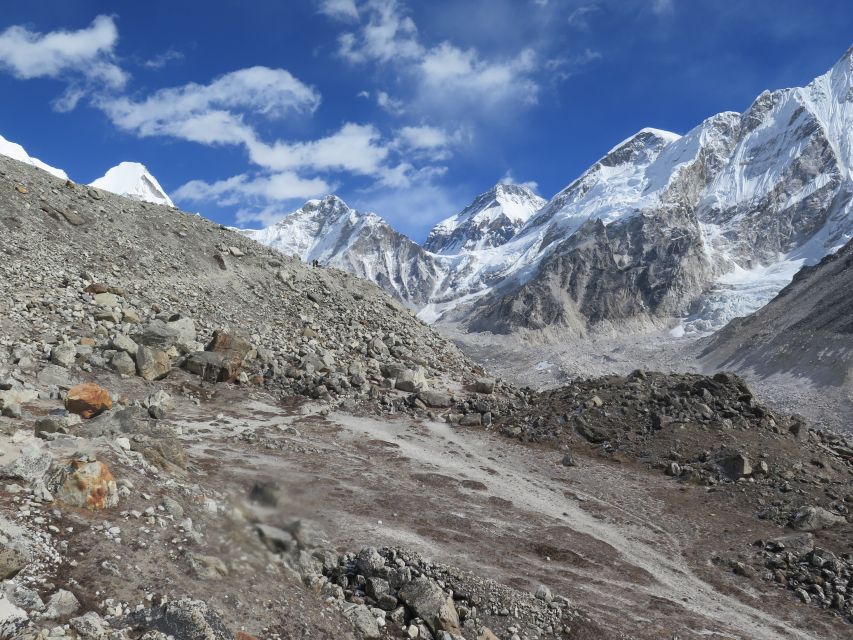
This trek leans on human support, not just logistics. The highlights promise tailored itineraries and small group sizes, and the included piece is an expert licensed holder English speaking Sherpa guide. In practical terms, that means you get someone who can explain what’s happening with altitude, weather, and daily route choices.
The names that show up in feedback give you a sense of the team style. Kale Prakash is praised for attentive care when someone got sick, and Dillisher Katuwal is described as world class for mountain experience and safety. Other guides and organizers also come up, including Gokul, Kali, Kumar, and Santos. You cannot assume any one guide will be assigned to you, but the repeated pattern is consistent, people remember the care and communication.
If you’re the type who likes asking questions, this matters. Monastery stops and Sherpa villages are easier to appreciate when someone explains not just what you see, but why it matters. And when your breathing slows and your legs feel heavy, a good guide helps you keep the plan simple.
Price and Logistics: How $675 Stacks Up, After You Add Flights and Meals
The listed price is $675 per person, and that’s for a lot of the hard-to-coordinate pieces. It includes airport pickup and drop-off in Kathmandu by private car, the guided city tour, guest house trekking lodging, the Sherpa guide, and required permits (Everest National Park permits and TIMS). It also covers staff food, accommodation, salary, insurance, equipment, and medicine, plus government taxes.
But to understand true value, you need to add what’s not included. Airfare from Kathmandu (Ramechhap) to Lukla and back is not included, and it’s specifically called out as optional services you can reserve. Meals on the trek are not included either. Porters to carry your luggage are also not included, though they can be added as an optional add-on with shared carrying.
So the honest way to think about $675 is this: it covers the trip’s backbone. You pay extra for flights and day-to-day food. If you already have gear, you might find this keeps your overall cost under what you’d pay for a fully private guided trek. If you don’t have gear and you also need a porter, the final tally will climb.
And there’s one more logistics truth. Lukla is the choke point. Weather can delay flights, which can force schedule changes. One participant had to swap away from Everest Base Camp after flight attempts failed. That doesn’t mean you will have the same outcome, but you should treat Lukla as a real variable in your budget and your expectations.
Who This Everest Base Camp Trek Fits Best
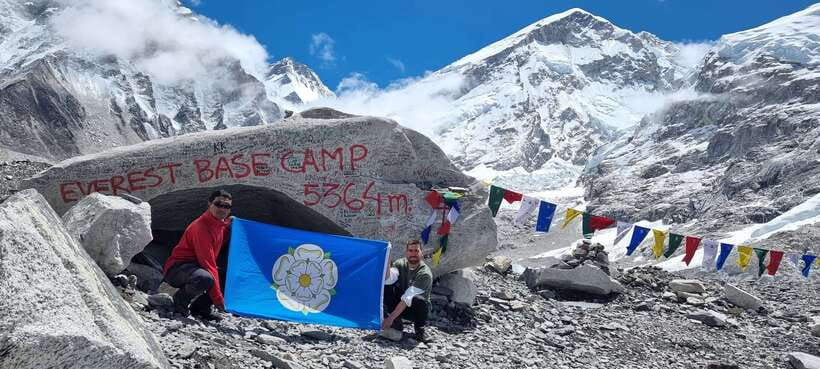
The tour says it can accommodate various fitness levels, which is typical for EBC routes that include acclimatization days. In real life, that usually means you don’t need to be a marathoner. You do need to be comfortable walking uphill day after day, and you need to accept altitude as an added layer of difficulty.
This is also a good fit if you want a blend of adventure and culture. You get a full Kathmandu sightseeing day before the mountains, and you pass through Sherpa villages and monasteries on the trek. If you want pure hiking only, you might find some of the cultural stops less central. But if you like travel with meaning, this itinerary reads like a well-balanced route.
It’s not suitable for wheelchair users, based on the tour’s stated limitation.
Should You Book This 15-Day Everest Base Camp Trek from Kathmandu?
I’d book this if you want the classic Everest route, but with enough structure that you’re not guessing your way through acclimatization and permits. The combination of private Kathmandu transport, a Kathmandu cultural day, and a licensed English-speaking Sherpa guide is exactly what you want when the stakes get higher than just sore calves.
I would not book it if you need guaranteed flight times into Lukla or you cannot handle schedule changes. Weather can disrupt plans, and views can be obscured. Your best chance at a smooth experience is to travel with a flexible mindset and pack for cold and sun.
If you’re okay with early mornings, guest house living, paying for meals on the trek, and treating the mountain like an active partner, this can be a great value way to reach Everest Base Camp territory.
FAQ
How long is the Kathmandu to Everest Base Camp trek?
The trek duration is 15 days.
Where does the experience start and end?
It starts with pickup at Kathmandu International Airport, and it ends with transfer to the international airport for your departure.
Do I get a guide, and what language do they speak?
Yes. You’ll have an expert licensed holder English speaking Sherpa guide.
What permits and national park access are included?
Everest National Park permits and TIMS trekking permits are included.
Are flights to Lukla included in the price?
No. Airfare from Kathmandu (Ramechhap) to Lukla and back to Kathmandu is not included, but optional services can be reserved or booked on your request.
Are meals included during the trek?
No. Breakfast, lunch, and dinner during the trek are not included.
Can I cancel for a full refund?
Yes. Free cancellation is available up to 7 days in advance for a full refund.
Kathmandu, Someone Setting the Pace
The Rest of Our Kathmandu Write Ups

Base Camp, Three More Ways
Everything else we have reviewed around Kathmandu
- 12 Days Everest Base Camp Trekking
★ 5.0 · 3 reviews - 1 Night 2 Days Chitwan Jungle Safari Tour from Pokhara or Kathmandu
★ 3.0 · 3 reviews - Thamel Rickshaw tour
★ 4.7 · 3 reviews - Kathmandu: Momo Making Class with a Local Chef
★ 5.0 · 3 reviews - Kathmandu: Full-Day Yoga, Body Massage and Pedicure Package
★ 5.0 · 3 reviews - From Kathmandu / Pokhara / Chitwan: River Rafting – 1 Day
★ 4.6 · 3 reviews
Everest Base Camp Treks worth a second look.
 ★ 5.0Everest Base Camp Trek – 14 DaysFrom $1,8001,499 reviews
 ★ 5.0Everest Base Camp TrekkingFrom $1,350485 reviews
 ★ 5.0Everest Base Camp Trekking – 13 DayFrom $1,399365 reviews
★ 5.0Everest Base Camp Trek -14 DaysFrom $1,420321 reviews
 ★ 5.0Everest Base Camp Trekking – 2025/2026From $1,339199 reviews
 ★ 5.0Everest Base Camp TrekFrom $1,408193 reviews
 ★ 5.0Everest Base Camp Trek with Helicopter Return from Gorakshep to LuklaFrom $3,000161 reviews
14-Days Private Everest Base Camp TrekFrom $1,600152 reviews
Lists this tour sits in