
REVIEW · ANNAPURNA CIRCUIT TREKS
Kathmandu: 8-Day Annapurna Circuit Trek via Thorong La Pass
Thorong La is the high point. This 8-day Annapurna Circuit trek stacks Thorong La Pass drama with village life in Upper Pisang and a spiritual finish at Muktinath. You get sweeping Himalayan views plus a route that moves you through pine valleys, alpine pastures, and one of the world’s most dramatic river canyons.
Here’s what I like: you spend your trek days with a real sense of rhythm, from forests and orchard trails to altitude stepping-stones. I also like how the plan builds in a proper Manang acclimatization day, then gets you to Thorong Phedi so the pass crossing can start early and safer.
One consideration: the trek is also fairly fast-paced, and the high pass at 5,416 meters is still a serious day, so you’ll want to be in decent trekking shape and take acclimatization seriously.
In This Review
- Key Things That Make This Trek Worth Your Time
- From Kathmandu to Chame, You Trade City Comfort for Mountain Motion
- Chame to Pisang: Pine Forests, Suspension Bridges, and Dhukur Pokhari Lunch Views
- Pisang to Manang: Braga’s Monastery Stop and the Build-Up to Real Altitude
- Manang Acclimatization Day: The One Day You Should Actually Take Seriously
- Manang to Yak Kharka: Steady Climb Past Tengi, Gunsang, and Juniper Forests
- Yak Kharka to Thorong Phedi: Alpine Pastures and the Base Camp Prep Feeling
- The Thorong La Morning to Muktinath: Why 4 AM Changes Everything
- Muktinath to Pokhara: A Long Drive, a Real Reset, and a Lakeside Night
- Price and What You Actually Get for Around $348
- Guides: Why Their Calm Matters More Than the View
- Who Should Choose This Trek, and Who Should Skip It
- Practical Tips: What to Pack and How to Avoid Trekday Surprises
- Should You Book This Annapurna Circuit via Thorong La?
- FAQ
- How high is Thorong La Pass on this trek?
- What time do you start crossing Thorong La?
- Is a sleeping bag included?
- Are meals included?
- Do I need trekking permits?
- Can I hire a porter?
- Is this trek suitable for everyone?
Key Things That Make This Trek Worth Your Time
- Upper Pisang viewpoints with big mountain sightlines as you explore Upper and Lower Pisang
- A very early Thorong La start (around 4 AM) timed to reduce strong winds
- Muktinath Temple visit in the Kali Gandaki area, a pilgrimage spot for Hindus and Buddhists
- Manang acclimatization day with viewpoints, monasteries, and a cultural museum plus optional glacial lake hikes
- Guide support that feels personal, with multiple guides (Chakra, San Bhai, Shishir, Ghanshyam) described as friendly, experienced, and reassuring
Longer Circuit loops over Thorong La
From Kathmandu to Chame, You Trade City Comfort for Mountain Motion
Your trip begins in Kathmandu, then it turns into a long, scenic travel day. You’ll ride a bus from Kathmandu to Besisahar, then switch to a local jeep for the final push to Chame. The route is part of the experience: you pass through towns, green hills, winding roads, and river and forest sections that slowly change the feel of the air.
This first day matters more than it sounds. When you start a trek with the right pace, you preserve energy for the actual climbing. And since you arrive at Chame by evening, you can settle into teahouse life without scrambling for daylight.
One practical note: this is not a short transfer day. Expect 9 to 10 hours on the bus, plus 3 to 4 hours by jeep, so plan to sit back and let the driving do its work.
Chame to Pisang: Pine Forests, Suspension Bridges, and Dhukur Pokhari Lunch Views
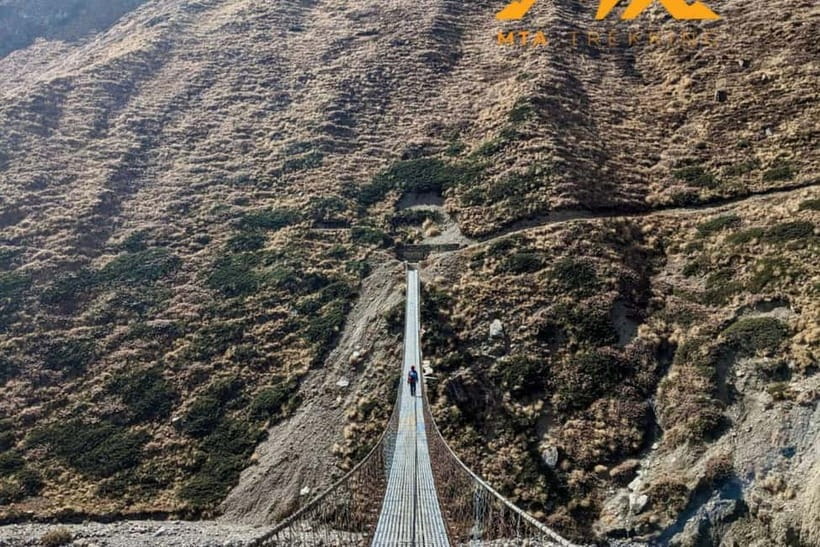
On day two you start trekking from Chame into a gentler rhythm: pine forests and apple orchards. It’s the kind of scenery that makes early mornings feel worth it, because the trail doesn’t immediately feel like a wall. You’ll also cross a suspension bridge, then keep climbing toward Dhukur Pokhari for lunch.
Lunch here is a good example of why this trek works. You’re not just “making miles.” You’re pausing in a place that gives you a view and a chance to adjust before the next segment.
From Dhukur Pokhari you continue to Pisang, and the mountain payoff starts showing up. The area is known for views of Annapurna II, Annapurna IV, and Pisang Peak. Once you reach Pisang, you’ll explore both Upper and Lower Pisang before staying at a teahouse.
What to watch for: Pisang is a village with character. If you like walking a little after dinner to stretch your legs and catch light on the peaks, you’ll have chances here, without needing to add extra effort.
Pisang to Manang: Braga’s Monastery Stop and the Build-Up to Real Altitude
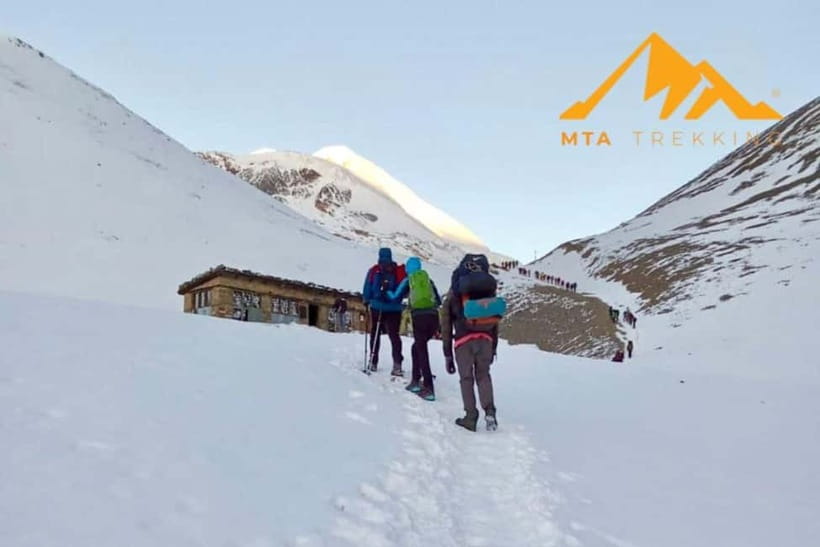
Day three keeps the trail varied. You trek through pine valleys toward Braga, and if a hillside monastery is open, you can visit it. That stop can add a quiet cultural note to the day, and it helps you slow down from pure trekking mode.
After Braga you cross suspension bridges again and climb through slopes until you reach Manang. Manang is where the trek starts to feel more like high-altitude trekking culture rather than just mountain hiking. You’ll settle into a teahouse, then enjoy strong views of Annapurna and Gangapurna from the general Manang area.
Drawback to be aware of: the trail days are busy. This isn’t a slow, long-dwell trek where you drift from viewpoint to viewpoint for hours. If you want a slower pace and more time to recover, you’ll need to manage that expectation from the start.
Manang Acclimatization Day: The One Day You Should Actually Take Seriously
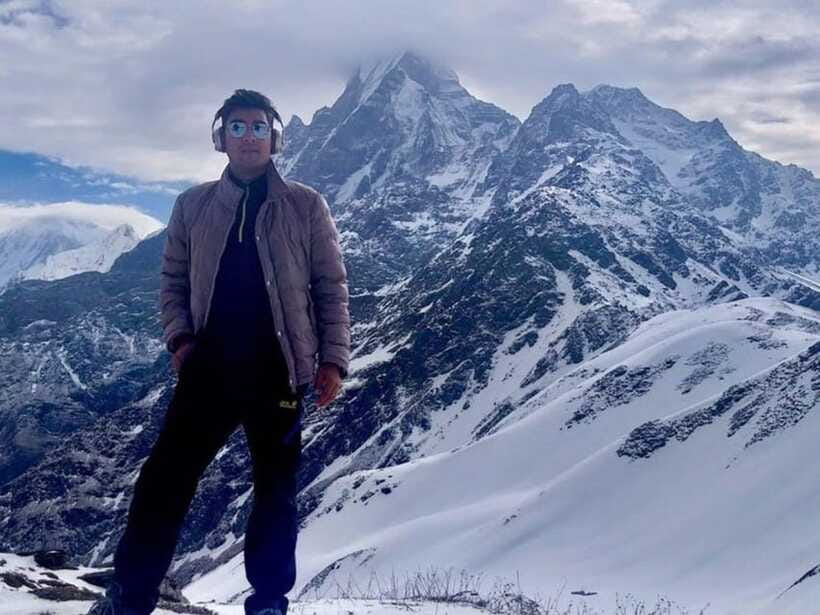
The fourth day is your acclimatization day in Manang, and it’s a big deal. The plan gives you time to rest and prevent altitude sickness, not just to look around. You can explore viewpoints, monasteries, and a cultural museum at a relaxed pace, then come back for a hearty meal and a good night’s sleep.
If you’re the type who likes a light “walk, don’t exhaust” day, you also have optional hikes available to glacial lakes. In this region, those short excursions can give you impressive views of Gangapurna and Tilicho peaks, without adding the kind of grind that would fight your recovery.
Here’s my practical advice: even if you feel good, keep your extra hiking modest. You want your body to get used to the altitude, not prove a point. The whole pass day will feel easier if you respect this rest day.
Other lodge to lodge routes near Kathmandu
Manang to Yak Kharka: Steady Climb Past Tengi, Gunsang, and Juniper Forests
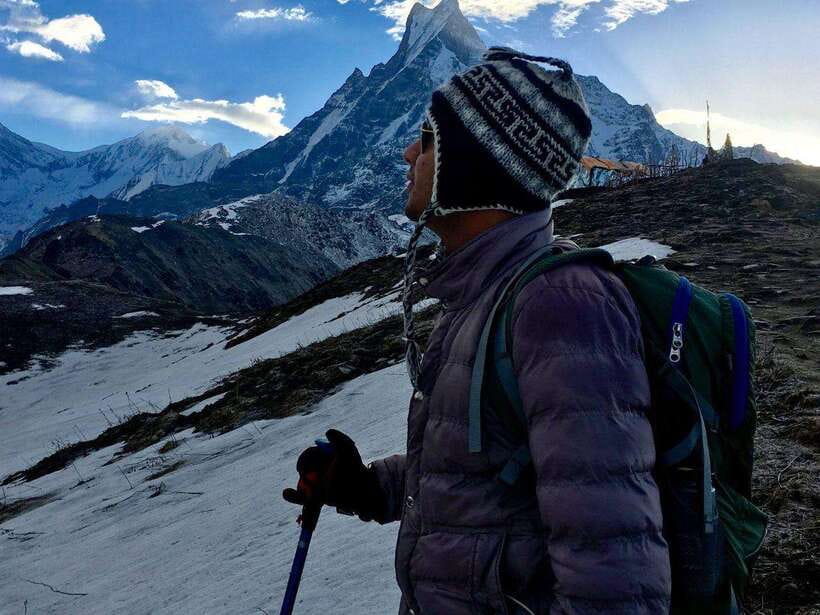
On day five you trek from Manang to Yak Kharka, about 4 hours. The profile is steady climbing rather than a sudden leap upward, and that’s exactly what helps you keep breathing calm.
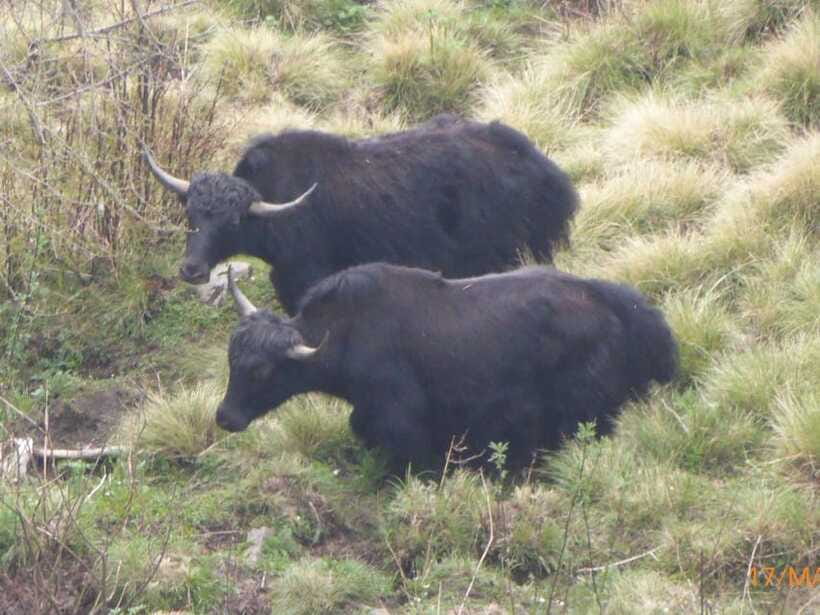
You’ll pass Tengi, and along the way you’ll see locals and pack animals. It’s a reminder that this route is part of daily life for people moving supplies and living in the high valleys, not just a tourist corridor.
Lunch is in Gunsang with views of Annapurna II and IV. Then you continue through juniper forests to Yak Kharka and rest at a guesthouse.
This segment is often where people decide if they’re enjoying the trek day flow or just enduring it. If you pace yourself, stay hydrated, and keep your effort consistent, this is a satisfying day. If you try to power through too fast, it can feel tougher than it needs to be.
Yak Kharka to Thorong Phedi: Alpine Pastures and the Base Camp Prep Feeling
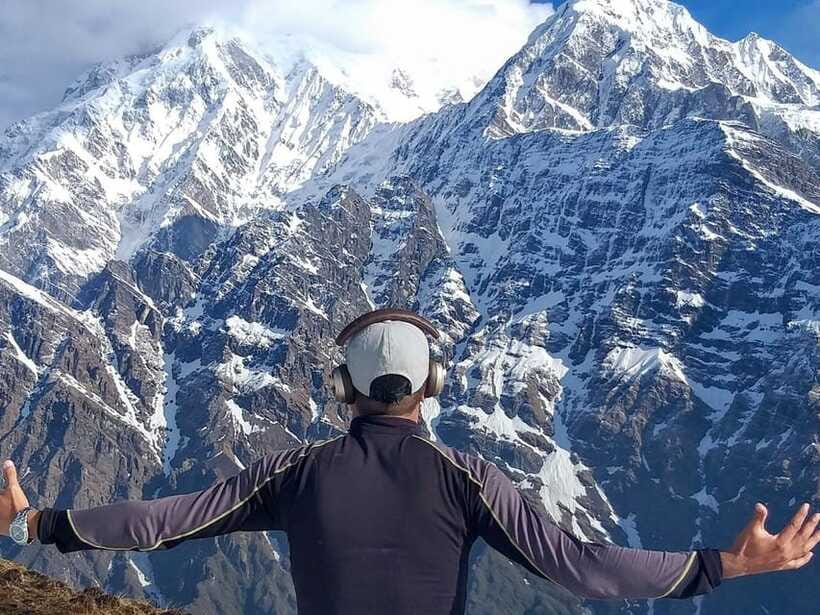
Day six takes you from Yak Kharka to Thorong Phedi in about 4 to 5 hours. The setting shifts to alpine pastures, with roaming horses and Himalayan griffons. That wildlife detail is easy to miss if you’re walking too fast, so if you enjoy spotting animals, slow down slightly and look up.
You’ll cross a suspension bridge and then move through rocky slopes to reach Thorong Phedi, the base camp area for the next day’s pass crossing. When you arrive, you’ll rest and prepare for Thorong La.
This “prep” feeling is important. The pass day starts very early, so your sleep and your routine the night before matter. Even if you’re excited, treat that evening like part of the climb, not like a casual stop.
The Thorong La Morning to Muktinath: Why 4 AM Changes Everything
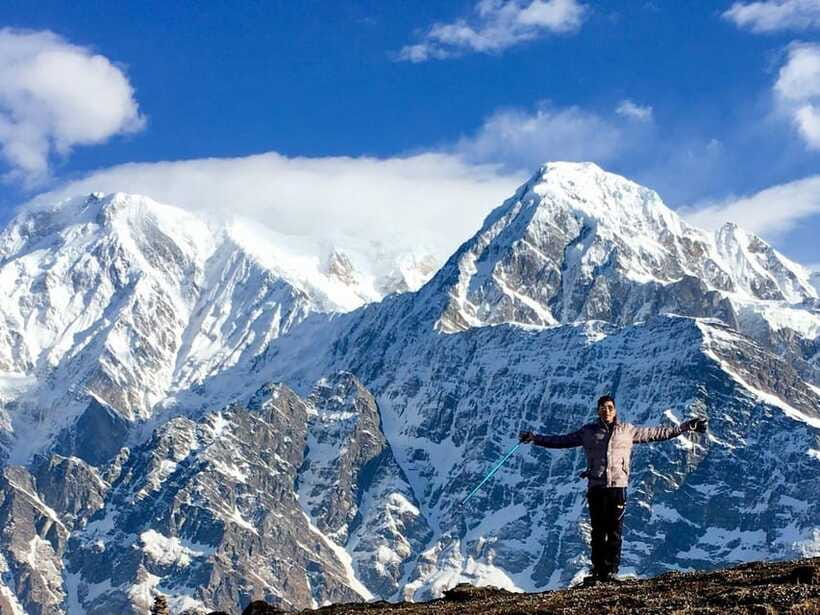
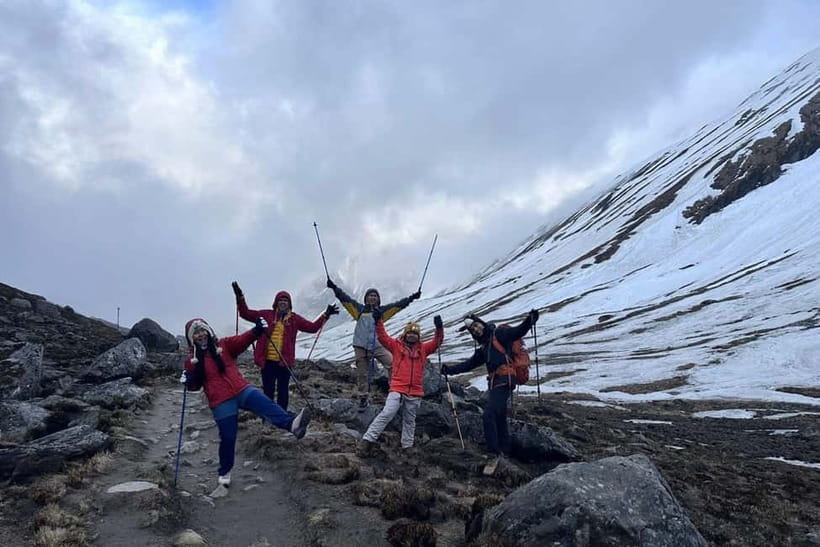
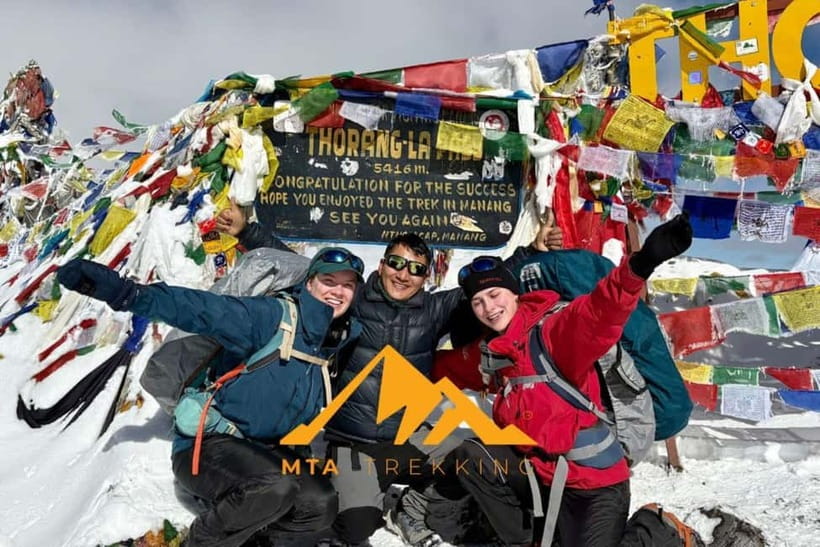
Day seven is the big one. You start from Thorong Phedi to Muktinath via Thorong La in about 7 to 8 hours, and you begin around 4 AM to avoid strong winds at the pass.
That early start isn’t just tradition. It’s practical trekking weather logic. The pass is at 5,416 meters, and conditions can shift fast. When you’re going early, you trade later-day wind and fatigue for a cleaner crossing window.
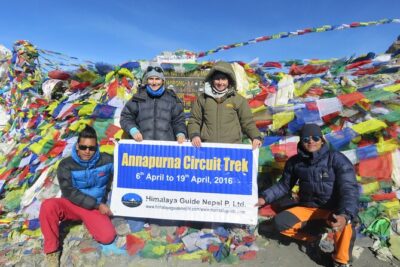
As you move across Thorong La, you’ll see snow-capped peaks and prayer flags fluttering in the cold air. Your guide plays a real safety role here, and the best part is how people describe feeling looked after throughout the entire crossing.
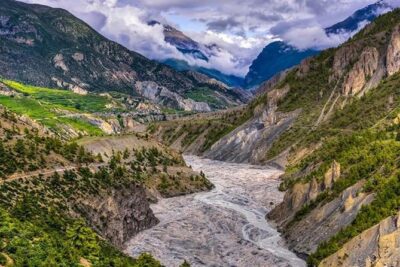
After the pass, you descend into the Kali Gandaki Gorge, which is one of the world’s deepest. This descent is dramatic because it feels like you’re leaving the sky-high zone and dropping into a carved, powerful canyon.
Then you arrive at Muktinath, a sacred pilgrimage site for Hindus and Buddhists. You’ll explore temples and shrines before sleeping at a teahouse. It’s a strong contrast day, mountain intensity followed by spiritual calm.
One more detail worth knowing: in at least one recent trek, the group was also taken to relaxing hot springs after finishing the pass, which made the whole day feel like it ended with a real recovery reward.
Muktinath to Pokhara: A Long Drive, a Real Reset, and a Lakeside Night
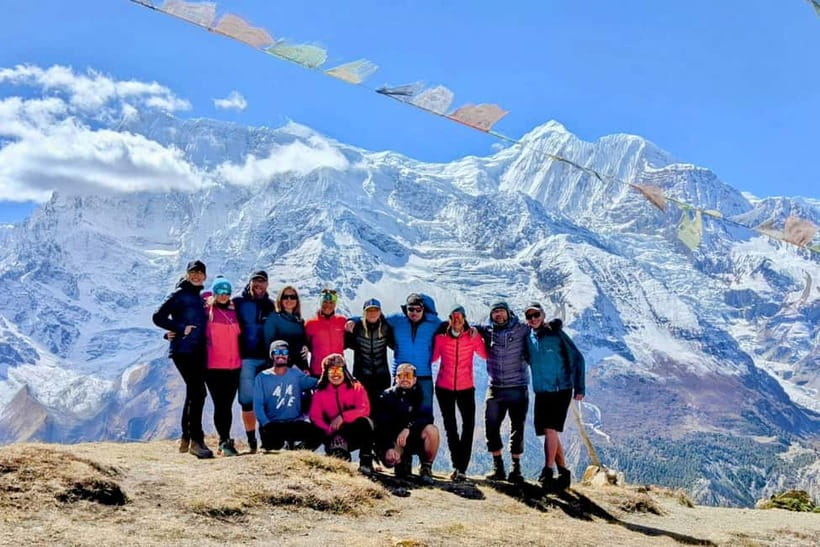
Day eight is about decompressing. You take a local bus drive from Muktinath to Pokhara, about 9 to 10 hours. The route goes through the lower Mustang Valley, which is scenic, but you’ll feel the long day in your legs.
Once you reach Pokhara, you check into your hotel for the last night: Hotel Orchid at tourist standard luxury level. After that, you can enjoy Lakeside streets, get a meal, and reset your routine after trekking.
You’ll also have a farewell with a typical Nepalese dinner in lakeside Pokhara. It’s a nice way to end, because it turns the trip from “logistics and steps” into “we did it” with people who helped you make it happen.
Price and What You Actually Get for Around $348
At $348 per person for an 8-day Annapurna Circuit trek, you’re paying for more than a map. You’re paying for planning, permits, and mountain-day continuity.
Here’s the value picture based on what’s included:
- Authorized English-speaking guide (porter costs extra)
- Trekking permits and the required paperwork, plus the Trekkers Information Management System fee(s) and applicable government tax
- Tea house or lodge accommodation for 7 trekking nights
- The last night accommodation in Pokhara at Hotel Orchid
- A farewell Nepalese dinner in Lakeside Pokhara
- Transportation between cities as per the itinerary, including bus and shared jeep segments
- All staff expenses, including meals, accommodation, salary, equipment, insurance, and transport
Meals are where you should read carefully. The package lists that all meals during the trek are included for a Full Package, while some items (like mineral water and hot drinks outside breakfast) are not included. If you choose the standard option, you should expect to pay for more of your own food and drinks.
Also, remember what’s not included: mineral water, tea and coffee aside from breakfast, and hot water or hot showers. Those are the small cost items that can add up if you assume everything is automatic.
For many people, the best part of the price is the “less to manage” factor. The guides you’ll meet, from Chakra to San Bhai to Shishir and Ghanshyam, were repeatedly described as friendly and experienced, and many people said they felt secure and well taken care of. That kind of confidence is not free, and it’s a real part of what you’re buying.
Guides: Why Their Calm Matters More Than the View
The Annapurna Circuit is famous for views, but your comfort depends on the human layer. In the feedback you’ve got here, several guides stood out for being friendly, helpful, and careful.
Chakra is mentioned as incredibly friendly and considerate, with lots of experience. San Bhai is described as fantastic, always with a smile and ready support. Shishir gets credit for safety and service that felt top. Ghanshyam is praised for deep knowledge of mountains and Nepalese Hindu and Buddhist culture, plus kindness.
Even if you never meet them in person (and if your guide is different), the pattern is clear. The operation tries to match people with strong guides and handle logistics well, including answering questions quickly ahead of time via WhatsApp.
That matters on pass day. You want someone who understands timing, conditions, and how to keep you moving safely and steadily.
Who Should Choose This Trek, and Who Should Skip It
This trek is not for everyone, and the provider states clear limits. It’s not suitable for:
- Pregnant women
- People with altitude sickness
- People over 70 years
Beyond the official limits, think realistically about your fitness and your acclimatization habits. One note from feedback is that this itinerary can feel relatively fast-paced, with limited acclimatization time if you’re not well trained or young. Even with the Manang rest day, Thorong La is still a demanding physical and mental experience.
If you’re a solid hiker who can handle 4 to 8 hour trekking days and you’re serious about taking acclimatization seriously in Manang, this fits well. If you want a slower route with more time at altitude, you might want to consider a longer version.
Practical Tips: What to Pack and How to Avoid Trekday Surprises
A few packing basics are clearly listed, and they matter:
- Warm clothing
- Sunglasses
- Sunscreen
- Comfortable trekking clothes
- Travel insurance
- Passport (a copy is accepted) and an ID card (a copy is accepted)
You’ll also want to handle permits early. You should send a copy of your passport in advance so trekking permits can be prepared.
Sleeping gear is a big seasonal factor. For winter treks in November and December, you should bring your own sleeping bag, or contact the provider to arrange a rental. Don’t wait until the last minute to figure this out, because cold night temperatures at altitude can be more uncomfortable than you expect.
Finally, consider your water and comfort plan. Mineral water and tea or coffee outside breakfast are not included, and hot shower access is not guaranteed because hot water is not included. Bringing a practical hydration and comfort strategy makes the days easier.
Should You Book This Annapurna Circuit via Thorong La?
If your priority is a classic Annapurna Circuit experience with a well-timed Thorong La crossing, village stops like Upper Pisang, and a meaningful temple visit at Muktinath, this trek is a strong choice. The logistics feel designed to reduce stress, and the guide support quality is consistently praised, including named guides such as Chakra, San Bhai, Shishir, and Ghanshyam.
I’d especially recommend it if you:
- Like a structured trek plan with teahouse stays and included permits
- Are comfortable with early mornings and a serious high pass
- Want a cultural blend, not just walking and views
I would hesitate if you:
- Want lots of slow, extra acclimatization time beyond the Manang rest day
- Have health limits related to altitude
- Prefer to control every meal and cost in advance, since meals depend on whether you choose the Full Package
If you book, commit to the Manang rest day, start Thorong La early as planned, and treat the pass day like a careful mission. Do that, and you’ll get the kind of high-mountain day that stays with you long after the bus ride back to Pokhara.
FAQ
How high is Thorong La Pass on this trek?
Thorong La Pass is at 5,416 meters. The crossing is planned early in the morning to help avoid strong winds.
What time do you start crossing Thorong La?
You start very early, around 4 AM, to reduce the impact of strong winds on the pass day.
Is a sleeping bag included?
No. For winter treks in November and December, you should bring your own sleeping bag or contact the provider to arrange a rental.
Are meals included?
Meals are included during the trek for the Full Package only. Mineral water, and tea or coffee aside from breakfast are not included.
Do I need trekking permits?
Yes, and the permits, required paperwork, and the Trekkers Information Management System fee(s) are included.
Can I hire a porter?
Yes. Porters are available to hire for $20 per day, but the porter cost is not included.
Is this trek suitable for everyone?
The provider says it is not suitable for pregnant women, people with altitude sickness, and people over 70 years.
Lodge to Lodge Around Kathmandu


The Rest of Our Kathmandu Write Ups



The Circuit, Other Itineraries
Everything else we have reviewed around Kathmandu
- 12 Days Everest Base Camp Trekking
★ 5.0 · 3 reviews - 1 Night 2 Days Chitwan Jungle Safari Tour from Pokhara or Kathmandu
★ 3.0 · 3 reviews - Thamel Rickshaw tour
★ 4.7 · 3 reviews - Kathmandu: Momo Making Class with a Local Chef
★ 5.0 · 3 reviews - Kathmandu: Full-Day Yoga, Body Massage and Pedicure Package
★ 5.0 · 3 reviews - From Kathmandu / Pokhara / Chitwan: River Rafting – 1 Day
★ 4.6 · 3 reviews
Annapurna Circuit Treks worth a second look.
 ★ 5.0Annapurna Circuit Trek with Tilicho LakeFrom $1,093368 reviews
 ★ 5.0Annapurna Circuit TrekFrom $1,17594 reviews
★ 5.0Annapurna Circuit TrekFrom $1,15035 reviews
★ 5.0Annapurna Circuit TrekFrom $97534 reviews
 ★ 5.0Annapurna Circuit with Tilicho Lake TrekFrom $1,09325 reviews
 ★ 5.010-Day Adventurous Annapurna Circuit TrekFrom $46725 reviews
 ★ 5.015-Day Private Annapurna Circuit Trek from KathmanduFrom $99518 reviews
 ★ 5.09-Day Annapurna Circuit Trek via Thorong La Pass17 reviews
Lists this tour sits in