
REVIEW · NEPALI CULTURE & CRAFT EXPERIENCES
Nepali Cooking training & Cultural Homestay Experience
Cooking in a Kathmandu kitchen beats sightseeing alone. This Nepali Cooking Training & Cultural Homestay pairs a home-style meal lesson with time in the city, plus a real shot at Himalayan views when the weather behaves.
I love the fact that your class is practical, not a performance. You learn to make a proper Nepali plate like Dal Bhat, with dal, mixed vegetables, pickle, and chicken, then you eat it together with a Nepali family. I also like the pacing, because you are not stuck inside a classroom all evening.
One consideration: this is a family-centered experience, so the schedule and meal flow follow local life, not tourist convenience. Also, return transport to your next destination is not included, so plan your onward trip after the second day.
In This Review
- Quick Hits
- Price and What You Actually Get for $30
- A 4:15 pm Start That Makes Sense for Dinner and Home Life
- Uma Maheshwor Temple, A Quiet Stop Before the Main Meal
- Kathmandu Durbar Square, Seeing the City Through Stories
- The Himalayas, Including Mount Everest, When Skies Clear
- Cooking Dal Bhat With a Nepali Family, Not a Script
- Accommodation for One Night, Clean and Comfortable
- Dinner Pickup and Private Transportation, How Logistics Affect Enjoyment
- What You’ll Learn That Doesn’t Fit on a Recipe Card
- Who This Two-Day Homestay Cooking Experience Fits Best
- Tips to Get the Most Out of It
- Should You Book This Kathmandu Cooking and Homestay Experience?
- FAQ
- Where does this experience take place?
- How long is the experience?
- What time does the experience start?
- Is pickup included?
- Is accommodation included?
- What meals and drinks are included?
- What is not included in the price?
- Is it a private tour?
- What is the cancellation policy?
Quick Hits
- Hands-on Dal Bhat lesson with dal, vegetables, pickle, and chicken, then you eat what you make
- One night homestay in a clean, comfortable room, with breakfast and tea or coffee
- Pickup offered plus private transportation during the program
- Temple and heritage stops at Uma Maheshwor Temple and Kathmandu Durbar Square
- Chance to see Everest on a clear day from your location
- Private tour setup means only your group participates
Slower, more local afternoons

Price and What You Actually Get for $30
At $30.00 per person for about two days, the value is mostly about what’s included, not what’s optional. You are getting dinner pickup, one night of homestay accommodation, plus breakfast and tea or coffee. You are also getting private transportation for the stops, which matters in Kathmandu where traffic and navigation can turn a simple outing into a time sink.
You are paying for more than a meal. You are buying access to a real Nepali household rhythm. That is why this feels different from a cooking demo where you watch, take a few photos, and leave.
Also, the booking timing is telling. This kind of stay typically gets booked around 34 days in advance, which usually means it sells out when word gets around. If you are traveling around peak seasons, give yourself a buffer and book earlier rather than later.
A 4:15 pm Start That Makes Sense for Dinner and Home Life
The meeting time is 4:15 pm, which sets the tone. You are starting in the late afternoon, not mid-morning. That shift is practical because it lines up with evening eating and family routines.
Plan for a casual first block of time where you will travel and make the day’s stops. You should also expect that the evening part will feel less like a fixed tour script and more like being brought into someone’s plan for the night.
If you like travel days that feel human, this works. If you only want tightly controlled, hour-by-hour schedules, you might find the flow a little more flexible than you expect.
Uma Maheshwor Temple, A Quiet Stop Before the Main Meal
Your first stop is Uma Maheshwor Temple. Even without getting too detailed about the setting, a temple visit can do something useful for a cooking homestay. It places you in the cultural mood of the day, not just in the kitchen.
Why it helps: when you’re about to cook and eat Nepali food, it’s nice to understand that food is part of daily life, not an isolated activity. A temple stop is a good reset between city motion and home time.
Practical tip: bring a simple, respectful mindset. Dress appropriately for religious spaces and keep your actions calm and low-key. You do not need to turn this into a long sightseeing mission. Think of it as setting context and preparing yourself to connect more thoughtfully with the rest of the evening.
Possible drawback: temple time can be shorter than you hope, since the main goal of the program is cooking plus homestay. If you want a deep, guided walk-through of every site, you may need extra time in Kathmandu beyond this two-day experience.
Kathmandu Durbar Square, Seeing the City Through Stories
Next up is Kathmandu Durbar Square. This stop gives you a taste of Kathmandu’s older urban core, with plenty of energy in the area.
How it pairs with the cooking lesson: it gives you a “where” for “why.” Nepali food is shaped by place, household habits, and regional influences. Seeing the older heart of the city first helps you understand that your dinner is not random. It comes from a living culture.
What to expect: you will likely get time to look, move through the area, and connect what you see outside with what you will be doing inside soon after. The key point is that this is not a museum-only experience. It is city time that supports the homestay.
If crowds are your stress point, don’t schedule other major sightseeing right after this stop. Let your evening settle you down into the more personal pace of the family portion.
Other kitchens taking bookings in Kathmandu
The Himalayas, Including Mount Everest, When Skies Clear
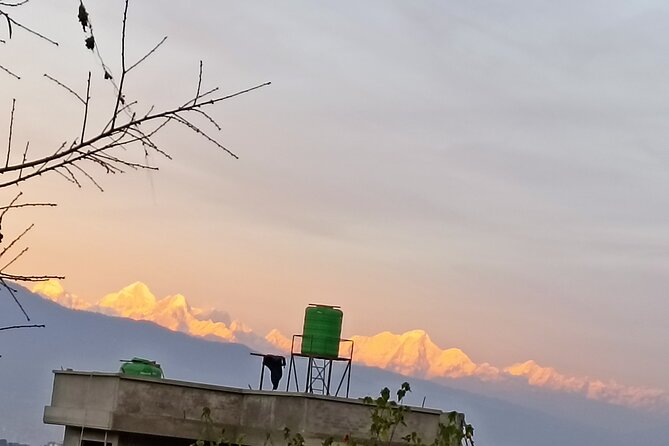
The program includes a Mount Everest stop. Realistically, this usually means a view or viewing time connected to the Himalayas rather than climbing or traveling to a mountain base. The overview also promises breathtaking Himalayan views from the location on a clear day.
This part is worth taking seriously, because mountain sighting is not guaranteed. If the sky is hazy or cloudy, you may get fewer views than you hoped. Still, the value is in trying, because Kathmandu’s air can clear quickly and a good view can make the whole trip feel extra special.
What you can do to improve your odds: keep your camera ready, wear layers, and stay flexible. Views often show up in small windows.
And even if you only catch a partial view, it still connects the homestay experience to Nepal’s scale. Cooking is intimate. The Himalayas are perspective.
Cooking Dal Bhat With a Nepali Family, Not a Script
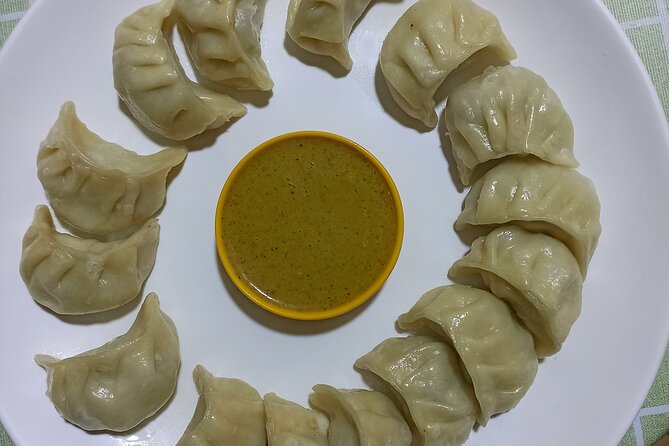
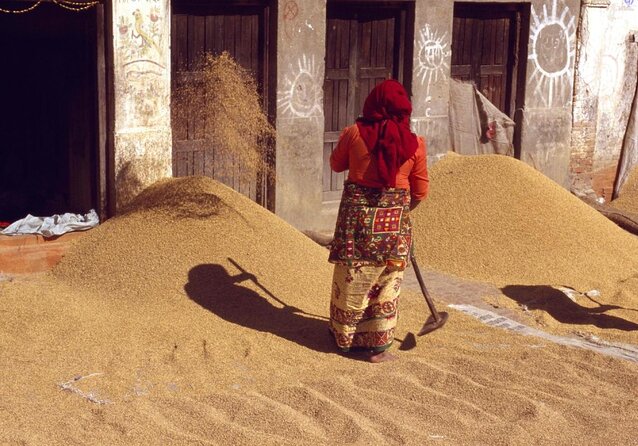
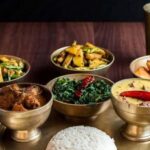
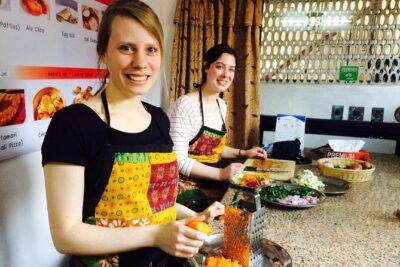
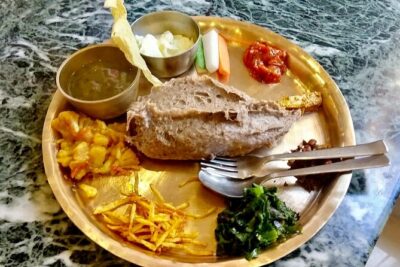
Now for the main course, literally. You will learn to cook a classic Nepali meal, including Dal Bhat with mixed vegetables, pickle, and chicken. That menu matters because it is a full, balanced plate and also a window into everyday Nepali eating.
I love that this kind of class focuses on actual dishes you can recognize and recreate. Dal Bhat is not “fancy.” It is comfort food and household routine. Learning it is useful, and you can bring it home more easily than dishes that require specialized ingredients you might never find again.
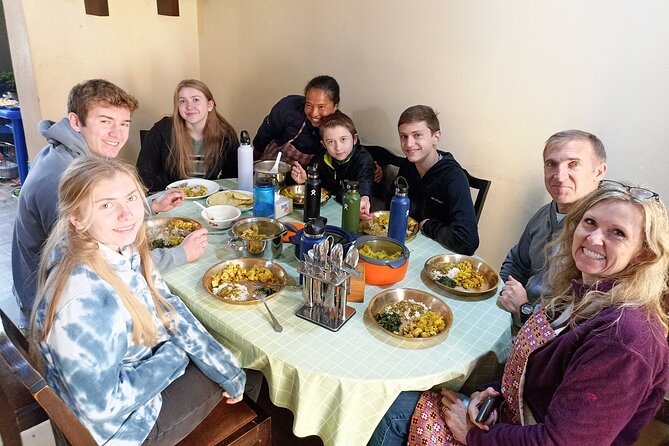
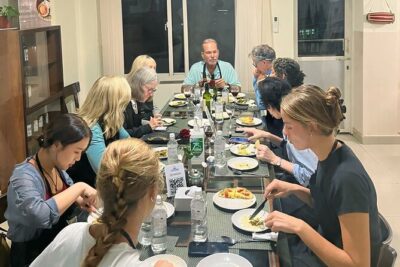
Here’s what makes this class feel especially strong: the family element. Reviews and the program description both point to active involvement with the household, where you share stories and eat together. That is the difference between cooking as entertainment and cooking as connection.
So what should you expect during the class?
- Step-by-step cooking for each component, from dal to vegetables to pickle
- A guided meal structure where your work becomes dinner
- A chance to ask questions while you cook, not just at the end
If you have dietary restrictions, the provided data does not spell out alternatives. You might want to message the provider ahead of time when you book. Keep in mind that the included meal includes chicken, plus dal and vegetables, and the homestay menu may follow what the family normally makes.
Accommodation for One Night, Clean and Comfortable
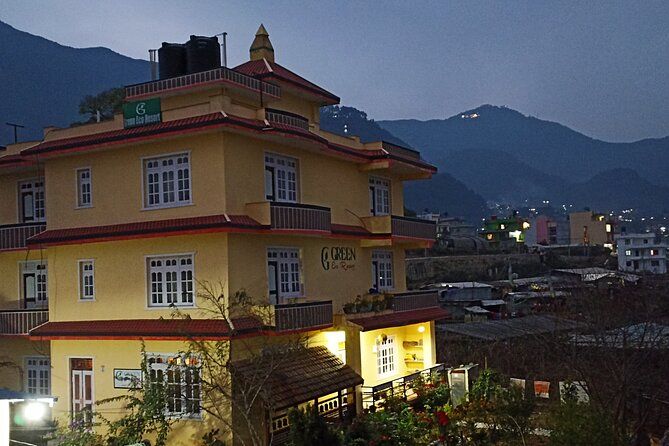
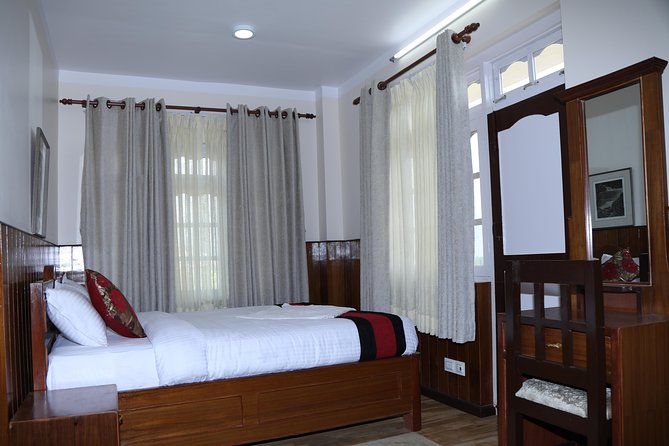
You get accommodation in a homestay, with a clean and comfortable room for one night. That’s a key part of the value equation at this price. You are not just paying for the food lesson. You are also getting a place to sleep and a home-base breakfast.
Homestays also do something subtle. They slow your travel brain down. You stop rushing from one highlight to the next and start thinking about the next meal, the next conversation, and how locals actually live.
Practical note: you are in a downtown setting. That can mean easier access to daily life and transport, and the description also says you are near public transportation. Still, Kathmandu traffic is real, so give yourself breathing room for the in-between segments.
Dinner Pickup and Private Transportation, How Logistics Affect Enjoyment
The program includes dinner pickup transportation and private transportation. In Kathmandu, the difference between private transport and trying to figure out routes on your own can be huge. It reduces stress, which makes it easier to enjoy the family time.
It also keeps the evening smoother. A late-afternoon start plus a private vehicle means you are not stuck waiting around with hunger building and no clear plan.
You should also know what is not included: alcoholic beverages and other drinks like soft drinks are not included. That means if you want anything beyond tea or coffee and the included meal, you may need to plan for it yourself.
And most important: return transport to your next destination is not included. If you have a flight, bus, or train after your second day, schedule it with extra buffer so you are not trapped by timing.
What You’ll Learn That Doesn’t Fit on a Recipe Card
A cooking class gives you steps. A homestay gives you context. Here’s what you can realistically come away with from a Nepali family meal format like this one.
First, you learn how dishes fit together. Dal, rice, mixed vegetables, pickle, and chicken are not random picks. They are a complete routine. Even if your exact ingredients differ later, you’ll understand the logic of the plate.
Second, you learn through conversation. The program is built around shared stories with your hosts. That matters because it turns cooking from a standalone hobby into part of a lived culture.
Third, you pick up small habits that make cooking easier. Even without a written “secret technique,” you usually learn pacing, how to balance flavors, and the order things should happen. When you cook at home, you’ll notice those decisions.
The best part, based on the strongest feedback, is the family involvement. The people who rate this experience highly describe group time with the household as the standout. That is the heart of the value.
Who This Two-Day Homestay Cooking Experience Fits Best
This experience is a good match if you want:
- A hands-on Nepali cooking session focused on a classic meal
- A family-centered cultural exchange, with an actual shared dinner
- A short stay in Kathmandu that still feels personal
- Scenic Himalayan time when skies clear
It may be less ideal if you want:
- A fully independent itinerary with zero family interaction
- Deep, long stays at major landmarks, since the emphasis is cooking plus homestay
- Guaranteed mountain views in cloudy weather
In plain terms, this suits people who like food, conversation, and a schedule that feels like real life.
Tips to Get the Most Out of It
A few practical moves can make the whole stay smoother.
- Bring a small notebook or photos app for your ingredients list, even though the class teaches the full meal.
- If you are sensitive to spice, let the instructor know early, before cooking starts, so you can adjust your own portions. The program includes pickle and chicken, so flavor intensity may be part of the meal style.
- Pack layers for Kathmandu evenings and for any Himalayan viewing. Clear days can still feel cool.
- Plan your onward travel since the return transport is not included. Leave a little slack.
Should You Book This Kathmandu Cooking and Homestay Experience?
Yes, I think you should book it if you want a short Kathmandu experience that is more than checking boxes. The combo is strong: Dal Bhat cooking, a real homestay night, and city stops that tie food to place. At $30.00 per person, it is hard to ignore the included accommodation and meals.
Book it especially if you enjoy learning from people, not just from screens. The highest praise centers on the family and the way groups participate together in the cooking and dinner time. That is what makes this feel like a story you will remember, not just a recipe you will forget.
I would pass or add extra days elsewhere if your top priority is guaranteed mountain views or long, detailed sightseeing. But if you’re flexible about weather and you want a meaningful food night in Kathmandu, this one makes a lot of sense.
FAQ
Where does this experience take place?
It takes place in Kathmandu, Nepal.
How long is the experience?
The duration is about 2 days.
What time does the experience start?
The start time is 4:15 pm.
Is pickup included?
Yes. The experience includes pickup offered and dinner pickup transportation.
Is accommodation included?
Yes. You get accommodation in a homestay for one night, in a clean and comfortable room.
What meals and drinks are included?
You get dinner pickup for the evening meal, plus breakfast and tea or coffee.
What is not included in the price?
Alcoholic beverages and other drinks are not included. Return transport to your next destination is also not included.
Is it a private tour?
Yes. It is a private tour/activity, and only your group participates.
What is the cancellation policy?
You can cancel for a full refund if you cancel up to 24 hours in advance of the experience start time.
Chop, Fold, Simmer

The Rest of Our Kathmandu Write Ups




Craft, Ritual and Village Life

Everything else we have reviewed around Kathmandu
- 12 Days Everest Base Camp Trekking
★ 5.0 · 3 reviews - 1 Night 2 Days Chitwan Jungle Safari Tour from Pokhara or Kathmandu
★ 3.0 · 3 reviews - Thamel Rickshaw tour
★ 4.7 · 3 reviews - Kathmandu: Momo Making Class with a Local Chef
★ 5.0 · 3 reviews - Kathmandu: Full-Day Yoga, Body Massage and Pedicure Package
★ 5.0 · 3 reviews - From Kathmandu / Pokhara / Chitwan: River Rafting – 1 Day
★ 4.6 · 3 reviews
Nepali Culture & Craft Experiences worth a second look.
 ★ 5.0Knife (Khukuri) Making Workshop- Forge of the GurkhasFrom $68143 reviews
 ★ 4.9Knife Khukuri Making WorkshopFrom $7338 reviews
 ★ 5.0Sarangkot Village Coffee Culture and Authentic Local Life TourFrom $6029 reviews
 ★ 5.0Nepal BirdingFrom $22528 reviews
 ★ 4.2Cultural Dinner Show with Traditional DanceFrom $1827 reviews
 ★ 5.0Gurkha Knife MakingFrom $6619 reviews
 ★ 5.0Women Empowerment Project(Nepali cooking class & jewelry workshopFrom $5015 reviews
 ★ 5.0Discover Ranjana Lipi the Traditional Newari ScriptFrom $429 reviews
Lists this tour sits in